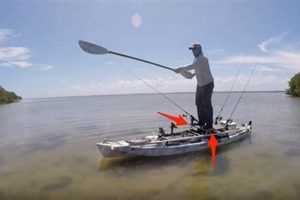
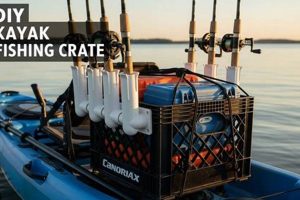
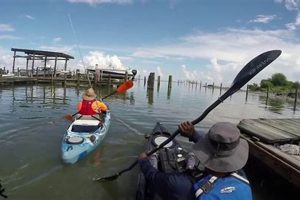
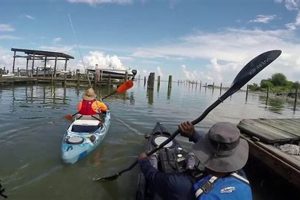
Competitive angling from human-powered kayaks is a rapidly growing sport, attracting participants and spectators worldwide. This specialized discipline combines the physical demands of paddling with the strategic challenge of locating and catching fish. Events typically involve navigating designated water bodies, adhering to specific rules and regulations regarding tackle and catch limits, and utilizing specialized equipment like fish finders and rod holders designed for kayak use. Competitors are often judged based on the total weight or length of their catch within a set timeframe.
The accessibility and affordability of kayak fishing have contributed to its increasing popularity as a competitive sport. It offers a unique connection with nature and promotes physical fitness while fostering a sense of community among anglers. Formal competitions provide a platform for skill development and recognition, encouraging advancements in techniques and equipment. The sports growth is evident in the emergence of organized tournaments, professional circuits, and dedicated media coverage, highlighting its potential for future development and wider recognition.
This article will explore the various facets of competitive kayak angling, examining tournament formats, equipment essentials, effective fishing strategies, and the evolving landscape of this dynamic sport. Further discussion will cover the conservation aspects, safety considerations, and the growing role of technology in enhancing the competitive experience.
Tips for Competitive Kayak Angling
Success in competitive kayak fishing hinges on preparation, strategic decision-making, and efficient execution. The following tips offer guidance for anglers seeking to improve their performance and competitive edge.
Tip 1: Master Kayak Control: Proficient paddling and maneuvering are crucial for navigating efficiently and positioning oneself effectively for casting. Practice precise boat control in various conditions to maximize fishing time and minimize wasted energy.
Tip 2: Optimize Tackle Selection: Choose rods, reels, and lures appropriate for the target species and prevailing conditions. Consider lightweight yet durable gear that allows for quick adjustments and efficient handling within the confines of a kayak.
Tip 3: Utilize Electronics Effectively: Fish finders and GPS units provide invaluable insights into underwater structures, fish locations, and navigation. Learn to interpret data efficiently to identify promising fishing spots and optimize fishing strategies.
Tip 4: Develop a Pre-Fishing Plan: Researching the competition area, studying maps, and understanding prevailing weather patterns are essential for formulating a successful game plan. Identifying potential hotspots and planning efficient routes can significantly improve results.
Tip 5: Prioritize Safety: Wearing a personal flotation device and carrying essential safety equipment, such as a whistle and signaling device, is paramount. Checking weather forecasts and understanding water conditions are crucial for ensuring a safe and enjoyable experience.
Tip 6: Practice Efficient Fish Handling: Develop techniques for quickly and safely landing, measuring, and releasing fish to minimize stress on the catch and maximize fishing time during competitions. Proper handling also contributes to conservation efforts.
Tip 7: Stay Organized and Focused: Maintaining a tidy kayak and having readily accessible tackle promotes efficiency and minimizes distractions during critical moments. Mental focus and disciplined execution are essential for consistent performance.
By implementing these strategies, anglers can enhance their skills, improve their competitive edge, and contribute to a positive and sustainable competitive kayak fishing environment.
This collection of tips provides a foundation for success in the challenging yet rewarding world of competitive kayak angling. Further exploration of these concepts will provide a deeper understanding of the intricacies involved in this dynamic sport.
1. Competition

Competition serves as the driving force behind the evolution and formalization of kayak fishing as a sport. The inherent desire to test skills and abilities against other anglers propels the development of standardized rules, tournament formats, and ranking systems, creating a structured environment akin to established Olympic sports. This competitive structure provides a framework for measuring achievement, recognizing exceptional talent, and fostering continuous improvement within the sport. The competitive element pushes participants to refine techniques, optimize equipment choices, and deepen their understanding of fish behavior and aquatic environments.
Real-world examples illustrate the significance of competition in kayak fishing. The growth of national and international tournament circuits, such as the Hobie Bass Open Series and the Kayak Bass Fishing National Championship, demonstrates the increasing popularity and formalization of competitive kayak angling. These events not only provide a platform for anglers to compete but also attract sponsorships, media coverage, and spectator interest, further solidifying the sport’s legitimacy and driving its continued expansion. The competitive landscape motivates advancements in kayak design, fishing tackle, and electronic technologies, benefiting both competitive anglers and recreational enthusiasts. This mirrors the technological advancements seen in other competitive sports driven by the desire to gain an edge.
Understanding the role of competition in kayak fishing provides valuable insights into the sport’s development and future trajectory. While challenges remain in achieving widespread recognition and standardization comparable to traditional Olympic disciplines, the competitive spirit inherent within the kayak fishing community continues to drive innovation, promote conservation efforts, and foster a sense of camaraderie among participants. The evolving competitive landscape shapes not only the skills and strategies employed by anglers but also the overall growth and sustainability of the sport itself.
2. Skill

Skill in competitive kayak angling encompasses a diverse range of abilities, extending beyond simply catching fish. Proficient kayak control, including paddling, maneuvering, and anchoring, forms the foundation for effective positioning and efficient navigation. Accurate casting, lure retrieval techniques, and knowledge of fish behavior are essential for enticing strikes and successfully landing catches. Furthermore, interpreting electronic data from fish finders and GPS units plays a crucial role in locating productive fishing spots and optimizing strategies. Mastering these skills, much like athletes in Olympic disciplines, requires dedicated practice, continuous learning, and adaptability to varying conditions.
The direct impact of skill on competitive outcomes is readily apparent. Anglers who demonstrate superior boat control can access hard-to-reach areas, maximizing their fishing opportunities. Precise casting and lure presentation increase the likelihood of attracting fish, while efficient fish-handling techniques minimize time spent landing and releasing catches, allowing for more time actively fishing. Moreover, the ability to interpret electronic data effectively enables anglers to identify promising areas and adjust strategies based on real-time information. These skills, honed through practice and experience, provide a competitive edge, similar to how specialized skills differentiate Olympic athletes. For instance, a skilled angler might leverage advanced paddling techniques to navigate through challenging currents or utilize precise casting to target specific structures where fish are likely to hold.
Understanding the multifaceted nature of skill in competitive kayak angling underscores its critical role in achieving success. While external factors such as weather and luck can influence outcomes, the development and application of specialized skills remain paramount. This emphasis on skill development mirrors the dedication and training required in Olympic sports, highlighting the parallels between competitive angling and more traditional athletic pursuits. Continued refinement of these skills, coupled with strategic decision-making and adaptability, contributes not only to individual achievement but also to the overall advancement and professionalization of the sport. This understanding offers valuable insights for aspiring competitive anglers seeking to improve their performance and contribute to the evolving landscape of kayak fishing.
3. Strategy

Strategic thinking forms a cornerstone of successful competitive kayak angling, akin to the meticulous planning seen in Olympic sports. Developing a well-defined strategy, considering factors such as location selection, species targeting, and lure choice, significantly influences competitive outcomes. Adaptability and real-time adjustments based on changing conditions further separate successful anglers from the rest. A well-crafted strategy optimizes time management, maximizes fishing opportunities, and enhances the likelihood of success.
- Pre-Fishing Preparation
Thorough pre-fishing preparation, including researching potential fishing areas, studying maps, and analyzing historical data, lays the groundwork for a sound strategy. Understanding prevailing weather patterns, water temperatures, and seasonal fish behavior allows anglers to identify promising locations and anticipate potential challenges. This preparation, similar to how Olympic athletes study their opponents and competition venues, provides a crucial advantage. For example, an angler might identify areas with specific structures or vegetation that attract target species based on pre-fishing research, increasing their chances of success.
- Species-Specific Tactics
Tailoring tactics to target specific fish species enhances efficiency and maximizes catch potential. Understanding preferred habitats, feeding patterns, and effective lure presentations allows anglers to refine their approach and increase their odds of success. This specialization mirrors how Olympic athletes train for specific events, optimizing their techniques for peak performance. An angler targeting bass, for example, might employ different tactics than someone targeting trout, adapting their lure choices and retrieval techniques based on the target species’ behavior.
- Adaptability to Changing Conditions
Dynamic weather patterns, fluctuating water levels, and shifting fish behavior demand adaptability and real-time adjustments to pre-determined strategies. Being able to recognize changes in the environment and adjust fishing techniques accordingly is crucial for maintaining effectiveness. This flexibility, similar to how Olympic athletes adapt to unforeseen circumstances during competition, distinguishes successful anglers. For example, an angler might switch to heavier lures in windy conditions or adjust their retrieval speed based on water temperature changes to optimize their approach.
- Time Management and Efficiency
Efficient time management, including minimizing travel time between fishing spots and maximizing time spent actively fishing, significantly influences competitive outcomes. A well-structured plan incorporates efficient routes, minimizes wasted time, and prioritizes high-potential areas. This optimized approach mirrors the meticulous scheduling and training regimens followed by Olympic athletes, emphasizing the importance of maximizing effective time utilization. An angler with a well-defined plan, for example, might pre-determine the most efficient route to navigate between promising fishing locations, minimizing transit time and maximizing time on the water.
These facets of strategic thinking collectively contribute to a comprehensive approach to competitive kayak angling, emphasizing the importance of planning, adaptability, and efficient execution. Much like in Olympic competitions, success hinges not only on skill and physical prowess but also on strategic thinking and the ability to adapt to dynamic conditions. By incorporating these strategic elements, anglers can significantly enhance their performance and contribute to the evolving sophistication of the sport, further solidifying its position as a challenging and rewarding pursuit. This strategic approach underlines the parallels between competitive kayak angling and more established sports, highlighting the cognitive and analytical skills required for success.
4. Equipment

Specialized equipment plays a crucial role in competitive kayak angling, influencing performance, efficiency, and overall success. From the kayak itself to rods, reels, lures, and electronics, each piece of equipment contributes to the angler’s ability to navigate, locate fish, and execute effective fishing techniques. The selection and utilization of appropriate equipment, much like the specialized gear used in Olympic sports, can significantly impact competitive outcomes. This includes considerations for weight, durability, and functionality, all tailored to the specific demands of kayak fishing.
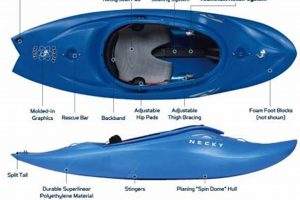
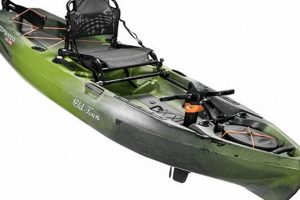
The kayak, serving as the angler’s primary platform, demands careful consideration. Stability, maneuverability, and storage capacity influence fishing effectiveness and comfort. Rods and reels, optimized for specific target species and fishing techniques, contribute to casting accuracy and efficient retrieval. Lure selection, based on fish behavior and prevailing conditions, plays a critical role in enticing strikes. Electronics, such as fish finders and GPS units, provide valuable data for locating fish and navigating effectively. Real-world examples include the use of high-resolution fish finders to identify underwater structures and depth changes, giving anglers an edge in locating fish. Similarly, specialized kayaks designed for stability and maneuverability allow anglers to navigate challenging waters and access hard-to-reach areas. The choice of lightweight, durable rods and reels optimized for kayak fishing further enhances casting accuracy and responsiveness.
Understanding the importance of equipment selection and utilization provides valuable insights for competitive kayak anglers. Strategic equipment choices, tailored to specific fishing conditions and target species, contribute directly to improved performance and increased chances of success. This focus on specialized equipment mirrors the importance of technologically advanced gear in Olympic sports, highlighting the parallel between equipment and competitive outcomes. While skill and strategy remain essential, the proper utilization of equipment enhances an angler’s ability to execute techniques effectively and maximize their potential. This understanding underscores the interconnectedness of equipment, skill, and strategy in competitive kayak angling, offering practical guidance for anglers seeking to optimize their performance and gain a competitive advantage in the sport.
5. Environment
The environment plays a critical role in competitive kayak angling, influencing strategic decisions, fishing techniques, and overall outcomes. Understanding and adapting to prevailing environmental conditions, including weather patterns, water temperature, and aquatic ecosystems, is crucial for success. These factors, much like the playing field in traditional Olympic sports, present both opportunities and challenges for anglers, demanding adaptability and strategic thinking.
- Weather Conditions
Weather patterns, including wind speed, precipitation, and cloud cover, significantly impact kayak fishing conditions. Wind can affect boat control and casting accuracy, while rain and cloud cover can influence fish behavior and visibility. Adapting to changing weather conditions, such as adjusting fishing locations or lure choices, is essential for maintaining effectiveness. For example, strong winds might necessitate fishing in sheltered areas or using heavier lures to maintain casting accuracy. Similarly, overcast skies might favor the use of darker-colored lures to enhance visibility for fish.
- Water Temperature
Water temperature directly influences fish metabolism and behavior, impacting their feeding patterns and preferred habitats. Understanding the relationship between water temperature and fish activity allows anglers to target specific areas and depths where fish are most likely to be present. For instance, during warmer months, fish might seek cooler, deeper water, while in colder months, they might congregate in shallower areas with warmer temperatures. Adapting fishing techniques based on water temperature, such as adjusting retrieval speed or lure depth, can significantly improve catch rates.
- Aquatic Ecosystems
The specific characteristics of the aquatic ecosystem, including water clarity, vegetation, and bottom structure, influence fish distribution and behavior. Understanding the composition and dynamics of the ecosystem, much like understanding the terrain in a cross-country Olympic event, provides valuable insights for locating fish and selecting effective fishing techniques. For example, anglers might target areas with submerged vegetation or rocky structures that provide cover and attract prey fish. Similarly, clear water might favor the use of natural-colored lures, while murky water might require brighter or more vibrant lures to attract attention.
- Conservation Considerations
Respecting and preserving the environment is paramount in competitive kayak angling. Practicing catch-and-release techniques, minimizing disturbance to aquatic habitats, and adhering to ethical fishing practices contribute to the long-term sustainability of the sport. This aligns with the broader environmental consciousness observed in many Olympic sports, emphasizing the importance of responsible interaction with the natural world. Examples include using barbless hooks to minimize injury to fish and properly disposing of fishing line to prevent entanglement and pollution.
These interconnected environmental factors collectively shape the challenges and opportunities encountered in competitive kayak angling. Adapting to and respecting the environment, much like how Olympic athletes adjust to different competition venues, is essential for maximizing success and ensuring the sustainability of the sport. By understanding the dynamic interplay between these elements, anglers can refine their strategies, improve their techniques, and deepen their appreciation for the natural world that provides the arena for their competitive pursuits. This underscores the close relationship between competitive kayak angling and the environment, highlighting the importance of environmental awareness and responsible fishing practices.
6. Sportsmanship

Sportsmanship forms an integral component of the competitive kayak angling landscape, reflecting the ethical principles and respectful conduct essential for maintaining the integrity and positive atmosphere of the sport. Like the Olympic ideal, sportsmanship in kayak fishing encompasses fair play, respect for fellow competitors, adherence to rules and regulations, and a commitment to conservation. This fosters a positive and supportive community, encouraging camaraderie and promoting the growth of the sport. Demonstrating sportsmanship contributes to a more enjoyable and fulfilling experience for all participants, upholding the values that underpin competitive angling.
The practical significance of sportsmanship in competitive kayak angling is evident in several ways. Adhering to catch-and-release practices, for example, demonstrates respect for fish populations and contributes to the long-term sustainability of the sport. Reporting catches accurately and honestly upholds the integrity of competition and ensures fair rankings. Assisting fellow competitors in need, such as providing aid in case of equipment malfunction or offering encouragement during challenging moments, exemplifies the spirit of camaraderie and mutual respect. These actions reflect the core values of sportsmanship, promoting a positive and ethical environment within the competitive kayak angling community. Real-world examples include anglers assisting each other with repairs during tournaments or reporting rule infractions observed during competition, demonstrating a commitment to fair play and ethical conduct.
Upholding sportsmanship within competitive kayak angling fosters a culture of respect, integrity, and camaraderie, enriching the overall experience for all involved. This commitment to ethical conduct elevates the sport beyond mere competition, aligning it with the broader principles of fair play and environmental stewardship. By embracing sportsmanship, competitive kayak anglers contribute to a positive and sustainable future for the sport, ensuring its continued growth and enjoyment for generations to come. Challenges may arise, such as disagreements over rules or unintentional infractions, but a commitment to open communication and respectful dialogue reinforces the importance of sportsmanship in navigating such situations. This emphasis on ethical conduct underscores the parallel between competitive kayak angling and the Olympic spirit, highlighting the crucial role sportsmanship plays in shaping the culture and future of the sport.
Frequently Asked Questions
This section addresses common inquiries regarding the evolving landscape of competitive kayak angling, providing clarity and insights for both newcomers and seasoned participants.
Question 1: How does one qualify for professional kayak fishing tournaments?
Qualification pathways vary depending on the specific tournament circuit. Many professional tours utilize a system of open qualifiers, where anglers compete for points or ranking positions to secure entry into higher-tier events. Specific requirements, including membership affiliations and entry fees, can differ between organizations.
Question 2: What types of fish are typically targeted in kayak fishing competitions?
Target species vary based on geographic location and tournament regulations. Commonly targeted species include bass, walleye, trout, redfish, and flounder. Specific rules often dictate size limits, catch limits, and permitted fishing methods.
Question 3: What safety precautions are essential for competitive kayak anglers?
Wearing a personal flotation device (PFD) is paramount. Carrying essential safety equipment, including a whistle, signaling device, and first-aid kit, is strongly recommended. Checking weather forecasts, understanding water conditions, and informing someone of fishing plans are crucial safety practices.
Question 4: What is the role of technology in competitive kayak angling?
Technology, including fish finders, GPS units, and communication devices, plays an increasingly important role. These tools aid in locating fish, navigating efficiently, and communicating with tournament officials or fellow anglers. Understanding how to utilize these technologies effectively can provide a competitive advantage.
Question 5: What conservation efforts are relevant to competitive kayak fishing?
Catch-and-release practices, proper fish handling techniques, and adherence to size and catch limits are crucial for conservation. Minimizing environmental impact by properly disposing of fishing line and respecting aquatic habitats contributes to the long-term sustainability of the sport.
Question 6: What are the typical costs associated with participating in competitive kayak fishing?
Costs vary depending on the level of competition and equipment choices. Essential expenses include kayak purchase or rental, fishing gear, tournament entry fees, and travel expenses. Investing in high-end electronics and specialized equipment can increase overall costs.
Understanding these key aspects of competitive kayak angling provides a foundation for informed participation and appreciation of the sport. Further exploration of these topics can deepen understanding and enhance the overall experience.
For those seeking further information, resources such as online forums, instructional videos, and local kayak fishing clubs offer valuable insights and opportunities for engagement.
Kayak Fishing Olympics
This exploration of competitive kayak angling, using the illustrative framework of “kayak fishing olympics,” has highlighted the multifaceted nature of this rapidly evolving sport. From the crucial roles of skill, strategy, and equipment, to the dynamic interplay between angler and environment, the pursuit of excellence in competitive kayak fishing demands dedication, adaptability, and a deep understanding of aquatic ecosystems. Furthermore, the emphasis on sportsmanship and conservation underscores the ethical considerations inherent within the sport, promoting responsible angling practices and ensuring the long-term sustainability of this exciting pursuit.
The future of competitive kayak angling holds immense potential for growth and innovation. As participation expands and technology advances, the sport is poised to reach new heights, attracting wider recognition and inspiring future generations of anglers. The continued emphasis on skill development, strategic thinking, and ethical conduct will shape the trajectory of competitive kayak fishing, solidifying its place as a challenging, rewarding, and environmentally conscious sport. This dynamic interplay between human ingenuity, competitive spirit, and the natural world will undoubtedly drive the evolution of kayak fishing, ensuring its continued vibrancy and relevance in the years to come.