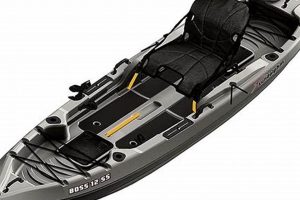
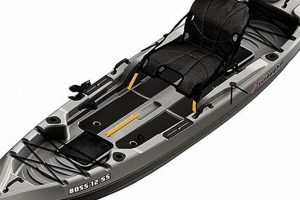
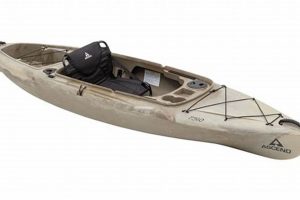
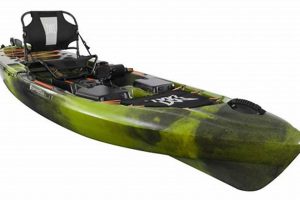
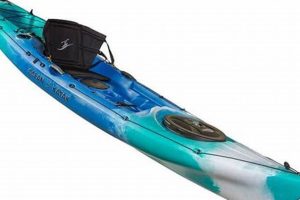
Compact, enclosed kayaks designed for single occupants offer a unique blend of stability and maneuverability. These vessels, typically shorter in length and narrower in beam than recreational kayaks, are well-suited for calm waters such as lakes, ponds, and slow-moving rivers. Their enclosed design provides a dry and secure cockpit, often preferred by beginners or those seeking extra protection from the elements.
The advantages of these smaller, enclosed watercraft include easier storage and transport due to their compact size. Their design often emphasizes stability, making them a popular choice for novice paddlers or individuals prioritizing a secure and comfortable paddling experience. Historically, similar enclosed designs have been utilized in various cultures for fishing and transportation, demonstrating a long-standing appreciation for their practicality and versatility. This enduring appeal continues today, particularly for recreational paddling and exploring tranquil waterways.
Further exploration of this topic will cover key aspects such as selecting the appropriate vessel for individual needs, essential safety considerations, and techniques for efficient paddling and maneuvering. Subsequent sections will also delve into the various materials used in construction, highlighting the trade-offs between durability, weight, and performance.
Tips for Compact Kayak Paddling
Safe and enjoyable experiences on the water require careful planning and adherence to best practices. The following tips provide guidance for selecting and utilizing compact, enclosed kayaks.
Tip 1: Consider Water Conditions: Calm, protected waters such as lakes, ponds, and slow-moving rivers are ideal environments. Open water or areas with strong currents or winds should be avoided.
Tip 2: Prioritize Proper Fit: Cockpit dimensions significantly impact comfort and control. Ensure adequate legroom and a comfortable seating position prior to purchase.
Tip 3: Dress Appropriately: Water temperatures, even in calm conditions, can be unpredictable. Dressing in layers and utilizing appropriate waterproof gear enhances comfort and safety.
Tip 4: Invest in Essential Safety Equipment: A personal flotation device (PFD) is paramount. A signaling whistle, bilge pump, and paddle float are also recommended safety additions.
Tip 5: Practice Basic Paddling Techniques: Mastering fundamental strokes enhances efficiency and control, minimizing fatigue and maximizing enjoyment.
Tip 6: Understand Local Regulations: Awareness of local boating regulations, including permit requirements and restricted areas, ensures a responsible and legal paddling experience.
Tip 7: Check Weather Forecasts: Unexpected weather changes can create hazardous conditions. Consulting reliable forecasts prior to embarking is crucial for safety.
Tip 8: Inform Someone of Your Plans: Sharing paddling plans, including intended route and estimated return time, provides an additional layer of safety.
Adhering to these guidelines promotes safe and enjoyable paddling excursions. Proper preparation and responsible practices contribute significantly to positive experiences on the water.
By understanding the nuances of these smaller vessels and implementing appropriate safety measures, paddlers can confidently explore and appreciate the unique pleasures of this rewarding activity.
1. Compact Size

Compactness is a defining characteristic of small sit-in kayaks, significantly influencing their suitability for various applications and user preferences. This characteristic affects transportability, storage, and maneuverability, making it a crucial factor in the selection process. Understanding the implications of a smaller form factor is essential for maximizing the benefits and addressing potential limitations.
- Transportation and Storage
Reduced length and width simplify transportation on vehicle roof racks or within truck beds. Storage in garages, sheds, or even apartments becomes more manageable due to the kayak’s smaller footprint. This ease of transport and storage expands accessibility for individuals with limited space or those seeking spontaneous paddling opportunities.
- Maneuverability
Shorter hulls typically offer enhanced maneuverability, particularly in confined waterways such as narrow creeks or rivers with tight bends. A smaller turning radius allows for quicker adjustments and more precise navigation in challenging environments. This characteristic makes compact kayaks well-suited for exploring intricate waterways and navigating obstacles.
- Water Conditions
While maneuverable, compact kayaks are generally best suited for calm water conditions. Their smaller size makes them more susceptible to wind and wave impact compared to larger kayaks. Therefore, lakes, ponds, and slow-moving rivers are ideal environments for these vessels.
- Capacity and Comfort
Compact dimensions inherently limit storage capacity and physical space within the cockpit. This can restrict the amount of gear carried and may present comfort challenges for larger paddlers. Careful consideration of individual needs and physical stature is essential when selecting a compact kayak to ensure adequate space and comfort.
The compact size of these kayaks presents a trade-off between portability and capacity. While their smaller footprint simplifies transport and storage, it also necessitates careful consideration of intended use and individual needs. Understanding these factors allows for informed decisions regarding kayak selection and ensures a positive paddling experience.
2. Enhanced Stability

Enhanced stability is a frequently cited advantage of small sit-in kayaks, particularly for beginners. Several design elements contribute to this characteristic. A wider hull, relative to the kayak’s length, creates a larger base of support, increasing primary stabilityresistance to initial tipping. A lower center of gravity, often achieved through hull design and seating position, further enhances stability. These features provide a reassuringly stable platform, reducing anxiety for novice paddlers and allowing for greater confidence in developing fundamental skills.
The perception of enhanced stability can, however, be nuanced. While primary stability is generally higher in these kayaks, secondary stabilitythe ability to remain upright when leanedcan be lower compared to longer, narrower designs. This is because the wider hull reaches its tipping point more abruptly. Understanding this distinction is crucial for paddlers transitioning to different kayak types. For instance, a paddler accustomed to the initial stability of a small, wide kayak might find a longer, narrower touring kayak initially less stable, even though it might offer superior secondary stability for leaning into turns.
The practical significance of understanding stability characteristics is paramount for safe and enjoyable paddling. Choosing a kayak with appropriate stability for intended use and skill level is crucial. Beginners benefit from the initial stability offered by wider hulls, allowing them to focus on basic paddling techniques without excessive concern for capsizing. As skills develop, paddlers might explore kayaks with different stability profiles to suit evolving needs and paddling styles. Awareness of these nuances allows for informed decisions regarding kayak selection and promotes a safer and more rewarding paddling experience.
3. Confined Cockpit

The confined cockpit of a small sit-in kayak is a defining feature, directly influencing its performance characteristics and suitability for various paddling environments and user preferences. This design element creates a closer interface between the paddler and the boat, impacting stability, control, and protection from the elements. Understanding the implications of a confined cockpit is crucial for informed kayak selection and optimal paddling technique.
A snug-fitting cockpit contributes to the kayak’s overall stability by lowering the center of gravity and limiting upper body movement. This secure connection between paddler and boat enhances control, particularly in challenging conditions. The enclosed design offers protection from splashes, wind, and cooler water temperatures, extending the paddling season and enhancing comfort in varied climates. However, a confined cockpit can also present challenges for individuals with larger frames or limited mobility. Entry and exit can be more difficult, and prolonged paddling in a restricted space may cause discomfort. For example, individuals with larger hips or legs might find entry and exit challenging and may experience discomfort during longer paddling sessions. Conversely, a paddler seeking a performance-oriented experience in rougher waters might value the secure and connected feel of a confined cockpit. The practical implications of cockpit dimensions necessitate careful consideration of individual physical characteristics and intended paddling activities.
The connection between a confined cockpit and a small sit-in kayak extends beyond mere physical dimensions. It represents a design choice that prioritizes stability, control, and protection from the elements. This design choice offers advantages in specific paddling contexts but also presents limitations that must be carefully considered. The practical significance of understanding these factors lies in the ability to select a kayak that aligns with individual needs and paddling goals, ensuring both comfort and safety on the water. Balancing the benefits of a confined cockpit with potential limitations is essential for a positive and rewarding paddling experience.
4. Calm Water Use

The suitability of small sit-in kayaks for calm water environments stems from their design characteristics. Shorter hulls and narrower beams, while enhancing maneuverability in confined spaces, reduce their inherent tracking ability and make them more susceptible to wind and wave impact. In contrast to longer, sea-worthy kayaks designed to handle rougher conditions, these smaller vessels perform optimally in sheltered locations. Lakes, ponds, slow-moving rivers, and protected coastal areas offer ideal conditions. Attempting to navigate open water or areas with strong currents or significant wave action can lead to instability and difficulty maintaining course, potentially creating hazardous situations. For instance, a small sit-in kayak navigating a choppy lake could experience significant rocking and difficulty maintaining direction, whereas a longer sea kayak would handle these conditions more effectively. This illustrates the direct relationship between hull design and suitable paddling environments.
The practical implications of this connection are significant for paddler safety and enjoyment. Choosing appropriate paddling locations based on kayak design and prevailing conditions is crucial for a positive experience. Prioritizing calm water environments allows paddlers to fully appreciate the maneuverability and stability advantages of small sit-in kayaks. Furthermore, matching paddling location to kayak design minimizes the risk of encountering conditions that exceed the vessel’s capabilities. For example, exploring tranquil marshes or meandering through sheltered coves in a small sit-in kayak provides an optimal experience, highlighting the vessel’s strengths in maneuverability and stability. Conversely, attempting to navigate open ocean conditions in the same kayak would be unsafe and impractical. Recognizing these limitations empowers informed decision-making and fosters responsible paddling practices.
Understanding the inherent connection between small sit-in kayaks and calm water usage is fundamental for safe and enjoyable paddling. Kayak selection should align with intended paddling environments, prioritizing conditions that match the vessel’s design characteristics. This careful consideration not only enhances the paddling experience but also mitigates potential risks associated with navigating challenging waters in a kayak designed for calmer conditions. Recognizing these limitations and adhering to appropriate usage guidelines underscores a commitment to responsible paddling practices and promotes safety on the water.
5. Beginner-friendly

The “beginner-friendly” association with small sit-in kayaks arises from a confluence of design features that promote stability, ease of use, and a sense of security. The inherent stability offered by wider hulls and lower centers of gravity reduces the likelihood of capsizing, a significant concern for novice paddlers. This stability fosters confidence, allowing beginners to focus on developing fundamental paddling techniques rather than constantly battling to maintain balance. Compact dimensions contribute to maneuverability, simplifying navigation and control in calm water environments. The enclosed cockpit provides a sense of security, minimizing anxiety associated with open-water paddling. This combination of stability, control, and security creates a supportive environment for skill development, making these kayaks an ideal platform for novice paddlers. For example, a beginner attempting their first paddle strokes in a small, stable kayak on a calm lake is likely to experience greater success and enjoyment compared to attempting the same in a less stable or more challenging environment. This positive initial experience fosters continued interest and skill progression.
The practical significance of this “beginner-friendly” characteristic extends beyond initial learning experiences. The enhanced stability and maneuverability offered by these kayaks translate to increased accessibility for individuals with varying physical abilities or those returning to paddling after a hiatus. The reduced physical demands associated with paddling a smaller, more stable vessel open up paddling opportunities for a wider range of individuals. For example, individuals recovering from injuries or those with limited upper body strength might find these kayaks easier to manage compared to larger, less stable designs. This enhanced accessibility broadens participation in paddling activities, fostering inclusivity and promoting the health benefits associated with outdoor recreation.
The connection between “beginner-friendly” and small sit-in kayaks is not merely a marketing tactic but a reflection of design choices that prioritize stability, ease of use, and a positive paddling experience. This emphasis on accessibility broadens participation in the sport, fostering a welcoming environment for newcomers. While these kayaks offer an excellent entry point into paddling, it is crucial to acknowledge their limitations. Their design prioritizes stability over speed and performance, making them less suitable for experienced paddlers seeking challenging conditions or longer expeditions. Recognizing these limitations ensures appropriate kayak selection based on individual skill level and paddling goals. Ultimately, the “beginner-friendly” nature of these kayaks serves as a valuable gateway to the rewarding world of paddling, fostering confidence and encouraging continued exploration of waterways.
6. Easy Transportation

The ease of transportation associated with small sit-in kayaks is a significant advantage, expanding accessibility and enabling spontaneous paddling excursions. This characteristic stems primarily from their compact dimensions and manageable weight, differentiating them from larger, heavier kayaks that often require specialized transport equipment and significant physical exertion. Understanding the factors contributing to their portability is crucial for appreciating their appeal and practical benefits.
- Reduced Dimensions
Shorter lengths and narrower beams simplify loading and unloading, requiring less space on vehicle roof racks or within truck beds. This compact size eliminates the need for trailers or oversized vehicles, expanding transport options and reducing associated costs. For example, a compact kayak can often be secured to a standard car roof rack with readily available tie-down straps, whereas a longer sea kayak might necessitate specialized cradles and more complex securing methods.
- Manageable Weight
Lighter construction materials and smaller overall size contribute to a lower overall weight, making these kayaks easier to lift, carry, and maneuver. This reduces the physical strain associated with loading, unloading, and portaging, making them accessible to individuals with varying physical capabilities. For example, a lightweight, compact kayak can often be carried by a single individual, whereas a heavier tandem kayak might require two or more people.
- Simplified Storage
Compact dimensions translate to easier storage in garages, sheds, or even apartments. This reduced storage footprint eliminates the need for dedicated storage spaces or complex storage solutions, increasing convenience and practicality. For example, a compact kayak can be stored vertically or horizontally in a relatively small space, whereas a larger kayak might require a dedicated rack or hoist system.
- Increased Spontaneity
The ease of transportation facilitates spontaneous paddling trips. The ability to quickly load and unload a kayak expands opportunities for impromptu excursions, allowing paddlers to readily respond to favorable weather conditions or seize unexpected paddling opportunities. For example, a compact kayak stored in a vehicle can be readily deployed at a moment’s notice, enabling paddlers to take advantage of a beautiful afternoon or explore a newly discovered waterway.
The ease of transportation associated with small sit-in kayaks significantly enhances their practicality and appeal. This characteristic, driven by reduced dimensions and manageable weight, expands accessibility and encourages spontaneous exploration of waterways. By simplifying transport and storage, these kayaks offer a convenient and accessible entry point into the world of paddling, making them an attractive option for both novice and experienced paddlers seeking efficient and hassle-free access to the water.
Frequently Asked Questions
Addressing common inquiries regarding compact, single-occupant kayaks provides clarity for informed decision-making and safe paddling practices. The following questions and answers offer essential insights into key aspects of these vessels.
Question 1: What differentiates a compact kayak from a recreational kayak?
Compact kayaks prioritize portability and stability, often featuring shorter lengths and wider beams than recreational kayaks. This design favors maneuverability in calm waters and easier transport and storage. Recreational kayaks, while still manageable, generally offer greater speed and storage capacity, making them suitable for longer trips and varied water conditions.
Question 2: Are these kayaks suitable for ocean use?
Compact kayaks are generally not recommended for open ocean paddling. Their smaller size and design prioritize stability in calm waters, making them susceptible to strong currents, winds, and waves. Ocean kayaking requires specialized vessels designed for challenging conditions.
Question 3: What weight capacity should be considered?
Weight capacity varies depending on the specific kayak model. It’s crucial to consult manufacturer specifications and adhere to recommended limits. Exceeding weight capacity compromises stability and performance, potentially leading to unsafe conditions.
Question 4: What essential safety equipment is recommended?
A properly fitted personal flotation device (PFD) is paramount. A signaling whistle, bilge pump, and paddle float enhance safety, and carrying a waterproof communication device is highly recommended for emergencies.
Question 5: How does one choose the correct paddle length?
Paddle length depends on factors such as paddler height, kayak width, and paddling style. Consulting paddle sizing charts or seeking expert advice ensures proper fit and efficient paddling technique.
Question 6: What maintenance is required for these kayaks?
Regular rinsing with fresh water after each use prevents salt and dirt buildup. Storing the kayak out of direct sunlight prolongs its lifespan. Periodic inspection for damage and appropriate repairs ensure continued safe and reliable performance.
Understanding these key aspects of compact kayaks empowers informed choices regarding selection, usage, and safety practices. Careful consideration of these factors contributes to a positive and rewarding paddling experience.
The next section will delve into specific kayak models and brands, providing detailed comparisons to aid in the selection process.
Conclusion
Compact, enclosed kayaks for single occupants offer distinct advantages in specific paddling contexts. Maneuverability in calm waters, combined with ease of transport and storage, makes them attractive options for beginners and those seeking tranquil paddling experiences. Understanding limitations regarding capacity, open-water suitability, and individual fit is crucial for informed selection. Prioritizing safety through appropriate equipment and responsible paddling practices ensures a rewarding experience.
Careful consideration of individual needs, paddling environment, and vessel characteristics empowers informed decisions and fosters appreciation for the unique benefits offered by these specialized kayaks. Continued exploration of paddling opportunities and responsible engagement with waterways promotes enjoyment and preservation of these valuable natural resources.