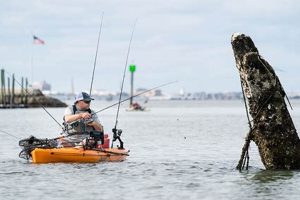
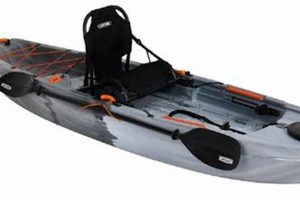
Illumination designed for angling from small, human-powered vessels serves a crucial function in enhancing visibility and safety during low-light conditions. These specialized systems can include mounted spotlights for navigating and locating fish, as well as smaller, submersible lights to attract aquatic life. An example would be LED strips lining the gunwales of a kayak to improve visibility to other boaters.
Enhanced visibility contributes significantly to angler safety, allowing for navigation in darkness and signaling one’s presence to other vessels. Furthermore, specific light colors and configurations can attract baitfish and game fish, increasing fishing success. Historically, anglers relied on less effective and often dangerous methods like lanterns or gas-powered lights. The advent of energy-efficient and durable LED technology has revolutionized nighttime fishing from kayaks, extending fishing opportunities and enhancing safety protocols.
This discussion will further explore the various types of illumination systems available, factors to consider when selecting appropriate equipment, and best practices for safe and effective usage on the water.
Tips for Effective Kayak Lighting
Proper illumination is crucial for safe and successful kayak angling excursions in low-light conditions. These tips offer guidance on maximizing visibility, enhancing fishing success, and prioritizing safety.
Tip 1: Consider Navigation Lights: Navigation lights are essential for visibility to other boaters. A white light visible from 360 degrees is mandatory in many jurisdictions.
Tip 2: Choose Appropriate Lighting Colors: Different light colors attract different fish species. Green lights are often favored for attracting baitfish, while other colors can be experimented with based on target species.
Tip 3: Opt for Waterproof and Durable Fixtures: Submersible lights and waterproof fixtures are vital for withstanding the marine environment. Look for durable materials and reliable seals.
Tip 4: Utilize Different Light Types Strategically: Combine spotlights for navigation with underwater lights for attracting fish. Red lights preserve night vision while still providing illumination.
Tip 5: Prioritize Battery Life and Power Sources: Rechargeable batteries are recommended for long outings. Ensure sufficient power capacity for the duration of the fishing trip.
Tip 6: Securely Mount All Lighting Fixtures: Ensure all lights are securely mounted to prevent dislodging during movement or rough water conditions. Utilize appropriate mounts and adhesives.
Tip 7: Check Regulations and Respect Local Laws: Familiarize oneself with local regulations regarding lighting on vessels and adhere to these guidelines.
Implementing these strategies will enhance both safety and fishing success during low-light kayak fishing trips. Proper lighting choices allow anglers to navigate confidently, increase visibility, and optimize the chances of a successful catch.
By understanding the nuances of appropriate lighting selection and usage, anglers can fully enjoy the unique experience of nighttime kayak fishing.
1. Safety

Safety is intrinsically linked to the effective use of illumination in kayak fishing. Reduced visibility during low-light conditions presents significant risks, including collisions with other vessels or submerged objects, disorientation, and difficulty in signaling for assistance. Appropriate lighting mitigates these risks. Navigation lights, for instance, ensure visibility to other boaters, reducing the likelihood of collisions. A kayak angler fishing at dusk without proper lighting is far more likely to be involved in an accident than one with a 360-degree white light and other appropriate illumination. Furthermore, strategically placed lights on the kayak itself enhance visibility and improve onboard safety, aiding in tasks such as equipment handling and line management.
The impact of proper lighting extends beyond collision avoidance. In emergency situations, lights can be crucial for signaling for help. A bright spotlight can attract attention over long distances, while a flashing light can indicate distress. Consider a scenario where an angler experiences equipment failure or capsizes in darkness. Without adequate lighting, locating and assisting the angler becomes significantly more challenging, potentially delaying rescue efforts and increasing the risk of serious harm. Therefore, the strategic use of lighting contributes directly to a safer environment for kayak anglers.
In summary, effective illumination is paramount for safe kayak fishing in low-light conditions. From preventing collisions to facilitating rescue operations, appropriate lighting choices significantly enhance angler safety. Understanding the vital role of lighting empowers anglers to make informed decisions, prioritize safety protocols, and minimize risks associated with nighttime fishing excursions.
Navigation in kayak fishing, particularly during low-light conditions, relies heavily on effective illumination. Without adequate lighting, navigating waterways becomes hazardous, increasing the risk of disorientation, collisions, and grounding. Specialized lighting systems designed for kayaks address these challenges, enhancing safety and enabling effective navigation.
- Visibility Enhancement
Illumination systems significantly improve visibility, allowing anglers to perceive potential hazards like rocks, logs, or shallow areas. A powerful spotlight, for example, can illuminate the water ahead, revealing obstacles and aiding in route planning. This enhanced visibility is particularly crucial in unfamiliar waters or during nighttime navigation where natural light is absent.
- Position Awareness
Navigation lights, particularly those visible from all directions, communicate an angler’s position to other vessels. This is crucial for avoiding collisions, especially in high-traffic areas or during periods of restricted visibility. A 360-degree white light, mandated by many regulations, ensures that other boaters can easily identify and avoid kayaks.
- Chart Plotting and Course Correction
While illuminated electronic charts are becoming increasingly common, even basic navigation with a compass requires sufficient light to read bearings and make necessary course corrections. Kayak-specific lighting solutions provide the necessary illumination for these tasks, ensuring accurate navigation and preventing deviations from the intended route.
- Safe Return to Shore
After a fishing excursion, particularly in darkness, navigating back to shore can be challenging. Kayak lighting systems provide a crucial guide, illuminating the shoreline and aiding in identifying landmarks. This facilitates a safe and efficient return, reducing the risk of disorientation or grounding in shallow water.
These facets of navigation underscore the critical role of effective lighting in kayak fishing. By enhancing visibility, promoting positional awareness, and facilitating accurate course plotting, specialized lighting systems contribute significantly to navigational safety and efficiency during low-light excursions. The integration of these systems enables anglers to navigate confidently, minimize risks, and focus on the fishing experience.
3. Fish Attraction

The strategic use of illumination plays a crucial role in attracting fish, a key element in successful kayak fishing. Understanding the interplay of light and fish behavior allows anglers to maximize their catch potential. Specific light colors and deployment techniques can create an attractive environment for baitfish and game fish, increasing the likelihood of successful angling.
- Color Spectrum and Fish Behavior
Different fish species exhibit varying sensitivities and attractions to different wavelengths of light. Green light, for example, is known to attract baitfish, which in turn can attract larger predatory fish. Blue light can be effective in deeper waters, while red light is often used to preserve night vision while still providing some illumination. Understanding these nuances allows anglers to select the appropriate light color to target specific species.
- Submersible Lights and Baitfish Aggregation
Submersible lights, deployed beneath the water’s surface, can create a focal point for baitfish and plankton. This concentration of food sources then attracts larger game fish, creating a localized feeding zone. Anglers strategically position themselves near these illuminated areas to increase their chances of a successful catch. For instance, placing a green submersible light near a structure known to hold fish can significantly improve fishing outcomes.
- Light Intensity and Duration
The intensity and duration of light exposure can influence fish behavior. Excessive brightness can deter some species, while subtle, diffused light can be more effective in attracting fish. Similarly, prolonged exposure to light can lead to habituation, reducing its effectiveness over time. Anglers often experiment with different light intensities and durations to determine the optimal configuration for their target species and environment.
- Combining Light with Other Attractants
The effectiveness of light-based fish attraction can be further enhanced by combining it with other attractants like chum or scented lures. The light attracts fish to a specific area, while the other attractants stimulate feeding behavior. This synergistic approach maximizes the chances of attracting and hooking fish. An example would be using a green submersible light in conjunction with a chum slick to create a highly attractive feeding zone.
By understanding the principles of light-based fish attraction, kayak anglers can significantly improve their fishing success. Strategic light deployment, color selection, and integration with other attractants contribute to creating a more productive fishing environment. This knowledge empowers anglers to adapt their techniques, target specific species, and enhance their overall fishing experience.
4. Types and Features
The effectiveness of kayak fishing lights hinges on selecting the appropriate type and features for specific needs and conditions. Various lighting solutions cater to different fishing styles and environments, ranging from compact, portable lights to powerful, specialized systems. Understanding the diverse options available empowers anglers to make informed decisions, optimizing both safety and fishing success.
- Spotlights/Searchlights
Spotlights offer focused, high-intensity beams ideal for navigating in darkness, locating specific targets, and signaling. A powerful spotlight can illuminate a distant shoreline or pinpoint a navigation buoy, enhancing safety and situational awareness. These lights are often adjustable, allowing anglers to control the beam width and direction. Higher-end models may offer features like dimming and strobe functions for added versatility.
- Navigation Lights
Navigation lights are essential for safe boating in low-light conditions. These lights adhere to specific regulations, ensuring visibility to other vessels and preventing collisions. A 360-degree white light is a common requirement, signaling a kayak’s presence to approaching boats. Some navigation lights also include red and green sidelights to indicate port and starboard sides, further enhancing visibility and preventing confusion in the dark.
- Submersible Lights
Submersible lights attract fish by creating an illuminated focal point beneath the water’s surface. These lights can be strategically placed to attract baitfish and subsequently larger game fish. Different colors, such as green or blue, can be used to target specific species. Key features to consider include waterproof construction, durability, and varying light intensities. Some models offer remote control functionality for adjusting color and brightness from the kayak.
- Strip Lights/Deck Lights
Strip lights and deck lights provide ambient illumination, enhancing visibility on the kayak itself. These lights aid in tasks such as rigging tackle, changing lures, and handling equipment in low-light conditions. They also improve onboard safety by illuminating the deck and preventing trips and falls. LED strip lights are particularly popular due to their low power consumption, long lifespan, and flexibility, allowing them to conform to the contours of the kayak.
The selection of kayak fishing lights depends on individual needs and preferences. Anglers should consider factors such as target species, fishing environment, and desired level of visibility when choosing between spotlights, navigation lights, submersible lights, and strip lights. By understanding the distinct functions and features of each type, anglers can tailor their lighting setup for optimal performance and safety on the water. The combination of different light types often provides the most comprehensive and effective illumination solution for kayak fishing.
5. Power Sources

Reliable power sources are essential for effective operation of kayak fishing lights. The choice of power source directly impacts the duration, intensity, and reliability of illumination, influencing both safety and fishing success. Understanding the various options, their advantages, and limitations allows anglers to select the most suitable power solution for their specific needs.
- Battery Types
Various battery chemistries, including lithium-ion, sealed lead-acid, and nickel-metal hydride, offer distinct performance characteristics. Lithium-ion batteries generally provide higher energy density and longer lifespans, making them ideal for extended fishing trips. Sealed lead-acid batteries offer a more economical option but are heavier and have shorter lifespans. Nickel-metal hydride batteries fall between the two in terms of performance and cost. Selecting the appropriate battery type requires considering factors such as weight, runtime requirements, and budget.
- Battery Capacity and Runtime
Battery capacity, measured in ampere-hours (Ah), determines the total amount of energy stored and directly influences runtime. Higher capacity batteries provide longer illumination periods but are typically heavier and more expensive. Anglers should carefully assess their power needs based on the duration of their fishing trips and the power consumption of their lighting systems. For example, a high-capacity lithium-ion battery is essential for powering multiple high-intensity lights during an overnight fishing excursion.
- Charging Methods and Accessibility
Different charging methods, such as AC adapters, solar panels, and 12V chargers, offer varying degrees of convenience and accessibility. AC adapters provide rapid charging but require access to mains power. Solar panels offer a sustainable and portable charging solution, particularly for multi-day trips. 12V chargers are compatible with vehicle power outlets and offer a convenient charging option during transport. The choice of charging method depends on individual circumstances and access to power sources.
- Power Management and Conservation
Effective power management strategies are essential for maximizing battery life and ensuring uninterrupted illumination throughout a fishing trip. Utilizing dimming features, strategically switching lights on and off, and opting for energy-efficient LED lights contribute to power conservation. Monitoring battery levels and having backup power sources, such as a portable power bank, provides redundancy and prevents unexpected power outages, particularly in emergency situations.
The choice of power source is a critical consideration for kayak fishing lights. Battery type, capacity, charging methods, and power management practices collectively influence the reliability and effectiveness of illumination systems. By understanding these factors, anglers can optimize their power setup, ensuring sufficient illumination for safe navigation, fish attraction, and overall enjoyment of the kayak fishing experience.
6. Regulations
Regulations governing kayak fishing lights are essential for ensuring safety and responsible use of waterways. These regulations vary by jurisdiction and are designed to prevent collisions, protect the environment, and maintain order on the water. Understanding and adhering to these regulations is crucial for all kayak anglers.
- Navigation Light Requirements
Regulations typically mandate specific navigation lights for kayaks operating during periods of limited visibility. A 360-degree white light, visible from all directions, is a common requirement, enabling other vessels to identify and avoid kayaks in darkness or fog. Some jurisdictions may also require red and green sidelights to indicate port and starboard sides. Failure to comply with these regulations can result in fines and increase the risk of collisions. For example, a kayak without the required white light navigating at night poses a significant collision hazard to other boats.
- Restrictions on Light Colors and Intensity
Some regulations restrict the use of specific light colors or intensities to minimize environmental impact and prevent disturbance to wildlife. For example, excessive blue light can disorient certain marine species. Regulations may also limit the intensity of lights used for fish attraction to prevent overfishing or disruption of natural ecosystems. Understanding these restrictions ensures responsible fishing practices and helps preserve the aquatic environment.
- Permitting and Licensing Requirements
Certain jurisdictions may require permits or licenses for night fishing or the use of specific lighting equipment. These requirements often aim to control fishing pressure, monitor resource usage, and ensure compliance with safety regulations. Anglers should research and obtain any necessary permits or licenses before engaging in night fishing activities. Failure to do so can lead to penalties and jeopardize legal fishing privileges.
- Enforcement and Penalties
Regulatory bodies, such as coast guards or local law enforcement agencies, enforce navigation and lighting regulations. Non-compliance can lead to penalties, ranging from warnings to fines or even confiscation of equipment. Regular inspections and patrols ensure adherence to these regulations, promoting safe boating practices and protecting the interests of all waterway users. Understanding the potential consequences of non-compliance reinforces the importance of adhering to regulations.
Adherence to regulations pertaining to kayak fishing lights is paramount for both safety and responsible use of waterways. By understanding and complying with these regulations, anglers contribute to a safer boating environment, minimize environmental impact, and ensure the sustainability of kayak fishing. Ignoring these regulations not only jeopardizes individual safety but also undermines the integrity of the sport and the health of aquatic ecosystems. Therefore, responsible kayak anglers prioritize compliance with all applicable regulations.
7. Mounting and Positioning

Strategic mounting and positioning of kayak fishing lights significantly influence their effectiveness. Optimal placement maximizes visibility, enhances fish attraction, and improves overall safety. Incorrect mounting can lead to reduced illumination, glare, and potential interference with other onboard equipment. Consider a spotlight mounted too low, obstructing the angler’s view, or a navigation light obscured by gear, diminishing its visibility to other boats. These seemingly minor details can have significant consequences, affecting both safety and fishing success. Understanding the principles of effective mounting and positioning is therefore crucial.
Several factors dictate optimal placement. Navigation lights, crucial for visibility, require unobstructed 360-degree visibility. Mounting these lights on elevated platforms or dedicated poles ensures they are not obscured by gear or the angler’s body. Submersible lights, used for attracting fish, require careful placement near the target fishing area, often suspended below the kayak or attached to nearby structure. Spotlights benefit from flexible mounting solutions, allowing anglers to adjust the beam direction as needed. Furthermore, cable management is a crucial aspect of mounting, preventing entanglement and ensuring safe and efficient operation. Properly secured cables minimize the risk of tripping hazards and protect against damage from water exposure and wear. For instance, routing cables along the kayak’s gunwales and securing them with clips prevents tangling with fishing lines or other equipment. These practical considerations, while often overlooked, contribute significantly to a safe and productive fishing experience.
Effective mounting and positioning optimize the functionality of kayak fishing lights. Careful consideration of light type, intended purpose, and surrounding environment ensures maximum effectiveness and safety. Addressing potential challenges like cable management and obstruction avoidance contributes to a streamlined and efficient setup, allowing anglers to focus on the task at hand. This attention to detail, while seemingly minor, distinguishes a well-equipped kayak from one plagued by avoidable complications. Ultimately, the strategic approach to mounting and positioning enhances not only fishing success but also the overall safety and enjoyment of the experience.
Frequently Asked Questions
This section addresses common inquiries regarding illumination systems for kayak fishing, offering concise and informative responses to clarify potential uncertainties.
Question 1: Are kayak fishing lights required by law?
Regulations vary by jurisdiction. While not always mandatory, navigation lights are strongly recommended for safety, particularly during low-light conditions. Consult local regulations to ensure compliance.
Question 2: What light colors are most effective for attracting fish?
Green light is generally effective for attracting baitfish, which can attract larger predators. Experimentation with different colors, including blue and red, can yield species-specific results. Light color effectiveness can depend on water clarity and target species.
Question 3: How long do kayak fishing light batteries typically last?
Battery life depends on battery type, capacity, and light usage. High-capacity lithium-ion batteries generally offer the longest runtimes, potentially lasting several hours on a single charge. Always carry backup power sources for extended trips.
Question 4: What are the key features to consider when choosing kayak fishing lights?
Important features include waterproof construction, durability, brightness, battery life, mounting options, and ease of use. Consider the specific fishing environment and target species when selecting features.
Question 5: Can kayak fishing lights interfere with fish behavior?
Excessive or improperly used lighting can deter some fish species. Strategic use of appropriate colors and intensities, combined with other attractants, typically enhances fishing success rather than hindering it.
Question 6: Are there any safety precautions to consider when using kayak fishing lights?
Ensure all lights are securely mounted and waterproof. Avoid shining bright lights directly at other boaters. Carry backup batteries and familiarize oneself with local regulations regarding light usage. Prioritize safe cable management to prevent tripping hazards.
Understanding these common inquiries ensures informed decisions regarding kayak fishing lights, enhancing both safety and fishing success.
For further information on specific products and techniques, consult reputable retailers specializing in kayak fishing equipment.
Kayak Fishing Lights
Effective illumination systems are integral to safe and successful kayak angling in low-light environments. From enhancing visibility and navigation to attracting fish, these specialized lighting solutions offer significant advantages. Careful consideration of factors like light type, power source, mounting location, and regulatory compliance ensures optimal performance and responsible usage. Navigational safety improves significantly with appropriate lighting, minimizing collision risks and aiding in positional awareness. Furthermore, strategic light deployment can create attractive fishing zones, increasing the likelihood of a successful catch. Selection, installation, and operation of these systems should prioritize safety, legality, and environmental responsibility.
As technology advances, continued refinement of kayak fishing lights promises further enhancements in both functionality and efficiency. Anglers stand to benefit from improved battery life, brighter and more versatile lighting options, and integrated smart features. Ultimately, the responsible and informed application of these technologies contributes not only to individual fishing success but also to the preservation of aquatic ecosystems and the overall safety of the kayaking community.