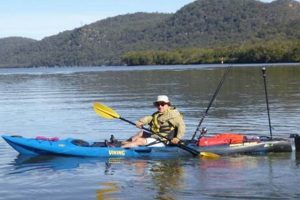
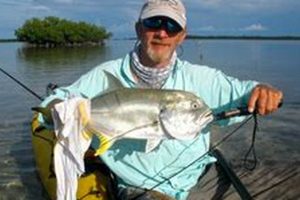
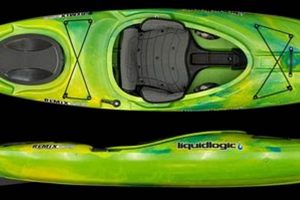
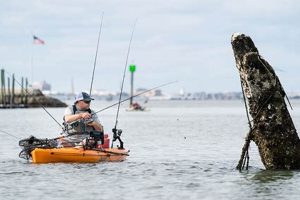
Paddling through calm, shallow waters while casting a line describes the essence of this popular South Florida activity. Imagine navigating Biscayne Bay’s tranquil waters or exploring the vibrant ecosystem of the Everglades National Park, all from the unique vantage point of a small, maneuverable vessel. This approach provides access to areas unreachable by larger boats, offering anglers a chance to connect with nature and pursue a diverse range of fish species.
This activity offers numerous advantages, including affordability, accessibility, and a low environmental impact. It allows for a personalized fishing experience, fostering a deeper connection with the marine environment. Historically, small boats have been used for fishing in the region for centuries, highlighting the practicality and enduring appeal of this method. The modern iteration, utilizing specialized kayaks and equipment, builds on this tradition while embracing contemporary technology and conservation principles.
Further exploration will delve into specific techniques, recommended locations, necessary equipment, and relevant regulations for engaging in this activity responsibly and successfully within the Miami area. Additional topics will cover popular target species, conservation efforts, and the growing community surrounding this pastime.
Tips for Kayak Fishing in Miami
Successful outings require preparation and awareness. The following tips offer guidance for a safe and productive experience on the water.
Tip 1: Check Weather Conditions: Before embarking, consult marine weather forecasts. Wind speed, wave height, and tidal currents significantly impact navigation and safety. Postponing trips during inclement weather is advised.
Tip 2: Plan a Route: Mapping a route in advance aids navigation and ensures efficient use of time on the water. Identifying potential fishing spots and noting shallow areas or hazards promotes a smoother experience.
Tip 3: Pack Essential Gear: Adequate safety equipment, including a personal flotation device, a whistle, and a signaling device, is crucial. Essential fishing gear includes rods, reels, tackle, and appropriate bait or lures for target species. A first-aid kit, sunscreen, and hydration should also be included.
Tip 4: Understand Local Regulations: Familiarization with fishing licenses, catch limits, and protected species is paramount. Adhering to these regulations ensures the sustainability of local fisheries.
Tip 5: Practice Kayak Control: Prior experience navigating a kayak, especially in open water, is recommended. Understanding basic paddling techniques, turning maneuvers, and stability considerations enhances safety and enjoyment.
Tip 6: Respect Wildlife: Observing wildlife from a distance minimizes disturbance. Avoiding direct interaction with marine animals and refraining from discarding fishing line or other debris preserves the natural environment.
Tip 7: Inform Someone of Your Plans: Sharing trip details, including launch location, intended route, and expected return time, with a friend or family member enhances safety. This allows for prompt assistance in case of unforeseen circumstances.
Adherence to these guidelines promotes a safe, enjoyable, and environmentally responsible experience. Preparation and awareness contribute significantly to a successful outing.
By considering these tips, anglers can maximize their chances of a rewarding and safe experience on Miami’s waters. The subsequent sections will provide further details on specific locations and techniques to enhance fishing success.
1. Location Selection

Location selection significantly impacts the success and enjoyment of kayak fishing in Miami. The diverse ecosystem offers a range of environments, each presenting unique opportunities and challenges. Careful consideration of factors such as target species, angler experience, and prevailing conditions informs effective location choices. For example, sheltered areas like Biscayne Bay provide calm waters suitable for beginners targeting bonefish or snapper, while experienced anglers seeking tarpon might venture into the more challenging waters of the Everglades National Park.
The interplay between location and target species is crucial. Snook often inhabit mangrove-lined shorelines, requiring anglers to navigate tight spaces and employ specific casting techniques. Offshore reefs, accessible by kayak from various launch points, hold larger pelagic species like kingfish and mahi-mahi, demanding different tackle and boating skills. Understanding these relationships allows anglers to optimize their chances of success. Accessing shallow flats necessitates careful tide monitoring, as these areas become inaccessible during low tide. Conversely, deep channels remain navigable throughout tidal cycles but may require heavier tackle to reach bottom-dwelling species.
Strategic location selection maximizes fishing opportunities while ensuring safety and enjoyment. Matching location choice with target species, angler experience, and environmental conditions forms the foundation of a successful kayak fishing expedition in Miami. Failure to consider these factors can lead to unproductive trips, challenging conditions, or potential safety hazards. Thorough research and pre-trip planning, including consultation with local fishing guides or online resources, significantly enhance the overall experience.
2. Targeted Species

The diverse fish populations inhabiting Miami’s waters offer kayak anglers a wide range of targeted species. This diversity influences tackle choices, fishing techniques, and location selection. Understanding the habits and habitats of these species is crucial for a successful fishing experience. For example, pursuing bonefish on the shallow flats of Biscayne Bay requires different equipment and techniques compared to targeting tarpon in the mangrove creeks of the Everglades. Matching fishing strategies to the specific target species maximizes the chances of a successful catch.
Several popular game fish attract anglers to Miami’s waters. Bonefish, known for their speed and challenging fight, are prized by fly fishermen. Tarpon, a powerful and acrobatic fish, offer a thrilling angling experience. Snook, inhabiting mangrove-lined shorelines and estuaries, present a unique challenge due to their elusive nature. Offshore species like kingfish and mahi-mahi provide opportunities for deep-sea fishing experiences accessible from a kayak. Each species exhibits distinct behavioral patterns and habitat preferences, demanding specific approaches from anglers.
Effective targeting of specific species involves understanding their feeding habits, preferred baits, and seasonal movements. Researching these factors allows anglers to select appropriate tackle, fishing locations, and retrieval techniques. Consideration of tidal influences and water temperature further refines strategies. This knowledge, combined with careful observation of the environment, enhances the probability of a successful catch. Ultimately, the connection between targeted species and kayak fishing in Miami underscores the importance of preparation and knowledge for a rewarding angling experience.
3. Essential Equipment

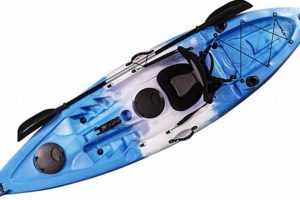
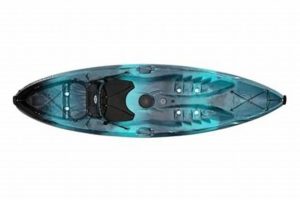
Effective kayak fishing in Miami requires specialized equipment tailored to the environment and target species. The selection of essential gear directly impacts safety, comfort, and fishing success. A stable and maneuverable fishing kayak designed for saltwater conditions forms the foundation. Features like rod holders, storage compartments, and anchor systems enhance functionality. A comfortable and adjustable seat promotes endurance during long hours on the water. A high-quality paddle, appropriately sized for the angler, ensures efficient propulsion and maneuverability.
Beyond the kayak itself, essential fishing gear includes rods, reels, and tackle appropriate for the target species. Light tackle suits smaller fish like bonefish and snapper, while heavier gear is necessary for larger species like tarpon or offshore pelagics. A selection of lures and baits mimicking local prey attracts target fish. Essential safety equipment includes a personal flotation device (PFD), a whistle, and a signaling device. These items are crucial for emergencies and enhance visibility in open water. Additional accessories, such as a fish finder, GPS unit, and dry bag, further enhance the fishing experience and contribute to safety.
Careful selection and proper maintenance of essential equipment are paramount for successful kayak fishing in Miami. Neglecting essential safety gear compromises angler well-being, while inadequate fishing equipment limits success. Regular inspection and maintenance of kayaks, paddles, and fishing gear ensure optimal performance and longevity. Ultimately, understanding the importance of essential equipment and its direct link to fishing success and safety ensures a more rewarding and secure experience on the water.
4. Safety Precautions
Safe practices are paramount in Miami kayak fishing due to the dynamic marine environment and potential hazards. Prioritizing safety ensures an enjoyable and incident-free experience. Understanding and implementing appropriate precautions mitigates risks associated with open water, weather conditions, and marine life interactions.
- Personal Flotation Devices (PFDs)
Wearing a properly fitted PFD is non-negotiable. This essential safety device provides buoyancy in the event of capsizing or accidental immersion, significantly increasing survival chances. Selecting a PFD designed for paddling offers comfort and freedom of movement while fishing. Regular inspection ensures proper functionality.
- Weather Awareness
Checking marine weather forecasts before embarking is crucial. Sudden changes in wind speed, wave height, or lightning storms pose significant threats. Postponing trips during unfavorable conditions demonstrates prudent judgment. Real-time weather monitoring via smartphone applications or VHF radio provides updates while on the water.
- Navigation and Communication
Carrying a chart, compass, or GPS device aids navigation, especially in unfamiliar areas or complex waterways. A charged mobile phone or VHF radio enables communication in emergencies or for assistance. Informing someone ashore of the planned route and estimated return time provides an additional layer of safety.
- Wildlife Awareness
Respecting marine wildlife is essential for both angler safety and ecosystem preservation. Maintaining a safe distance from marine animals, avoiding sudden movements, and refraining from feeding them prevents potential negative interactions. Proper disposal of fishing line and other debris minimizes environmental impact.
Integrating these safety precautions into every kayak fishing trip in Miami ensures a responsible and enjoyable experience. Prioritizing safety enhances angler well-being and fosters a sustainable approach to interacting with the marine environment. Neglecting these precautions increases risks and jeopardizes both personal safety and the delicate balance of the ecosystem.
5. Tidal Influences

Tidal fluctuations exert a profound influence on Miami kayak fishing, impacting access, fish behavior, and overall angling success. Understanding tidal patterns is crucial for planning effective fishing strategies and navigating shallow-water environments. Incoming tides flood flats and creeks, creating access to areas otherwise unreachable by kayak. Conversely, outgoing tides concentrate fish in channels and deeper holes, presenting focused fishing opportunities. Ignoring tidal influences can lead to stranding in shallow areas or missing peak feeding periods.
Tidal currents affect fish behavior and feeding patterns. Strong currents during peak tidal flows stimulate feeding activity as baitfish and crustaceans become dislodged and swept along. Anglers targeting species like snook or tarpon often position themselves near channels or inlets during these periods to intercept prey-seeking fish. Slack tides, the periods between incoming and outgoing flows, offer calmer conditions for sight fishing and targeting species like bonefish on shallow flats. Knowledge of these tidal nuances significantly enhances fishing success.
Practical application of tidal knowledge requires consulting tide charts specific to the Miami area. These resources predict high and low tide times, enabling anglers to plan launch times, fishing locations, and retrieval techniques accordingly. Combining tidal predictions with knowledge of local bathymetry allows for precise navigation and strategic positioning within the chosen fishing grounds. Ultimately, recognizing the integral role of tidal influences in Miami kayak fishing empowers anglers to optimize their experience and maximize their chances of a successful and rewarding outing.
6. Local Regulations
Adherence to local regulations is essential for responsible and sustainable kayak fishing in Miami. These regulations, established by the Florida Fish and Wildlife Conservation Commission (FWC), govern aspects such as licensing requirements, catch limits, size restrictions, and seasonal closures. These rules aim to protect fish populations, maintain ecosystem balance, and ensure equitable access to resources. Ignoring these regulations can result in fines, penalties, and contribute to the depletion of local fisheries. For example, exceeding the bag limit for redfish or catching undersized snook negatively impacts the long-term health of these populations. Understanding and respecting these regulations is fundamental to the ethical practice of kayak fishing.
Specific regulations vary depending on the targeted species and fishing location. Regulations for fishing within Biscayne National Park may differ from those governing the Everglades National Park or surrounding state waters. Anglers must familiarize themselves with the specific rules applicable to their chosen fishing grounds. Resources such as the FWC website, local bait and tackle shops, and fishing guides provide detailed information on current regulations. Staying informed about changes or updates to these rules ensures compliance and avoids unintentional violations. Practical examples include obtaining the appropriate fishing license before embarking on a trip and accurately measuring caught fish to ensure compliance with size restrictions. Carrying a printed copy of the regulations while on the water provides a ready reference.
Compliance with local regulations contributes to the long-term sustainability of Miami’s valuable fisheries. These rules, while sometimes perceived as restrictive, serve a crucial purpose in preserving fish populations and maintaining the ecological integrity of the region’s diverse aquatic ecosystems. Responsible anglers recognize the importance of adhering to these regulations, understanding that their actions directly impact the future of the sport. Continued access to this rewarding recreational activity depends on the collective commitment to responsible fishing practices, including strict adherence to local regulations. Understanding and respecting these rules ensures the enjoyment of kayak fishing in Miami for generations to come.
Frequently Asked Questions
This section addresses common inquiries regarding kayak fishing in Miami, providing concise and informative responses.
Question 1: What are the licensing requirements for kayak fishing in Miami?
A valid Florida saltwater fishing license is generally required. Specific exemptions may apply based on age, residency, or fishing location (e.g., fishing from a licensed pier). Consulting the Florida Fish and Wildlife Conservation Commission (FWC) website provides comprehensive details on licensing requirements and exemptions.
Question 2: What are the most common target species for kayak anglers in Miami?
Common targets include bonefish, tarpon, snook, redfish, snapper, and various offshore pelagic species like kingfish and mahi-mahi. Species availability varies depending on season, location, and prevailing environmental conditions.
Question 3: What safety precautions are essential for kayak fishing in Miami?
Essential precautions include wearing a personal flotation device (PFD), checking marine weather forecasts before embarking, carrying communication devices (e.g., VHF radio, charged mobile phone), informing someone of trip plans, and maintaining awareness of marine wildlife and boating traffic.
Question 4: What are the recommended locations for kayak fishing in Miami?
Recommended locations include Biscayne Bay, the Everglades National Park, and various offshore reefs accessible by kayak. Location choice depends on target species, angler experience, and prevailing weather conditions.
Question 5: What essential equipment is needed for kayak fishing in Miami?
Essential equipment includes a saltwater fishing kayak equipped with rod holders and storage, a paddle, appropriate fishing rods and reels, tackle suited to the target species, safety gear (PFD, whistle, signaling device), and navigation aids (chart, compass, GPS).
Question 6: How do tidal influences affect kayak fishing in Miami?
Tides influence water depth, currents, and fish behavior. Incoming tides provide access to shallow flats and creeks, while outgoing tides concentrate fish in deeper channels. Understanding tidal patterns is crucial for effective fishing strategies and safe navigation.
Careful consideration of these frequently asked questions enhances preparedness and contributes to a safer and more successful kayak fishing experience in Miami. Thorough planning, informed decision-making, and responsible angling practices ensure the enjoyment of this activity while preserving the region’s valuable marine resources.
For further information and detailed resources, exploration of the provided links and additional research are encouraged. This knowledge empowers anglers to engage in this activity responsibly and contribute to the sustainability of Miami’s unique marine ecosystem.
Miami Kayak Fishing
This exploration has highlighted the multifaceted nature of this popular South Florida pursuit. From equipment selection and location considerations to the importance of safety precautions and regulatory compliance, successful engagement requires careful planning and informed decision-making. The interplay between tidal influences, target species, and environmental awareness underscores the dynamic nature of this activity. Effective navigation, appropriate tackle choices, and respect for local ecosystems contribute significantly to a rewarding experience.
The future of this pastime relies on the continued commitment to sustainable practices and responsible angling. Preserving the delicate balance of Miami’s marine environment ensures the longevity of this valuable recreational resource for generations to come. Continued education, adherence to regulations, and a shared commitment to conservation will safeguard the unique opportunities offered by this engaging and rewarding pursuit.