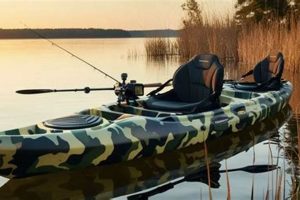
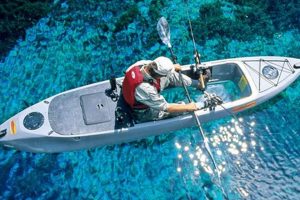
This method of angling involves deploying a fishing line directly from a kayak without the use of a rod and reel. A weighted line, often with multiple baited hooks, is dropped vertically or trailed behind the moving vessel. This technique is frequently employed for bottom-dwelling species.
Its simplicity offers distinct advantages, including affordability, minimal equipment requirements, and a direct connection to the fish. Historically, handlining represents one of the earliest forms of fishing, practiced across cultures for centuries. Its continued relevance today speaks to its effectiveness and adaptability, particularly for anglers seeking a minimalist approach in a kayak setting. It allows for quiet fishing, reducing disturbance to fish in shallow waters.
The following sections will explore various aspects of this technique, encompassing equipment selection, suitable species, effective strategies, and safety considerations.
Tips for Effective Handline Fishing from a Kayak
Optimizing handline fishing success from a kayak requires attention to specific techniques and considerations. The following tips offer guidance for improved catches and a safer experience.
Tip 1: Line Management is Crucial: Tangles and snarls can easily occur. Employing a line winder or spool keeps the line organized and prevents complications during retrieval.
Tip 2: Match the Weight to the Conditions: Sufficient weight ensures the line reaches the desired depth and maintains contact with the bottom. Adjust weight based on current, depth, and target species.
Tip 3: Bait Selection Matters: Researching the preferred forage of target species is critical. Common choices include live bait, cut bait, or artificial lures designed for bottom fishing.
Tip 4: Maintain Kayak Control: Wind and currents can impact kayak positioning. Using an anchor or drift sock assists in maintaining the desired location and prevents excessive drift.
Tip 5: Practice Proper Fish Handling: A secure grip and appropriate tools, such as pliers or a dehooker, are essential for safe and efficient unhooking, minimizing stress to the fish.
Tip 6: Prioritize Safety: Wearing a personal flotation device is paramount. Carrying a signaling device and informing someone of fishing plans are also essential safety measures.
Tip 7: Respect Local Regulations: Adhering to licensing requirements and catch limits contributes to sustainable fisheries management.
By implementing these strategies, anglers can enhance their handline fishing experience from a kayak, increasing the likelihood of success while prioritizing safety and responsible angling practices.
With these practical tips in mind, the next section will discuss suitable locations and species for kayak handline fishing.
1. Kayak Stability

Kayak stability plays a crucial role in successful handline fishing. A stable platform is essential for maintaining balance and control, especially when fighting fish or dealing with challenging conditions. This stability directly impacts an angler’s ability to effectively manage the line, hook fish, and ensure a safe and enjoyable experience.
- Primary Stability:
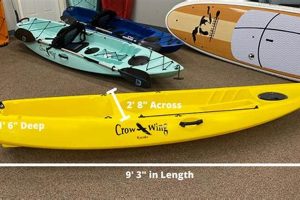
Primary stability refers to a kayak’s initial resistance to tipping. A wider, flatter hull offers higher primary stability, making it ideal for calm waters and stationary handlining. This design provides a secure feeling and reduces the likelihood of capsizing when handling fish or retrieving lines. For example, a wider recreational kayak exhibits greater primary stability than a narrower touring kayak.
- Secondary Stability:
Secondary stability describes a kayak’s ability to resist capsizing when leaned or tilted. This attribute is crucial when battling larger fish or encountering unexpected waves or currents. Kayaks with rounded or flared hulls typically offer better secondary stability. This characteristic allows anglers to lean into a fight without the immediate fear of flipping, affording greater leverage and control. A fishing kayak with a defined chine offers greater secondary stability than a flat-bottomed recreational kayak, allowing for more aggressive maneuvers during fish retrieval.
- Center of Gravity:
A lower center of gravity enhances overall stability. Maintaining a low center of gravity, by sitting properly and distributing gear evenly, contributes significantly to stability. A higher center of gravity increases the risk of capsizing, particularly in rough conditions or when making sudden movements. The act of reeling in a fish raises the center of gravity slightly, underscoring the importance of starting from a stable and balanced position. Similarly, adding weight through gear or catches further lowers the center of gravity, influencing handling.
- Environmental Factors:
Wind, currents, and waves significantly impact kayak stability. Understanding these factors and their influence on a kayak’s performance is essential. Calm conditions generally allow for a wider range of kayak choices, while rougher waters necessitate a kayak with superior stability characteristics. Adjusting fishing techniques based on prevailing conditions further enhances safety and success. For example, using a drift sock or anchor in windy conditions can help maintain stability and prevent excessive drift.
Considering these elements, selecting a kayak with appropriate stability for the intended fishing environment and target species is paramount for effective handline fishing. This ensures angler safety, optimizes fishing efficiency, and ultimately enhances the overall experience. A stable platform provides the foundation for a successful outing, allowing anglers to focus on the techniques of handline fishing rather than constantly battling to maintain balance.
2. Line Management

Effective line management is paramount in kayak handline fishing. It directly influences fishing success and angler safety. Proper techniques prevent tangles, ensure efficient hooksets, and facilitate smooth retrieval, contributing significantly to a positive experience on the water.
- Avoiding Tangles:
Tangles disrupt fishing and can lead to lost gear and time. Careful deployment and retrieval of the handline are essential. Using a line winder or spool helps maintain organization and reduces the risk of knots. For example, a simple hand-held line winder keeps the line neatly coiled, facilitating quick and tangle-free deployment and retrieval, particularly crucial when dealing with a hooked fish.
- Sensing Bites:
Maintaining direct contact with the line allows anglers to detect subtle bites. A taut line transmits vibrations from fish activity more effectively, enabling quicker reactions and increasing hookup rates. Slack line hinders bite detection and can result in missed opportunities. Employing a heavier weight ensures better line contact, improving the angler’s ability to perceive even the slightest nibble from a fish below. This heightened sensitivity leads to more successful hooksets.
- Controlling Depth:
Precise depth control is crucial for targeting specific species. Adjusting the amount of line deployed and the weight used allows anglers to present bait at the desired depth. This targeted approach maximizes the chances of attracting the intended species. For instance, targeting bottom-dwelling fish necessitates a heavier weight and sufficient line to reach the seabed, ensuring the bait stays within the strike zone.
- Safe Handling:
Proper line handling minimizes the risk of injury. Wearing gloves protects hands from abrasion and sharp hooks. Avoiding wrapping the line around fingers or hands prevents entanglement and potential injury during a strong run from a fish. A gloved hand expertly guiding the line during retrieval mitigates the chances of cuts and abrasions, promoting safe and comfortable fishing.
These facets of line management contribute significantly to successful kayak handline fishing. Mastering these techniques allows anglers to focus on the thrill of the catch while minimizing potential complications. The combination of tangle-free deployment, sensitive bite detection, precise depth control, and safe handling practices lays the groundwork for an enjoyable and productive fishing experience.
3. Target Species

Target species selection significantly influences equipment choices, techniques employed, and overall success in kayak handline fishing. Understanding the habits and preferences of desired species is crucial for effective bait presentation and maximizing catch rates. Different species occupy specific depths and exhibit varying feeding behaviors, necessitating tailored approaches.
- Habitat Preferences:
Fish species exhibit distinct habitat preferences, influencing where they are most likely to be found. Bottom-dwelling species like catfish and flounder prefer deeper waters with sandy or muddy substrates. Pelagic species such as mackerel and tuna inhabit open water and are often found near the surface. Matching fishing location to the target species’ preferred habitat is crucial for success. For example, targeting flounder requires fishing near the seabed in areas with softer substrates, while pursuing mackerel involves fishing closer to the surface in open water.
- Feeding Behaviors:
Understanding feeding behaviors is essential for effective bait presentation. Some species are ambush predators, while others actively forage. Matching bait type and presentation to the target species’ feeding habits increases the likelihood of a successful catch. For instance, using live bait near the bottom can be effective for ambush predators like grouper, while trolling artificial lures can entice pelagic species like tuna.
- Bait Selection:
Different species are attracted to different types of bait. Some prefer live bait such as shrimp or minnows, while others are drawn to cut bait or artificial lures. Researching the target species’ dietary preferences informs bait selection and increases the chances of attracting the desired fish. Using cut squid or fish can be effective for bottom-dwelling species, while brightly colored lures might attract pelagic fish higher in the water column.
- Legal Considerations:
Regulations regarding catch limits, size restrictions, and permitted species vary by location. Adhering to these regulations is crucial for responsible angling and conservation. Researching local regulations before fishing ensures compliance and helps protect fish populations. For instance, certain species might have closed seasons or size limits to protect breeding populations or allow for sustainable harvest.
By carefully considering the habitat, feeding behaviors, preferred bait, and applicable regulations related to target species, kayak anglers can significantly improve their chances of a successful and rewarding fishing experience. This targeted approach optimizes resource use and promotes responsible angling practices, contributing to the long-term sustainability of fish populations.
4. Location Choice

Strategic location choice is paramount for successful kayak handline fishing. Optimizing fishing locations increases encounter rates with target species and enhances overall catch success. Factors such as water depth, structure, currents, and accessibility influence location selection and require careful consideration.
- Water Depth and Bottom Structure:
Different species inhabit specific depths and are attracted to various bottom structures. Understanding the target species’ preferences informs depth selection and the identification of promising fishing spots. Rocky reefs, ledges, and drop-offs often hold a variety of fish. Similarly, submerged vegetation beds attract certain species. For example, targeting bottom-dwelling species like grouper requires fishing near rocky structures in deeper water, while seeking panfish might involve exploring shallow, vegetated areas.
- Currents and Tides:
Currents and tides influence fish behavior and bait presentation. Strong currents necessitate heavier weights to maintain bottom contact and require adjustments to kayak positioning. Tidal changes often concentrate fish in specific areas, creating productive fishing opportunities. Fishing near inlets or channels during tidal shifts can increase encounter rates. Conversely, slack tides might require seeking alternative locations where fish are more likely to be actively feeding.
- Accessibility and Safety:
Accessibility considerations include launch points, paddling distances, and potential hazards. Choosing locations with easy access simplifies logistics and ensures a more enjoyable experience. Prioritizing safety involves assessing weather conditions, water traffic, and potential obstacles. Avoiding areas with strong currents or boat traffic enhances safety. Selecting sheltered coves or protected bays provides safer fishing conditions, particularly for less experienced kayakers.
- Local Regulations and Etiquette:
Adhering to local fishing regulations, including permitted areas and species restrictions, is essential. Respecting other anglers and practicing proper fishing etiquette contributes to a positive and sustainable fishing environment. Avoiding crowded areas or respecting designated no-fishing zones demonstrates responsible angling practices. Maintaining a safe distance from other anglers ensures a courteous and enjoyable experience for everyone.
By carefully evaluating these factors, kayak anglers can identify prime fishing locations that maximize their chances of success. Strategic location choice, combined with effective handline techniques, contributes significantly to a rewarding and productive fishing experience. A well-chosen location sets the stage for a successful outing, increasing the likelihood of memorable catches and enjoyable time on the water.
5. Safety Precautions

Safety precautions are paramount in kayak handline fishing. The inherent risks associated with on-water activities are compounded by the specific challenges of fishing from a small vessel. Careful planning and adherence to safety protocols mitigate these risks, ensuring a secure and enjoyable fishing experience.
- Personal Flotation Device (PFD):
A properly fitted PFD is the single most important piece of safety equipment. It provides essential buoyancy in the event of capsizing or accidental overboard entry. Selecting a PFD designed for kayaking ensures comfort and freedom of movement while paddling and fishing. A brightly colored PFD enhances visibility, aiding in rescue efforts if necessary. Consistent PFD use, regardless of perceived swimming ability or water conditions, is non-negotiable.
- Weather Awareness:
Checking weather forecasts before embarking on a fishing trip is crucial. Wind, waves, and lightning present significant hazards. Avoiding adverse weather conditions prevents potentially dangerous situations. Monitoring weather conditions during the trip allows for timely adjustments to plans if conditions deteriorate. Having a plan for seeking shelter in case of unexpected storms is essential. Sudden changes in weather can create challenging and potentially hazardous conditions on the water, necessitating preparedness and adaptability.
- Communication Equipment:
Carrying a reliable communication device, such as a VHF radio, cell phone, or personal locator beacon (PLB), enables communication in emergencies. Informing someone of fishing plans, including intended location and return time, provides an additional layer of safety. A waterproof case or bag protects electronic devices from water damage. Regularly checking communication equipment ensures proper functionality when needed. The ability to call for help in case of an emergency, such as capsizing or injury, can be life-saving.
- Navigation and Lighting:
Carrying a compass or GPS device aids in navigation, particularly in unfamiliar waters or low-visibility conditions. A navigation light enhances visibility to other boaters, especially during early morning or late evening fishing trips. Understanding local navigational rules and regulations prevents collisions and ensures safe passage. Knowledge of local hazards, such as shallow areas or submerged obstacles, contributes to safe navigation. Proper navigation and lighting contribute significantly to safe passage and reduce the risk of collisions with other vessels.
Integrating these safety precautions into kayak handline fishing practices ensures a secure and enjoyable experience. Prioritizing safety minimizes risks, allowing anglers to focus on the thrill of the catch and the tranquility of the on-water environment. These measures, while seemingly simple, can be the difference between a successful outing and a potentially dangerous situation. Diligent preparation and consistent adherence to safety protocols are integral to responsible kayak angling.
6. Ethical Considerations

Ethical considerations are integral to responsible kayak handline fishing. They encompass a respect for the environment, a commitment to conservation, and an adherence to fair fishing practices. These principles ensure the sustainability of fish populations and the preservation of aquatic ecosystems for future generations. Ethical angling practices contribute to a positive and sustainable fishing experience for all.
- Catch and Release Practices:
Practicing proper catch and release techniques minimizes stress and injury to fish. Using appropriate hooks, handling fish gently, and minimizing air exposure contribute to higher survival rates. Promptly returning fish to the water, especially in warm conditions, reduces physiological stress. For example, using barbless hooks facilitates easier removal and reduces tissue damage. Careful handling prevents scale loss and minimizes the risk of internal injuries. These practices ensure that released fish have a greater chance of survival, contributing to healthy fish populations.
- Respect for the Environment:
Minimizing environmental impact is a cornerstone of ethical angling. Proper disposal of fishing line and other waste prevents pollution and protects aquatic life. Avoiding disturbing sensitive habitats, such as spawning beds or nesting areas, contributes to ecosystem health. For instance, retrieving discarded fishing line prevents entanglement of wildlife and minimizes plastic pollution. Respecting designated no-fishing zones protects vulnerable species and habitats. These actions demonstrate a commitment to environmental stewardship and contribute to the preservation of natural resources.
- Adherence to Regulations:
Complying with fishing regulations, including licensing requirements, catch limits, and size restrictions, ensures sustainable fisheries management. These regulations are designed to protect fish populations and maintain healthy ecosystems. Respecting closed seasons allows fish to reproduce and replenish populations. For example, adhering to catch limits prevents overfishing and ensures the long-term viability of fish stocks. Respecting size restrictions protects juvenile fish and allows them to reach maturity and contribute to breeding populations. Compliance with regulations demonstrates a commitment to responsible angling and supports conservation efforts.
- Fair Fishing Practices:
Fair fishing practices encompass respecting the rights of other anglers and promoting equitable access to fishing resources. Avoiding overcrowding and respecting personal space contributes to a positive fishing experience for everyone. Sharing information about fishing conditions or techniques can foster a sense of community among anglers. For example, giving other anglers ample space allows everyone to enjoy the experience without interference. Avoiding excessive noise or disruptive behavior minimizes disturbance to both fish and fellow anglers. These actions promote a sense of camaraderie and respect among the angling community.
By integrating these ethical considerations into kayak handline fishing practices, anglers contribute to the long-term health and sustainability of aquatic ecosystems. Ethical angling fosters a deeper appreciation for the natural world and ensures that future generations can enjoy the rewards of recreational fishing. These principles, when applied consistently, elevate the fishing experience beyond mere sport and transform it into a responsible and fulfilling interaction with the natural environment.
Frequently Asked Questions
This section addresses common inquiries regarding kayak handline fishing, providing concise and informative responses to clarify potential uncertainties and promote a better understanding of the practice.
Question 1: What are the advantages of handline fishing from a kayak?
Handline fishing offers simplicity, affordability, and a direct connection to the fish. It requires minimal equipment, making it ideal for kayak anglers seeking a minimalist approach. The direct feel of the line enhances sensitivity, allowing for improved bite detection.
Question 2: What essential equipment is required for kayak handline fishing?
Essential equipment includes a handline, weights, hooks, bait or lures, a cutting tool, and a line storage system. Optional equipment includes gloves, a dehooker, and a measuring device.
Question 3: What species are commonly targeted using handline fishing from a kayak?
Commonly targeted species include bottom-dwelling fish such as catfish, grouper, snapper, and various panfish. Pelagic species like mackerel and smaller tuna can also be targeted depending on location and technique.
Question 4: How does one choose an appropriate handline and weight?
Handline selection depends on target species and fishing conditions. Heavier lines are suitable for larger fish and stronger currents. Weight selection depends on water depth and current strength. Sufficient weight ensures the line reaches and maintains the desired depth.
Question 5: What safety precautions should be taken when handline fishing from a kayak?
Essential safety precautions include wearing a PFD, checking weather forecasts, carrying communication equipment, informing someone of fishing plans, and being aware of local navigation rules. Proper fish handling techniques minimize the risk of injury.
Question 6: What are the ethical considerations associated with kayak handline fishing?
Ethical considerations include practicing proper catch and release techniques, minimizing environmental impact, adhering to fishing regulations, and respecting other anglers. Responsible angling ensures the sustainability of fish populations and preserves aquatic ecosystems.
Understanding these aspects of kayak handline fishing enhances angler preparedness, promotes safe practices, and contributes to a more enjoyable and sustainable experience.
The following section will delve deeper into advanced techniques for maximizing success in kayak handline fishing.
Kayak Handline Fishing
This exploration of kayak handline fishing has highlighted its unique blend of simplicity, effectiveness, and connection with the aquatic environment. From equipment selection and species targeting to safety precautions and ethical considerations, the various facets of this technique have been examined. Emphasis has been placed on the importance of kayak stability, efficient line management, and strategic location choice for maximizing success. Furthermore, the discussion underscored the critical role of responsible angling practices, including proper catch and release techniques and adherence to regulations, in ensuring the sustainability of fish populations and the preservation of aquatic ecosystems.
Kayak handline fishing offers a rewarding and accessible pathway to experiencing the thrill of angling in a close-to-nature setting. Its enduring appeal lies in its minimalist approach, affordability, and the direct engagement it provides with the underwater world. As anglers continue to seek sustainable and fulfilling fishing experiences, this time-honored technique holds a prominent place within the evolving landscape of recreational fishing. Its continued practice, informed by responsible angling principles, contributes to the preservation of aquatic resources for generations to come.