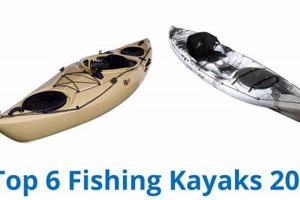
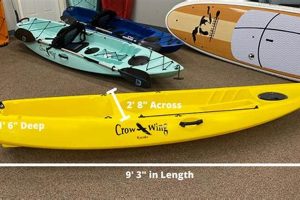
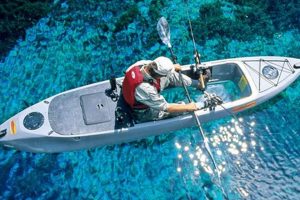
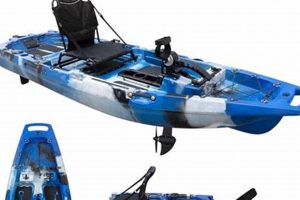
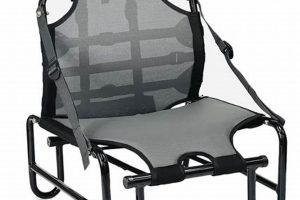
This specific type of watercraft is designed for anglers seeking a durable, stable platform equipped for angling activities. Such kayaks often feature specialized components like rod holders, tackle storage, and even fish finders. A hypothetical example might include a sit-on-top model constructed from high-density polyethylene with adjustable footrests and multiple storage compartments.
Durable, stable fishing platforms contribute significantly to enhanced angling success. They allow for hands-free fishing, improved access to diverse waterways, and extended time on the water. Historically, fishing kayaks have evolved from basic recreational designs to incorporate angler-specific features driven by the pursuit of efficiency and comfort on the water. This progression reflects a growing understanding of angler needs and technological advancements in kayak design and materials.
Further exploration of this specialized watercraft category will cover aspects like material selection, hull design, essential features, and popular models. Understanding these elements helps anglers make informed decisions when selecting a vessel appropriate for their individual fishing style and environment.
Tips for Selecting and Using a Fishing Kayak
Choosing and utilizing a specialized fishing kayak effectively requires careful consideration of several key factors. These tips offer guidance for enhancing on-the-water experiences and maximizing angling success.
Tip 1: Consider Hull Design: Hull design significantly impacts stability and maneuverability. A wider, flatter hull offers greater stability, ideal for calm waters and stand-up fishing. A longer, narrower hull provides better tracking and speed, suitable for traversing larger bodies of water or paddling against currents.
Tip 2: Evaluate Weight Capacity: Ensure the kayak’s weight capacity accommodates the angler’s weight, plus gear and potential catch. Exceeding the capacity compromises stability and performance.
Tip 3: Prioritize Comfort and Ergonomics: Adjustable seating, footrests, and ample legroom contribute to comfortable, extended outings. Proper posture and support minimize fatigue and enhance enjoyment.
Tip 4: Assess Storage Options: Dedicated storage compartments for tackle, rods, and personal items contribute to organization and efficiency on the water. Consider dry storage options for protecting sensitive electronics and gear.
Tip 5: Choose Appropriate Materials: High-density polyethylene offers durability and impact resistance, while lighter materials like fiberglass or composites enhance speed and maneuverability but may require greater care.
Tip 6: Practice Essential Safety Procedures: Always wear a personal flotation device (PFD) and carry essential safety equipment, including a whistle, signaling device, and first-aid kit. Inform someone of planned paddling routes and estimated return times.
Tip 7: Learn Basic Paddling Techniques: Efficient paddling techniques maximize speed and minimize fatigue. Practice proper stroke mechanics and maneuvering skills in a controlled environment before venturing into open waters.
Adhering to these guidelines contributes to safe, enjoyable, and productive fishing experiences. Informed decision-making based on individual needs and intended usage optimizes on-the-water performance and angling success.
By understanding these key elements, anglers can confidently select and utilize fishing kayaks suited to their specific requirements, enhancing their overall fishing endeavors.
1. Durability

Durability represents a critical factor in the effectiveness of a fishing kayak designed for extended use. The ability to withstand impacts, abrasions, and exposure to the elements directly influences the vessel’s longevity and overall performance. A durable kayak maintains its structural integrity over time, minimizing the risk of leaks, cracks, and other damage that could compromise safety and functionality. This resilience proves particularly crucial in demanding environments, such as rocky coastlines, shallow rivers, or areas with submerged obstacles. For example, a kayak constructed from high-density polyethylene (HDPE) exhibits greater impact resistance compared to one made from a less robust material. This resistance translates to fewer repairs and a longer lifespan, ultimately enhancing the value and utility of the investment.
The practical significance of durability extends beyond the kayak’s structural integrity. Durable components, such as hardware, seating, and storage compartments, contribute to the overall reliability and user experience. Corrosion-resistant fittings maintain their functionality over time, preventing failures that could disrupt a fishing trip. Similarly, robust seating and storage systems withstand the wear and tear of regular use, ensuring continued comfort and efficient organization of gear. Consider a scenario where a kayak’s poorly constructed storage hatch fails during transport, resulting in the loss of valuable tackle. A durable hatch prevents such incidents, safeguarding equipment and preserving the angler’s investment.
In summary, durability forms a cornerstone of a reliable and long-lasting fishing kayak. Investing in a durable vessel minimizes the risk of damage, reduces maintenance requirements, and ensures continued functionality over extended periods. This attribute proves essential for anglers seeking a dependable platform capable of withstanding the rigors of diverse aquatic environments, ultimately contributing to enhanced safety, enjoyment, and success on the water.
2. Stability

Stability represents a critical performance attribute in fishing kayaks, directly influencing angling effectiveness and safety. A stable platform provides a secure base for casting, reeling, and landing fish, while also minimizing the risk of capsizing, particularly in challenging conditions. This characteristic proves especially crucial in specialized fishing kayaks designed for activities like stand-up fishing or maneuvering in moving water. The following facets explore the key components and implications of stability in this context.
- Hull Design and Stability
Hull design significantly impacts a kayak’s stability. Wider, flatter hulls generally offer greater primary stability, resisting initial tipping. A kayak with a wide, flat hull, like a pontoon-style design, provides a stable platform ideal for calm waters and stand-up fishing. Conversely, narrower hulls, often found in touring kayaks, prioritize speed and tracking but sacrifice some initial stability. The specific hull design must align with the intended fishing environment and angler preferences.
- Center of Gravity and Balance
The center of gravity plays a crucial role in overall stability. A lower center of gravity enhances stability by reducing the tendency to tip. Proper weight distribution within the kayak is essential. Positioning heavier items lower in the hull and avoiding excessive weight at the gunwales improves balance and minimizes the risk of capsizing. Consider an angler standing to cast in a kayak. Maintaining a low center of gravity by bending the knees and keeping the body centered over the kayak enhances stability during this maneuver.
- Water Conditions and Stability
Water conditions significantly influence stability requirements. Calm lakes and ponds require less inherent stability compared to rivers with currents or coastal areas with waves. Wind also plays a significant factor, potentially destabilizing even the most stable kayak. Anglers should assess the prevailing water and weather conditions when selecting a fishing kayak. For example, a kayak designed for ocean fishing requires greater stability compared to one intended for sheltered ponds.
- Stability Enhancements
Various features and accessories enhance stability. Outriggers provide additional lateral support, significantly improving stability, particularly for stand-up fishing. Stabilizer fins also enhance stability by increasing the kayak’s resistance to tipping. These additions offer valuable benefits for anglers seeking enhanced stability in challenging conditions. An angler fishing in rough waters might benefit from outriggers or stabilizer fins to enhance stability and prevent capsizing.
In the context of a “lifetime pro fishing kayak,” stability contributes significantly to both safety and fishing effectiveness. A stable platform allows anglers to focus on fishing rather than constantly correcting their balance. This characteristic is paramount for activities like sight fishing, fly fishing, or fighting larger fish where stability is essential for maintaining control and maximizing success. Choosing a kayak with the appropriate stability features for the intended fishing environment and angler preferences ultimately enhances the overall fishing experience and contributes to safer outings.
3. Storage Capacity

Storage capacity represents a critical factor in the utility and effectiveness of a fishing kayak, particularly one designed for extended use or specialized angling activities. Adequate storage facilitates organized transport and readily accessible gear, enhancing efficiency and minimizing disruptions during fishing excursions. The relationship between storage capacity and the overall functionality of a “lifetime pro fishing kayak” is multifaceted, impacting angling success and long-term user satisfaction. Consider the scenario of a fly fisherman carrying multiple fly boxes, lines, and other specialized equipment. Insufficient storage could lead to tangled lines, lost flies, and a generally frustrating experience. Conversely, ample and well-designed storage compartments allow for organized access, enabling the angler to focus on fishing rather than managing equipment.
Several factors influence the practical implications of storage capacity in this context. The type of fishing pursued dictates specific storage requirements. Kayak anglers targeting larger game fish might prioritize storage for larger tackle boxes, gaffs, and other specialized gear. Conversely, anglers focused on smaller species might require smaller compartments for lures, bait, and essential tools. Furthermore, the duration of fishing trips directly impacts storage needs. Longer expeditions necessitate greater storage volume for food, water, safety equipment, and additional layers of clothing. A kayak designed for multi-day trips requires significantly more storage than one intended for short excursions on local waters. Beyond volume, the design and accessibility of storage compartments influence practical utility. Watertight compartments protect sensitive electronics and gear from moisture damage, while readily accessible storage areas allow for quick retrieval of frequently used items without disrupting the fishing process. For example, a strategically placed dry storage compartment can safeguard a mobile phone or GPS device, while easily accessible side pockets can hold frequently used lures or tools.
In summary, storage capacity directly influences the functionality and overall effectiveness of a “lifetime pro fishing kayak.” Adequate and well-designed storage facilitates efficient organization, minimizes disruptions during fishing, and enhances the overall angling experience. Understanding specific storage needs based on the type of fishing pursued and the duration of trips empowers informed decisions when selecting a kayak. This careful consideration ensures the vessel aligns with individual angling requirements, maximizing both practicality and long-term satisfaction on the water.
4. Specialized Features

Specialized features distinguish a fishing kayak from a recreational model, contributing significantly to enhanced angling efficiency and overall experience. These features, integral to the design of a “lifetime pro fishing kayak,” directly address the specific needs and challenges faced by anglers. Consider the impact of integrated rod holders. Without them, an angler must constantly juggle rods, compromising casting accuracy and increasing the risk of losing equipment overboard. Conversely, strategically placed rod holders secure rods, freeing hands for other tasks like paddling, landing fish, or adjusting tackle. This seemingly simple feature demonstrates the practical significance of specialized design considerations.
Further examples illustrate the cause-and-effect relationship between specialized features and enhanced angling performance. An integrated fish finder, a common feature in many pro fishing kayaks, provides real-time underwater insights, allowing anglers to locate fish, identify underwater structures, and optimize lure presentation. This information directly translates to increased catch rates. Similarly, specialized storage compartments designed for tackle boxes, lures, and other fishing accessories enhance organization and efficiency on the water. Instead of fumbling through a cluttered storage area, anglers can quickly access necessary equipment, minimizing disruptions and maximizing fishing time. These specialized compartments often incorporate features like waterproof seals or drainage systems, further enhancing their practicality and value. An angler specializing in trolling might prioritize features like adjustable rod holders and integrated tracks for mounting downriggers, demonstrating how specific features cater to particular fishing styles.
In summary, specialized features constitute a defining characteristic of a “lifetime pro fishing kayak.” These features, often born from addressing practical challenges faced by anglers, enhance efficiency, improve performance, and contribute to a more rewarding fishing experience. Understanding the function and benefits of these features empowers informed purchasing decisions and optimizes utilization on the water. While the specific features vary depending on the intended fishing style and environment, their overall contribution to enhanced angling success remains a constant, distinguishing the “pro” from the recreational experience.
5. Maneuverability

Maneuverability represents a critical performance attribute in fishing kayaks, directly impacting an angler’s ability to navigate diverse waterways and position effectively for optimal fishing. In the context of a “lifetime pro fishing kayak,” maneuverability contributes significantly to on-the-water efficiency and overall fishing success. This characteristic becomes particularly crucial when navigating tight spaces, such as shallow creeks, mangrove tunnels, or areas with submerged obstacles. A highly maneuverable kayak allows anglers to access prime fishing spots often inaccessible to larger, less agile vessels, expanding fishing opportunities and potentially increasing catch rates.
- Hull Design and Turning Radius
Hull design significantly influences a kayak’s turning radius and overall maneuverability. Shorter kayaks with a more rockered hull (curved from bow to stern) generally turn more quickly and easily, while longer kayaks with a flatter hull excel in tracking and speed but sacrifice some turning agility. A kayak designed for navigating narrow, twisting waterways will prioritize a shorter length and rockered hull for enhanced maneuverability, while one intended for open water fishing might prioritize a longer, flatter hull for speed and stability.
- Paddle Length and Blade Shape
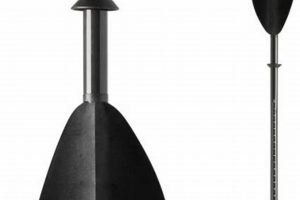
Paddle length and blade shape contribute to efficient paddling and maneuverability. A shorter paddle offers greater control and quicker strokes for maneuvering in tight spaces, while a longer paddle provides more leverage and power for open water paddling. Blade shape also influences performance; a shorter, wider blade provides more power for quick turns, while a longer, narrower blade offers greater efficiency for straight-line paddling. An angler frequently fishing in tight quarters might prefer a shorter paddle with a wider blade for enhanced maneuverability, while one paddling long distances in open water would likely benefit from a longer, narrower blade.
- Rudder or Skeg Systems
Rudders and skegs enhance tracking and maneuverability, particularly in windy conditions or moving water. A rudder provides directional control, allowing the kayak to maintain a straight course with minimal effort, while a skeg enhances directional stability by reducing yaw (side-to-side movement). These features prove particularly valuable when paddling against currents or strong winds. A kayak equipped with a rudder or skeg offers greater control and efficiency in challenging conditions, allowing anglers to focus on fishing rather than constantly correcting their course.
- Water Conditions and Maneuverability
Water conditions influence maneuverability requirements. Calm, flat water presents fewer challenges compared to moving water with currents or obstacles. Wind also plays a significant role, potentially hindering maneuverability, especially in kayaks with higher profiles. Anglers should consider the typical water and weather conditions they expect to encounter when selecting a kayak. A kayak intended for use in sheltered bays or estuaries might not require the same level of maneuverability as one designed for navigating swift rivers or coastal waters.
In summary, maneuverability constitutes a key factor in the effectiveness of a “lifetime pro fishing kayak.” Enhanced maneuverability allows anglers to efficiently navigate diverse waterways, access prime fishing locations, and position themselves strategically for optimal fishing success. The interplay between hull design, paddle characteristics, rudder or skeg systems, and water conditions ultimately determines a kayak’s maneuverability. Selecting a kayak with the appropriate maneuverability characteristics for the intended fishing environment and angler preferences significantly enhances the overall fishing experience and contributes to greater success on the water.
6. Comfort
Comfort plays a crucial role in the overall effectiveness and enjoyment of extended fishing kayak excursions. Discomfort can detract from focus, limit endurance, and ultimately curtail fishing time. In the context of a “lifetime pro fishing kayak,” comfort features contribute significantly to angler performance and long-term satisfaction. An uncomfortable seating arrangement can lead to back pain and fatigue, hindering an angler’s ability to focus on fishing and potentially cutting a trip short. Conversely, a comfortable and supportive seating system allows for extended periods on the water, maximizing fishing opportunities and overall enjoyment.
- Seating Design and Adjustability
Seating design and adjustability directly impact comfort. A well-designed seat provides adequate support for the back, legs, and buttocks, promoting proper posture and reducing fatigue. Adjustable features, such as backrest angle and seat height, allow anglers to customize the seating position to their individual preferences and body types. High-quality padding and breathable materials further enhance comfort, particularly during long hours on the water. An angler with a larger frame might require a wider seat with greater adjustability compared to someone with a smaller build, highlighting the importance of customizable seating options.
- Legroom and Footrests
Adequate legroom and adjustable footrests contribute to comfort and efficient paddling. Sufficient space allows anglers to stretch their legs and change positions, reducing stiffness and discomfort. Adjustable footrests provide essential leverage for paddling, enhancing efficiency and minimizing fatigue. Properly positioned footrests also contribute to a stable and balanced paddling posture. An angler paddling in rough conditions needs secure and adjustable foot bracing to maintain stability and control, demonstrating the functional importance of these features.
- Backrests and Lumbar Support
Backrests and lumbar support play a crucial role in maintaining proper posture and reducing back strain. A supportive backrest with adjustable lumbar support accommodates individual preferences and provides essential comfort during long hours on the water. This feature proves particularly valuable for anglers with pre-existing back conditions or those who spend extended periods seated in the kayak. An angler with a history of back problems might prioritize a kayak with exceptional lumbar support to minimize discomfort and prevent exacerbating existing conditions.
- Standing Platform Stability
For anglers who prefer to stand while fishing, a stable standing platform contributes significantly to comfort and safety. A wide, flat deck provides a secure base for standing and casting, reducing fatigue and minimizing the risk of falls. Non-slip surfaces further enhance stability, particularly in wet conditions. An angler sight fishing in shallow water benefits from a stable standing platform, enabling them to spot fish more easily and cast accurately.
In the context of a “lifetime pro fishing kayak,” comfort directly translates to increased fishing time, enhanced focus, and a more enjoyable overall experience. Investing in a kayak with comfortable and supportive features contributes to long-term satisfaction and maximizes the angler’s ability to pursue their passion on the water. Choosing a kayak that prioritizes comfort aligns with the “lifetime” aspect of the product, ensuring years of enjoyable and productive fishing excursions. The cumulative impact of comfortable seating, ample legroom, supportive backrests, and a stable standing platform distinguishes a truly comfortable fishing kayak, enhancing the overall angling experience and promoting long-term enjoyment of the sport.
7. Target Species Suitability

Target species suitability significantly influences the effectiveness and overall utility of a “lifetime pro fishing kayak.” Specific species present unique challenges and require specialized equipment, impacting kayak selection and customization. Consider the difference between targeting large pelagic fish offshore versus pursuing bass in a shallow river. The former necessitates a kayak with exceptional stability, ample storage for heavy tackle, and potentially features like rod holders designed for larger rods and reels. Conversely, the latter demands a maneuverable kayak capable of navigating tight spaces, with storage solutions tailored for lighter tackle and lures. Ignoring target species suitability compromises fishing effectiveness and potentially angler safety.
The practical implications of this concept extend beyond basic kayak selection. Customization based on target species further enhances fishing success. An angler targeting crappie might equip their kayak with specialized rod holders designed for multiple lightweight rods, a livewell for keeping bait fresh, and electronics suited for locating schools of fish in deeper water. Similarly, a kayak angler pursuing muskie might prioritize a heavy-duty rod holder capable of securing heavier rods and reels, reinforced gunwales for landing large fish, and a spacious deck for maneuvering during the fight. These examples demonstrate the importance of tailoring kayak features and equipment to specific target species. Furthermore, understanding the typical habitat and behavior of target species informs kayak selection. An angler targeting trout in fast-flowing rivers requires a kayak with exceptional maneuverability and stability in moving water, while one pursuing flounder in shallow bays might prioritize a stable platform suitable for stand-up fishing and sight casting.
In conclusion, target species suitability represents a crucial factor in maximizing the utility and effectiveness of a “lifetime pro fishing kayak.” Careful consideration of target species characteristics, habitat, and required equipment informs kayak selection, customization, and overall fishing strategy. Aligning kayak choice and setup with target species requirements enhances angling success, contributing to a more rewarding and productive experience on the water. Failing to account for target species suitability can lead to frustration, decreased efficiency, and potentially missed opportunities. Understanding this connection empowers anglers to make informed decisions, optimizing their kayak setup and maximizing their chances of landing the desired species.
Frequently Asked Questions
This section addresses common inquiries regarding specialized fishing kayaks designed for dedicated anglers.
Question 1: What differentiates a specialized fishing kayak from a recreational model?
Specialized fishing kayaks incorporate features designed for angling, including rod holders, tackle storage, fish finders, and enhanced stability for casting and reeling. Recreational kayaks prioritize general paddling and often lack these specialized features.
Question 2: How does hull design influence fishing kayak performance?
Hull design impacts stability, maneuverability, and tracking. Wider hulls provide greater stability, while longer, narrower hulls enhance speed and tracking. Specialized hull designs cater to specific fishing styles and water conditions.
Question 3: What safety precautions should anglers observe when using fishing kayaks?
Always wear a personal flotation device (PFD). Carry essential safety equipment, including a whistle, signaling device, and first-aid kit. Inform someone of paddling plans and estimated return times. Check weather conditions before embarking.
Question 4: How does weight capacity affect kayak performance and safety?
Exceeding the kayak’s weight capacity compromises stability and maneuverability, increasing the risk of capsizing. Calculate total weight, including angler, gear, and potential catch, to ensure it remains within the specified limit.
Question 5: What maintenance is required for a fishing kayak to ensure longevity?
Regular rinsing with fresh water after each use removes salt and debris. Store the kayak out of direct sunlight to prevent UV damage. Periodically inspect and tighten hardware. Address any damage promptly to prevent further deterioration.
Question 6: How can anglers choose the appropriate kayak for their specific fishing needs?
Consider factors such as target species, fishing environment, preferred fishing style, storage needs, and budget. Research different models and features. Consult with experienced kayak anglers or retailers for personalized recommendations.
Understanding these key aspects facilitates informed decision-making and contributes to a safer and more productive fishing experience. Prioritizing safety, appropriate equipment selection, and adherence to best practices maximize enjoyment and success on the water.
This concludes the frequently asked questions section. The subsequent section will delve into specific models and brands of fishing kayaks.
Conclusion
Exploration of this specialized fishing vessel category reveals the critical interplay between design, features, and angler requirements. Durability, stability, storage capacity, specialized features, maneuverability, comfort, and target species suitability represent key considerations for informed selection. Understanding these interconnected aspects empowers anglers to choose vessels aligning precisely with individual needs and fishing styles.
Investing in a well-equipped, appropriately chosen fishing kayak represents an investment in long-term angling success and enjoyment. Careful consideration of these elements promises enhanced on-the-water experiences, improved fishing efficiency, and a deeper connection with the sport.