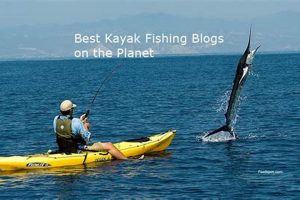
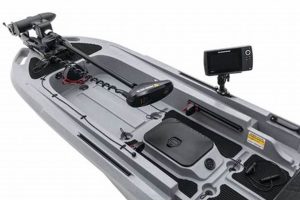
This sit-on-top vessel, measuring twelve feet in length, is manufactured by Perception Kayaks and belongs to their popular Pescador series. Designed for anglers, it typically features molded-in rod holders, gear tracks, and storage compartments for tackle and equipment. These kayaks are often constructed from high-density polyethylene, offering durability and impact resistance for navigating various water conditions.
The combination of stability, manageable size, and fishing-specific features makes this type of kayak a popular choice for anglers targeting a variety of fish species in diverse environments, from calm lakes and slow-moving rivers to sheltered coastal waters. Its relatively compact size can facilitate easier transport and storage compared to larger fishing kayaks. The Pescador series has become a recognizable name in the recreational fishing kayak market, known for its balance of affordability and functionality.
Further exploration will detail specific features, performance characteristics, user experiences, and comparisons with similar fishing kayak models, providing a comprehensive resource for prospective buyers and current owners.
Tips for Utilizing a 12-Foot Fishing Kayak
Effective use of a fishing kayak of this size requires attention to several key factors for maximizing both safety and angling success. The following tips provide guidance for optimizing the on-water experience.
Tip 1: Weight Distribution and Balance: Proper weight distribution is crucial for stability. Gear should be evenly distributed throughout the kayak, avoiding overloading any single area. Low center of gravity enhances stability, so heavier items should be stored closer to the bottom of the hull.
Tip 2: Paddle Selection and Technique: Choosing a paddle of appropriate length and employing efficient paddling techniques minimizes fatigue and maximizes speed and maneuverability. Consider a paddle leash to prevent loss in case of capsizing.
Tip 3: Safety Gear and Practices: A personal flotation device (PFD) should always be worn. Carrying a whistle, signaling mirror, and basic first-aid kit is also recommended. Checking weather forecasts and informing someone of planned paddling routes enhances safety.
Tip 4: Fishing Gear Organization: Organizing fishing rods, tackle boxes, and other equipment strategically within the kayak’s storage compartments improves efficiency and reduces clutter, allowing quick access to essential items while maintaining balance.
Tip 5: Anchor and Drift Control: Utilizing an appropriate anchor system helps maintain position in desired fishing locations. Drift socks or sea anchors can be employed to control drift speed and direction, particularly in windy conditions.
Tip 6: Launching and Landing Techniques: Practicing efficient launching and landing techniques minimizes the risk of capsizing and damage to the kayak, especially in shallow water or surf zones.
Tip 7: Kayak Maintenance: Regularly rinsing the kayak with fresh water after each use and storing it properly, protected from excessive sunlight and temperature extremes, prolongs its lifespan. Periodic inspection for damage and necessary repairs ensures continued performance.
By adhering to these guidelines, kayakers can enhance safety, improve fishing effectiveness, and extend the life of their equipment, ultimately leading to a more rewarding on-water experience.
The following section will provide a detailed conclusion summarizing the key attributes and advantages of this type of fishing kayak.
1. Length

The 12-foot length of the Perception Pescador fishing kayak is a defining characteristic influencing its performance and suitability for various fishing environments. This dimension contributes significantly to maneuverability, stability, and storage capacity, impacting the overall angling experience.
- Maneuverability
A 12-foot length allows for relatively easy navigation through narrow waterways, around obstacles like submerged logs or vegetation, and within confined fishing spots. Compared to longer kayaks, this size facilitates tighter turns and quicker adjustments in direction, a significant advantage when pursuing fish in complex environments like creeks, rivers, and mangrove forests. This agility, however, might come at the cost of straight-line tracking over long distances.
- Stability
While shorter kayaks offer enhanced maneuverability, the 12-foot length of the Pescador provides a reasonable level of stability, particularly important for activities like casting and reeling in fish. This length offers a balance between agility and stability, making it suitable for a variety of water conditions while reducing the likelihood of capsizing. Longer kayaks generally offer greater stability but sacrifice maneuverability.
- Storage Capacity
A 12-foot kayak typically provides sufficient storage space for essential fishing gear, including tackle boxes, rods, and other equipment. While not as expansive as larger touring kayaks, the available storage in the Pescador strikes a balance between carrying capacity and maneuverability. Anglers can bring necessary equipment without significantly compromising the kayak’s handling.
- Transportation and Storage
The 12-foot length influences the ease of transport and storage. While longer kayaks require larger vehicles and more storage space, a 12-foot kayak is manageable for transport on roof racks or in truck beds. Its size also allows for easier storage in garages or sheds. This manageable size is a significant factor for anglers needing convenient transportation and storage options.
In summary, the 12-foot length of the Perception Pescador fishing kayak represents a compromise between key performance attributes. This length optimizes maneuverability in tighter spaces while maintaining reasonable stability, providing sufficient storage for fishing gear, and remaining manageable for transportation and storage. This balance makes it a suitable option for a variety of fishing styles and environments.
2. Brand
Perception Kayaks plays a crucial role in the identity and characteristics of the 12-foot Pescador fishing kayak. The brand’s reputation, manufacturing processes, and design philosophies directly influence the kayak’s performance, durability, and overall value proposition. Understanding this connection provides valuable context for evaluating the kayak within the broader market.
Perception, established in 1977, has a long history in the kayaking industry. This experience translates into established manufacturing processes, material selection, and design expertise that inform the construction and features of the Pescador. Their focus on rotational molding using high-density polyethylene contributes to the kayak’s durability and impact resistance. Furthermore, Perceptions design choices, like the inclusion of molded-in rod holders, gear tracks, and strategically placed storage compartments, reflect an understanding of angler needs and contribute to the kayak’s fishing-specific functionality. For example, the placement and type of rod holders influence ease of access and rod security during angling. The design and positioning of storage compartments impact weight distribution and accessibility of gear. These design elements stemming from Perceptions experience contribute directly to the overall angling experience.
The brand’s reputation for producing reliable, recreational kayaks also influences consumer perception and purchasing decisions. This reputation, built over decades, often translates into consumer trust and confidence in the Pescadors quality and performance. While the 12-foot Pescadors specific features and dimensions contribute to its suitability for fishing, the Perception brand provides an assurance of quality and durability. This association is a significant factor in the kayak’s market positioning and perceived value. Understanding the brands influence on design, manufacturing, and overall product perception provides a comprehensive perspective on the 12-foot Pescador fishing kayak, enabling informed evaluations and comparisons with competing products. This analysis emphasizes the integral role of the brand in shaping the kayaks characteristics and its standing within the fishing kayak market.
3. Model

The “Pescador” designation within the “12 ft Perception Pescador fishing kayak” signifies a specific model series designed by Perception Kayaks. Understanding the Pescador model’s core attributes and how they contribute to the overall kayak’s performance is crucial for informed evaluation and comparison within the fishing kayak market. This model designation represents a collection of design choices and features that cater specifically to angling needs, differentiating it from other Perception kayak models.
- Fishing-Specific Features
The Pescador series is characterized by integrated features designed to enhance the angling experience. These typically include molded-in rod holders, strategically placed gear tracks for mounting accessories, and dedicated storage compartments for tackle boxes and other fishing equipment. Such features distinguish the Pescador from recreational kayak models lacking these specialized components. For instance, the inclusion of multiple rod holders allows anglers to carry various rod setups for different fishing techniques, while strategically placed gear tracks enable customization with fish finders, GPS units, or other accessories. Dedicated storage compartments ensure organized access to tackle and minimize clutter.
- Stability and Hull Design
Pescador models often feature a hull design prioritizing stability, a crucial factor for fishing activities. The wider beam and flatter hull profile enhance stability, allowing anglers to cast, reel, and land fish without compromising balance. This stability-focused design differentiates it from touring or recreational kayak models designed for speed and efficiency. The stable platform enables anglers to stand up for sight fishing or casting in calmer waters, significantly expanding fishing opportunities.
- Sit-On-Top Configuration
The Pescador series typically adopts a sit-on-top kayak configuration. This design enhances stability and facilitates easier entry and exit, beneficial for anglers frequently entering and exiting the kayak for wading or shoreline fishing. The self-bailing scupper holes characteristic of sit-on-top kayaks further contribute to angler comfort and safety by draining water from the cockpit. This configuration distinguishes the Pescador from sit-inside kayaks, which may offer greater protection from the elements but restrict angler movement and make entry/exit more challenging.
- Targeted User Profile
The Pescador series directly targets the recreational angler. The model’s features, design, and price point often cater to anglers seeking a balance of functionality, durability, and affordability. This targeted approach differentiates the Pescador from high-performance fishing kayaks designed for tournament anglers or specialized expeditions, which typically come with a higher price tag and more specialized features. The Pescador series aims to provide a versatile and accessible platform for diverse fishing environments and angling styles.
These facets collectively define the Pescador model’s identity within the broader range of kayaks offered by Perception. The integration of fishing-specific features, emphasis on stability, sit-on-top design, and angler-focused design philosophy position the 12-foot Perception Pescador as a versatile and practical option for recreational anglers seeking a dedicated fishing platform. Understanding these elements allows for informed comparisons with other fishing kayak models and enables anglers to choose equipment aligned with their specific needs and preferences.
4. Purpose

The “fishing” purpose inherent in the 12-foot Perception Pescador kayak directly influences its design, features, and overall functionality. This designated purpose is not merely a label but a core principle guiding the kayak’s development and differentiating it from other recreational or touring kayak models. The cause-and-effect relationship between the intended “fishing” purpose and the kayak’s characteristics results in a vessel optimized for angling activities.
Consider the molded-in rod holders. Their presence directly stems from the kayak’s fishing purpose. Without the need to accommodate fishing rods, these specialized holders would be superfluous. Similarly, the inclusion of gear tracks for mounting fish finders, GPS units, or other fishing-specific accessories directly results from the “fishing” designation. These features, absent in recreational kayaks designed for leisurely paddling or exploration, become essential components in a fishing-oriented vessel. Practical examples abound. An angler trolling for bass requires ready access to rods, necessitating strategically placed rod holders. Locating fish in deeper waters demands a fish finder, secured to the kayak via gear tracks. These real-world scenarios highlight the importance of the “fishing” purpose as a driving force behind the kayak’s design.
The practical significance of understanding this connection lies in informed equipment selection. Recognizing that the 12-foot Perception Pescador is explicitly designed for fishing allows anglers to assess its suitability for their specific needs. Evaluating the placement and type of rod holders, the availability of gear tracks, and the storage capacity for tackle becomes essential. Choosing a kayak aligned with the intended “fishing” purpose ensures that the vessel possesses the necessary features and functionalities for a successful and enjoyable angling experience. Failure to recognize this connection could lead to selecting an unsuitable kayak lacking essential features, ultimately hindering on-water performance and diminishing the overall fishing experience.
5. Type

The “sit-on-top” classification of the 12-foot Perception Pescador fishing kayak significantly influences its functionality, suitability for specific fishing styles, and overall user experience. This design choice, distinct from “sit-inside” kayaks, presents inherent advantages and disadvantages directly impacting stability, angler mobility, and comfort, particularly relevant in the context of fishing activities.
- Stability and Balance
Sit-on-top kayaks generally offer enhanced stability compared to sit-inside designs, especially for activities requiring movement and balance adjustments, such as casting and reeling. The higher center of gravity and wider hull design typical of sit-on-tops contribute to this inherent stability, reducing the likelihood of capsizing, a critical consideration for anglers engaged in active fishing. This stability becomes particularly crucial in dynamic fishing situations, like battling strong currents or landing larger fish, where balance and stability are paramount.
- Ease of Entry and Exit
The open cockpit design of sit-on-top kayaks facilitates effortless entry and exit, a significant advantage for anglers frequently transitioning between paddling and wading, or accessing shorelines for casting. This ease of access simplifies transitions and reduces the risk of tipping during entry/exit, particularly in shallow water or uneven terrain. In contrast, sit-inside kayaks require more maneuvering and present a higher risk of capsizing during entry and exit, particularly in challenging conditions.
- Self-Bailing Scupper Holes
Sit-on-top kayaks incorporate self-bailing scupper holes that allow water to drain automatically from the cockpit, enhancing comfort and safety. This feature proves invaluable in rough water or wet conditions common in fishing environments, preventing water accumulation and maintaining a drier, more comfortable seating area. This self-bailing capability eliminates the need for manual bilge pumps commonly required in sit-inside kayaks to manage water ingress, simplifying the angling experience and minimizing distractions.
- Gear Accessibility and Storage
The open deck design of sit-on-top kayaks typically provides easier access to gear and equipment stored on deck, crucial for anglers requiring quick access to rods, tackle boxes, and other fishing essentials. While dedicated storage compartments within the hull are common, the open deck allows for readily accessible storage of frequently used items, enhancing efficiency and minimizing disruptions during fishing. In contrast, sit-inside kayaks often necessitate reaching into hatches or behind the seat for gear access, potentially disrupting balance and fishing flow.
In the context of the 12-foot Perception Pescador, the sit-on-top design directly contributes to its suitability for fishing. The enhanced stability, ease of entry/exit, self-bailing capability, and gear accessibility collectively create a platform optimized for angling activities. While sit-on-tops may offer less protection from the elements compared to sit-inside kayaks, their inherent advantages align directly with the demands of recreational fishing, reinforcing the Pescador’s position as a practical and efficient fishing platform.
6. Material
Polyethylene’s utilization in the construction of the 12-foot Perception Pescador fishing kayak directly influences the vessel’s durability, affordability, and overall performance. Understanding the characteristics of this material and their practical implications provides valuable context for evaluating the kayak’s suitability for various fishing environments and conditions. This exploration will analyze the key facets of polyethylene as a kayak construction material.
- Durability and Impact Resistance
High-density polyethylene (HDPE), commonly used in kayak construction, exhibits excellent impact resistance and durability, essential for navigating diverse water conditions. This resilience translates into a kayak capable of withstanding impacts from rocks, submerged logs, or other obstacles encountered in various fishing environments. For example, navigating rocky riverbeds or shallow coastal areas presents risks of hull abrasion and impact. HDPE’s inherent toughness minimizes potential damage, ensuring the kayak’s longevity and structural integrity in challenging conditions.
- UV Resistance and Weathering
Polyethylene kayaks often incorporate UV stabilizers to mitigate the degrading effects of prolonged sun exposure. This protection enhances the kayak’s resistance to fading, cracking, and other forms of weathering, preserving its structural integrity and aesthetic appearance over extended periods. Kayaks frequently stored outdoors or exposed to intense sunlight benefit significantly from UV resistance. This protection minimizes long-term degradation, extending the kayak’s lifespan and reducing the need for frequent repairs or replacements.
- Weight and Portability
Polyethylene kayaks offer a balance between durability and weight, contributing to manageable portability. While not as lightweight as composite materials, HDPE kayaks remain relatively easy to transport and maneuver, facilitating car-topping, carrying to launch sites, and overall handling. This balance between weight and durability influences the kayak’s practicality for anglers needing to transport their vessel to various fishing locations. The manageable weight reduces strain during transport and simplifies launching and landing procedures.
- Cost-Effectiveness and Manufacturing
Polyethylene’s cost-effectiveness contributes to the affordability of kayaks like the Pescador. Rotational molding, a common manufacturing process for polyethylene kayaks, allows for efficient production and contributes to the material’s widespread use in recreational kayaks. This cost-effectiveness makes kayaks accessible to a broader range of anglers. The relatively low cost of materials and manufacturing allows for competitive pricing, increasing the accessibility of fishing kayaks to a wider audience.
In summary, polyethylene’s properties directly influence the 12-foot Perception Pescador fishing kayak’s performance characteristics and suitability for various fishing applications. The material’s durability, UV resistance, manageable weight, and cost-effectiveness contribute to a balance of performance, affordability, and practicality. Understanding these aspects allows anglers to make informed decisions based on their specific needs and fishing environments. While polyethylene might not offer the lightweight performance of high-end composite materials, its inherent properties align well with the demands of recreational fishing, contributing to the Pescador’s popularity and versatility.
Frequently Asked Questions
This section addresses common inquiries regarding 12-foot Perception Pescador fishing kayaks, providing concise and informative responses to facilitate informed decision-making and enhance user understanding.
Question 1: What is the maximum weight capacity of a typical 12-foot Perception Pescador fishing kayak?
Weight capacities vary slightly between specific Pescador models within the 12-foot range, but generally fall between 325 and 375 pounds. Consulting the manufacturer’s specifications for the specific model of interest provides precise information.
Question 2: Are these kayaks suitable for use in saltwater environments?
Yes, the high-density polyethylene construction of Perception Pescador kayaks makes them suitable for saltwater use. However, regular rinsing with fresh water after saltwater exposure is recommended to prevent corrosion of metal components and prolong the kayak’s lifespan.
Question 3: What type of paddle is recommended for a 12-foot Pescador kayak?
Paddle choice depends on individual paddling style and physical attributes. Generally, a paddle length between 230 and 250 centimeters is suitable for most users of a 12-foot kayak. Consulting a kayak specialist can provide personalized recommendations based on individual needs.
Question 4: Can a 12-foot Perception Pescador accommodate a trolling motor?
Some 12-foot Pescador models offer pre-installed or adaptable transom mounts for trolling motors. Confirming compatibility with the specific model in question is essential before purchasing or installing a motor. Manufacturer specifications or authorized dealer inquiries can provide accurate information.
Question 5: How stable are these kayaks compared to other fishing kayaks on the market?
The Pescador series is generally known for its stability due to its wider hull design. However, stability can be influenced by factors like water conditions and weight distribution. Comparing specifications and reading user reviews can provide further insights into stability characteristics relative to other kayak models.
Question 6: What maintenance is required for a 12-foot Perception Pescador?
Regular rinsing with fresh water, especially after saltwater use, is essential. Periodic inspection of hull integrity, hardware, and storage compartments ensures optimal performance and longevity. Storing the kayak protected from direct sunlight and extreme temperatures further prolongs its lifespan.
Understanding these key aspects contributes to informed purchasing decisions and facilitates optimal kayak utilization. Thoroughly researching specific models and seeking guidance from experienced kayakers or retailers can further enhance understanding and ensure a rewarding on-water experience.
Further exploration of specific model variations and user experiences can provide a deeper understanding of this kayak series and its position within the broader fishing kayak market.
12 ft Perception Pescador Fishing Kayak
This exploration has provided a detailed analysis of the 12 ft Perception Pescador fishing kayak, encompassing its key attributes, features, and overall suitability for angling activities. From the material composition and hull design to the brand’s reputation and model-specific characteristics, each aspect contributes to the kayak’s performance and intended purpose. The examination of length, brand, model designation, intended purpose, kayak type, and material provides a comprehensive understanding of the factors influencing the kayak’s performance in various fishing environments. The discussion of stability, maneuverability, storage capacity, and transportation considerations offers practical insights for prospective buyers. Furthermore, addressing frequently asked questions provides clarity on key aspects like weight capacity, saltwater compatibility, and maintenance requirements.
Ultimately, the 12 ft Perception Pescador fishing kayak represents a balance of affordability, functionality, and durability, catering to the needs of recreational anglers seeking a dedicated fishing platform. Careful consideration of individual fishing styles, target species, and preferred environments will guide informed purchasing decisions. Continued exploration of specific model variations, user reviews, and expert opinions will further refine understanding and contribute to a rewarding and successful on-water angling experience.