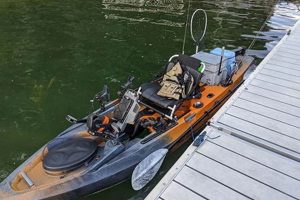
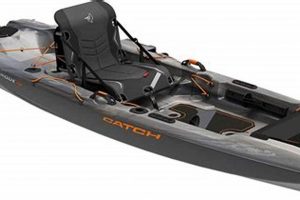
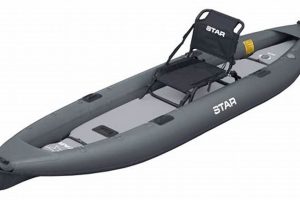
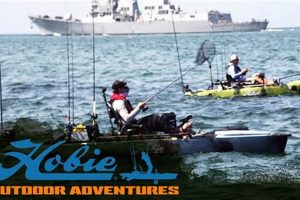
This sit-on-top vessel, manufactured by Wilderness Systems, is a specialized watercraft designed for angling. The “120” designates its approximate length in inches, indicating a compact and maneuverable design suitable for various water bodies. Its features commonly include specialized storage compartments, rod holders, and other accessories catered to the needs of anglers.
The popularity of this type of watercraft stems from the increased access it provides to fishing locations often inaccessible by larger boats or from shore. The relatively lightweight construction and compact size allow for easier transport and storage compared to larger vessels. Furthermore, the sit-on-top design offers inherent stability and ease of re-entry, making it a popular choice for anglers of varying skill levels. This style of kayak has evolved alongside advancements in materials and design, reflecting the growing demand for specialized fishing platforms.
Further exploration will cover topics such as specific design features, performance characteristics, user experiences, and comparisons with similar products on the market. This comprehensive analysis will provide a thorough understanding of this particular watercraft’s place within the broader context of recreational fishing.
Tips for Utilizing a Fishing Kayak
Effective use of a fishing kayak maximizes angling success and overall enjoyment on the water. The following tips provide valuable insights for optimizing the experience.
Tip 1: Pre-Trip Planning: Thorough preparation is crucial. Research potential fishing locations, considering water conditions, species targeted, and access points. Packing essential gear, including safety equipment, fishing tackle, and appropriate clothing, ensures a productive and safe outing.
Tip 2: Weight Distribution and Balance: Proper weight distribution is essential for stability and maneuverability. Distribute gear evenly within the kayak, keeping heavier items low and centered. Practice entering and exiting the kayak in shallow water to understand its balance characteristics.
Tip 3: Paddle Selection and Technique: Choose a paddle appropriate for body size and kayak width. Employing efficient paddling techniques minimizes fatigue and maximizes speed and control. Regular practice improves paddling proficiency.
Tip 4: Anchor and Drift Control: Utilize an appropriate anchor system suited for the target fishing environment. Understanding how wind and current affect drift allows for precise positioning and optimal fishing presentation.
Tip 5: Fish Finder and Electronics: Consider incorporating a fish finder and other electronics to enhance fish-finding capabilities. Understanding how to interpret the information provided by these tools improves the chances of locating and catching fish.
Tip 6: Safety Precautions: Prioritize safety by wearing a personal flotation device (PFD) at all times. Carry a whistle, signaling device, and communication equipment. Inform someone of the planned fishing location and estimated return time.
Tip 7: Respectful Angling Practices: Adhere to local fishing regulations and practice catch-and-release techniques when appropriate. Minimize environmental impact by properly disposing of waste and avoiding disturbance of wildlife.
By incorporating these tips, anglers can enhance their fishing experience, improve their effectiveness on the water, and contribute to a safe and enjoyable environment for all.
This information provides a foundation for a more in-depth understanding of fishing kayak utilization. Subsequent sections will delve into specific techniques, gear recommendations, and advanced strategies for maximizing success on the water.
1. Sit-on-top Design

The sit-on-top design is a defining characteristic of the Wilderness Systems Recon 120 fishing kayak, significantly influencing its functionality and suitability for angling. This design eliminates the enclosed cockpit of traditional sit-inside kayaks, providing several key advantages for anglers. Enhanced stability, particularly beneficial in challenging conditions or when casting and reeling, stems from the wider hull and higher center of gravity inherent in sit-on-top construction. Self-bailing scupper holes further contribute to stability by allowing water to drain quickly, preventing accumulation and maintaining buoyancy. Ease of entry and exit, crucial for anglers frequently changing positions or needing to re-enter the kayak after a swim, distinguishes sit-on-top kayaks from their sit-inside counterparts. This feature is particularly advantageous in warmer climates or when fishing in shallow water. Consider a scenario where an angler hooks a large fish; the open design allows for greater freedom of movement during the fight, decreasing the risk of capsizing. Similarly, maneuvering in tight spaces, such as navigating through mangrove tunnels or around submerged structures, is facilitated by the sit-on-top design’s inherent stability and responsiveness.
The sit-on-top design directly contributes to the Recon 120’s versatility as a fishing platform. The open deck allows for customization and the addition of fishing-specific accessories. Anglers can readily install rod holders, fish finders, and other equipment tailored to their individual needs. The unobstructed deck space also facilitates easier access to tackle boxes and gear. Furthermore, the self-bailing system simplifies post-fishing cleanup, allowing anglers to rinse off sand, mud, or fish slime without concerns about water accumulating inside the hull. The ability to quickly re-enter the kayak after a swim or an intentional entry into the water, for instance to cool off or access a specific fishing spot, enhances the user experience in diverse environments. This design feature also contributes to overall safety, offering a secure and stable platform even when partially submerged.
In summary, the sit-on-top design of the Wilderness Systems Recon 120 fishing kayak plays a pivotal role in its performance and functionality. The inherent stability, ease of entry and exit, and adaptability to various fishing accessories make it a popular choice among anglers. Understanding the practical implications of this design feature, including its impact on stability, maneuverability, and overall fishing experience, is essential for maximizing its potential on the water. The Recon 120s sit-on-top configuration addresses specific challenges associated with fishing from a kayak, providing a stable and versatile platform that caters to the demands of angling in diverse environments.
2. Maneuverability
Maneuverability is a critical performance characteristic of the Wilderness Systems Recon 120 fishing kayak, directly influencing its effectiveness in diverse angling environments. A highly maneuverable kayak enables anglers to navigate complex waterways, access secluded fishing spots, and respond effectively to changing conditions. This discussion explores the key facets contributing to the Recon 120’s maneuverability.
- Hull Design and Length:
The Recon 120’s hull design and length play a significant role in its maneuverability. The relatively shorter length, compared to larger touring kayaks, allows for tighter turning radii and quicker responsiveness to paddle input. The hull shape, often featuring a shallow-V or flat bottom design, contributes to its agility in shallow water and its ability to track straight when paddling in open areas. This balance between turning capability and tracking performance makes it well-suited for navigating intricate waterways, such as creeks, rivers, and mangrove forests, where obstacles and changing currents demand precise control.
- Rudder and Tracking Fin:
Many Recon 120 models are equipped with a rudder or tracking fin, further enhancing maneuverability and control. The rudder, controlled by foot pedals, allows for precise adjustments to the kayak’s direction, particularly helpful in windy conditions or when navigating strong currents. The tracking fin improves directional stability, minimizing the need for constant corrective strokes and allowing the angler to focus on fishing. These features contribute to efficient paddling and reduce fatigue, enabling longer excursions and more effective exploration of fishing grounds.
- Weight and Distribution:
The kayak’s weight and the distribution of gear within the hull influence its maneuverability. A lighter kayak responds more quickly to paddle input and requires less effort to turn. Proper weight distribution, with heavier items positioned low and centrally, enhances stability and responsiveness, contributing to precise control and minimizing the tendency to tip or yaw. Careful consideration of gear placement and weight management contribute significantly to the kayak’s overall performance on the water.
- Paddle Length and Technique:
Selecting the appropriate paddle length and employing efficient paddling techniques directly impact maneuverability. A paddle that is too long or too short can hinder efficient propulsion and control. Proper paddling technique, including efficient stroke mechanics and appropriate blade angle, maximizes power transfer and minimizes wasted energy, allowing for precise maneuvering and quick adjustments to direction. Developing proficient paddling skills is crucial for maximizing the Recon 120’s maneuverability potential.
The interplay of these factors determines the Recon 120’s overall maneuverability, contributing to its effectiveness as a fishing platform. By understanding how hull design, rudder and tracking fin systems, weight distribution, and paddling technique interact, anglers can optimize their control and navigate diverse waterways with confidence. The Recon 120’s maneuverability provides access to prime fishing locations and allows for efficient exploration of various aquatic environments, ultimately enhancing the overall angling experience.
3. Storage Capacity

Storage capacity is a critical consideration in the design and functionality of the Wilderness Systems Recon 120 fishing kayak. Adequate storage directly impacts an angler’s ability to carry essential gear, including tackle boxes, rods, safety equipment, and personal items. The Recon 120 addresses this need through a combination of integrated storage compartments and deck space designed to accommodate various configurations.
The kayak typically features a rear tankwell, ideal for larger items like tackle crates or dry bags. Front hatch storage provides additional space for gear that requires protection from the elements. Side storage pockets, often located within easy reach of the paddler, offer convenient access to frequently used items. Furthermore, strategically placed bungee cords and deck rigging secure loose items, maximizing available space and preventing gear from shifting during movement. This combination of storage options allows anglers to organize and transport a substantial amount of equipment, crucial for extended fishing trips or diverse angling techniques requiring specialized gear.
Consider a scenario involving an angler targeting different species throughout the day. Sufficient storage capacity enables the angler to carry multiple rod and reel combinations, each rigged with specific lures or bait appropriate for the target species. Additional storage space accommodates tackle boxes containing a variety of hooks, weights, and other terminal tackle, further enhancing versatility and adaptability to changing fishing conditions. The ability to carry essential safety equipment, such as a first-aid kit, signaling device, and extra clothing, without compromising space for fishing gear contributes to a safe and prepared excursion. Furthermore, integrated storage compartments protect sensitive electronic devices, like fish finders or GPS units, from water damage, preserving their functionality and ensuring the angler’s ability to navigate and locate fish effectively. The practical implication of ample storage capacity translates directly to enhanced fishing efficiency and overall enjoyment on the water.
In summary, the storage capacity of the Wilderness Systems Recon 120 fishing kayak directly influences its practicality and effectiveness as a fishing platform. The strategic placement and design of storage compartments, combined with deck rigging and bungee systems, facilitate the organization and secure transport of essential fishing gear and safety equipment. This capacity for carrying diverse gear enhances an angler’s adaptability to various fishing scenarios, contributing to a more productive and enjoyable experience on the water. Understanding the storage options available on the Recon 120 enables anglers to maximize their preparedness and optimize their time on the water.
4. Stability
Stability is a paramount concern for any kayak angler, particularly in dynamic fishing environments. For the Wilderness Systems Recon 120 fishing kayak, stability directly influences casting accuracy, fish-fighting capability, and overall safety. This examination delves into the key factors contributing to the Recon 120’s stability, emphasizing their practical implications for anglers.
- Hull Design:
The Recon 120’s hull design plays a crucial role in its stability. Its relatively wide beam and flat bottom contribute to primary stability, resisting initial tipping tendencies. This design element allows anglers to comfortably shift their weight for casting or retrieving fish without compromising balance. While the flat bottom may sacrifice some speed compared to a V-hull design, the enhanced stability prioritizes fishing functionality. The hull’s shape also contributes to secondary stability, the kayak’s ability to recover from larger disturbances, further enhancing safety and confidence on the water.
- Center of Gravity:
The Recon 120’s sit-on-top design influences its center of gravity. While the angler’s seated position is higher than in a sit-inside kayak, the wide beam and hull design compensate, providing a stable platform. Proper weight distribution within the kayak is crucial for maintaining optimal balance. Keeping heavier items low and centered minimizes the risk of tipping. Understanding how gear placement affects the center of gravity is essential for maximizing stability, particularly when navigating challenging conditions or engaging with larger fish.
- Waterline Beam:
The waterline beam, the width of the kayak at the water’s surface, directly impacts stability. A wider waterline beam generally translates to greater initial stability. The Recon 120’s design balances a sufficiently wide beam for stability with a streamlined profile for efficient paddling. This balance allows anglers to maintain a stable platform while navigating various water conditions, from calm lakes to choppy coastal waters.
- Chine Design:
The chines, the edges where the hull sides meet the bottom, contribute to the kayak’s secondary stability. Hard chines, characterized by sharper angles, provide predictable and controlled handling when leaning the kayak, beneficial for maneuvering in tight spaces or countering strong currents. Soft chines, with more rounded transitions, offer a smoother ride in rougher water but may feel less responsive during sharp turns. The Recon 120’s chine design balances these characteristics to provide a stable and predictable platform suitable for a variety of fishing environments.
The confluence of these design elements contributes to the Recon 120’s overall stability, a crucial attribute for fishing kayaks. A stable platform enables anglers to confidently cast, fight fish, and navigate various water conditions, maximizing both safety and fishing effectiveness. Understanding the relationship between hull design, center of gravity, waterline beam, and chine design empowers anglers to appreciate the Recon 120’s stability characteristics and utilize them effectively in their pursuit of fish.
5. Fishing-Specific Features
The Wilderness Systems Recon 120 fishing kayak distinguishes itself through an array of fishing-specific features designed to enhance angler performance and comfort. These integrated features elevate the kayak beyond a simple watercraft, transforming it into a specialized fishing platform. Flush-mounted rod holders secure rods within easy reach, minimizing clutter and maximizing deck space. Adjustable footrests accommodate anglers of varying heights, ensuring proper paddling posture and efficient power transfer. Integrated tackle storage compartments keep essential gear organized and accessible, streamlining workflow and reducing wasted time searching for equipment. Further customization is often facilitated by accessory mounting tracks, allowing anglers to personalize their setup with fish finders, GPS units, camera mounts, and other specialized equipment. The thoughtful incorporation of these features underscores the kayak’s design focus on angling functionality.
Consider a scenario involving an angler trolling for fish. The flush-mounted rod holders securely hold rods while the angler paddles, freeing their hands for navigation and adjustments. Upon hooking a fish, the angler can quickly grab the rod from the holder, smoothly transitioning into the fight. The adjustable footrests provide essential leverage for maintaining balance during the struggle, while integrated tackle storage keeps necessary tools, such as pliers or line cutters, readily accessible. The ability to mount a fish finder provides real-time information on water depth and fish location, optimizing angling strategy. This integration of fishing-specific features translates directly into enhanced angling efficiency and a more seamless experience on the water.
The efficacy of the Wilderness Systems Recon 120 as a fishing platform stems directly from its specialized features. These features address the practical needs of anglers, providing a dedicated and efficient environment for pursuing their quarry. Understanding the functionalities and potential benefits of these features empowers anglers to maximize their effectiveness on the water. The integration of these features represents a thoughtful design approach that caters specifically to the demands of angling, positioning the Recon 120 as a versatile and capable fishing kayak within a competitive market.
6. Durability
Durability is a critical factor influencing the lifespan and overall value of a fishing kayak, especially when navigating challenging environments. For the Wilderness Systems Recon 120 fishing kayak, durability translates directly into sustained performance and resilience against the rigors of regular use in diverse water conditions. This exploration delves into the key components contributing to the Recon 120’s durability.
- Construction Material:
The Recon 120 typically utilizes rotomolded polyethylene for its hull construction. This material offers high impact resistance and durability, withstanding collisions with rocks, submerged logs, and other potential hazards encountered in various aquatic environments. Rotomolded polyethylene also exhibits excellent UV resistance, preventing degradation from prolonged sun exposure, a crucial factor for kayaks frequently used in open waters. This material’s inherent robustness contributes significantly to the kayak’s long-term structural integrity.
- Hull Design:
The hull design contributes to the kayak’s overall durability. Features such as reinforced keel guards and impact-resistant bumpers protect vulnerable areas from abrasion and impact damage. The seamless construction of rotomolded kayaks eliminates potential weak points associated with joints or seams, further enhancing overall structural integrity. This design approach ensures the kayak can withstand the stresses of navigating shallow water, rocky shorelines, and other challenging environments commonly encountered during fishing excursions.
- Hardware and Fittings:
The hardware and fittings used in the Recon 120, such as deck rigging, carry handles, and seat components, play a significant role in its overall durability. Corrosion-resistant materials, like stainless steel or marine-grade aluminum, ensure long-term functionality in saltwater environments. Reinforced attachment points for hardware components prevent stress fractures and maintain structural integrity under load. The quality and durability of these components contribute to the kayak’s long-term performance and resistance to wear and tear.
- Maintenance and Care:
While inherent material and design characteristics contribute significantly to the Recon 120’s durability, proper maintenance and care are essential for maximizing its lifespan. Regular cleaning removes abrasive particles like sand and salt, which can degrade the hull material over time. Proper storage, protected from excessive sun exposure and extreme temperatures, further prevents material degradation. Addressing minor damage promptly, such as repairing scratches or replacing worn-out hardware, prevents further deterioration and maintains the kayak’s structural integrity.
The durability of the Wilderness Systems Recon 120 fishing kayak results from a combination of robust construction materials, thoughtful design features, and diligent maintenance practices. This focus on durability translates to a kayak capable of withstanding the demanding conditions encountered in diverse fishing environments, ensuring long-term performance and value. By understanding the factors contributing to its durability, anglers can make informed decisions about maintenance and care, maximizing the kayak’s lifespan and enjoying countless hours on the water.
7. Portability
Portability significantly influences the practical usability of a fishing kayak, impacting transportation and storage logistics. For the Wilderness Systems Recon 120 fishing kayak, portability directly affects its accessibility and ease of deployment in various fishing locations. This exploration examines the key factors contributing to the Recon 120’s portability.
- Weight and Dimensions:
The Recon 120’s weight and dimensions directly influence its portability. Its relatively lightweight construction, typically ranging between 65 and 75 pounds, allows for manageable transport by a single individual. The kayak’s length, approximately 12 feet, necessitates appropriate vehicle accommodations, such as roof racks or trailers. Understanding these dimensional constraints facilitates transport planning and ensures efficient deployment at chosen fishing locations. For instance, anglers with smaller vehicles may require specialized loading equipment or assistance to transport the kayak effectively.
- Carry Handles and Toggle Handles:
Integrated carry handles and toggle handles facilitate convenient transport. Ergonomically designed handles, often molded into the kayak’s hull, provide secure grip points for lifting and carrying. Toggle handles, located at the bow and stern, assist with maneuvering the kayak in and out of the water or onto transport systems. These features minimize strain during transport and contribute to efficient handling, particularly in challenging terrain or when launching from remote locations. The placement and design of these handles directly impact the ease and comfort of carrying and maneuvering the kayak.
- Compatibility with Transport Systems:
Compatibility with various transport systems, such as roof racks, trailers, and kayak carts, expands the Recon 120’s portability options. Securely mounting the kayak onto a roof rack allows for transport on standard vehicles. Trailers offer greater capacity for transporting multiple kayaks or additional gear. Kayak carts facilitate transport over shorter distances, such as from a vehicle to the water’s edge. Considering these transport options enhances accessibility to diverse fishing locations, expanding the kayak’s range of deployment.
- Storage Considerations:
Storage considerations influence the kayak’s overall practicality. Its size necessitates appropriate storage space, either indoors or outdoors. Factors such as garage dimensions, shed availability, or outdoor storage solutions influence long-term storage practicality. Proper storage practices, including protecting the kayak from excessive sun exposure and extreme temperatures, contribute to its longevity and maintain its performance characteristics. Addressing storage logistics contributes to the kayak’s overall usability and ensures its readiness for deployment.
The portability of the Wilderness Systems Recon 120 fishing kayak, determined by its weight, dimensions, carry handles, and compatibility with transport systems, directly influences its accessibility and ease of use. Considering these elements allows anglers to effectively plan transport and storage logistics, maximizing the kayak’s potential for reaching diverse fishing locations. Efficient portability enhances the overall fishing experience, enabling anglers to focus on their pursuit of fish rather than logistical challenges.
Frequently Asked Questions
This section addresses common inquiries regarding the Wilderness Systems Recon 120 fishing kayak, providing concise and informative responses.
Question 1: What is the weight capacity of the Recon 120?
The Recon 120 typically has a weight capacity ranging from 400 to 450 pounds. This capacity encompasses the combined weight of the angler, gear, and any additional equipment carried on board. Exceeding this limit can compromise stability and performance.
Question 2: Is the Recon 120 suitable for use in saltwater environments?
Yes, the Recon 120 is designed for use in both freshwater and saltwater environments. Its rotomolded polyethylene construction resists corrosion, ensuring durability and longevity in saltwater conditions. Regular rinsing with fresh water after saltwater use is recommended to maintain its appearance and performance.
Question 3: What is the purpose of the scupper holes on the Recon 120?
Scupper holes are designed to drain water from the deck of the kayak. This self-bailing system prevents water accumulation, maintaining stability and buoyancy, particularly in rough conditions or when the kayak is partially submerged. These holes allow water to drain naturally, eliminating the need for manual bilge pumps.
Question 4: Can the Recon 120 accommodate aftermarket accessories?
Yes, the Recon 120 is designed for compatibility with various aftermarket accessories. Integrated accessory mounting tracks and rigging points facilitate the installation of fish finders, rod holders, GPS units, and other specialized equipment. This adaptability allows anglers to customize the kayak to their specific fishing needs and preferences.
Question 5: How stable is the Recon 120 compared to other fishing kayaks?
The Recon 120 offers excellent stability due to its wide beam and flat-bottom hull design. This stability makes it suitable for stand-up fishing, enhancing casting range and visibility. While individual perceptions of stability may vary, the Recon 120 is generally considered a stable platform for various fishing activities.
Question 6: What is the recommended maintenance for the Recon 120?
Recommended maintenance includes regular rinsing with fresh water, particularly after saltwater use. Periodic inspection of hardware and fittings for wear and tear is also advisable. Storing the kayak out of direct sunlight and extreme temperatures prolongs its lifespan. Addressing any damage promptly prevents further deterioration and maintains its structural integrity.
Addressing these common inquiries provides a comprehensive understanding of the Wilderness Systems Recon 120 fishing kayak’s key features, functionalities, and maintenance requirements. This information empowers potential buyers and current owners to make informed decisions regarding its usage and care.
Further sections will delve into user reviews, comparative analyses with similar kayak models, and advanced techniques for maximizing fishing effectiveness using the Recon 120.
Conclusion
Examination of the Wilderness Systems Recon 120 fishing kayak reveals a specialized watercraft designed for diverse angling scenarios. Its key attributes, including the sit-on-top design, maneuverability, ample storage, inherent stability, and fishing-specific features, contribute to its effectiveness as a dedicated fishing platform. Durability and portability further enhance its practical usability, facilitating transport and deployment in various aquatic environments. The Recon 120 addresses the specific needs of anglers, providing a stable and versatile platform for pursuing a variety of fish species in diverse locations.
The Recon 120 represents a significant advancement in kayak fishing technology, offering a balanced combination of performance, functionality, and durability. Continued innovation in kayak design and angling technology promises further enhancements to the fishing experience. Careful consideration of individual angling needs and preferences, coupled with thorough research, remains essential for selecting the appropriate kayak for optimal performance on the water. The evolution of fishing kayak design continues to refine the angling experience, providing enhanced access to aquatic environments and facilitating closer interaction with the natural world.