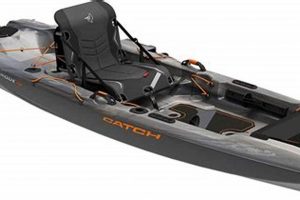
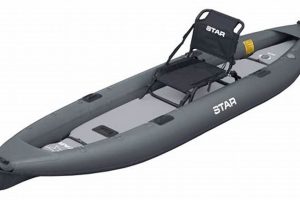
Strategies for successful angling from a kayak encompass a wide range of techniques and knowledge. These include selecting and outfitting the appropriate vessel, understanding paddling and maneuvering skills specific to fishing, utilizing specialized equipment like fish finders and rod holders, and employing effective casting and retrieval methods in a confined space. Practical advice on aspects such as safety precautions, navigation, and fish handling also falls under this scope. For example, learning to position a kayak effectively in moving water or understanding how to manage fishing lines and tackle while maintaining balance are crucial skills.
Improving angling success and overall enjoyment on the water are primary benefits of mastering these specialized skills. A well-equipped and strategically maneuvered kayak provides an angler with access to shallow waters and secluded fishing spots often inaccessible to larger boats. Furthermore, the quiet, non-motorized approach of kayak fishing minimizes disturbance to fish and their environment, potentially leading to more productive fishing experiences. As kayak fishing has grown in popularity, the development and refinement of these techniques have evolved significantly, driven by angler innovation and the increasing availability of specialized equipment.
This exploration will delve into specific areas of expertise within kayak angling, covering equipment choices, paddling techniques, fishing strategies, safety considerations, and best practices for responsible enjoyment of this rewarding outdoor activity.
Kayak Fishing Tips
Strategic preparation and execution are crucial for a successful kayak fishing excursion. The following tips offer guidance for enhancing on-the-water experiences.
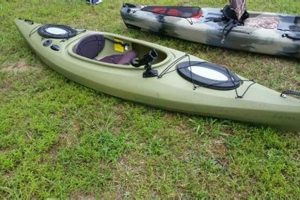
Tip 1: Stability is Paramount: Choose a kayak designed for stability, especially in challenging conditions. Wider hulls generally offer greater stability than narrower designs. Consider a sit-on-top kayak for easier re-entry after an accidental capsize.
Tip 2: Plan and Prepare: Research potential fishing locations, including water conditions, access points, and species present. Pack essential safety gear, including a personal flotation device, a whistle, and a communication device.
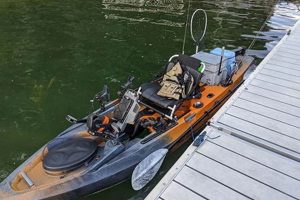
Tip 3: Organize and Secure Gear: Utilize specialized kayak fishing accessories such as rod holders, tackle boxes, and anchor trolleys to keep equipment organized and within easy reach. Secure all gear to prevent loss in the event of a capsize.
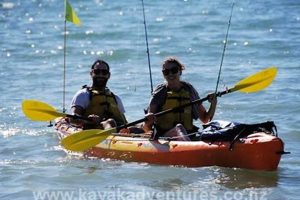
Tip 4: Master Paddle Strokes: Learn efficient paddling techniques to conserve energy and maneuver effectively in various water conditions. Practice turning, stopping, and maintaining position in currents or wind.
Tip 5: Employ Stealth Tactics: Approach fishing spots quietly, minimizing noise and disturbance. Avoid sudden movements and loud noises that could spook fish.
Tip 6: Adapt Fishing Techniques: Adjust casting and retrieval methods to account for the limited space and movement within a kayak. Practice shorter casts and controlled retrieves.
Tip 7: Respect the Environment: Adhere to Leave No Trace principles. Pack out all trash and fishing line. Avoid disturbing wildlife and sensitive habitats.
By implementing these strategies, anglers can enhance their safety, efficiency, and overall enjoyment on the water, leading to a more rewarding and successful kayak fishing experience.
These fundamental principles provide a solid foundation for successful kayak angling. Further exploration of specific techniques and equipment can enhance proficiency and enjoyment of this dynamic sport.
1. Stable Kayak Selection

A stable kayak forms the foundation of successful kayak fishing. Proper selection directly impacts maneuverability, safety, and overall fishing effectiveness. Choosing the right kayak is crucial among the various tips and tricks employed in this specialized angling method. Stability considerations influence casting accuracy, fish fighting capability, and angler comfort, particularly in challenging conditions.
- Hull Design and Stability
Hull design significantly influences kayak stability. Wider, flatter hulls generally provide greater initial stability, ideal for calmer waters and stationary fishing. However, they may sacrifice maneuverability and speed. Pontoon-style hulls offer exceptional stability but can be cumbersome in windy conditions. V-shaped hulls track well and handle chop effectively but offer less initial stability. Understanding the trade-offs between stability and performance is essential for selecting a kayak suited to the target fishing environment.
- Kayak Length and Stability
Longer kayaks generally track straighter and glide more efficiently, beneficial for covering distance and navigating currents. Shorter kayaks offer enhanced maneuverability in tight spaces and are often easier to transport. However, shorter kayaks can be less stable than longer ones. Balancing length with desired stability and intended use is a key factor in kayak selection.
- Weight Capacity and Stability
Weight capacity influences not only how much gear can be carried but also the kayak’s overall stability. Exceeding the recommended weight capacity compromises stability and performance. Anglers should consider their body weight, the weight of fishing gear, and any additional equipment when determining the appropriate weight capacity for their kayak.
- Seat Position and Stability
The kayak seat’s height and position also affect stability. Higher seats raise the angler’s center of gravity, potentially reducing stability. Lower seating positions enhance stability but can compromise paddling comfort and visibility. Evaluating seat design and adjustability contributes to overall comfort and balance on the water.
Selecting a stable kayak platform optimized for the intended fishing environment and angler’s needs significantly enhances safety and effectiveness. This fundamental choice underpins numerous other kayak fishing tips and tricks, enabling anglers to confidently focus on fishing rather than constantly managing balance and stability.
2. Efficient Paddle Strokes
Efficient paddle strokes are integral to successful kayak fishing, directly impacting maneuverability, stealth, and energy conservation. Within the broader context of kayak fishing tips and tricks, paddle stroke mastery allows anglers to position themselves effectively for casting, navigate currents and wind with minimal disturbance, and maintain focus on fishing rather than strenuous paddling. A direct correlation exists between efficient paddling and successful angling from a kayak. For example, a precisely executed forward stroke enables an angler to approach a promising fishing spot quietly and maintain position without repeated, disruptive paddling adjustments. Conversely, inefficient strokes create unnecessary noise and movement, potentially spooking fish and hindering fishing success. The ability to execute various paddle strokes effectively, such as turning strokes and bracing strokes, is crucial for maintaining stability and control in dynamic water conditions, often encountered in prime fishing locations.
Consider a scenario where an angler spots a promising eddy line along a riverbank. Efficient forward and turning strokes allow precise navigation to the target area without excessive splashing or abrupt movements. Once in position, a quiet, controlled draw stroke can hold the kayak against the current, maintaining an ideal fishing presentation. Alternatively, inefficient paddling might cause the kayak to overshoot the target or create disruptive ripples, alerting fish and diminishing fishing opportunities. The ability to transition smoothly between different strokes, adjusting power and angle as needed, enhances an angler’s control and adaptability on the water. This control translates directly into improved fishing opportunities and overall angling success.
Mastering efficient paddle strokes is fundamental to effective kayak fishing. It reduces fatigue, allowing anglers to fish longer and cover more water. It minimizes disturbance, increasing the chances of a successful catch. Furthermore, proficient paddling enhances safety by improving maneuverability in challenging conditions. This skill, therefore, represents a critical component within the wider array of kayak fishing tips and tricks, contributing directly to an angler’s efficiency, enjoyment, and success on the water.
3. Strategic Gear Placement

Strategic gear placement is a critical component of effective kayak fishing, directly influencing efficiency, safety, and overall angling success. Within the broader context of kayak fishing tips and tricks, organized gear placement minimizes wasted time searching for equipment, reduces clutter, and enhances safety by preventing entanglement or tripping hazards. A well-organized kayak allows anglers to focus on fishing rather than managing gear, maximizing fishing time and enhancing the overall experience. The cause-and-effect relationship between strategic gear placement and fishing success is evident: a readily accessible landing net allows for quick and efficient retrieval of a hooked fish, while a misplaced paddle can lead to frustrating delays or even compromise stability during a crucial moment. Practical examples illustrate this principle; an angler who strategically positions pliers, line cutters, and extra lures within easy reach can quickly re-rig and continue fishing, while an angler with disorganized gear may miss valuable fishing time searching for essential tools.
Consider a scenario where a fish strikes while an angler is drifting downstream. Rapid access to a strategically placed net, pliers, and camera allows for efficient landing, hook removal, and capture of the moment, all while maintaining control of the kayak. Conversely, an angler fumbling for misplaced equipment risks losing the fish, tangling lines, or even compromising stability. The practical significance of this understanding becomes readily apparent during critical moments on the water. Furthermore, strategic gear placement enhances safety by preventing entanglement hazards and keeping essential safety gear readily available in case of emergency. A readily accessible bilge pump, for instance, can be crucial in managing water ingress, while a strategically positioned first-aid kit can facilitate prompt treatment of minor injuries.
In conclusion, strategic gear placement is not merely a matter of organization but a fundamental element of successful kayak angling. It directly impacts efficiency, safety, and the overall fishing experience. By thoughtfully planning and implementing a strategic gear placement system, anglers can maximize their time on the water, enhance their safety, and improve their chances of angling success. This seemingly minor detail contributes significantly to the overall effectiveness of various kayak fishing tips and tricks, transforming a potentially frustrating experience into a streamlined and rewarding pursuit.
4. Stealthy Approach Techniques
Stealthy approach techniques are essential for successful kayak fishing, maximizing opportunities by minimizing disturbance to fish and their environment. Within the broader context of kayak fishing tips and tricks, a stealthy approach allows anglers to get closer to fish, increasing the likelihood of a successful presentation and minimizing the chances of spooking wary targets. This approach is especially crucial in shallow water or clear water conditions where fish are easily alerted by noise and movement. The core principle of stealth emphasizes minimizing any unnatural disturbances that could signal a predator’s presence, thereby increasing angling success.
- Minimizing Paddle Noise
Paddle noise can easily transmit through the water, alerting fish to an angler’s presence. Quiet paddle strokes, achieved by smooth, controlled movements and feathered blade entries and exits, are essential for maintaining a low profile. For instance, entering the blade at a shallow angle and slicing it smoothly through the water minimizes splashing and reduces noise, allowing closer approaches to target areas without spooking fish. Conversely, loud, splashing paddle strokes can send vibrations through the water, effectively announcing the angler’s presence and scattering fish.
- Reducing Kayak Movement
Excessive kayak movement, whether rocking or sudden shifts in position, can create pressure waves that alert fish. Maintaining a stable and balanced kayak position is crucial for remaining undetected. Consider an angler fishing in a shallow cove. Sudden movements, such as shifting weight or reaching for a rod, can create ripples that travel outwards, alerting fish in the vicinity. Conversely, maintaining a still and balanced position minimizes disturbance, increasing the likelihood of a successful presentation.
- Utilizing Natural Cover and Currents
Utilizing natural cover, such as overhanging vegetation or submerged logs, and drifting with existing currents minimizes an angler’s visual profile and reduces the need for disruptive paddling. For example, approaching a fishing spot by drifting with the current rather than paddling directly towards it creates a more natural presentation and minimizes disturbance. Similarly, positioning the kayak behind a screen of reeds or overhanging branches reduces visibility and allows for closer approaches to wary fish. These tactical uses of natural elements enhance stealth and increase the chances of a successful presentation.
- Controlling Casting Motion
While casting is necessary, uncontrolled or exaggerated casting motions can spook fish, especially in calm conditions. Smooth, controlled casts, delivered with precision and minimal splashing, are less likely to alarm nearby fish. A forceful, splashing cast can send shockwaves through the water, alerting fish to potential danger. In contrast, a gentle, controlled cast minimizes disturbance and increases the likelihood of a natural presentation, enticing fish to strike without hesitation.
By incorporating these stealthy approach techniques into their overall strategy, anglers significantly enhance their chances of success. These techniques, combined with other kayak fishing tips and tricks, create a synergistic effect, maximizing efficiency and enjoyment on the water. The ability to approach fish undetected is a fundamental skill in kayak fishing, allowing anglers to exploit the unique advantages of this angling platform and maximize their opportunities for success.
5. Adaptable Fishing Methods
Adaptable fishing methods are essential for maximizing success in kayak fishing. The confined nature of a kayak, combined with its maneuverability, necessitates modifications to traditional fishing techniques. Within the broader context of kayak fishing tips and tricks, adaptability becomes a defining characteristic, influencing lure choice, casting techniques, and fish-fighting strategies. This adaptability distinguishes kayak angling from other fishing platforms and contributes significantly to its unique challenges and rewards. Effective kayak anglers must possess a versatile skillset, capable of adjusting their approach based on prevailing conditions and target species. Understanding these adaptations unlocks the full potential of kayak fishing, transforming limitations into advantages.
- Vertical Jigging and Dropshotting
Vertical jigging and dropshotting techniques excel in kayak fishing scenarios, particularly when targeting fish holding tight to structure or suspended in the water column. The kayak’s maneuverability allows for precise positioning over specific targets, while its inherent stability enhances vertical presentation control. For instance, when fishing deep holes or submerged brush piles, a kayak angler can maintain position directly over the target, maximizing lure effectiveness. This precise vertical control is often difficult to achieve in larger, less maneuverable boats. Furthermore, the close proximity to the water afforded by a kayak enhances sensitivity, allowing anglers to detect subtle bites and react quickly.
- Short, Accurate Casts
The limited space within a kayak necessitates adjustments to casting techniques. Short, accurate casts, often executed with a sidearm or underhand motion, become crucial for navigating tight quarters and avoiding entanglement. For example, when fishing along a densely vegetated shoreline, a sidearm cast allows for precise lure placement beneath overhanging branches, while an underhand cast minimizes the risk of snagging overhead obstacles. These adapted casting techniques maximize fishing opportunities in confined environments while minimizing disruptions.
- Modified Fish-Fighting Tactics
Fighting a fish from a kayak presents unique challenges and requires modified techniques. The angler’s center of gravity is lower, increasing the risk of capsizing if proper precautions aren’t taken. Utilizing rod angles, drag settings, and kayak positioning becomes crucial for maintaining control and preventing line breakage. For instance, when battling a strong fish, an angler might lower the rod tip and lean into the fight, using body weight and kayak positioning to absorb the fish’s power. This adaptive approach minimizes strain on the angler and reduces the risk of losing the fish or capsizing.
- Lure Selection and Presentation
Lure selection and presentation often require adaptation in kayak fishing. Smaller, more compact lures may be preferred in tight quarters, while weedless or snag-resistant options are beneficial when fishing near heavy cover. For example, when fishing in shallow, weedy areas, a weedless frog or topwater lure allows for effective presentation without constant snags. Similarly, when targeting fish in deep water, a compact jig or soft plastic bait offers a more manageable and less cumbersome option from the limited confines of a kayak. Adapting lure choices to the specific conditions and target species maximizes efficiency and success.
These adaptable fishing methods are not merely adjustments but rather integral components of the overall kayak fishing experience. They demonstrate the inherent versatility required for successful kayak angling, transforming potential limitations into opportunities for enhanced interaction with the aquatic environment. Mastering these adaptations, alongside other kayak fishing tips and tricks, elevates kayak fishing from a simple activity to a refined angling pursuit.
6. Essential Safety Precautions
Essential safety precautions form an integral part of effective kayak fishing strategies. A direct correlation exists between angler safety and successful implementation of other kayak fishing tips and tricks. Compromised safety undermines an angler’s ability to focus on fishing techniques, maneuverability, and strategic decision-making. Real-life examples demonstrate this connection; an angler preoccupied with unstable water conditions or inadequate safety equipment cannot effectively execute precise casting techniques or navigate challenging currents. Conversely, a secure and prepared angler can confidently focus on optimizing fishing strategies and maximizing opportunities.
Consider a scenario where an angler encounters unexpected rough water. A properly secured personal flotation device (PFD) and knowledge of self-rescue techniques become paramount, potentially preventing a life-threatening situation. This preparedness allows the angler to address the immediate safety concern and then implement appropriate kayak handling techniques to navigate the challenging conditions. Without these precautions, the situation could escalate, hindering the angler’s ability to implement even basic kayak fishing strategies. Similarly, carrying a communication device enables an angler to summon assistance in case of equipment failure, sudden illness, or other unforeseen circumstances. This proactive approach to safety ensures a prompt response, mitigating potential risks and allowing the angler to prioritize immediate needs rather than struggling with compromised fishing equipment or unforeseen challenges.
Prioritizing essential safety precautions establishes a foundation for successful kayak angling. It allows for confident execution of other kayak fishing tips and tricks, enhancing overall effectiveness and enjoyment. Neglecting these precautions creates unnecessary risks, potentially compromising not only the fishing experience but also the angler’s well-being. Understanding and implementing essential safety measures is therefore not merely a prerequisite but a fundamental element of successful and responsible kayak fishing.
7. Respectful Environmental Practices
Respectful environmental practices are integral to sustainable kayak fishing and form a crucial component of effective kayak fishing tips and tricks. The interconnectedness between angling success and environmental stewardship underscores the importance of minimizing impact on aquatic ecosystems. Cause and effect relationships demonstrate this connection; discarded fishing line entangles wildlife, discarded tackle pollutes waterways, and disruptive behavior disturbs fish habitats. Conversely, responsible practices, such as proper waste disposal and respect for aquatic vegetation, contribute to a healthier environment and, consequently, a more productive and sustainable fishery. Real-life examples illustrate this principle: an angler who retrieves lost lures not only prevents environmental pollution but also safeguards future fishing opportunities by minimizing habitat disruption. Similarly, an angler who avoids disturbing nesting areas contributes to the long-term health of fish populations and the overall ecological balance of the aquatic environment.
Practical application of respectful environmental practices enhances the effectiveness of other kayak fishing tips and tricks. An angler who understands the importance of preserving water quality is more likely to choose biodegradable sunscreen and avoid using harmful chemicals near waterways. This mindful approach minimizes negative impacts on aquatic life, preserving the health of the ecosystem and ensuring future fishing opportunities. Furthermore, an angler who respects aquatic vegetation understands the vital role these plants play in providing habitat and oxygen for fish. Avoiding damage to these sensitive areas not only preserves the ecological balance but also enhances fishing success by maintaining healthy fish populations and productive fishing grounds. These practices align with the broader objective of sustainable angling, promoting long-term enjoyment and preservation of natural resources.
In conclusion, respectful environmental practices are not merely an ethical consideration but a fundamental element of effective kayak fishing. They represent a direct investment in the future of the sport, ensuring the sustainability of aquatic ecosystems and the continued enjoyment of kayak fishing for generations to come. Integrating these practices into the broader framework of kayak fishing tips and tricks strengthens the connection between anglers and the environment, fostering a sense of responsibility and promoting the long-term health and productivity of our natural resources. Challenges such as increasing fishing pressure and habitat degradation underscore the urgent need for widespread adoption of these practices, emphasizing their critical role in preserving the future of kayak fishing and the health of our aquatic ecosystems.
Frequently Asked Questions
This section addresses common queries regarding effective kayak fishing techniques and strategies, offering practical insights for anglers of varying experience levels.
Question 1: What type of kayak is best suited for fishing?
Sit-on-top kayaks are generally preferred for fishing due to their stability, self-bailing design, and ease of re-entry after a capsize. However, sit-inside kayaks can offer advantages in colder conditions due to their enclosed cockpit. Specific hull designs, such as pontoon or tunnel hulls, offer enhanced stability but may sacrifice maneuverability. Ultimately, the optimal kayak depends on individual preferences, target fishing environments, and anticipated conditions.
Question 2: What essential safety gear should be carried on a kayak fishing trip?
Essential safety gear includes a properly fitted personal flotation device (PFD), a whistle, a visual distress signal, a communication device (e.g., waterproof cell phone or VHF radio), a first-aid kit, and a bilge pump or bailing sponge. Navigation tools such as a compass or GPS device are also recommended, especially in unfamiliar waters. Additional safety measures might include a knife, a throw rope, and a headlamp or flashlight.
Question 3: How can anglers maintain stability while casting and retrieving from a kayak?
Maintaining a low center of gravity is crucial for kayak stability. Anglers should avoid sudden movements and keep their weight centered within the kayak’s hull. Practicing casting techniques while seated and utilizing bracing techniques can enhance stability. Wider kayaks generally offer greater stability, while outriggers or stabilizers can further enhance stability for anglers seeking additional support.
Question 4: What strategies can enhance fishing success from a kayak?
Effective strategies include utilizing a fish finder to locate fish-holding structures, employing stealthy approach techniques to avoid spooking fish, adapting lure choices and presentations to suit the specific environment, and mastering efficient paddle strokes for precise maneuvering. Understanding local fish behavior and adjusting fishing techniques accordingly can significantly improve catch rates. Furthermore, utilizing specialized kayak fishing accessories, such as anchor trolleys and rod holders, can enhance efficiency and streamline the angling experience.
Question 5: How does one manage fishing gear effectively within a kayak’s limited space?
Strategic gear placement is crucial for efficient kayak fishing. Utilizing specialized kayak fishing crates, tackle boxes, and rod holders maximizes storage capacity and keeps essential equipment within easy reach. Dry bags protect sensitive items from water damage, while minimizing clutter enhances safety and maneuverability within the kayak. Prioritizing essential gear and avoiding unnecessary items streamlines the experience and reduces clutter.
Question 6: What environmental considerations are important for responsible kayak fishing?
Respectful environmental practices include proper disposal of all trash and fishing line, avoiding disturbance of sensitive habitats such as nesting areas and vegetation beds, and adhering to catch and release guidelines whenever appropriate. Minimizing the use of harmful chemicals, such as non-biodegradable sunscreen, and practicing Leave No Trace principles contribute to the long-term health and sustainability of aquatic ecosystems. Responsible angling practices ensure the preservation of these valuable resources for future generations.
These responses provide foundational knowledge for enhancing kayak fishing proficiency and promoting responsible angling practices. Further exploration of specific techniques and safety protocols can further refine skills and contribute to a more rewarding experience.
The following section delves into advanced kayak fishing techniques, building upon the foundational knowledge presented in this FAQ.
Kayak Fishing Tips and Tricks
Successful kayak angling necessitates a comprehensive understanding of specialized techniques and strategies. Effective kayak fishing tips and tricks encompass equipment selection, efficient paddling techniques, strategic gear placement, stealthy approach methods, adaptable fishing tactics, essential safety precautions, and respectful environmental practices. Each element contributes significantly to optimizing angling success and ensuring a safe and rewarding experience. Proficiency in these areas allows anglers to effectively navigate diverse aquatic environments, target specific fish species, and maximize opportunities from a kayak’s unique vantage point.
Mastery of kayak fishing tips and tricks represents a journey of continuous learning and adaptation. As anglers gain experience and refine their skills, they contribute to the evolution of this dynamic angling discipline. This pursuit fosters a deeper connection with the aquatic environment, promoting responsible stewardship and ensuring the sustainability of this rewarding recreational activity for future generations. Continued exploration and refinement of these techniques will undoubtedly yield further advancements in kayak fishing, enhancing both its effectiveness and its enduring appeal.