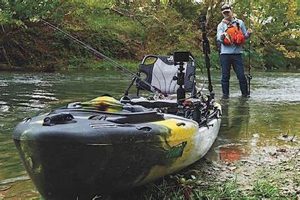
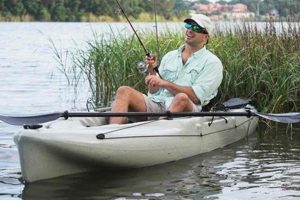
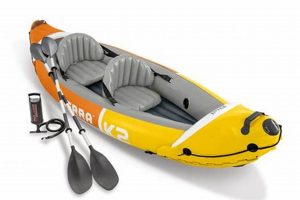
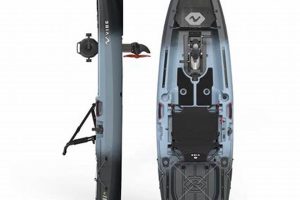
Galveston Island offers diverse environments ideal for kayak angling, from shallow flats and protected bays to open Gulf waters. Anglers can target numerous species, including redfish, speckled trout, flounder, and even sharks depending on location and season. Choosing the right launch point and understanding local conditions are essential for a successful fishing trip.
Kayak fishing provides a unique and intimate connection with the marine environment. The quiet maneuverability of a kayak allows access to areas unreachable by larger boats, leading to potentially better fishing opportunities. This approach also promotes low-impact fishing, minimizing disturbance to the ecosystem. Galveston’s rich history as a fishing hub combined with the growing popularity of kayak fishing makes it a premier destination for this activity.
This article will explore the various locations suitable for kayak fishing around Galveston Island, highlighting their specific features, recommended species to target, and necessary safety precautions. Information regarding launch sites, tides, local regulations, and essential gear will also be provided.
Tips for Kayak Fishing in Galveston
Successful kayak fishing in Galveston requires preparation and awareness. These tips offer guidance for a safe and productive experience.
Tip 1: Check Weather and Tide Charts: Wind, tides, and currents significantly impact kayak fishing. Consult forecasts before embarking and adjust plans accordingly. Strong winds can make paddling challenging and create unsafe conditions.
Tip 2: Choose the Right Launch Site: Galveston offers numerous launch sites, each with varying accessibility and suitability for kayaks. Research locations appropriate for the targeted fishing area and skill level.
Tip 3: Pack Essential Gear: Carry essential safety equipment, including a personal flotation device (PFD), a whistle, and a communication device. Fishing gear should be appropriate for target species and include tackle, bait, and a landing net.
Tip 4: Prioritize Safety: Inform someone of fishing plans, including location and expected return time. Carry a first-aid kit and be aware of potential hazards, such as boat traffic and changing weather conditions.
Tip 5: Respect Local Regulations: Familiarize oneself with Texas fishing regulations, including licensing requirements, size and bag limits, and any area-specific closures. Practice catch-and-release whenever possible.
Tip 6: Utilize a Fish Finder: A fish finder significantly improves the odds of locating fish. This technology identifies underwater structures and fish concentrations, maximizing fishing efficiency.
Tip 7: Employ Appropriate Fishing Techniques: Different species require different fishing techniques. Research effective methods for targeted fish in the chosen location. Local bait shops can provide valuable insights.
Adhering to these tips enhances safety and increases the likelihood of a successful and enjoyable kayak fishing experience in Galveston. Preparation, awareness, and respect for the environment contribute to a positive outing.
By understanding the nuances of kayak fishing in Galveston, anglers can fully appreciate the unique opportunities this activity provides.
1. West Bay

West Bay represents a prime location for kayak fishing within the Galveston complex. Its shallow flats, abundant seagrass beds, and proximity to deeper channels create a thriving ecosystem supporting various fish species, making it a popular choice for anglers.
- Accessibility and Launch Points:
West Bay offers numerous public boat ramps and kayak launch sites, providing easy access for anglers. These convenient access points allow for efficient deployment and retrieval of kayaks, maximizing fishing time. Several marinas and private businesses also offer kayak rentals and guided tours.
- Target Species and Fishing Techniques:
West Bay is renowned for its healthy populations of redfish, speckled trout, and flounder. Drift fishing with live bait or artificial lures proves effective, particularly along the edges of seagrass beds and near oyster reefs. Wade fishing is also a viable option in shallower areas.
- Environmental Considerations:
The shallow nature of West Bay makes it susceptible to wind and tide changes. Anglers should monitor weather forecasts closely and adjust fishing plans accordingly. Respecting the fragile seagrass ecosystem is crucial; minimizing disturbance by avoiding shallow-water motoring and practicing proper anchoring techniques helps preserve this vital habitat.
- Regulations and Safety:
Standard Texas fishing regulations apply in West Bay, including licensing requirements and bag limits. Wearing a personal flotation device (PFD) and carrying essential safety gear is recommended. Awareness of boat traffic and changing weather conditions enhances safety during the fishing experience.
West Bay’s combination of accessibility, diverse fish populations, and shallow-water environment makes it an ideal location for kayak anglers in Galveston. Understanding the nuances of this area, including ideal fishing locations, prevalent species, and necessary safety precautions, ensures a successful and rewarding fishing trip.
2. East Bay

East Bay holds significant relevance within the context of kayak fishing in Galveston. Its distinct characteristics differentiate it from West Bay, offering alternative fishing opportunities and experiences. The deeper waters and proximity to the Houston Ship Channel influence fish populations and require specific angling approaches. Understanding these nuances is crucial for successful kayak fishing in this area.
The deeper channels and open areas of East Bay provide habitat for larger species, including black drum, sheepshead, and occasionally, bull redfish. Drift fishing with heavier tackle and larger baits becomes more effective in these conditions. The presence of submerged structures, such as oyster reefs and spoil banks, attracts these larger fish, offering strategic fishing locations. Kayak anglers can leverage their maneuverability to access these areas, presenting an advantage over larger vessels. Tidal currents play a significant role in East Bay fishing, influencing fish movement and feeding patterns. Understanding tidal flows and their impact on target species improves fishing success.
While East Bay offers rewarding fishing opportunities, navigating its deeper waters and stronger currents requires increased caution and awareness. Staying informed about weather conditions and boat traffic is paramount. Kayakers should possess adequate paddling experience and ensure proper safety equipment is readily available. Recognizing the differences between East Bay and other Galveston fishing locations allows anglers to tailor their approach, increasing the likelihood of a productive and safe fishing experience. This understanding contributes to the overall success of kayak fishing within the Galveston Bay system.
3. Galveston Island State Park
Galveston Island State Park represents a crucial component within the broader context of kayak fishing locations around Galveston. The park offers distinct advantages for kayak anglers, particularly those seeking calmer waters and a more controlled environment. Its location on the west end of the island provides access to both West Bay and the Gulf of Mexico, offering diverse fishing opportunities. Within the park, designated paddling trails wind through marshes and shallows, creating ideal habitats for redfish, speckled trout, and flounder. These protected areas minimize the impact of wind and waves, making them suitable for less experienced kayakers. The park’s commitment to conservation and habitat restoration directly contributes to the health of the fish populations, enhancing the overall fishing experience.
Several factors contribute to the park’s suitability for kayak fishing. The availability of designated launch points simplifies access and reduces the logistical challenges associated with launching and retrieving kayaks. The presence of educational signage and readily available information regarding local regulations and fishing conditions empowers anglers to make informed decisions. The park’s natural setting, including the extensive marshes and seagrass beds, provides ample foraging opportunities for fish, increasing the likelihood of successful catches. For example, anglers targeting redfish can often find them tailing in the shallows during high tide, while those seeking flounder can explore the deeper channels and edges of the seagrass. The relatively calm waters within the park’s boundaries also make it a suitable location for practicing various kayak fishing techniques, such as sight casting and drift fishing.
Understanding the role of Galveston Island State Park as a key element of the kayak fishing landscape in Galveston provides anglers with valuable insights. Recognizing the specific opportunities and advantages offered by the park allows for targeted fishing strategies and enhances the overall experience. While other locations may offer more challenging or open-water experiences, the park’s emphasis on accessibility, conservation, and education makes it a valuable asset for both novice and experienced kayak anglers. By choosing to fish within the park, anglers contribute to the continued support and preservation of this valuable resource.
4. Offatts Bayou

Offatts Bayou presents a unique and valuable perspective within the context of kayak fishing in Galveston. Its sheltered location, connection to surrounding waterways, and specific environmental characteristics distinguish it from open bay or Gulf fishing experiences. This relatively calm waterway offers protection from strong winds and currents, making it a suitable location for anglers of varying skill levels, particularly those new to kayak fishing. The bayou’s connection to West Bay allows access to larger bodies of water while providing a more controlled and predictable environment for maneuvering a kayak. The surrounding marshes and shallow flats serve as nurseries for numerous fish species, creating a rich feeding ground that attracts redfish, speckled trout, and flounder. These factors combine to make Offatts Bayou a productive and accessible kayak fishing destination.
The bayou’s calm waters and proximity to residential areas also facilitate easy access and launch opportunities. Several public parks and access points along its shores provide convenient locations for launching kayaks. The reduced boat traffic compared to more open areas contributes to a quieter and more focused fishing experience. This peaceful environment allows anglers to observe wildlife and appreciate the natural surroundings while pursuing their target species. For example, anglers targeting redfish in Offatts Bayou can employ sight-fishing techniques, taking advantage of the clear water and shallow depths. Similarly, those seeking flounder can utilize drift fishing methods along the edges of the channels and drop-offs. The bayou’s unique ecosystem and sheltered location create an environment conducive to a variety of fishing techniques, accommodating different angler preferences and skill levels.
Understanding Offatts Bayou’s role within the Galveston kayak fishing landscape allows anglers to strategically choose locations that align with their individual needs and objectives. While open bay and Gulf fishing offer different experiences, Offatts Bayou provides a valuable alternative, especially for those seeking calmer waters, convenient access, and productive fishing opportunities. The sheltered nature of the bayou, combined with its diverse ecosystem and proximity to various amenities, enhances its appeal as a prime kayak fishing destination within the larger Galveston area. Recognizing the specific benefits and characteristics of Offatts Bayou contributes to a more informed and successful angling experience.
5. Chocolate Bayou
Chocolate Bayou offers a distinct brackish-water environment relevant to the broader topic of kayak fishing locations around Galveston. Its unique ecosystem, characterized by a mix of fresh and saltwater, supports a diverse range of fish species not typically found in purely saltwater environments. This brackish environment attracts species such as redfish, speckled trout, flounder, and even largemouth bass, creating opportunities for anglers seeking a varied fishing experience. The bayou’s network of smaller creeks and channels provides ample sheltered areas, making it conducive to kayak fishing. These protected waterways offer calmer conditions compared to open bays, reducing the impact of wind and waves and making them suitable for anglers of all skill levels. The presence of submerged vegetation and structures within the bayou creates ideal habitats for fish, concentrating them in specific areas and increasing the likelihood of successful catches.
The influence of freshwater inflow from surrounding rivers and streams plays a significant role in the bayou’s ecosystem dynamics. This inflow creates salinity gradients and nutrient-rich environments that attract and sustain diverse fish populations. Anglers targeting specific species can leverage their understanding of these gradients to locate optimal fishing spots. For instance, redfish often prefer areas with slightly higher salinity levels, while largemouth bass tend to congregate in areas with lower salinity and abundant vegetation. This interplay of freshwater and saltwater creates a dynamic fishing environment, requiring anglers to adapt their techniques and strategies accordingly. Moreover, the bayou’s relatively shallow depths and clear water clarity often allow for sight-fishing opportunities, particularly during periods of lower tides. Observing fish behavior and movement patterns becomes a crucial aspect of successful angling in these conditions. Understanding the bayou’s unique characteristics and the influence of environmental factors, such as salinity and tidal fluctuations, significantly enhances the likelihood of a productive fishing experience.
Chocolate Bayou’s relevance to kayak fishing near Galveston extends beyond its unique ecosystem. Its accessibility through various launch points along its length and proximity to other popular fishing areas contribute to its overall appeal. While not directly on Galveston Island, its location within reasonable driving distance makes it a viable option for anglers seeking a different type of fishing experience. The bayou’s calmer waters and sheltered environments provide a contrast to the open bays and Gulf waters, offering a valuable alternative for those seeking a less challenging or more relaxed fishing trip. Incorporating Chocolate Bayou into a comprehensive understanding of kayak fishing locations in the Galveston area expands the range of available options and caters to a wider spectrum of angler preferences and skill levels.
6. San Luis Pass (experienced kayakers only)

San Luis Pass represents a unique and challenging environment within the context of kayak fishing around Galveston. Its location at the westernmost point of Galveston Island, where the Gulf of Mexico meets West Bay, creates strong currents, shifting sandbars, and unpredictable conditions. While these factors present significant challenges, they also attract certain species, making it a potentially rewarding location for experienced kayak anglers. Understanding the inherent risks and specific requirements associated with San Luis Pass is crucial for a safe and successful fishing experience.
- Tidal Currents and Water Movement:
The convergence of the Gulf and bay waters at San Luis Pass generates powerful tidal currents. These currents can change rapidly and create challenging paddling conditions, requiring advanced kayak handling skills. Anglers must be proficient in maneuvering their kayaks in strong currents and possess the ability to navigate unpredictable water movement. Failure to properly account for these currents can result in dangerous situations.
- Target Species and Fishing Techniques:
The dynamic environment at San Luis Pass attracts larger species such as sharks, bull redfish, and jack crevalle. These fish are often drawn to the strong currents and abundance of baitfish congregating in the area. Anglers targeting these species typically employ heavier tackle and specialized fishing techniques, including drifting and bottom fishing. The potential rewards of catching larger fish come with increased challenges and require appropriate gear and experience.
- Safety Precautions and Risk Assessment:
Kayak fishing at San Luis Pass demands heightened safety awareness. Wearing a personal flotation device (PFD) is paramount, and carrying a communication device, such as a VHF radio or a waterproof cell phone, is essential. Informing someone of fishing plans, including expected return time, is a crucial safety measure. Continuously monitoring weather conditions and understanding the limitations of one’s kayaking abilities is essential for mitigating potential risks.
- Accessibility and Launch Points:
Accessing San Luis Pass requires careful planning and consideration of launch points. Limited options exist for launching kayaks directly into the pass, and anglers must choose locations that minimize exposure to strong currents and waves. Understanding the nuances of the area’s topography and water movement is essential for safe launching and retrieval. Consulting local resources and experienced anglers can provide valuable insights into appropriate launch strategies.
San Luis Pass occupies a specific niche within the broader context of kayak fishing destinations around Galveston. Its challenging conditions and potential rewards distinguish it from other locations. While offering opportunities for experienced anglers seeking larger species and a more adventurous experience, it requires a higher level of skill and preparedness. Recognizing the inherent risks and understanding the dynamics of this unique environment are crucial for a safe and successful kayak fishing trip. Choosing to fish at San Luis Pass requires careful consideration of personal abilities and a commitment to prioritizing safety above all else.
Frequently Asked Questions
This section addresses common inquiries regarding kayak fishing in Galveston, providing concise and informative responses.
Question 1: What are the most common fish species targeted by kayak anglers in Galveston?
Redfish, speckled trout, flounder, black drum, sheepshead, and sharks are frequently targeted. Specific species prevalence varies by location and season.
Question 2: Are there specific licensing requirements for kayak fishing in Galveston?
A valid Texas fishing license is required for anglers aged 17 and older. Specific license types and exemptions can be found on the Texas Parks and Wildlife Department website.
Question 3: What safety equipment is essential for kayak fishing in Galveston?
A personal flotation device (PFD), a whistle, a communication device (VHF radio or waterproof cell phone), and a first-aid kit are essential safety items.
Question 4: How do tides and currents influence kayak fishing in Galveston?
Tides and currents significantly impact fish behavior and movement. Consulting tide charts and understanding current patterns is crucial for successful fishing. Strong currents can also create challenging paddling conditions.
Question 5: Where can kayak launch sites be found in Galveston?
Numerous public boat ramps and designated kayak launch sites exist throughout Galveston Island and surrounding areas. Information regarding specific locations can be obtained from local resources and online maps.
Question 6: What are the primary considerations when choosing a kayak fishing location in Galveston?
Angler experience level, target species, desired fishing environment (calm waters versus open bays), and accessibility of launch sites should be considered when selecting a location.
Careful consideration of these frequently asked questions enhances angler preparedness and contributes to a safe and successful kayak fishing experience in Galveston. Understanding local regulations, environmental factors, and safety precautions is crucial for maximizing enjoyment and minimizing potential risks.
For further information and specific guidance, consulting local bait shops, fishing guides, and the Texas Parks and Wildlife Department is recommended.
Conclusion
Optimal locations for kayak fishing around Galveston vary based on angler experience and target species. West Bay offers shallow-water fishing for redfish and speckled trout, while East Bay presents opportunities for larger species in deeper waters. Galveston Island State Park provides a protected environment suitable for beginners. Offatts Bayou offers calm waters and diverse species, while Chocolate Bayou provides a unique brackish-water experience. San Luis Pass, with its strong currents, is recommended only for experienced kayakers. Understanding the distinct characteristics of each location is crucial for a successful and safe fishing trip.
Successful kayak fishing in Galveston necessitates careful planning, including consideration of weather conditions, tidal influences, and appropriate safety precautions. Respecting local regulations and practicing ethical angling ensures the preservation of this valuable resource for future generations. Informed decision-making regarding location selection, based on angler experience and target species, maximizes the potential for a rewarding and enjoyable experience. Continued exploration of Galveston’s diverse waters promises exciting opportunities for kayak anglers.