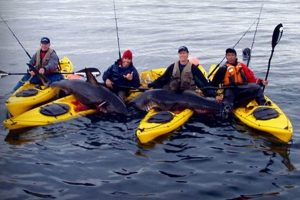
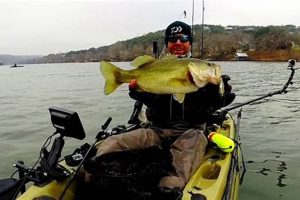
A structured program dedicated to kayak angling education provides instruction on various aspects of this increasingly popular sport. These programs can cover topics ranging from basic paddling and kayak control techniques to advanced angling strategies, fish species identification, and responsible fishing practices. An example would be a multi-day course covering kayak selection and outfitting, navigation, safety procedures, and specialized fishing techniques for different environments.
These educational opportunities offer significant advantages for anglers of all skill levels. Beginners benefit from foundational knowledge that ensures safety and increases their chances of success on the water, while experienced anglers can refine their techniques and gain specialized knowledge applicable to specific fish species or locations. The growth of such structured learning environments reflects the increasing complexity and popularity of kayak fishing, providing a valuable resource for anglers seeking to enhance their skills and understanding of the sport within a structured, supportive setting.
The following sections will explore specific areas of kayak angling education in greater detail, covering equipment selection, safety considerations, paddling techniques, fishing strategies, and environmental stewardship. A deeper understanding of these core components will equip anglers with the knowledge and skills necessary for a safe, successful, and enjoyable kayak fishing experience.
Essential Kayak Angling Tips
Proper preparation and technique are crucial for a safe and successful kayak fishing excursion. The following tips offer guidance for anglers of all skill levels.
Tip 1: Stability is Paramount: Select a kayak designed for stability, especially in challenging conditions. Wider hulls generally offer greater stability than narrower designs. Consider a sit-on-top kayak for enhanced stability and ease of re-entry if capsized.
Tip 2: Dress for Immersion: Always wear a personal flotation device (PFD). Dress in layers appropriate for the water temperature, not the air temperature. Avoid cotton clothing, which absorbs water and can contribute to hypothermia.
Tip 3: Plan and Share Your Trip: File a float plan with a trusted individual, detailing your intended route, launch and return times, and emergency contacts. Carry a waterproof communication device, such as a VHF radio or a satellite messenger, for emergencies.
Tip 4: Master Basic Paddle Strokes: Efficient paddling conserves energy and allows for precise boat control. Learn essential strokes like the forward stroke, reverse stroke, sweep stroke, and draw stroke for maneuvering in various conditions.
Tip 5: Understand Water Conditions: Check weather forecasts and tide charts before heading out. Be aware of potential hazards such as strong currents, winds, and submerged obstacles. Avoid fishing in conditions beyond one’s skill level.
Tip 6: Practice Catch and Release Techniques: Handle fish with care to minimize stress and injury. Use appropriate hooks and tackle. Wet hands before handling fish and revive them properly before release.
Tip 7: Respect the Environment: Pack out all trash and fishing line. Avoid disturbing wildlife and sensitive habitats. Adhere to all applicable fishing regulations and licensing requirements.
By adhering to these guidelines, anglers can significantly enhance their safety, improve their fishing success, and contribute to the preservation of aquatic environments. These foundational principles promote responsible and enjoyable kayak angling experiences.
These preparatory steps and practical techniques provide a framework for successful kayak angling. The following conclusion summarizes key takeaways for a rewarding experience on the water.
1. Expert Instruction

Expert instruction forms the cornerstone of a successful fishing kayak academy. It provides the foundational knowledge and practical skills necessary for safe and effective kayak angling. Qualified instructors bridge the gap between theoretical understanding and real-world application, equipping students with the competence to navigate various fishing scenarios.
- Kayak Control and Maneuvering
Proficiency in kayak control is fundamental. Instructors teach essential paddling techniques, including forward and reverse strokes, sweep strokes, and draw strokes, enabling students to maneuver efficiently in diverse water conditions. This control is crucial for navigating currents, wind, and obstacles, as well as for positioning the kayak effectively for fishing.
- Fishing Techniques and Strategies
Expert instructors impart specialized fishing techniques tailored to kayak angling. These include casting methods adapted for a seated position, strategies for trolling and drift fishing, and species-specific tactics. Understanding fish behavior, habitat preferences, and appropriate tackle selection is also emphasized.
- Safety Procedures and Emergency Response
Safety is paramount in kayak angling. Expert instruction covers essential safety procedures, such as proper PFD usage, self-rescue techniques, and emergency communication protocols. Students learn how to react to capsizing, navigate challenging conditions, and handle unforeseen circumstances, minimizing risks on the water.
- Environmental Awareness and Stewardship
Responsible angling practices are integral to a comprehensive fishing kayak academy. Expert instructors emphasize environmental awareness, educating students on minimizing their impact on aquatic ecosystems. This includes proper catch-and-release techniques, minimizing fishing line debris, and respecting wildlife habitats.
The integration of these facets of expert instruction contributes significantly to the overall effectiveness of a fishing kayak academy. By providing students with a comprehensive skill set encompassing kayak control, fishing techniques, safety protocols, and environmental stewardship, these programs empower anglers to pursue their passion responsibly and successfully.
2. Specialized Equipment

Specialized equipment plays a crucial role in a fishing kayak academy’s effectiveness, directly impacting learning outcomes and overall experience. The correct gear bridges the gap between theoretical knowledge and practical application, enabling students to develop proficiency in a safe and controlled environment. This specialized equipment encompasses several key categories.
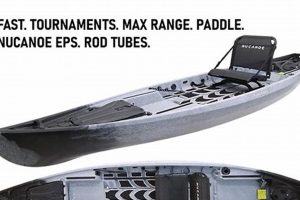
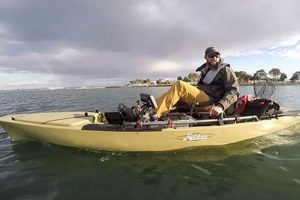
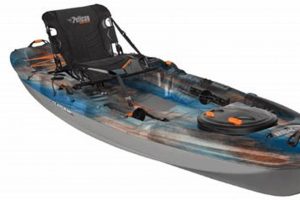
Kayaks Designed for Fishing: Unlike recreational kayaks, fishing kayaks offer features specifically designed for angling. These include rod holders, tackle storage compartments, anchor systems, and often, specialized seating designed for stability and comfort during long fishing sessions. Academies utilizing these purpose-built kayaks provide students with a realistic platform for practicing techniques and developing a feel for the specialized nature of kayak fishing. For example, a sit-on-top kayak with a stable hull and integrated rod holders allows for hands-free fishing and easy re-entry after a water landing, fostering confidence and skill development. Similarly, pedal-powered kayaks offer advantages in certain fishing environments, freeing hands for casting and retrieving.
Fish Finders and Electronics: Modern fish finders and GPS units are essential tools for locating fish and navigating waterways. Academies incorporating these technologies into their curriculum enhance students’ understanding of fish behavior, habitat preferences, and effective angling strategies. Practical experience using these electronics translates directly to improved fishing success and provides valuable insights into underwater environments. Using side-scan sonar, for example, allows students to visualize underwater structures and identify potential fishing hotspots, reinforcing classroom learning and promoting strategic angling practices. GPS integration enhances navigational skills, enabling safe exploration of new fishing areas.
Safety Gear and Communication Devices: Prioritizing safety, academies equip students with essential safety gear, including personal flotation devices (PFDs), whistles, and first-aid kits. In addition, some academies provide or recommend communication devices like VHF radios or satellite messengers for emergency situations, reinforcing the importance of preparedness on the water. Practical training in the use of this equipment fosters a safety-conscious approach to kayak angling.
The provision of specialized equipment is not merely a logistical consideration; it is a pedagogical imperative. It facilitates effective skill development, enhances the learning experience, and underscores the importance of safety and preparedness. Investing in and utilizing this specialized equipment contributes directly to the academy’s ability to produce competent and responsible kayak anglers. It also promotes responsible practices and instills a deeper appreciation for this specialized and technical pursuit.
3. Safety Protocols
Safety protocols are integral to the structure and operation of a fishing kayak academy. Their importance stems from the inherent risks associated with on-water activities, magnified by the specialized nature of kayak angling. A comprehensive approach to safety ensures a positive learning environment while mitigating potential hazards, fostering confidence among participants and contributing to the academy’s credibility. This involves a multi-pronged approach covering pre-trip preparation, on-water procedures, and emergency response strategies. For instance, a pre-trip checklist emphasizing equipment inspection, weather assessment, and communication planning instills a proactive safety mindset. On-water protocols, such as maintaining safe distances between kayaks and adhering to navigational rules, prevent accidents. Established emergency procedures, including capsize recovery drills and communication protocols, equip participants with the skills to manage unforeseen situations.
Implementing effective safety protocols fosters a culture of preparedness and risk mitigation within the academy. Real-life examples underscore this importance. A student adequately trained in self-rescue can confidently manage a capsize incident, minimizing the risk of injury or panic. Similarly, adherence to communication protocols ensures that assistance can be summoned promptly in the event of an emergency. Conversely, neglecting these protocols can lead to negative outcomes. Failing to check weather conditions might expose participants to hazardous storms, while inadequate instruction on kayak handling could result in collisions or capsizing. These examples highlight the cause-and-effect relationship between safety protocols and the prevention of accidents, establishing their practical significance within the context of kayak angling instruction.
Comprehensive safety protocols form a non-negotiable foundation for responsible kayak angling instruction. Addressing potential risks through established procedures, practical training, and a proactive safety culture minimizes the likelihood of incidents, ensuring a positive and productive learning environment. This commitment to safety not only protects participants but also enhances the academy’s reputation and contributes to the overall growth and sustainability of the sport. The ongoing evaluation and refinement of these protocols, informed by best practices and incident analysis, remains crucial for continuous improvement and adaptation to evolving challenges within the dynamic environment of kayak angling.
4. Location Appropriateness
Location appropriateness is a critical factor in the success of a fishing kayak academy. The chosen environment directly impacts the learning experience, influencing skill development, safety, and overall enjoyment. Careful consideration of various location-specific factors ensures an effective and rewarding educational experience. These factors encompass environmental conditions, accessibility, target species, and alignment with the academy’s curriculum.
- Water Conditions and Accessibility
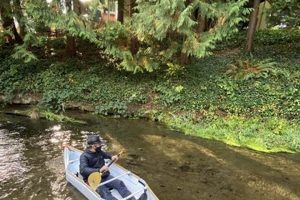
Calm, sheltered waters are ideal for beginner instruction, allowing students to focus on fundamental techniques without the added challenge of strong currents or waves. Easy access points simplify launching and retrieval, minimizing logistical complexities and maximizing instructional time. Conversely, advanced courses might utilize more challenging environments to develop specific skills, such as navigating tidal currents or handling open-water conditions. For example, a sheltered cove provides an ideal setting for practicing basic paddling and casting techniques, while a tidal river allows for instruction on current management and specialized fishing strategies.
- Target Species and Habitat
The location’s fish population and habitat characteristics should align with the academy’s curriculum. If a course focuses on a particular species, the chosen location should provide ample opportunities to target that species. The habitat itself influences fishing techniques and equipment selection, providing valuable real-world experience. A mangrove estuary, for example, presents a different set of challenges and opportunities compared to an open-water reef, requiring specific angling approaches and kayak configurations. Matching the location to the target species ensures practical application of learned skills.
- Safety Considerations and Local Regulations
Location selection must prioritize safety. Factors like water depth, currents, boat traffic, and potential hazards should be carefully assessed. Adherence to local fishing regulations and permitting requirements is essential, promoting responsible angling practices and compliance with legal frameworks. For instance, choosing a location with minimal boat traffic reduces the risk of collisions, while awareness of local fishing regulations ensures responsible resource management.
- Logistical Considerations and Support Infrastructure
Practical considerations like parking availability, restroom facilities, and proximity to emergency services enhance the overall learning experience. The presence of supporting infrastructure, such as kayak rental facilities or local guides, can streamline logistical arrangements and provide additional resources for participants. Convenient access to these amenities minimizes disruptions and allows for a more focused and productive educational experience.
The careful selection of appropriate locations is integral to achieving the educational objectives of a fishing kayak academy. A location that considers water conditions, target species, safety factors, and logistical considerations enhances skill development, promotes responsible angling practices, and creates a positive and rewarding experience for participants. By aligning the learning environment with the curriculum and the specific needs of the students, the academy maximizes the effectiveness of its instruction and fosters a deeper appreciation for the sport of kayak angling.
5. Effective Curriculum

An effective curriculum is the backbone of a successful fishing kayak academy. It provides a structured framework for skill development, ensuring that participants acquire the necessary knowledge and practical abilities for safe and enjoyable kayak angling. A well-designed curriculum considers the target audience’s experience level, tailoring content to meet specific learning objectives. This structured approach ensures a progressive learning curve, building upon foundational skills and introducing more advanced concepts systematically. For example, a beginner’s curriculum might focus on basic paddling techniques, kayak stability, and fundamental fishing strategies, while an advanced curriculum might delve into specialized techniques like anchor trolling, drift fishing, or species-specific angling methods. The curriculum’s effectiveness directly impacts participant competence, influencing their ability to apply learned skills in real-world fishing scenarios. A curriculum lacking clear learning objectives or practical application can lead to skill gaps, hindering on-the-water performance and potentially compromising safety.
The practical significance of an effective curriculum extends beyond basic skill acquisition. It encompasses essential aspects of responsible angling, including ethical considerations, environmental awareness, and conservation practices. Integrating these elements into the curriculum fosters a holistic understanding of kayak angling, promoting sustainable practices and responsible stewardship of aquatic resources. For instance, a curriculum might include modules on catch-and-release techniques, minimizing environmental impact, and adhering to local fishing regulations. This multifaceted approach fosters a deeper appreciation for the sport and empowers participants to make informed decisions that benefit both their fishing experience and the long-term health of aquatic ecosystems. Furthermore, a well-structured curriculum facilitates efficient knowledge transfer, maximizing instructional time and ensuring comprehensive skill development. This efficiency benefits both instructors and participants, optimizing the learning process and enhancing the overall educational experience.
A comprehensive and well-structured curriculum is essential for a fishing kayak academy to fulfill its educational mission. By providing a clear pathway for skill development, integrating principles of responsible angling, and facilitating efficient knowledge transfer, an effective curriculum empowers participants to become competent, ethical, and environmentally conscious kayak anglers. The curriculum’s design should reflect a commitment to continuous improvement, incorporating feedback from instructors and participants to refine content and address evolving needs within the sport. This adaptive approach ensures that the curriculum remains relevant, effective, and aligned with the academy’s overarching goal of promoting safe, enjoyable, and sustainable kayak angling practices.
Frequently Asked Questions
The following addresses common inquiries regarding specialized kayak angling instruction.
Question 1: What are the typical prerequisites for joining a fishing kayak academy?
Prerequisites vary depending on the specific program and skill level. Some introductory courses may require no prior kayaking or fishing experience, while advanced courses may necessitate demonstrated proficiency in basic paddling and angling techniques. Certain programs may also require participants to possess their own kayak and fishing gear.
Question 2: How does specialized kayak angling instruction differ from general kayaking or fishing instruction?
Specialized instruction focuses on the unique skills and challenges associated with fishing from a kayak. This includes techniques for maintaining stability while casting and reeling, maneuvering in various water conditions, utilizing specialized kayak fishing equipment, and understanding the nuances of different fishing environments from a kayak perspective.
Question 3: What safety measures are typically implemented in a fishing kayak academy?
Safety is paramount. Academies typically mandate the use of personal flotation devices (PFDs) and provide comprehensive safety briefings covering topics such as self-rescue techniques, emergency communication protocols, and navigation rules. On-water supervision by qualified instructors is standard practice.
Question 4: What types of fishing kayaks are commonly used in these programs?
Kayaks used in fishing kayak academies are typically sit-on-top models designed for stability and outfitted with features specific to angling, such as rod holders, tackle storage, and anchor systems. The choice of kayak may vary depending on the specific curriculum and the fishing environment.
Question 5: What is the typical duration of a fishing kayak academy course?
Course duration varies. Introductory courses may span a single day, focusing on fundamental skills, while more comprehensive programs can extend over several days or even weeks, covering advanced techniques and specialized fishing strategies.
Question 6: How can one find reputable fishing kayak academies?
Reputable academies often have certified instructors with extensive experience in both kayaking and fishing. Recommendations from local angling communities, online reviews, and affiliations with recognized paddling or fishing organizations can help identify credible programs. Directly inquiring about instructor qualifications, safety protocols, and curriculum details provides valuable insights into an academy’s quality.
Thorough consideration of these frequently asked questions empowers individuals to make informed decisions regarding specialized kayak angling instruction, ensuring a safe, rewarding, and educational experience.
Further information regarding specific program offerings, curriculum details, and enrollment procedures can be found in the following sections.
Conclusion
Specialized kayak angling instruction, offered through structured academies, equips individuals with the necessary knowledge and skills for a safe and successful experience. From foundational paddling techniques and kayak control to advanced fishing strategies and species-specific knowledge, these programs provide comprehensive training tailored to the unique challenges and opportunities of this increasingly popular sport. Rigorous safety protocols, specialized equipment, and appropriate location selection are integral components of effective instruction, ensuring a secure and productive learning environment.
The growth and development of fishing kayak academies reflect the evolving nature of the sport itself. As kayak angling continues to gain popularity, the demand for structured educational opportunities will likely increase. These academies play a crucial role in fostering responsible angling practices, promoting environmental stewardship, and ensuring the long-term sustainability of this exciting and rewarding pursuit. Continued emphasis on safety, education, and conservation will shape the future of kayak angling, contributing to a thriving community of informed and responsible anglers.