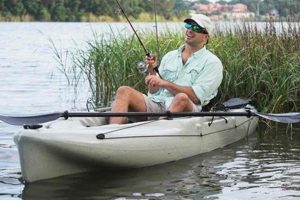
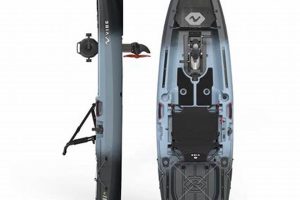
Competitive angling events held in the Lone Star State, utilizing small, human-powered vessels, offer a unique blend of skill, strategy, and sportsmanship. These events typically involve participants competing to catch the largest or most fish within a specified timeframe, adhering to specific rules and regulations. For instance, a tournament might focus on a particular species like bass or redfish, with prizes awarded based on weight, length, or number caught.
Such competitions contribute significantly to the state’s vibrant fishing culture, promoting conservation awareness and economic activity within local communities. They provide a platform for anglers of all skill levels to test their abilities against one another while fostering camaraderie and respect for the natural environment. The historical context of these events reflects the growing popularity of kayak fishing itself, demonstrating its evolution from a niche activity to a mainstream competitive sport.
Further exploration will cover key aspects including popular tournament destinations, specific rules and regulations, recommended equipment and techniques, and the growing community surrounding this exciting sport.
Tips for Competitive Kayak Angling in Texas
Success in competitive kayak angling requires careful preparation and strategic execution. The following tips offer guidance for enhancing performance and maximizing the chances of a successful outcome.
Tip 1: Pre-Fishing Scouting: Thoroughly research potential fishing locations before the tournament. Identifying key areas holding target species is crucial. Utilize online maps, local fishing reports, and personal experience to pinpoint productive zones.
Tip 2: Rigging Efficiency: Prepare multiple rod-and-reel setups rigged with various lures and lines to adapt quickly to changing conditions or target different species. Pre-tying leaders and organizing tackle boxes streamlines transitions and saves valuable time on the water.
Tip 3: Kayak Control Mastery: Practice maneuvering the kayak efficiently. Precise boat control enables anglers to maintain optimal casting positions and present lures effectively, especially in windy conditions or strong currents.
Tip 4: Weather Awareness: Closely monitor weather forecasts leading up to and during the tournament. Understanding wind patterns, temperature fluctuations, and precipitation probabilities allows for strategic adjustments in fishing locations and techniques.
Tip 5: Fish Handling and Conservation: Proper handling techniques ensure fish are quickly and safely released. Utilizing appropriate tools like lip grips and de-hooking devices minimizes stress on the fish, promoting their well-being.
Tip 6: Tournament Rules Familiarity: Thoroughly review the tournament’s specific rules and regulations. Understanding boundaries, permitted fishing methods, and size or bag limits prevents disqualifications and ensures fair competition.
Implementing these strategies increases the likelihood of a successful tournament outcome. Preparation, adaptability, and respect for the environment contribute significantly to a positive and rewarding experience.
By incorporating these tips, anglers can approach competitive kayak fishing in Texas with confidence and increase their chances of success.
1. Competition

The competitive element is fundamental to kayak fishing tournaments held in Texas. It provides the driving force behind angler participation, pushing individuals to refine their skills and strategies. Competition fosters a challenging yet rewarding environment where anglers test their abilities against both the natural world and fellow competitors. The pursuit of victory encourages innovation in techniques, equipment choices, and pre-fishing scouting. For example, anglers might experiment with different lure presentations or explore less-frequented areas to gain a competitive edge. This pursuit of excellence elevates the overall skill level within the sport and contributes to its continued growth.
The structure of these competitions varies, often focusing on specific target species or employing different scoring systems. Some tournaments emphasize the total weight of fish caught, while others reward the single largest fish. This diversity in formats caters to different angling preferences and skill sets, broadening the appeal of competitive kayak fishing. The competitive framework also fosters a sense of community and camaraderie among participants. While individual achievement is celebrated, the shared experience of challenging oneself in a competitive setting creates lasting bonds and fosters a spirit of sportsmanship.
Understanding the integral role of competition within Texas kayak fishing tournaments is crucial for appreciating the dynamics of this growing sport. The competitive drive not only motivates individual anglers but also fuels innovation and fosters community development. This dynamic interplay between competition and camaraderie strengthens the fabric of kayak fishing in Texas and contributes to its enduring popularity.
2. Kayaks

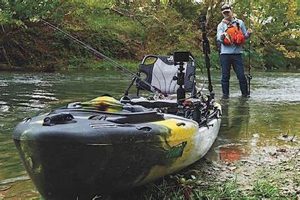
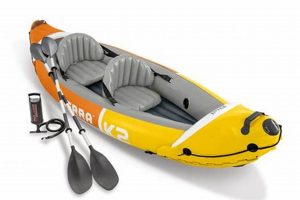
Specialized kayaks play a crucial role in competitive angling events across Texas. Vessel selection significantly impacts an angler’s performance and success. Understanding the key features and considerations related to kayak choice is essential for effective tournament participation.
- Stability
Stability is paramount, especially in challenging conditions. A stable platform allows for effortless casting, fighting fish, and landing catches without compromising safety. Wider kayaks generally offer greater stability, while narrower designs prioritize speed. Anglers often choose sit-on-top kayaks for their inherent stability and self-bailing capabilities, valuable features in rough waters or when handling large fish. This stability directly influences an angler’s ability to focus on fishing techniques and maximize their chances of success.
- Propulsion
Efficient propulsion systems are vital for covering water and reaching productive fishing spots. Paddle kayaks offer excellent maneuverability and stealth, allowing anglers to navigate shallow areas and approach fish discreetly. Pedal-driven kayaks, while generally faster, may sacrifice some maneuverability in tight spaces. Choosing the appropriate propulsion system depends on the specific tournament environment and target species. For example, a paddle kayak might be preferable in a shallow marsh, while a pedal kayak offers advantages in larger lakes or reservoirs.
- Storage and Organization
Ample storage space is essential for carrying tackle, rods, and safety gear. Well-organized storage systems allow for quick access to equipment, minimizing time spent searching for specific items. Kayaks designed for fishing often feature dedicated compartments for rods, tackle boxes, and other essential gear. Efficient organization streamlines transitions between fishing locations and techniques, maximizing time spent actively fishing. This efficient use of time becomes particularly crucial during timed tournament sessions.
- Customization and Accessories
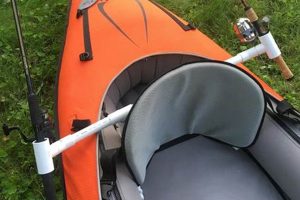
Customization options and accessories enhance kayak functionality and angler performance. Fish finders, rod holders, and anchor systems contribute to effective fishing strategies. Many anglers customize their kayaks with specialized lighting systems for early morning or late evening fishing, increasing visibility and safety. The ability to tailor a kayak to specific needs and fishing styles plays a significant role in tournament success. For instance, mounting a fish finder provides crucial information about underwater structure and fish location, giving anglers a strategic advantage.
The choice of kayak significantly influences competitive outcomes in Texas kayak fishing tournaments. Selecting a kayak that balances stability, propulsion, storage, and customization options enhances angler performance and contributes to a successful tournament experience. A well-equipped and appropriately chosen kayak becomes an extension of the angler’s skills, allowing them to effectively navigate the challenges and capitalize on the opportunities presented by the diverse fishing environments found throughout Texas.
3. Fishing

Fishing forms the core of kayak fishing tournaments in Texas. While the competitive framework and specialized equipment play significant roles, the fundamental act of angling remains central. A deep understanding of fish behavior, habitat preferences, and effective fishing techniques is essential for success in these tournaments. The connection between fishing prowess and tournament outcomes is direct; anglers who demonstrate mastery of fishing skills consistently achieve higher rankings. For example, an angler skilled in reading water conditions and identifying likely ambush points for target species possesses a distinct advantage. This understanding allows for strategic lure selection and presentation, increasing the probability of enticing a strike. Furthermore, knowledge of seasonal fish movements and feeding patterns significantly influences fishing location choices.
The practical application of fishing knowledge within a tournament setting requires adaptability and strategic decision-making. Anglers must continuously assess conditions, adjust their techniques, and make informed choices about fishing locations based on observed factors such as water clarity, temperature, and wind direction. The ability to interpret these environmental cues and respond effectively distinguishes successful tournament anglers. For instance, if an angler observes baitfish activity in a particular area, switching to a lure that mimics that baitfish might yield positive results. Similarly, adjusting retrieval speed or depth based on observed fish behavior can significantly impact catch rates. This dynamic interplay between angler knowledge and real-time environmental assessment underlies successful fishing strategies in tournament settings.
Effective fishing within the context of kayak fishing tournaments hinges on a combination of skill, knowledge, and adaptability. Mastery of fishing techniques, coupled with an understanding of fish behavior and habitat preferences, provides a foundation for success. However, the ability to apply this knowledge strategically in a dynamic tournament environment, adapting to changing conditions and making informed decisions based on observation, ultimately determines competitive outcomes. This dynamic interaction between angler expertise and the aquatic environment underscores the essential role fishing plays in shaping the outcomes of kayak fishing tournaments throughout Texas. Furthermore, a strong emphasis on ethical fishing practices, including catch-and-release techniques, ensures the sustainability of this exciting and competitive sport.
4. Texas Locations

The diverse aquatic landscapes of Texas play a crucial role in shaping the character and appeal of kayak fishing tournaments. Venue selection significantly influences target species, fishing techniques, and overall tournament experience. Understanding the characteristics of popular tournament locations provides valuable insight into the strategic considerations faced by anglers. From the coastal flats to inland reservoirs, the chosen location becomes an integral component of the tournament’s dynamic.
- Coastal Flats and Bays
Shallow, saltwater environments like the Laguna Madre and Galveston Bay offer prime habitat for redfish, speckled trout, and flounder. Tournaments held in these locations often emphasize shallow-water fishing techniques, requiring kayaks designed for stability and maneuverability in shallow drafts. Tidal influences and wind conditions play significant roles in fishing strategies, demanding adaptability from anglers. The vast expanse of these coastal areas presents navigational challenges, emphasizing the importance of pre-fishing scouting and local knowledge.
- Inland Lakes and Reservoirs
Large freshwater bodies such as Lake Fork and Sam Rayburn Reservoir host tournaments primarily targeting bass. These locations offer diverse habitats, including submerged vegetation, standing timber, and rocky drop-offs. Anglers often utilize fish finders and GPS technology to locate structure and fish concentrations. The size of these reservoirs requires efficient propulsion systems, with pedal-driven kayaks frequently preferred for covering larger distances. Understanding seasonal bass behavior and adjusting fishing techniques accordingly becomes crucial for success.
- Rivers and Streams
River systems like the Guadalupe and Brazos Rivers provide unique tournament environments. Species such as bass, catfish, and Guadalupe bass present distinct challenges and require specialized fishing approaches. Current flow, water clarity, and access points influence fishing strategies. Kayaks designed for river navigation, offering a balance of stability and maneuverability, become essential. Knowledge of river structure, including riffles, pools, and undercut banks, enhances angler success.
- Private Ponds and Lakes
Some tournaments utilize privately owned ponds and lakes, offering controlled environments and often focusing on specific species like bass or catfish. These locations provide a different set of challenges, often emphasizing precise casting and lure presentation due to the smaller size and contained nature of the water bodies. Knowledge of the pond’s stocking history and fish behavior becomes paramount. While the scale may differ from larger venues, the competitive element and strategic considerations remain central.
The diversity of Texas locations adds depth and complexity to kayak fishing tournaments. Each venue presents unique challenges and opportunities, demanding adaptability and strategic thinking from anglers. Understanding the specific characteristics of each location, including target species, habitat features, and environmental influences, contributes significantly to successful tournament performance. The interplay between location and angler expertise forms a core element of the competitive kayak fishing landscape in Texas.
5. Regulations
Regulations form an integral component of kayak fishing tournaments in Texas, ensuring fair competition, resource sustainability, and angler safety. These rules govern various aspects of tournament participation, influencing angler behavior and shaping the overall event structure. Compliance with established regulations is mandatory for all participants, contributing to the integrity and longevity of the sport. A clear understanding of these regulations is essential for both organizers and competitors. For instance, size and bag limits for specific species are frequently implemented to prevent overfishing and maintain healthy fish populations. Adherence to these limits ensures the continued viability of the fishery and supports conservation efforts.
Specific regulations often address permitted fishing methods, equipment restrictions, and boundary delineations. Allowable fishing methods might be limited to artificial lures only, promoting sporting ethics and minimizing environmental impact. Equipment restrictions could include limitations on motor size or the use of specific electronic devices, ensuring a level playing field among competitors. Clearly defined boundaries prevent disputes and maintain the integrity of the competition. For example, some tournaments might restrict the use of live bait to prevent the introduction of invasive species or to promote specific angling techniques. These specific regulations contribute to the fairness and sustainability of the tournament environment.
Understanding and adhering to regulations are crucial for the successful execution and continued growth of kayak fishing tournaments in Texas. These rules provide a framework for fair competition, promote conservation efforts, and enhance angler safety. Compliance with regulations demonstrates respect for the environment and fellow competitors, fostering a positive and sustainable tournament culture. Challenges associated with enforcement and evolving regulations require ongoing dialogue and collaboration between tournament organizers, anglers, and regulatory bodies. This collaborative approach ensures that regulations remain relevant, effective, and supportive of the sport’s long-term health and viability in Texas.
6. Prizes/Awards
Prizes and awards represent a significant component of kayak fishing tournaments in Texas, serving as both an incentive for participation and recognition of angler achievement. The structure and value of these rewards influence the competitive landscape, attracting anglers of varying skill levels and contributing to the overall prestige of individual tournaments. Understanding the various aspects of prize structures provides insight into the motivations and dynamics within these competitive events. These incentives drive competition and contribute to the overall growth and development of the sport.
- Cash Prizes
Cash prizes frequently serve as the primary reward in larger tournaments, attracting experienced anglers seeking substantial financial returns. The prize purse often scales with tournament entry fees and sponsor contributions, creating a direct link between participation levels and potential winnings. For example, a major tournament might offer a grand prize of several thousand dollars, attracting a large field of competitors and increasing the level of competition. These substantial cash prizes can significantly impact angler livelihoods and contribute to the professionalization of the sport. The pursuit of such prizes motivates anglers to invest in advanced equipment, refine their techniques, and dedicate significant time to pre-fishing scouting.
- Merchandise and Gear
Merchandise prizes, including fishing rods, reels, kayaks, and other angling equipment, provide tangible rewards often tailored to the interests of participants. These prizes attract both seasoned anglers seeking specific gear upgrades and newcomers looking to expand their equipment collection. Sponsors often provide merchandise prizes, enhancing brand visibility and connecting their products directly with the target audience. For example, a kayak manufacturer might offer a new model as a prize, showcasing its features and generating interest among competitors. This connection between prizes and product promotion strengthens the relationship between tournament organizers and industry sponsors.
- Trophies and Recognition
Trophies and plaques symbolize achievement and provide lasting recognition for tournament victories. While not possessing inherent monetary value, these awards hold symbolic weight within the angling community, representing skill, dedication, and competitive success. Winning anglers often display trophies prominently, showcasing their accomplishments and gaining recognition within the sport. This recognition can elevate an angler’s profile, attracting sponsorships and invitations to higher-level competitions. The pursuit of these symbolic rewards reflects the importance of competitive achievement beyond financial gain.
- Contingency Prizes
Contingency prizes, awarded for specific achievements such as catching the largest fish of a particular species or using a designated sponsor’s product, add another layer of incentives. These prizes encourage anglers to explore different fishing strategies and potentially try new products, fostering innovation within the sport. For instance, a lure manufacturer might offer a bonus prize for catching the largest bass using their specific lure model. This incentivizes anglers to utilize the sponsored product, increasing brand visibility and potentially leading to product adoption. Contingency prizes enhance the overall excitement of the tournament and provide additional opportunities for recognition.
The prize and award structure of kayak fishing tournaments in Texas plays a significant role in shaping participation, competition, and the overall development of the sport. The diverse range of rewards caters to varying angler motivations, from financial gain to recognition and the acquisition of new gear. This multifaceted reward system contributes to the continued growth and vibrancy of competitive kayak fishing within the state. By understanding the different types of prizes and their implications, one gains a deeper appreciation for the complex interplay of factors driving this increasingly popular sport. Furthermore, the prize structure reflects the evolving nature of the sport, adapting to angler preferences and industry trends. This dynamic relationship between prizes, participation, and the overall health of the sport ensures its continued evolution and success in Texas.
Frequently Asked Questions
This section addresses common inquiries regarding competitive kayak angling events in Texas, providing clarity on key aspects and dispelling potential misconceptions.
Question 1: How does one locate information on upcoming tournaments?
Information regarding scheduled events is typically disseminated through online fishing forums, social media groups dedicated to kayak angling, and websites of organizations hosting such competitions. Local tackle shops and outfitters also frequently serve as information hubs.
Question 2: What equipment is typically required for participation?
Essential equipment includes a fishing kayak equipped with appropriate safety gear (personal flotation device, whistle, signaling devices), rod-and-reel setups suited to the target species, a selection of lures and tackle, and appropriate clothing for prevailing weather conditions. A fish finder and GPS unit are often beneficial but not always mandatory.
Question 3: Are there specific licensing requirements for tournament participation?
A valid Texas fishing license is generally required for tournament participation. Specific license endorsements might be necessary depending on the target species and fishing location (e.g., saltwater endorsement for coastal fishing). Participants are responsible for ensuring compliance with all licensing requirements prior to the event.
Question 4: What factors should be considered when selecting a kayak for tournament fishing?
Key considerations include stability, propulsion (paddle vs. pedal), storage capacity for tackle and equipment, and customization options for mounting accessories like fish finders and rod holders. Kayak selection should align with the specific fishing environment (coastal, river, lake) and target species.
Question 5: How are tournament results typically determined?
Results are commonly determined based on the cumulative length or weight of the catch within the specified timeframe. Some tournaments might employ a “catch, photo, and release” format, requiring photographic evidence of the catch and subsequent release. Specific scoring systems and tie-breaking procedures are detailed within each tournament’s rules and regulations.
Question 6: What conservation practices are typically employed in kayak fishing tournaments?
Emphasis is often placed on catch-and-release practices, utilizing proper handling techniques to minimize stress on the fish. Use of appropriate de-hooking tools and adherence to size and bag limits contribute to fish population sustainability. Respect for the environment, including proper disposal of fishing line and other debris, is strongly encouraged.
Thorough preparation, adherence to regulations, and a strong understanding of fishing techniques and local environments contribute significantly to a successful tournament experience. Pre-tournament research and practice enhance angler performance and promote enjoyment of the competitive setting.
Further information specific to individual tournaments is available through the respective organizing bodies.
Kayak Fishing Tournaments Texas
Competitive kayak angling in Texas represents a dynamic intersection of skill, strategy, and environmental awareness. This exploration has highlighted key aspects, including the importance of specialized equipment, the diverse range of tournament locations across the state, the role of regulations in ensuring fair competition and sustainability, and the varied prize structures that incentivize participation. Angler preparedness, encompassing knowledge of fishing techniques, fish behavior, and specific location characteristics, significantly influences competitive outcomes.
The continued growth and evolution of kayak fishing tournaments in Texas underscore the sport’s increasing popularity and its positive impact on local communities and ecosystems. Promoting ethical angling practices and conservation awareness remains paramount for the long-term health and sustainability of this exciting and challenging sport. Active participation and informed engagement contribute to the vibrant future of competitive kayak angling in Texas.