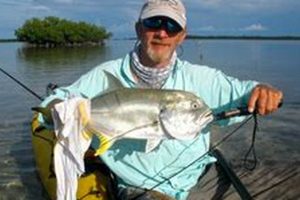
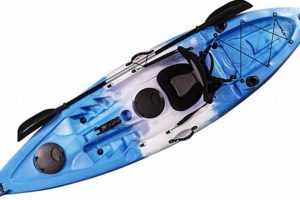
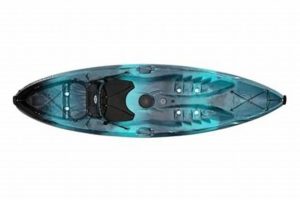
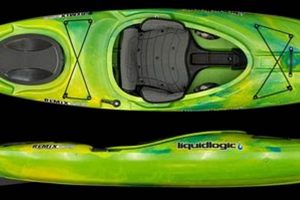
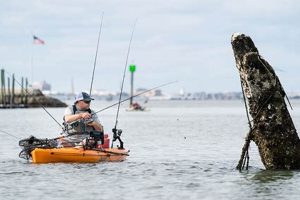
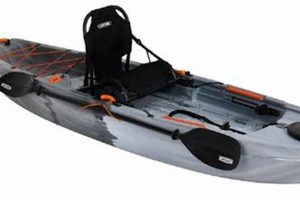
This specialized angling approach involves using small, easily portable kayaks, typically weighing under 50 pounds, to access shallow, secluded waters often unreachable by larger vessels. These kayaks are often outfitted with minimalist fishing gear, prioritizing portability and stealth. An example includes paddling a compact kayak down a narrow creek, employing lightweight lures to target species like panfish or small bass.
The advantages of this method include enhanced maneuverability in tight spaces, reduced transportation burden, and a closer connection with nature. Historically, smaller watercraft have been utilized for fishing, but the modern iteration combines advanced materials and design with a focus on minimizing weight for improved accessibility and a smaller environmental footprint. This approach allows anglers to explore previously inaccessible fishing grounds and enjoy a more intimate angling experience.
The subsequent sections will delve into specific equipment choices, suitable fishing locations, recommended techniques, and essential safety considerations for those interested in adopting this specialized fishing style.
Tips for Lightweight Kayak Angling
Careful planning and execution are crucial for a successful and enjoyable lightweight kayak fishing excursion. The following tips offer guidance for optimizing equipment, technique, and safety.
Tip 1: Prioritize Stability and Comfort. Kayak selection should balance portability with stability, especially for anglers new to this style. A wider, flatter hull design generally offers greater stability than a narrower, V-shaped hull.
Tip 2: Minimize Gear and Maximize Versatility. Select a few essential, multi-purpose lures and tackle items rather than carrying a large, cumbersome tackle box. Lightweight, collapsible rods and reels are ideal.
Tip 3: Master Basic Paddle Strokes. Efficient paddling conserves energy and allows for precise maneuvering in challenging environments. Practice forward, reverse, and turning strokes before venturing into complex waterways.
Tip 4: Plan Routes Carefully. Research potential fishing locations thoroughly, noting water depths, currents, and access points. Consider prevailing wind conditions and plan return routes accordingly.
Tip 5: Emphasize Stealth and Observation. Small kayaks allow for quiet approaches, maximizing opportunities for observing fish behavior and presenting lures effectively. Avoid sudden movements that could spook fish.
Tip 6: Respect Wildlife and the Environment. Practice catch-and-release whenever possible and adhere to all local fishing regulations. Pack out any trash and minimize disturbance to natural habitats.
Tip 7: Prioritize Safety. Always wear a personal flotation device (PFD) and inform someone of your fishing plans, including intended location and estimated return time. Carry a whistle or signaling device for emergencies.
By adhering to these guidelines, anglers can enhance their lightweight kayak fishing experience while prioritizing safety, efficiency, and environmental responsibility.
These practical tips provide a foundation for successful and rewarding excursions. The concluding section offers final thoughts and encourages responsible enjoyment of this specialized angling approach.
1. Lightweight Kayak Selection

Appropriate kayak selection is paramount for successful ultralight kayak fishing. The vessel serves as the angler’s primary platform, influencing mobility, stability, and overall fishing efficacy. Choosing wisely enhances the experience; choosing poorly can compromise safety and enjoyment. The following facets illuminate key considerations.
- Hull Design and Stability
Hull design significantly impacts stability and maneuverability. Wider, flatter hulls offer enhanced stability, particularly beneficial for beginners or when fishing in rougher conditions. Narrower, V-shaped hulls sacrifice some stability for increased speed and tracking, making them suitable for experienced anglers navigating calmer waters. Inflatable kayaks provide a lightweight, portable option, but often compromise tracking and speed compared to rigid hulls.
- Weight and Portability
Minimizing kayak weight is central to the ultralight philosophy. Lighter kayaks facilitate transport to and from launch sites, especially crucial for accessing remote or difficult-to-reach waters. Consider the total weight, including any accessories or gear, and ensure it aligns with personal carrying capacity and transportation limitations. Modular or collapsible kayaks offer exceptional portability for anglers with limited storage or transportation options.
- Storage Capacity and Gear Organization
Adequate storage accommodates essential fishing gear and personal items. While minimizing gear is crucial in ultralight fishing, dedicated compartments for tackle, rods, and safety equipment enhance organization and efficiency. Integrated rod holders and mounting points for fish finders or other accessories contribute to a streamlined and functional fishing platform.
- Seat Comfort and Adjustability
Extended periods on the water necessitate a comfortable and supportive seat. Adjustable seating systems accommodate varying body types and preferences, contributing to angler comfort and reducing fatigue. Features like adjustable backrests and foot braces enhance stability and control during casting and retrieving.
Careful consideration of these elements ensures a kayak complements the ultralight fishing experience. The correct vessel improves access to fishing grounds, enhances on-the-water performance, and ultimately contributes to a more rewarding and enjoyable angling pursuit.
2. Essential Gear Choices

Equipment selection significantly impacts the effectiveness and enjoyment of ultralight kayak fishing. Minimizing weight and maximizing versatility are paramount. Appropriate gear enhances angler efficiency and contributes to a streamlined, less cumbersome experience on the water. The following facets detail essential gear choices.
- Rods and Reels
Lightweight, collapsible rods and reels designed for smaller species are ideal. Shorter rods, typically between 5 and 7 feet, offer superior maneuverability within the confines of a kayak. Spinning reels generally offer ease of use and sufficient line capacity for targeting species commonly pursued in ultralight kayak fishing. A fast-action rod paired with a 1000-2500 size spinning reel offers balanced performance for various techniques.
- Fishing Line and Tackle
Lightweight braided line, typically in the 4-10 pound test range, maximizes casting distance and sensitivity. A fluorocarbon leader improves abrasion resistance and reduces visibility to fish. A selection of small lures, including jigs, soft plastics, and small crankbaits, provides versatility for targeting different species. Carrying a small selection of hooks, weights, and swivels allows for on-the-water adjustments to tackle configurations.
- Safety Equipment
Prioritizing safety is non-negotiable. A properly fitted personal flotation device (PFD) is essential. A whistle or other signaling device allows for communication in emergencies. A basic first-aid kit addresses minor injuries. A dry bag protects essential items like phones and wallets from water damage. Navigation tools, including a map, compass, or GPS device, are vital, especially when exploring unfamiliar waters.
- Kayak Accessories
Several accessories enhance the ultralight kayak fishing experience. A lightweight anchor facilitates maintaining position in current or wind. A paddle leash prevents accidental loss of the paddle. Rod holders secure rods while paddling or landing fish. A small landing net assists in retrieving fish safely. A fish finder, while adding some weight, significantly improves fish-finding capabilities and enhances overall angling success.
Judicious gear selection directly contributes to the efficiency and enjoyment of ultralight kayak fishing. Prioritizing lightweight, versatile equipment allows anglers to focus on the fishing experience rather than managing cumbersome gear. This streamlined approach enhances mobility, reduces fatigue, and ultimately contributes to a more rewarding time on the water.
3. Effective Paddling Techniques

Effective paddling techniques are fundamental to successful ultralight kayak fishing. Efficient propulsion and precise maneuvering enhance anglers’ ability to reach desired locations, maintain position, and present lures effectively. Mastery of these techniques conserves energy, reduces fatigue, and maximizes fishing time. The following facets detail essential paddling techniques.
- Forward Stroke
The forward stroke propels the kayak forward. Proper technique involves a high-angle paddle entry near the angler’s feet, a powerful pull through the water using core muscles, and a smooth exit near the hips. Minimizing splashing and maintaining a consistent cadence maximizes efficiency and reduces noise that could disturb fish. Efficient forward strokes allow anglers to cover greater distances with less effort, expanding access to fishing grounds.
- Reverse Stroke
The reverse stroke stops forward momentum or propels the kayak backward. It mirrors the forward stroke, with the paddle entering near the hips, pulling forward, and exiting near the feet. Controlled reverse strokes facilitate precise maneuvering in tight spaces, such as navigating shallow creeks or positioning the kayak for optimal casting angles. This control is particularly valuable in ultralight kayak fishing, where precise boat positioning is often crucial for presenting lures effectively.
- Sweep Stroke
Sweep strokes turn the kayak. A wide, arcing stroke from the bow to the stern, or vice versa, rotates the kayak efficiently. Forward sweep strokes turn the kayak away from the paddle side, while reverse sweep strokes turn it towards the paddle side. Mastering sweep strokes allows anglers to navigate tight turns, avoid obstacles, and maintain desired angles for approaching fishing locations stealthily.
- Draw Stroke
The draw stroke moves the kayak sideways. The paddle is placed vertically in the water and pulled towards the kayak. This maneuver facilitates precise adjustments to position, particularly useful for maintaining proximity to structure or aligning for a cast in confined areas. The draw stroke enhances boat control in situations where turning might be impractical or disruptive.
Proficiency in these paddling techniques significantly enhances the ultralight kayak fishing experience. Efficient propulsion and precise boat control enable anglers to navigate diverse waterways, access prime fishing spots, and position themselves effectively for casting. Ultimately, mastering these skills contributes to a more productive and enjoyable time on the water.
4. Strategic Location Scouting

Strategic location scouting is integral to successful ultralight kayak fishing. Targeting specific areas maximizes fishing efficiency and allows anglers to exploit the unique advantages of smaller, more maneuverable vessels. Effective scouting leverages knowledge of fish behavior, habitat preferences, and waterway characteristics to identify productive fishing grounds. Understanding these elements enhances angling success and contributes to a more rewarding experience.
- Understanding Fish Habitat
Different fish species inhabit specific areas within a waterway. Predatory fish often ambush prey near structures like submerged logs, overhanging vegetation, or drop-offs. Identifying these structures and understanding how fish utilize them allows anglers to target specific species effectively. For example, bass often hold near weed beds or submerged timber, while panfish congregate around docks or shallow, weedy flats. Ultralight kayaks, due to their maneuverability, provide excellent access to these often-overlooked areas.
- Utilizing Maps and Charts
Topographic maps, nautical charts, and online mapping tools provide valuable insights into waterway depths, contours, and vegetation patterns. Studying these resources before embarking on a fishing trip allows anglers to identify potential hotspots and plan efficient routes. Recognizing creek channels, submerged points, or variations in depth can significantly increase the likelihood of encountering fish. Ultralight kayaks excel in shallow water, making accurate map interpretation crucial for maximizing their effectiveness.
- Observing Water Conditions
Observing water conditions, such as current flow, clarity, and temperature, informs strategic location choices. Fish often concentrate in areas with specific current patterns, such as eddies or seams where different currents converge. Clearer water necessitates stealthier approaches, while murky water might require larger, more vibrant lures. Understanding these nuances and adapting strategies accordingly increases angling success. The quiet nature of ultralight kayaks is advantageous in these scenarios, allowing anglers to approach fish without disturbing them.
- Considering Seasonal Changes
Fish behavior and habitat preferences shift with seasonal changes. During warmer months, fish might seek cooler, deeper water or concentrate near shaded areas. Conversely, during colder months, they might congregate in warmer, shallower areas. Understanding these seasonal patterns and adjusting location strategies accordingly maximizes fishing opportunities. The portability of ultralight kayaks allows anglers to readily access diverse locations suitable for different seasons, maximizing fishing opportunities year-round.
By integrating these facets of strategic location scouting, ultralight kayak anglers can significantly enhance their fishing success. Precisely targeting productive areas, informed by knowledge of fish behavior, habitat, and water conditions, maximizes the advantages offered by these specialized vessels. This strategic approach elevates ultralight kayak fishing from simple recreation to a more refined and rewarding angling pursuit.
5. Stealthy Approach Methods

Stealth is paramount in ultralight kayak fishing, where close proximity to fish and minimal disturbance are key advantages. A quiet approach maximizes angling success by allowing closer observation of fish behavior and more effective presentation of lures. Compromising stealth alerts fish, reducing catch rates and diminishing the overall fishing experience. The following facets detail essential components of a stealthy approach.
- Minimizing Kayak Noise
Reducing noise generated by the kayak itself is crucial. Paddling smoothly and avoiding scraping the paddle against the hull minimizes disturbance. Securing loose gear prevents rattling or banging. Choosing kayaks constructed from materials that absorb sound rather than amplify it further enhances stealth. For example, a gentle, rhythmic paddle stroke is less likely to spook fish than a hurried, splashing one. Quieter kayaks allow closer approaches to fish without detection, increasing angling opportunities.
- Utilizing Natural Cover
Utilizing natural cover, such as overhanging vegetation, reeds, or fallen trees, provides concealment and allows anglers to approach fish undetected. Moving slowly and deliberately within these concealed areas minimizes disturbance and maximizes observation opportunities. Casting from within cover also reduces the likelihood of fish detecting the angler’s presence. For instance, drifting quietly along a weed line allows for precise lure placement near holding fish without alarming them. This concealed approach significantly increases the chances of a successful hookup.
- Observing Wind and Current
Wind and current influence kayak drift and noise propagation. Paddling into the wind or current minimizes drift and allows for more controlled approaches. Casting with the wind or current places lures naturally, reducing unnatural movements that could spook fish. Understanding these natural forces enables anglers to position themselves advantageously and approach fish from less conspicuous angles. For example, approaching a fishing spot from downstream, drifting with the current, minimizes disturbance and allows for a more natural lure presentation.
- Maintaining a Low Profile
Minimizing movement and maintaining a low profile within the kayak reduces visibility and minimizes disturbance. Avoiding sudden movements or standing up in the kayak prevents spooking fish. Wearing clothing that blends with the surrounding environment further enhances concealment. Lowering the angler’s center of gravity also enhances kayak stability, facilitating smoother, quieter movements. For instance, sitting low and still while observing fish behavior allows for accurate casting and minimizes the chance of detection.
By integrating these stealthy approach methods, ultralight kayak anglers maximize their effectiveness on the water. Minimizing disturbance and maximizing concealment allows closer proximity to fish, enhancing observation opportunities and increasing the effectiveness of lure presentations. This strategic approach amplifies the inherent advantages of ultralight kayaks, transforming them into highly effective platforms for a more intimate and rewarding fishing experience.
6. Respectful Environmental Practices
Respectful environmental practices are integral to ultralight kayak fishing, fostering sustainability and preserving the natural environments enjoyed by anglers. This approach minimizes the impact of fishing activities on delicate ecosystems, ensuring their health and longevity for future generations. Cause and effect relationships directly link angler behavior to environmental consequences. Irresponsible practices, such as discarding fishing line or disturbing nesting areas, directly contribute to habitat degradation and harm aquatic life. Conversely, responsible practices, like catch-and-release fishing and proper waste disposal, actively contribute to conservation efforts. This interconnectedness underscores the importance of respectful environmental practices as an essential component of ultralight kayak fishing.
Real-life examples illustrate the practical significance of this understanding. Discarded fishing line entangles wildlife, causing injury or death. Disturbing spawning beds disrupts fish reproduction cycles, impacting population dynamics. Improperly disposed-of waste pollutes waterways, harming water quality and aquatic life. Conversely, practicing catch-and-release minimizes stress on fish populations, allowing them to thrive. Packing out all trash preserves the pristine beauty of natural areas. Minimizing disturbance to wildlife maintains the ecological balance of these sensitive environments. These examples demonstrate the tangible impact of both responsible and irresponsible actions, highlighting the importance of incorporating respectful environmental practices into every ultralight kayak fishing excursion.
Minimizing environmental impact aligns with the core principles of ultralight kayak fishing, which emphasizes a low-impact approach to angling. Challenges remain, including promoting responsible behavior among all anglers and addressing the cumulative impact of increasing numbers of individuals engaging in this activity. Ultimately, the long-term sustainability of ultralight kayak fishing depends on the widespread adoption and consistent application of respectful environmental practices. This commitment ensures the preservation of these valuable natural resources for present and future generations of anglers.
7. Comprehensive Safety Measures

Comprehensive safety measures are paramount in ultralight kayak fishing. The inherent characteristics of this activitysmaller vessels, remote locations, and close proximity to waterpresent specific safety considerations. Neglecting these precautions increases the risk of accidents or emergencies. Prioritizing safety enhances enjoyment and ensures a positive experience on the water.
- Personal Flotation Devices (PFDs)
Wearing a properly fitted PFD is non-negotiable. PFDs provide buoyancy and support in the event of capsizing or accidental immersion, significantly increasing survival chances. Choosing a PFD specifically designed for paddling offers comfort and freedom of movement. Regularly inspecting PFDs for damage or wear ensures their effectiveness in critical situations. Real-world incidents demonstrate the life-saving potential of PFDs, particularly in cold water or strong currents where self-rescue can be challenging. Ultralight kayaks, being smaller and more susceptible to capsizing, necessitate consistent PFD use.
- Communication and Float Plans
Informing someone of planned fishing locations, estimated return times, and emergency contacts constitutes a critical safety measure. This information allows for timely assistance in case of unexpected delays or emergencies. Carrying a waterproof communication device, such as a VHF radio or a charged mobile phone in a waterproof case, enables contact in remote locations. Float plans provide essential details for search and rescue operations, significantly increasing the chances of a positive outcome in emergency situations. The remote nature of many ultralight kayak fishing destinations underscores the importance of reliable communication and detailed float plans.
- Weather Awareness and Preparation
Checking weather forecasts before embarking on any ultralight kayak fishing trip is crucial. Sudden changes in weather conditions, such as strong winds, thunderstorms, or rapid temperature drops, can create hazardous situations on the water. Postponing trips in unfavorable conditions demonstrates prudent decision-making. Carrying appropriate clothing for varying weather conditions ensures comfort and safety. Understanding potential weather hazards, such as lightning strikes or hypothermia, allows for informed decision-making and appropriate responses to changing conditions. The vulnerability of small kayaks to adverse weather underscores the importance of thorough weather awareness and preparation.
- Navigation and Self-Rescue Skills
Carrying navigation tools, such as a map, compass, or GPS device, is essential, especially when fishing in unfamiliar waters. Knowing how to use these tools effectively enhances navigation accuracy and prevents disorientation. Understanding basic self-rescue techniques, such as re-entering a capsized kayak, increases self-sufficiency in emergency situations. Practicing these techniques in calm water builds confidence and competence. The potential for navigating complex waterways or encountering unexpected situations in ultralight kayak fishing emphasizes the importance of strong navigation and self-rescue skills.
These safety measures are interconnected and contribute to a comprehensive safety strategy. Implementing these precautions mitigates risks inherent in ultralight kayak fishing. Prioritizing safety enhances enjoyment and allows anglers to focus on the fishing experience with greater peace of mind. Integrating these practices into every outing ensures a safer and more rewarding experience on the water.
Frequently Asked Questions
This section addresses common inquiries regarding ultralight kayak fishing, providing concise and informative responses to clarify potential uncertainties and promote a comprehensive understanding of this specialized angling approach.
Question 1: What defines an “ultralight” kayak for fishing?
Ultralight kayaks typically weigh under 50 pounds, prioritizing portability and ease of transport. These kayaks are often shorter and narrower than traditional fishing kayaks, enhancing maneuverability in tight spaces.
Question 2: Are ultralight kayaks suitable for all water types?
While adaptable, ultralight kayaks are best suited for calm waters such as ponds, lakes, slow-moving rivers, and protected coastal areas. They are generally less suitable for rough open water or fast-flowing rivers due to their smaller size and lighter weight.
Question 3: What type of fish can one realistically target with an ultralight kayak?
Ultralight kayaks are well-suited for targeting smaller to medium-sized fish species such as panfish, bass, trout, and smaller saltwater species. While larger fish can be caught, the lighter tackle and smaller kayak require specialized techniques and careful handling.
Question 4: Does ultralight kayak fishing necessitate specialized equipment?
While adaptable to existing tackle, specialized ultralight equipment, such as shorter rods, smaller reels, and lighter lines, enhances the overall experience and allows anglers to fully exploit the advantages of this approach. Emphasis remains on minimizing weight and maximizing versatility.
Question 5: Is ultralight kayak fishing suitable for beginners?
While experience benefits any angling pursuit, ultralight kayak fishing can be accessible to beginners with proper instruction and preparation. Selecting a stable kayak design, practicing basic paddling techniques, and starting in calm water conditions facilitates a positive initial experience.
Question 6: What are the primary safety concerns in ultralight kayak fishing?
Key safety concerns include proper personal flotation device (PFD) usage, weather awareness, navigation skills, and understanding self-rescue techniques. Informing others of fishing plans and carrying appropriate communication devices also contributes significantly to angler safety.
Addressing these common questions clarifies key aspects of ultralight kayak fishing, promoting informed participation and enhancing the overall experience for anglers considering this specialized approach.
For those seeking further information, the following resources offer detailed guidance and insights into specific aspects of ultralight kayak fishing.
Conclusion
Ultralight kayak fishing offers a specialized approach to angling, emphasizing portability, maneuverability, and a close connection with nature. Careful consideration of kayak selection, essential gear choices, effective paddling techniques, strategic location scouting, stealthy approach methods, respectful environmental practices, and comprehensive safety measures contributes significantly to a successful and rewarding experience. This approach allows anglers to access secluded waters, target diverse species, and minimize environmental impact.
This specialized angling method presents opportunities for exploration and connection with aquatic ecosystems. Continued advancements in kayak design and fishing equipment will likely further refine this approach, expanding its accessibility and appeal. Ultimately, the enduring allure of ultralight kayak fishing lies in its capacity to provide a unique and rewarding angling experience, fostering both individual enjoyment and responsible stewardship of natural resources.