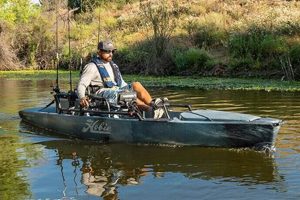
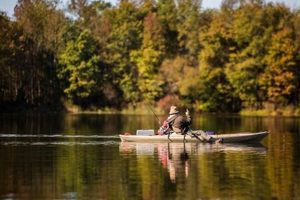
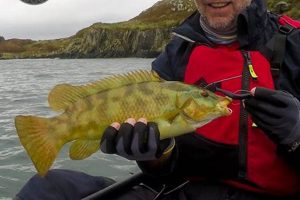
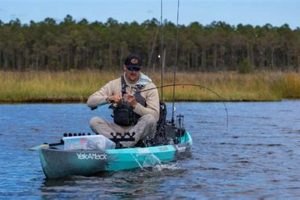
The practice of angling from a rented kayak offers a unique blend of recreation and sport. This approach allows individuals to experience the tranquility and access of kayak fishing without the commitment of ownership. For example, a tourist visiting a coastal region can readily engage in this activity without needing to transport their own equipment.
This method provides numerous advantages, including affordability, convenience, and access to diverse waterways. It eliminates the need for storage, transportation, and maintenance associated with personal kayak ownership. Historically, fishing from small, human-powered vessels has been a common practice across cultures. Renting kayaks specifically for this purpose represents a modern adaptation, making the sport more accessible to a wider audience and supporting local economies through tourism and rental services.
This article will further examine various aspects of this increasingly popular activity, such as choosing the right kayak, essential equipment, popular destinations, and responsible angling practices. It will also explore the growing industry surrounding these services and their impact on local communities and ecosystems.
Tips for Angling from a Rented Kayak
Careful planning enhances the experience and ensures safety and success when fishing from a rented kayak.
Tip 1: Research Rental Options Thoroughly: Investigate various rental providers to compare pricing, kayak types, included equipment (e.g., paddles, life vests), and available services (e.g., delivery, guided tours). Consider online reviews and local recommendations.
Tip 2: Choose the Right Kayak: Select a kayak appropriate for the intended fishing environment (calm lakes vs. open ocean) and personal preferences. Sit-on-top kayaks offer stability and ease of entry/exit, while sit-inside kayaks provide better protection from the elements.
Tip 3: Pack Essential Gear: A well-packed gear bag contributes significantly to a successful outing. Essential items include appropriate fishing tackle, a first-aid kit, sunscreen, a hat, polarized sunglasses, water, and snacks.
Tip 4: Prioritize Safety: Always wear a personal flotation device (PFD). Check weather conditions before embarking and inform someone of the planned fishing location and return time. Carry a whistle or signaling device in case of emergencies.
Tip 5: Understand Local Regulations: Obtain any necessary fishing licenses and familiarize oneself with local fishing regulations, including catch limits and permitted fishing areas. Respect private property and adhere to leave-no-trace principles.
Tip 6: Practice Kayak Handling: If unfamiliar with kayaking, consider practicing basic paddling techniques and maneuvering skills in a calm, shallow area before venturing into open water or challenging conditions. This enhances confidence and safety on the water.
Tip 7: Employ Proper Fishing Techniques: Adapt fishing techniques to the kayak environment. Use shorter rods and consider specialized kayak fishing accessories for improved efficiency and enjoyment. Be mindful of casting angles and avoid hooking the kayak or nearby objects.
Adhering to these guidelines promotes a safe, enjoyable, and productive fishing experience. Preparation and responsible practices contribute to successful angling while minimizing environmental impact.
By considering these points, anglers can optimize their experience and contribute to the continued enjoyment of this unique recreational activity. The subsequent conclusion will reiterate the importance of responsible kayak fishing and its potential for future growth.
1. Location Research

Thorough location research is paramount for a successful kayak rental fishing excursion. Identifying suitable fishing grounds involves considering factors beyond mere proximity to rental providers. Understanding the interplay between location characteristics, target species, and angler skill level contributes significantly to a productive and enjoyable experience.
- Water Body Characteristics
Different water bodies present unique opportunities and challenges. Calm lakes and slow-moving rivers offer excellent conditions for novice anglers, while coastal estuaries and open ocean environments cater to more experienced kayakers. Water depth, currents, tides, and potential hazards (e.g., rocks, reefs) should be assessed during the research phase. For example, sheltered bays offer protection from wind and waves, making them suitable for beginners, whereas experienced anglers might prefer challenging tidal currents where specific fish species congregate.
- Target Species Considerations
Researching the prevalent fish species in a given location allows anglers to select appropriate tackle and fishing techniques. Some species inhabit specific depths or structures, influencing kayak positioning and fishing strategy. Understanding fish behavior and preferred habitats maximizes the chances of a successful catch. For instance, anglers targeting bottom-dwelling species in deep lakes would utilize different techniques compared to those pursuing surface-feeding fish in shallow estuaries.
- Accessibility and Regulations
Accessing specific fishing locations may involve navigating boat ramps, designated kayak launch areas, or private property. Researching access points and associated fees, parking availability, and local regulations related to fishing licenses and catch limits ensures a smooth and legal angling experience. Certain areas may have restricted access or specific seasons for particular species, requiring careful planning and adherence to regulations. For instance, some protected areas prohibit fishing altogether, while others may limit the types of gear allowed.
- Local Resources and Services
Proximity to amenities such as bait shops, tackle stores, restrooms, and emergency services enhances convenience and safety. Researching available resources allows anglers to plan their trips effectively and address any unforeseen needs. Local fishing guides or kayak tour operators can provide valuable insights into specific fishing locations, increasing the chances of success. Furthermore, understanding the availability of emergency services ensures preparedness in case of unforeseen incidents.
Effective location research synthesizes these facets into a comprehensive understanding of the chosen fishing area. This preparation maximizes the likelihood of a successful and enjoyable kayak rental fishing experience, contributing to the growing popularity of this accessible and engaging outdoor activity.
2. Rental Provider Selection

Rental provider selection significantly impacts the overall kayak rental fishing experience. A provider’s offerings directly influence angler safety, fishing success, and overall satisfaction. Careful consideration of factors like kayak quality, included equipment, safety practices, and local expertise contributes to a positive outing. For example, a provider offering well-maintained kayaks equipped with appropriate safety gear and knowledgeable staff enhances both safety and the potential for a successful fishing trip. Conversely, opting for a provider with poorly maintained equipment or lacking safety protocols can negatively impact the experience and potentially lead to hazardous situations.
Several key criteria differentiate providers. Kayak quality and variety play a crucial role. Providers offering a range of kayak types suited to different fishing styles and skill levels cater to a broader audience. Inclusion of essential fishing accessories, such as rod holders and anchor trolleys, further enhances the angling experience. A provider’s commitment to safety, demonstrated through proper PFD provision and adherence to safety regulations, is paramount. Local expertise offered by providers familiar with local waterways, fish species, and regulations provides invaluable insights for anglers. Consider a scenario where two providers operate in the same area. One offers basic kayaks with minimal equipment and no local guidance, while another provides specialized fishing kayaks, relevant accessories, and staff knowledgeable about local fishing hotspots. The latter provider significantly enhances the likelihood of a successful and enjoyable fishing experience.
Strategic provider selection optimizes the kayak rental fishing experience. Thorough research, including online reviews and local recommendations, informs decision-making. Prioritizing providers demonstrating a commitment to safety, quality equipment, and local expertise contributes to a positive and productive outing. This informed approach maximizes the chances of a successful and enjoyable experience, reflecting the growing importance of careful planning in this popular recreational activity.
3. Kayak Choice (Stability, Features)

Kayak selection significantly influences success and safety in kayak rental fishing. Appropriate choice depends on individual experience, fishing style, and environmental conditions. A stable, well-equipped kayak enhances angling effectiveness and overall enjoyment while minimizing risks. Ignoring these factors can lead to instability, difficulty maneuvering, and a compromised fishing experience.
- Stability
Stability is paramount, particularly for anglers engaging in activities like casting and reeling. Wider kayaks generally offer greater primary stability (resistance to initial tipping), while longer, narrower kayaks provide better secondary stability (resistance to capsizing after tipping). A stable platform allows anglers to focus on fishing rather than maintaining balance. For example, a wide, flat-bottomed kayak suits beginners in calm waters, whereas a longer, more streamlined kayak might be preferred for experienced anglers in open water conditions.
- Hull Design
Hull design influences maneuverability and tracking. Flat-bottomed hulls offer excellent stability but sacrifice tracking (ability to maintain a straight course). Rounded or V-shaped hulls track well but can feel less stable. A suitable hull design balances stability and maneuverability based on the intended fishing environment. A shorter, wider kayak with a flat hull is highly maneuverable in tight spaces, while a longer, narrower kayak with a V-shaped hull offers better performance in open water or currents.
- Features for Fishing
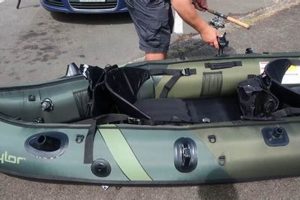
Specialized features enhance kayak fishing functionality. Rod holders secure rods while paddling or fighting fish. Anchor trolleys control anchor position, preventing drifting. Storage compartments accommodate tackle and gear. These features improve efficiency and organization, contributing to a more productive and enjoyable experience. A kayak equipped with multiple rod holders, a built-in cooler, and a fish finder caters specifically to angling needs, whereas a recreational kayak lacking these features might prove less suitable for dedicated fishing.
- Sit-On-Top vs. Sit-Inside
Sit-on-top kayaks offer superior stability and ease of entry/exit, ideal for beginners and warmer climates. Sit-inside kayaks provide better protection from the elements and offer a drier ride, suitable for colder conditions or longer trips. The choice depends on personal preference, weather conditions, and intended fishing style. An angler fishing in cold water might prefer a sit-inside kayak for warmth and dryness, while an angler fishing in warm, shallow water might prefer the stability and ease of access offered by a sit-on-top kayak.
Careful consideration of these factors ensures kayak selection aligns with angler needs and the specific demands of kayak rental fishing. Choosing a kayak optimized for stability, maneuverability, and relevant features significantly enhances the overall fishing experience, contributing to safety, efficiency, and enjoyment on the water.
4. Essential Gear Preparation
Adequate gear preparation is crucial for a safe and successful kayak rental fishing experience. Appropriate equipment enhances angler comfort, safety, and fishing effectiveness, while neglecting essential items can compromise the trip and potentially lead to hazardous situations. A well-planned gear list considers the specific fishing environment, target species, and potential weather conditions. For example, an angler targeting large saltwater species requires heavier tackle and specialized gear compared to someone fishing for panfish in a small lake.
- Safety Equipment
Prioritizing safety is paramount in kayak rental fishing. A personal flotation device (PFD) is essential and legally required in many jurisdictions. A whistle or other signaling device aids in attracting attention in emergencies. A first-aid kit addresses minor injuries. These items contribute to a safe and prepared approach to angling from a kayak. For instance, a PFD provides essential buoyancy in case of capsizing, while a whistle enables communication over long distances in the event of an emergency.
- Fishing Tackle and Accessories
Selecting appropriate fishing tackle enhances fishing success. Rod and reel combinations should match the target species and fishing style. An assortment of lures, baits, hooks, and lines caters to diverse fishing conditions. Essential accessories include a landing net, pliers, and a tackle box for organization. For example, an angler targeting trout might choose a lightweight spinning rod and reel with a selection of small lures and flies, while someone fishing for catfish might opt for a heavier rod and reel with larger hooks and bait.
- Weather Protection and Comfort
Weather conditions can change rapidly on the water. Appropriate clothing provides protection from sun, wind, and rain. Waterproof outerwear, a hat, and sunglasses enhance comfort and prevent exposure. Sunscreen is essential, even on cloudy days. These precautions ensure a comfortable and enjoyable experience regardless of weather fluctuations. An angler fishing in a sunny, tropical environment would prioritize lightweight, breathable clothing and a wide-brimmed hat, while someone fishing in colder conditions would require insulated, waterproof gear.
- Navigation and Communication
Navigation tools enhance safety and efficiency on the water. A waterproof chart or GPS device aids in route planning and location awareness. A fully charged mobile phone enables communication in emergencies and allows anglers to share their location. These tools contribute to responsible angling and ensure connectivity in remote areas. For instance, a GPS device assists in navigating unfamiliar waterways and marking productive fishing spots, while a mobile phone provides a means of communication in case of an emergency or unexpected delay.
Careful gear preparation directly correlates with a positive kayak rental fishing experience. Addressing safety, fishing effectiveness, and comfort enhances enjoyment and minimizes potential risks. This proactive approach ensures a well-prepared and enjoyable outing, contributing to the growing popularity of kayak angling as a safe and rewarding recreational activity.
5. Safety Precautions (PFD, Weather)

Safety precautions, particularly concerning personal flotation devices (PFDs) and weather awareness, are paramount in kayak rental fishing. These precautions directly impact angler well-being and the overall success of the outing. Neglecting these aspects can lead to hazardous situations, jeopardizing both personal safety and the enjoyment of the activity. Understanding and implementing appropriate safety measures ensures a responsible and enjoyable experience.
- Personal Flotation Devices (PFDs)
PFDs are essential safety equipment for all kayak anglers. Properly fitted and worn PFDs provide buoyancy in case of capsizing, increasing the chances of survival. Renters should ensure the provided PFDs are in good condition and adhere to relevant safety standards. Ignoring PFD requirements not only increases risk but can also result in legal penalties in many jurisdictions. For instance, an angler unexpectedly encountering rough water or colliding with an underwater obstacle benefits significantly from wearing a PFD.
- Weather Awareness
Checking weather forecasts before embarking on a kayak rental fishing trip is crucial. Sudden changes in wind speed, wave height, or temperature can create dangerous conditions for kayakers. Anglers should be prepared to postpone or cancel trips if adverse weather is anticipated. Ignoring weather warnings can lead to challenging situations, requiring rescue efforts and potentially jeopardizing safety. For example, venturing onto a large lake in a small kayak during a forecasted thunderstorm significantly increases the risk of capsizing or exposure.
- Cold Water Precautions
Cold water poses additional risks to kayak anglers. Immersion in cold water can lead to hypothermia, even in relatively mild air temperatures. Wearing appropriate insulating layers and carrying emergency signaling devices is essential in cold water environments. Understanding the effects of cold water shock and implementing appropriate precautions mitigates risks associated with cold water immersion. For instance, an angler falling overboard in cold water without proper insulation faces a higher risk of hypothermia compared to someone wearing a wetsuit or drysuit.
- Emergency Preparedness
Carrying essential safety gear and having a communication plan contributes significantly to preparedness in emergencies. A waterproof pouch containing a mobile phone, whistle, and signaling device enables communication and facilitates rescue efforts. Informing someone onshore of the planned fishing location and estimated return time adds an extra layer of safety. These precautions ensure rapid response in case of unforeseen events. For example, an angler experiencing a kayak malfunction in a remote location benefits significantly from having a communication device and a pre-arranged emergency contact.
Integrating these safety precautions into kayak rental fishing practices enhances angler safety and promotes responsible enjoyment of the activity. Prioritizing PFD use, weather awareness, cold water precautions, and emergency preparedness minimizes potential risks and contributes to a positive and safe experience on the water. Neglecting these aspects compromises safety and can transform an enjoyable outing into a hazardous situation.
6. Fishing Regulations Awareness
Awareness of fishing regulations is integral to responsible and legal kayak rental fishing. Compliance with these regulations ensures the sustainability of fish populations and preserves the integrity of aquatic ecosystems. Ignoring these rules can lead to legal penalties, environmental damage, and diminished fishing opportunities for all. Understanding and adhering to local regulations demonstrates respect for the environment and contributes to the long-term health of fisheries. For example, exceeding catch limits or fishing during closed seasons depletes fish stocks and disrupts the balance of the ecosystem.
- Licensing Requirements
Fishing licenses are often required for anglers of a certain age, and specific licenses may be necessary for particular species or water bodies. Obtaining the correct license before embarking on a kayak rental fishing trip ensures legal compliance. Regulations vary by jurisdiction, and ignorance of these requirements is no excuse for non-compliance. For instance, an angler targeting specific species like trout or salmon might require a separate endorsement on their fishing license.
- Catch Limits and Size Restrictions
Regulations often dictate the number and size of fish that can be legally kept. Adhering to catch limits prevents overfishing and protects vulnerable fish populations. Size restrictions allow younger fish to mature and reproduce, contributing to the long-term health of the fishery. Disregarding these limits can have detrimental effects on fish stocks. For example, keeping undersized fish prevents them from reaching breeding age and contributing to the population.
- Closed Seasons and Restricted Areas
Certain species may be protected during specific seasons or in designated areas to safeguard spawning or vulnerable populations. Respecting closed seasons and restricted areas allows fish to reproduce undisturbed and contributes to the long-term sustainability of the fishery. Fishing in these protected areas during restricted periods disrupts natural processes and can have severe consequences for fish populations. For instance, fishing in spawning grounds during breeding season disrupts reproductive cycles and can significantly impact future fish stocks.
- Gear Restrictions
Regulations may limit the type of fishing gear permitted in specific areas or for certain species. These restrictions aim to minimize environmental impact and ensure fair fishing practices. Using prohibited gear, such as certain types of nets or traps, can damage habitats and give unfair advantage, depleting fish populations. Understanding and adhering to gear restrictions contributes to responsible angling. For example, using live bait might be prohibited in certain areas to prevent the introduction of invasive species or diseases.
Adhering to fishing regulations is fundamental to responsible kayak rental fishing. Understanding and complying with licensing requirements, catch limits, closed seasons, and gear restrictions ensures the sustainability of fish populations and protects the environment. This responsible approach safeguards the future of the sport and preserves the enjoyment of fishing for generations to come. Ignoring these regulations undermines conservation efforts and jeopardizes the delicate balance of aquatic ecosystems. By prioritizing awareness and compliance, kayak anglers contribute to the long-term health and accessibility of this popular recreational activity.
7. Respectful Angling Practices

Respectful angling practices are essential for the sustainability of kayak rental fishing. This approach minimizes environmental impact and preserves the quality of the experience for future anglers. The increasing popularity of kayak fishing necessitates a heightened awareness of responsible practices to mitigate potential negative consequences on aquatic ecosystems and surrounding environments. Irresponsible actions, such as discarding fishing line or disturbing wildlife, degrade the natural environment and detract from the overall experience for everyone. For example, discarded fishing line entangles wildlife, while excessive noise from kayaks disturbs nesting birds and other sensitive species.
Several key practices characterize respectful angling. Proper catch-and-release techniques minimize stress on released fish, ensuring their survival. Minimizing disturbance to aquatic vegetation and habitats preserves the ecological balance of the fishing area. Proper disposal of fishing line and other waste prevents pollution and protects wildlife. Respecting other anglers and sharing the waterway promotes a positive and enjoyable experience for all. For instance, employing barbless hooks and wet hands when handling fish reduces injury during catch and release. Paddling quietly through sensitive areas minimizes disturbance to wildlife. Packing out all trash, including discarded fishing line, prevents pollution and protects both aquatic and terrestrial environments.
Respectful angling practices are integral to the long-term viability of kayak rental fishing. These practices contribute to the conservation of aquatic resources and maintain the aesthetic quality of fishing environments. Promoting and adhering to these principles ensures the continued enjoyment of this popular recreational activity for future generations. Challenges remain, including educating newcomers to the sport and enforcing responsible behavior. Addressing these challenges through educational initiatives and community engagement strengthens the connection between respectful angling and the sustainability of kayak rental fishing.
Frequently Asked Questions
This section addresses common inquiries regarding kayak rental fishing, providing concise and informative responses to facilitate informed decision-making and enhance the overall experience.
Question 1: What are the typical costs associated with kayak rental for fishing?
Rental rates vary based on factors such as kayak type, rental duration, location, and included equipment. Researching multiple providers allows for cost comparison and selection of the most suitable option.
Question 2: Is prior kayaking experience necessary for kayak rental fishing?
Prior experience is beneficial but not always mandatory. Many rental providers offer introductory guidance or lessons. Opting for stable kayak designs and calm water conditions further facilitates a positive experience for beginners.
Question 3: What essential safety precautions should be considered?
Wearing a personal flotation device (PFD) is paramount. Checking weather forecasts before embarking and informing someone of the planned fishing location and return time are crucial safety measures.
Question 4: What fishing equipment is typically included with a kayak rental, and what should anglers bring themselves?
Included equipment varies among providers, but often includes paddles and PFDs. Anglers typically provide their own fishing rods, reels, tackle, and any specialized fishing accessories.
Question 5: How does one choose the appropriate kayak for fishing?
Kayak selection depends on the intended fishing environment (calm lakes vs. open ocean) and angler experience. Sit-on-top kayaks offer stability, while sit-inside kayaks provide greater protection from the elements. Considering factors such as stability, maneuverability, and available features (e.g., rod holders) informs selection.
Question 6: What are the typical fishing regulations one should be aware of?
Regulations vary by location and often include licensing requirements, catch limits, size restrictions, closed seasons, and permitted fishing areas. Researching local regulations before fishing ensures legal compliance and responsible angling practices.
Understanding these frequently asked questions contributes to a safer, more enjoyable, and legally compliant kayak rental fishing experience. Thorough planning and preparation enhance the overall outing.
The following conclusion summarizes the key advantages of kayak rental fishing and its potential for continued growth as a recreational activity.
Conclusion
Kayak rental fishing offers a unique approach to angling, combining accessibility with the immersive experience of on-the-water angling. This article has explored various facets of this activity, from selecting appropriate equipment and rental providers to emphasizing safety precautions and responsible angling practices. The discussion encompassed the importance of location research, kayak selection based on stability and features, essential gear preparation, and adherence to fishing regulations. Furthermore, the significance of respectful angling practices in preserving aquatic ecosystems and ensuring the sustainability of this recreational activity was highlighted.
The increasing popularity of kayak rental fishing presents both opportunities and challenges. Growth in this sector can contribute to local economies and provide wider access to angling experiences. However, sustainable growth necessitates a collective commitment to responsible practices. Anglers, rental providers, and regulatory bodies share a responsibility in safeguarding aquatic environments and promoting ethical fishing behavior. The future of kayak rental fishing hinges on the continued prioritization of safety, environmental stewardship, and responsible angling practices. Through informed participation and collaborative efforts, this accessible and engaging activity can continue to thrive while minimizing environmental impact and maximizing enjoyment for all.