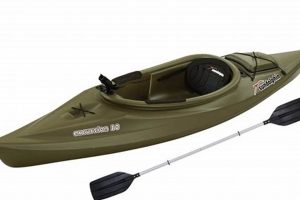
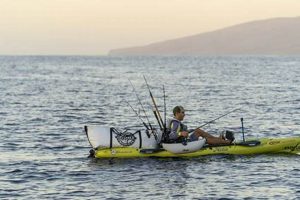
This activity involves angling from a small, human-powered watercraft in the waters off Malibu, California. It combines the quiet, close-to-the-water experience of kayaking with the challenge and reward of sport fishing. Anglers often target species such as kelp bass, calico bass, halibut, and yellowtail, depending on the season and location. The combination of favorable weather, diverse marine life, and scenic beauty make the area a popular destination.
The Pacific waters off Malibu offer a rich ecosystem for a variety of game fish. This style of angling allows for access to shallow waters and secluded coves often inaccessible to larger vessels, increasing the chances of encountering diverse marine species. Furthermore, the low-impact nature of this approach minimizes disturbance to the environment and allows for a more immersive experience in nature. Historically, small boats and kayaks have been used for fishing in the region for generations, evolving from a primarily subsistence activity to a popular recreational pursuit.
Further exploration of this topic will cover essential equipment, recommended launch locations, popular fishing techniques, and relevant safety regulations for the Malibu coastline.
Tips for Kayak Fishing in Malibu
Successful kayak angling in Malibu requires preparation and awareness. The following tips offer guidance for a safe and productive experience.
Tip 1: Check Weather and Tide Conditions: Prior to departure, consult marine forecasts for wind speed, swell height, and tide changes. Favorable conditions typically include calm seas and minimal wind.
Tip 2: Choose Appropriate Launch Locations: Select launch sites based on experience level and prevailing conditions. Zuma Beach and Malibu Pier offer relatively calm entry points.
Tip 3: Utilize Proper Safety Equipment: Always wear a personal flotation device (PFD). Carry a signaling device, such as a whistle or flare, and a communication device, ideally a waterproof VHF radio.
Tip 4: Employ Effective Fishing Techniques: Live bait, such as anchovies or squid, often proves effective. Artificial lures mimicking local prey can also yield results. Knowledge of local fish behavior enhances success.
Tip 5: Respect Local Regulations: Obtain the necessary fishing licenses and adhere to size and catch limits for targeted species. Practice catch-and-release whenever possible to promote conservation.
Tip 6: Navigate Responsibly: Maintain awareness of other vessels and avoid congested areas. Be mindful of kelp forests and sensitive marine habitats.
Tip 7: Plan for Proper Fish Handling: Utilize appropriate tools for handling fish safely and minimizing stress. A dehooking tool and lip grippers can be valuable assets.
Adherence to these guidelines promotes safety and increases the likelihood of a productive and enjoyable experience on the water.
By implementing these strategies and respecting the marine environment, anglers can contribute to the preservation of this valuable resource for future generations.
1. Safety Equipment

Appropriate safety equipment is paramount for a secure and successful Malibu kayak fishing experience. The ocean environment presents inherent risks, and preparedness is crucial for mitigating potential hazards and ensuring angler well-being.
- Personal Flotation Device (PFD)
A properly fitted PFD is non-negotiable. It provides essential buoyancy in the event of capsizing or accidental immersion, significantly increasing the chances of survival. Type III PFDs, designed for calm inland waters and near-shore coastal areas where rapid rescue is likely, are generally suitable. Inflatable PFDs offer greater comfort and mobility but require regular inspection and maintenance.
- Signaling Devices
Visual and auditory signaling devices are crucial for attracting attention in emergencies. A whistle is effective for short-range signaling, while a waterproof VHF radio allows communication with the Coast Guard and other vessels. Flares and signal mirrors offer long-range visibility, particularly during daylight hours. Regularly testing these devices ensures functionality when needed.
- Communication Devices
Maintaining communication is essential for safety and coordination. A charged mobile phone in a waterproof case can be useful, but cellular coverage may be unreliable offshore. A VHF radio remains the most dependable method for summoning assistance and receiving critical weather updates. Knowing proper radio procedures is essential.
- Navigation and Lighting
A compass and nautical chart, or a GPS device with appropriate marine charts, are important for orientation, especially in foggy conditions or when fishing beyond sight of land. A waterproof headlamp or flashlight aids visibility in low-light conditions or during nighttime excursions. Understanding basic navigation principles contributes significantly to safety.
These safety precautions contribute significantly to a secure experience. Coupled with responsible angling practices and adherence to local regulations, prioritizing safety ensures that Malibu kayak fishing remains a rewarding and enjoyable activity.
2. Launch Locations

Selecting appropriate launch locations is crucial for a successful and safe Malibu kayak fishing experience. The diverse Malibu coastline offers various entry points, each with unique characteristics regarding accessibility, prevailing conditions, and proximity to target fishing areas. Careful consideration of these factors ensures an efficient and enjoyable outing.
- Zuma Beach
Zuma Beach, known for its wide sandy expanse, provides a relatively easy launch, particularly during calm conditions. The gradual slope and ample parking make it accessible for kayakers of varying skill levels. Its central location offers access to various nearshore reefs and kelp beds, attracting a variety of fish species. However, the beach can become crowded, especially during peak season, requiring careful navigation and consideration of other beachgoers.
- Malibu Pier
Launching near Malibu Pier offers the advantage of immediate access to deeper water and structures attracting larger game fish. The pier itself provides shelter from prevailing swells, facilitating a less turbulent entry. However, strong currents can exist around the pier pilings, demanding caution and experience navigating these conditions. Additionally, anglers must be mindful of boat traffic and adhere to designated fishing zones.
- El Matador State Beach
El Matador State Beach, with its dramatic rock formations and coves, provides a more secluded launch experience. This location is particularly appealing for anglers seeking calmer waters and less congested fishing areas. However, access requires navigating a steep staircase down to the beach, making it less suitable for those with mobility limitations. The rocky shoreline demands careful entry and exit techniques.
- Leo Carrillo State Park
Leo Carrillo State Park, with its network of coves and reefs, presents a diverse range of launching options. This location offers opportunities for exploring various habitats and targeting diverse species. The relatively protected waters within the park’s boundaries provide a suitable environment for less experienced kayakers. However, parking can be limited, especially during weekends and holidays, and navigating the rocky shoreline requires careful attention.
Matching launch location to skill level, target species, and prevailing conditions optimizes the Malibu kayak fishing experience. Considering factors like parking availability, access to amenities, and proximity to desired fishing grounds contributes to a more efficient and enjoyable outing. Thorough pre-trip planning, including checking local regulations and tide charts, is essential for a successful and safe excursion.
3. Fishing Techniques

Effective fishing techniques are essential for successful kayak angling in Malibu. The chosen methods significantly influence catch rates and contribute to a more rewarding experience. Specific techniques are often tailored to target species and the prevailing conditions. Understanding these nuances allows anglers to optimize their approach and maximize their chances of success.
For instance, targeting calico bass near kelp forests often involves employing a finesse approach. Light tackle and artificial lures, such as small swimbaits or plastic grubs, mimic the movements of prey fish, enticing strikes. Retrieving the lure slowly and allowing it to fall naturally through the water column can trigger aggressive responses from calico bass. Alternatively, fishing for halibut on sandy bottoms often requires a different tactic. Live bait, such as anchovies or squid, presented on the seabed with a Carolina rig or a simple fish finder rig, can prove highly effective. The scent and natural movement of live bait attract halibut, which are ambush predators.
Matching fishing techniques to the target species and the specific environment is crucial. Understanding fish behavior, feeding patterns, and preferred habitats significantly improves the likelihood of success. Furthermore, adapting techniques based on factors such as water depth, current, and tidal movement enhances efficiency. Utilizing appropriate gear, maintaining stealth, and practicing patience are fundamental principles underlying successful kayak fishing techniques in Malibu. Adhering to these practices enhances angling effectiveness and contributes to a more fulfilling experience on the water.
4. Local Regulations

Adherence to local regulations is essential for responsible and sustainable kayak fishing in Malibu. These regulations, established by governing bodies like the California Department of Fish and Wildlife (CDFW), aim to protect fish populations, preserve marine habitats, and ensure the safety of all ocean users. Regulations encompass licensing requirements, size and catch limits for various species, and designated fishing zones.
For example, fishing for California halibut requires a valid California sport fishing license and adherence to the current size and bag limits. Currently, the minimum size limit is 22 inches, and the bag limit is three fish. Exceeding these limits can result in fines and jeopardize future fishing privileges. Similarly, fishing in designated Marine Protected Areas (MPAs) is often restricted or entirely prohibited to safeguard sensitive ecosystems. Ignoring these regulations can negatively impact marine biodiversity and compromise the long-term health of the fishery.
Understanding and complying with local regulations contributes to the long-term viability of Malibu’s marine resources. This responsible approach ensures the sustainability of fish populations, protects fragile habitats, and fosters a safe and enjoyable environment for all. Accessing updated regulations on the CDFW website and engaging with local fishing communities provide valuable insights and contribute to informed and ethical angling practices. Ultimately, respecting these regulations ensures the preservation of Malibu’s coastal ecosystem for future generations.
5. Kayak Selection
Kayak selection significantly influences the Malibu kayak fishing experience. Choosing the appropriate vessel impacts stability, maneuverability, and overall fishing effectiveness. Malibu’s diverse coastal environment, ranging from calm bays to open ocean swells, necessitates careful consideration of kayak characteristics to ensure safety and maximize angling potential. Specific features, such as hull design, length, and storage capacity, play crucial roles in optimizing performance in these varying conditions.
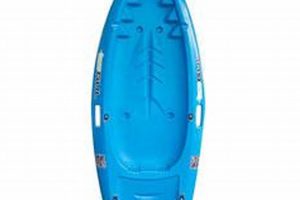
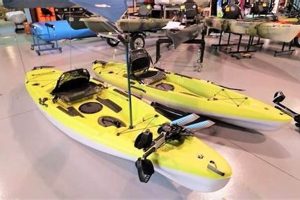
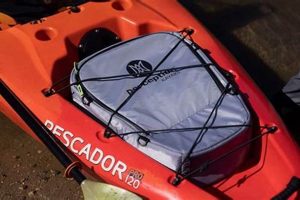
For example, a shorter, wider sit-on-top kayak offers enhanced stability, making it suitable for nearshore fishing in calmer waters. Its open deck facilitates easy casting and re-entry after a potential capsize. Conversely, a longer, narrower sit-in kayak provides increased speed and tracking, enabling anglers to cover greater distances and access offshore fishing grounds. Its enclosed cockpit offers protection from the elements but requires more experience for safe entry and exit. Specialized fishing kayaks often incorporate features like rod holders, tackle storage compartments, and anchor trolleys, enhancing angling efficiency.
Matching kayak characteristics to individual needs and the intended fishing environment optimizes performance and safety. Evaluating factors such as paddling experience, target species, and prevailing sea conditions informs appropriate selection. Understanding the interplay between kayak design and the Malibu coastal environment contributes significantly to a productive and enjoyable fishing experience. Prioritizing stability and maneuverability enhances safety, allowing anglers to focus on the pursuit of their target species and fully appreciate the unique angling opportunities Malibu offers.
6. Target Species
Target species significantly influence the overall Malibu kayak fishing experience. The diverse marine life inhabiting these coastal waters presents a range of angling opportunities, each requiring specific techniques and equipment. Understanding the behavior, habitat preferences, and seasonal availability of target species enhances fishing success and promotes responsible angling practices. This knowledge allows anglers to select appropriate gear, choose effective bait or lures, and identify promising fishing locations.
For instance, targeting California halibut, a prized flatfish inhabiting sandy bottoms, often involves using live bait such as anchovies or squid presented on a fish-finder rig. Knowledge of halibut’s ambush predatory behavior informs this approach. Alternatively, pursuing calico bass, a common reef dweller, may involve employing artificial lures like swimbaits or jigs that mimic the movements of smaller fish. Understanding calico bass’s preference for structure and their aggressive feeding habits guides lure selection and retrieval techniques. Similarly, targeting yellowtail, a pelagic species often found near kelp forests or offshore reefs, may require heavier tackle and live bait or larger lures to effectively hook and land these powerful fish.
Knowledge of target species’ seasonal availability and migratory patterns further refines angling strategies. Certain species, like white seabass, are more prevalent during specific times of the year, influencing when and where anglers focus their efforts. This understanding promotes targeted fishing practices, minimizing bycatch and reducing the impact on non-target species. Ultimately, a comprehensive understanding of Malibu’s diverse target species and their ecological roles contributes to a more rewarding, responsible, and sustainable kayak fishing experience.
7. Weather Conditions
Weather conditions exert a significant influence on Malibu kayak fishing experiences. Wind speed, wave height, and water temperature directly impact safety and fishing success. Careful assessment of prevailing and forecast conditions is crucial for planning productive and safe outings. Ignoring adverse weather can lead to hazardous situations, compromising angler safety and diminishing the overall fishing experience.
Strong winds, for instance, can create challenging paddling conditions, especially for less experienced kayakers. Wind-driven waves can impede boat control and increase the risk of capsizing. Furthermore, wind can significantly impact fishing techniques, making it difficult to maintain desired lure presentations or effectively anchor in a chosen location. Conversely, calm conditions often provide optimal kayaking and fishing opportunities. Smooth waters facilitate effortless paddling, allowing anglers to cover greater distances and access diverse fishing grounds. Calm conditions also enhance fishing precision, enabling delicate lure presentations and maximizing bait effectiveness. Water temperature influences fish behavior and distribution. Certain species, like yellowtail, prefer warmer waters, while others, like halibut, tolerate colder temperatures. Understanding these preferences allows anglers to target specific species effectively based on prevailing water conditions.
Prioritizing weather awareness is paramount for safe and successful Malibu kayak fishing. Consulting marine forecasts before embarking on any outing allows anglers to make informed decisions regarding launch locations, fishing techniques, and overall trip planning. Adapting to changing conditions on the water is also essential. Monitoring weather patterns throughout the fishing trip and adjusting plans accordingly mitigates potential risks and ensures a safe return. Ultimately, a thorough understanding of weather’s impact on Malibu’s coastal environment contributes significantly to responsible and enjoyable kayak fishing experiences.
Frequently Asked Questions
This section addresses common inquiries regarding kayak fishing in Malibu, California. The information provided aims to clarify potential uncertainties and promote safe and informed angling practices.
Question 1: What essential safety gear is recommended for Malibu kayak fishing?
A personal flotation device (PFD), a signaling device (whistle, VHF radio, flares), and a communication device (waterproof VHF radio) are essential for safety. Navigation tools (compass, GPS, charts) and lighting (headlamp or flashlight) enhance safety in varying conditions.
Question 2: Where are suitable launch locations for kayak fishing in Malibu?
Zuma Beach offers a relatively easy launch, Malibu Pier provides access to deeper water, El Matador State Beach offers seclusion, and Leo Carrillo State Park presents diverse launching options, each with varying accessibility considerations.
Question 3: What fishing techniques are effective in Malibu?
Effective techniques vary by target species. Live bait (anchovies, squid) is often productive for halibut, while artificial lures (swimbaits, grubs) can be effective for calico bass. Matching techniques to species and conditions is crucial.
Question 4: What local regulations should anglers be aware of?
Anglers must possess a valid California sport fishing license and adhere to size and catch limits for target species. Awareness of Marine Protected Areas (MPAs) and any specific restrictions within them is essential.
Question 5: What type of kayak is best suited for Malibu fishing?
Kayak selection depends on angler experience and target species. Sit-on-tops offer stability for nearshore fishing, while sit-ins provide speed and range for offshore excursions. Specialized fishing kayaks enhance angling efficiency.
Question 6: What species can be targeted when kayak fishing in Malibu?
Common targets include calico bass, kelp bass, halibut, yellowtail, and white seabass. Species availability varies seasonally, influencing fishing strategies.
Careful consideration of these frequently asked questions enhances preparedness and promotes a safer and more rewarding experience on the water.
For further information regarding Malibu kayak fishing, consult local resources such as the California Department of Fish and Wildlife website and local tackle shops.
Malibu Kayak Fishing
This exploration of Malibu kayak fishing has highlighted key aspects of this rewarding pursuit. From safety considerations and launch site selection to effective fishing techniques and adherence to local regulations, each element contributes significantly to a successful and sustainable experience. Understanding the interplay between kayak selection, target species, and prevailing weather conditions further enhances angling effectiveness and safety. Moreover, respecting the delicate balance of Malibu’s marine ecosystem ensures the preservation of this valuable resource for future generations.
The Malibu coastline offers a unique and dynamic environment for kayak anglers. By prioritizing safety, employing responsible fishing practices, and continually expanding knowledge of this coastal ecosystem, anglers can contribute to the long-term health of the fishery and ensure that Malibu kayak fishing remains a cherished activity for years to come. Continued exploration and responsible engagement with this coastal environment promise rewarding experiences and contribute to the preservation of this exceptional natural resource.