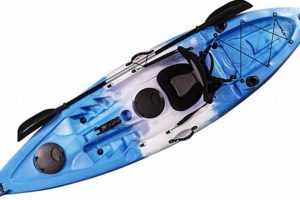
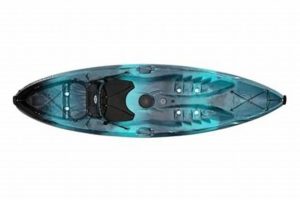
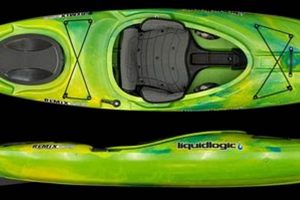
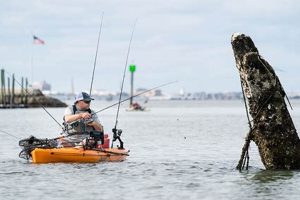
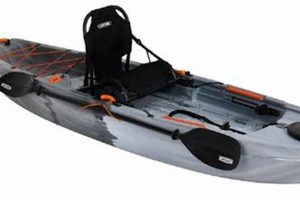
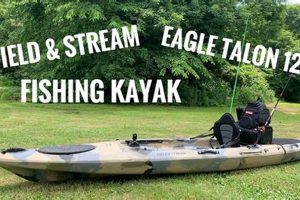
Small, lightweight kayaks designed specifically for angling offer significant advantages for maneuverability and portability. These vessels typically weigh considerably less than traditional fishing kayaks, facilitating transport to remote fishing locations, including those inaccessible by larger watercraft. They often incorporate features tailored to the needs of anglers, such as rod holders, tackle storage, and anchor trolleys. This design allows for easy navigation through shallow waters, tight creeks, and areas dense with vegetation, opening access to prime fishing spots.
The reduced weight improves ease of loading and unloading from vehicles, carrying over land, and even navigating portages. Historically, anglers relied on heavier, less maneuverable boats. The development of lightweight, durable materials like high-density polyethylene and advanced composites has revolutionized kayak fishing, granting access to previously unreachable waters and enhancing the overall fishing experience. This shift has contributed to the increasing popularity of kayak fishing, especially among those seeking a closer connection with nature and a more active angling approach.
This discussion will further explore key aspects of these specialized watercraft, including material selection, design considerations, essential features, and their impact on the sport of fishing. An understanding of these factors is crucial for making informed decisions and maximizing the benefits of this increasingly popular angling platform.
Tips for Utilizing Small, Lightweight Fishing Kayaks
Optimizing the use of compact, lightweight fishing kayaks requires careful consideration of various factors to ensure safety, efficiency, and a successful angling experience. The following tips offer valuable insights for maximizing the benefits of these specialized vessels.
Tip 1: Prioritize Stability: Understand the kayak’s stability limitations, especially in relation to weight capacity and distribution. Evenly distribute gear to maintain balance and avoid abrupt movements. Consider adding outriggers for enhanced stability, particularly in challenging conditions.
Tip 2: Master Paddling Techniques: Efficient paddling conserves energy and maximizes maneuverability. Practice proper paddling strokes to minimize fatigue and navigate effectively, especially in windy conditions or strong currents.
Tip 3: Select Appropriate Gear: Choose lightweight and compact fishing gear specifically designed for kayak use. Minimize clutter on deck and ensure all essential items are secured to prevent loss in case of capsize.
Tip 4: Plan Fishing Locations Strategically: Research potential fishing spots accessible by these smaller vessels, focusing on areas with calm waters, shallow depths, or limited access for larger boats. Factor in wind and current conditions when selecting locations.
Tip 5: Practice Safety Procedures: Always wear a personal flotation device (PFD) and carry essential safety equipment, including a whistle, signaling device, and first-aid kit. Inform someone of your fishing plans, including location and expected return time.
Tip 6: Respect the Environment: Adhere to Leave No Trace principles. Pack out all trash and fishing line, and avoid disturbing wildlife or sensitive habitats. Minimize noise pollution to maintain the tranquility of the natural surroundings.
Tip 7: Regularly Inspect and Maintain Equipment: Before each outing, thoroughly inspect the kayak, paddle, and other gear for any signs of damage or wear. Regular maintenance ensures optimal performance and prolongs the lifespan of the equipment.
By adhering to these guidelines, anglers can significantly enhance their fishing experience, ensuring both safety and efficiency while utilizing the advantages offered by these specialized kayaks. Careful planning and preparation contribute to a rewarding and enjoyable time on the water.
These tips provide a foundation for successful kayak fishing. The following sections will delve deeper into specific aspects of kayak selection, customization, and techniques to further enhance angling proficiency.
1. Lightweight Construction
Lightweight construction is paramount in the design and functionality of ultralight fishing kayaks. Reducing weight without compromising durability or performance is a crucial engineering challenge that directly impacts portability, maneuverability, and overall user experience. The following facets explore the key components and implications of lightweight construction in these specialized vessels.
- Material Selection
Material choice is the foundation of lightweight construction. High-density polyethylene (HDPE) offers a balance of durability and affordability, while more advanced composites, such as carbon fiber and Kevlar, provide significant weight reduction at a higher cost. Each material presents trade-offs in terms of weight, strength, impact resistance, and price, influencing the overall performance and target application of the kayak.
- Construction Techniques
Manufacturing processes play a crucial role in achieving lightweight design. Thermoforming, rotational molding, and vacuum infusion are common techniques employed in kayak construction. Each method influences the final weight, structural integrity, and overall finish of the kayak. Advanced construction techniques often contribute to both weight reduction and increased hull stiffness, enhancing performance.
- Design Optimization
Careful design optimization contributes significantly to minimizing weight while maintaining structural integrity. Hull shape, deck layout, and component integration are meticulously engineered to eliminate unnecessary material and optimize weight distribution. Streamlined designs and strategically placed features further contribute to reducing weight and enhancing performance in the water.
- Impact on Performance
The benefits of lightweight construction extend beyond simple portability. Reduced weight translates to improved maneuverability, easier paddling, and increased speed. This enhanced performance is especially advantageous in shallow water, tight creeks, and challenging conditions, allowing anglers to access prime fishing locations with greater ease and efficiency.
These interconnected aspects of lightweight construction demonstrate its crucial role in defining the characteristics and capabilities of ultralight fishing kayaks. By carefully considering materials, construction techniques, and design optimization, manufacturers can create vessels that offer superior performance, portability, and accessibility, ultimately enhancing the angling experience.
2. Enhanced Portability

Enhanced portability is a defining characteristic of ultralight fishing kayaks, directly influencing accessibility and ease of transport. The ability to easily transport these vessels expands fishing opportunities, particularly in remote or locations inaccessible by larger watercraft. The following facets explore the key components and implications of enhanced portability in these specialized vessels.
- Reduced Weight
The defining feature of enhanced portability is significantly reduced weight compared to traditional kayaks. This reduction stems from the utilization of lightweight materials and optimized construction techniques. A lighter kayak simplifies handling, loading, and unloading, minimizing physical strain and facilitating transport over various terrains, from vehicle rooftops to rugged trails.
- Compact Dimensions
In addition to reduced weight, compact dimensions contribute to enhanced portability. Shorter lengths and narrower beams facilitate maneuvering through tight spaces and simplify storage. This compact design allows for easier transport in smaller vehicles and reduces storage footprint, making them practical for anglers with limited storage space.
- Integrated Carrying Systems
Many ultralight fishing kayaks incorporate integrated carrying systems, such as molded handles or shoulder straps, further enhancing portability. These features facilitate comfortable and balanced carrying, particularly over longer distances or uneven terrain. Well-designed carrying systems minimize strain and simplify transport to and from the water.
- Expanding Fishing Opportunities
The culmination of reduced weight, compact dimensions, and integrated carrying systems significantly expands fishing opportunities. Anglers can access remote ponds, small streams, and secluded coves previously unreachable by larger, heavier boats. This enhanced portability opens up new possibilities for exploration and allows anglers to target specific species in diverse environments.
Enhanced portability, achieved through a combination of lightweight construction, compact design, and integrated carrying systems, significantly contributes to the versatility and appeal of ultralight fishing kayaks. This key feature expands fishing opportunities and provides anglers with greater freedom to explore diverse waterways, ultimately enhancing the overall angling experience.
3. Fishing-Specific Design

Fishing-specific design differentiates ultralight fishing kayaks from recreational models, optimizing them for angling effectiveness and efficiency. This specialization integrates features directly addressing the needs of anglers, enhancing both comfort and functionality on the water. Cause and effect relationships exist between design choices and practical fishing outcomes. For example, incorporating flush-mounted rod holders minimizes line snags and facilitates efficient rod management, directly impacting angling success. Similarly, strategically positioned tackle storage compartments provide readily accessible organization, reducing time spent searching for gear and maximizing time spent fishing. Real-life examples include adjustable foot braces accommodating various angler heights, ensuring comfortable paddling and stability crucial for casting accuracy. Recessed deck fittings minimize interference with fishing lines, reducing the risk of tangles and breakages, a significant practical advantage in challenging fishing scenarios.
Further analysis reveals the importance of fishing-specific design as an integral component of the ultralight fishing kayak concept. Integrating features like anchor trolleys allows for precise boat positioning in current, enhancing fishing effectiveness. Specialized transducer mounts facilitate seamless integration of fish finders, providing crucial underwater insights directly impacting angling strategy. Practical applications of these design elements include improved fishing ergonomics, reduced fatigue during long outings, and enhanced overall angling success. The ability to customize rod placements, adjust seating positions, and efficiently manage tackle contributes to a more productive and enjoyable fishing experience.
In summary, fishing-specific design is not merely an add-on but a fundamental aspect of ultralight fishing kayaks. These design elements directly address the practical needs of anglers, impacting fishing effectiveness, comfort, and overall experience. Understanding the cause-and-effect relationships between design choices and on-the-water performance empowers anglers to select and utilize these specialized vessels effectively, maximizing their potential for a successful and rewarding fishing experience. Challenges remain in balancing design complexity with weight considerations, highlighting the ongoing innovation within this specialized segment of kayak design.
4. Maneuverability in Shallows

Maneuverability in shallow water is a critical advantage of ultralight fishing kayaks, directly linked to their ability to access prime fishing grounds often inaccessible to larger vessels. The shallow draft, combined with a lightweight and responsive hull, allows these kayaks to navigate tight creeks, glide over submerged vegetation, and explore shallow flats with minimal disturbance. This capability opens up a wealth of fishing opportunities, as many game fish species frequent these shallow, protected areas for feeding and spawning. The cause-and-effect relationship is clear: a shallower draft translates to increased access to productive fishing zones, directly impacting angling success. This characteristic distinguishes ultralight fishing kayaks from heavier, deeper-draft vessels restricted to open water or deeper channels.
Further analysis reveals the importance of maneuverability as an integral component of the ultralight fishing kayak concept. The ability to precisely navigate complex shallow environments enhances stealth, allowing anglers to approach fish without spooking them. Quick turns and responsive handling are essential for pursuing fish in tight quarters, such as around fallen trees, submerged structures, or dense vegetation. Real-life examples include navigating narrow mangrove tunnels in pursuit of redfish or silently gliding through lily pads to target bass. These practical applications highlight the significance of maneuverability in shallows, directly influencing the effectiveness and enjoyment of the fishing experience.
In summary, maneuverability in shallows is not merely a convenient feature but a defining characteristic of ultralight fishing kayaks. This capability expands fishing opportunities, enhances stealth, and increases the angler’s ability to effectively target fish in their preferred habitats. The connection between shallow water access and fishing success underscores the value of this attribute within the broader context of ultralight kayak fishing. Challenges remain in balancing maneuverability with stability, particularly in windy conditions, highlighting the ongoing design considerations within this specialized field.
5. Increased Accessibility

Increased accessibility is a defining benefit of ultralight fishing kayaks, expanding fishing opportunities for a wider range of individuals and enabling exploration of previously inaccessible waterways. This enhanced accessibility stems from the inherent portability, maneuverability, and adaptability of these specialized vessels. The following facets explore the key components and implications of increased accessibility within the context of ultralight fishing kayaks.
- Physical Accessibility
The reduced weight and compact dimensions of ultralight fishing kayaks significantly lower the physical barriers to entry for individuals with limited strength or mobility. Easier handling, loading, and unloading simplify transport and launch, making kayak fishing more accessible to a broader demographic, including seniors, individuals with disabilities, and those with limited physical capabilities. Specialized adaptive equipment further enhances accessibility for individuals with specific needs. This expanded inclusivity contributes to the growing popularity of kayak fishing.
- Transport Accessibility
Ultralight fishing kayaks open access to waterways previously unreachable by larger, heavier boats. Their portability allows transport on smaller vehicles, eliminating the need for trailers or large SUVs. This facilitates access to remote lakes, ponds, and small streams often inaccessible by conventional fishing boats, expanding angling opportunities and offering unique fishing experiences in diverse environments. This increased reach allows anglers to explore waters further afield and discover new fishing grounds.
- Financial Accessibility
While specialized ultralight fishing kayaks can be expensive, the overall cost of entry can be lower compared to traditional boat ownership. The elimination of trailer costs, reduced fuel consumption, and lower maintenance requirements contribute to long-term cost savings. This relative affordability can make kayak fishing a more accessible option for budget-conscious anglers seeking to explore diverse waterways without significant financial investment.
- Environmental Accessibility
Ultralight fishing kayaks promote environmentally conscious angling. Their minimal impact on aquatic ecosystems allows access to sensitive environments without causing significant disturbance. The quiet operation and shallow draft minimize disruption to wildlife and delicate habitats, allowing for closer interaction with nature and promoting responsible fishing practices. This consideration aligns with the growing emphasis on sustainable angling and environmental stewardship.
Increased accessibility, facilitated by the unique characteristics of ultralight fishing kayaks, broadens participation in the sport of fishing, opens access to diverse waterways, and promotes environmentally responsible angling practices. This multifaceted accessibility contributes significantly to the growing popularity and evolving landscape of recreational fishing, highlighting the positive impact of these specialized vessels on the angling community and the environment.
6. Pedal or Paddle Propulsion
Propulsion choice significantly impacts the ultralight fishing kayak experience, influencing speed, maneuverability, fishing technique, and overall angler fatigue. Selecting between pedal and paddle propulsion requires careful consideration of individual fishing styles, target environments, and desired performance characteristics. Each system presents distinct advantages and disadvantages, shaping the angler’s interaction with the water and influencing fishing effectiveness.
- Paddle Propulsion
Traditional paddle propulsion offers intuitive control, excellent maneuverability in tight spaces, and affordability. Paddles excel in navigating shallow, vegetated areas and offer a direct connection with the water, enhancing responsiveness and control. However, paddling requires continuous physical exertion, potentially leading to fatigue during long fishing trips. Examples include navigating narrow creeks lined with overhanging branches or precisely maneuvering around submerged logs. Paddle propulsion remains a popular choice for anglers prioritizing affordability, simplicity, and close-quarters maneuverability.
- Pedal Propulsion
Pedal-driven systems offer hands-free fishing, increased speed over longer distances, and reduced upper body fatigue. The ability to maintain boat position and simultaneously fish is a significant advantage, particularly in current or windy conditions. However, pedal kayaks typically have a higher cost, increased weight, and can be less maneuverable in very shallow or obstructed waters. Examples include maintaining a stationary position while fishing a deep channel or covering large distances quickly to reach distant fishing spots. Pedal propulsion appeals to anglers prioritizing hands-free fishing, speed, and reduced fatigue.
- Hybrid Propulsion
Some ultralight fishing kayaks offer hybrid systems combining paddle and pedal propulsion, providing versatility and adaptability. These systems allow anglers to switch between paddling and pedaling depending on the fishing situation and environmental conditions. This adaptability offers the maneuverability of paddles in tight spaces and the speed and hands-free capability of pedals in open water. Examples include paddling through shallow, weedy areas and then switching to pedal power for traversing open lakes. Hybrid systems cater to anglers seeking maximum versatility and adaptability.
- Impact on Fishing Style
Propulsion choice directly impacts fishing style and technique. Paddle propulsion allows for precise boat control and quick adjustments, ideal for sight fishing and targeting specific structures. Pedal propulsion allows for hands-free fishing and trolling, suitable for covering larger areas and presenting lures or bait effectively. Understanding the interplay between propulsion and fishing style is crucial for selecting the appropriate system to maximize angling success.
The choice between paddle, pedal, or hybrid propulsion directly influences the overall ultralight fishing kayak experience. Carefully considering individual fishing styles, target environments, and desired performance characteristics is essential for selecting the optimal propulsion system. This choice significantly impacts maneuverability, speed, fishing technique, and overall angler comfort and effectiveness on the water. The ongoing development of innovative propulsion systems continues to expand options and refine the ultralight fishing kayak experience.
Frequently Asked Questions about Ultralight Fishing Kayaks
This section addresses common inquiries regarding ultralight fishing kayaks, providing concise and informative responses to clarify key aspects and address potential concerns.
Question 1: What defines an ultralight fishing kayak?
Ultralight fishing kayaks are characterized by their significantly reduced weight compared to traditional fishing kayaks, generally under 50 pounds, often achieved through specialized materials and construction techniques. This reduced weight enhances portability and maneuverability, facilitating access to remote or shallow waters.
Question 2: Are ultralight fishing kayaks durable enough for regular use?
Durability depends on the specific materials and construction. While some ultralight models utilize high-strength composites like carbon fiber, others employ robust thermoformed plastics. Careful inspection and selection based on anticipated usage ensure appropriate durability.
Question 3: How do ultralight fishing kayaks perform in windy conditions?
Due to their lighter weight, ultralight kayaks can be more susceptible to wind drift than heavier models. Proper paddling techniques, use of a rudder or drift sock, and careful consideration of wind conditions are crucial for maintaining control and stability.
Question 4: What is the weight capacity of a typical ultralight fishing kayak?
Weight capacity varies significantly among models, generally ranging from 250 to 400 pounds. Exceeding the specified weight limit compromises stability and performance, highlighting the importance of adhering to manufacturer recommendations.
Question 5: Are ultralight fishing kayaks suitable for ocean use?
While some ultralight kayaks are designed for protected coastal waters or calm bays, they are generally not recommended for open ocean conditions. Specialized sit-on-top designs with enhanced stability are better suited for challenging offshore environments.
Question 6: What essential features should one consider when choosing an ultralight fishing kayak?
Essential features include rod holders, tackle storage, comfortable seating, and a stable hull design. Additional features like anchor trolleys, rudders, and transducer mounts enhance functionality and adapt the kayak to specific fishing styles and environments.
Understanding these key aspects helps potential buyers make informed decisions based on individual needs and intended use. Careful consideration of weight, durability, stability, and features ensures a rewarding and safe kayak fishing experience.
The next section will delve deeper into specific models and brands of ultralight fishing kayaks available on the market.
Conclusion
This exploration has highlighted the multifaceted nature of ultralight fishing kayaks, emphasizing their unique blend of portability, maneuverability, and specialized design. From material selection and construction techniques to propulsion choices and fishing-specific features, the convergence of these elements defines the distinct advantages offered by these vessels. The analysis underscores the significant impact of lightweight construction on portability and performance, enabling access to remote and shallow waters often inaccessible to larger craft. The discussion further emphasized the importance of fishing-specific design elements, including rod holders, tackle storage, and specialized seating systems, in enhancing angling effectiveness and overall on-the-water experience. Furthermore, the examination of propulsion options, including paddle, pedal, and hybrid systems, revealed the critical role of propulsion choice in influencing fishing style, speed, and angler fatigue. Finally, the exploration addressed key aspects of stability, safety, and environmental considerations, underscoring the importance of responsible and informed kayak fishing practices.
Ultralight fishing kayaks represent a significant evolution in angling, offering a unique blend of performance, accessibility, and connection with nature. As technology and design continue to advance, these specialized vessels will likely play an increasingly prominent role in the future of recreational fishing, offering anglers enhanced opportunities to explore diverse waterways and connect with the aquatic environment. The careful consideration of individual needs, fishing styles, and target environments remains crucial for maximizing the benefits and enjoyment derived from these increasingly popular angling platforms.