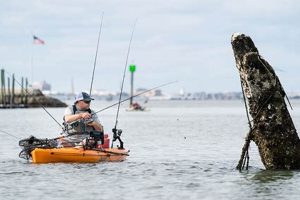
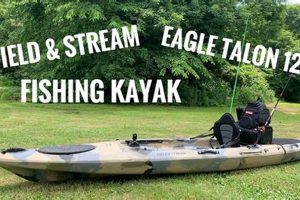
Organizations dedicated to paddle-powered angling in the Lone Star State offer a blend of camaraderie, skill development, and access to prime fishing locations. These groups often arrange outings, tournaments, and conservation initiatives, fostering a community around a shared passion. For example, a group might organize a weekend trip to a secluded reservoir known for its bass population, providing members with guidance, shared transportation, and a chance to learn from experienced anglers.
Membership in such associations can provide significant advantages. Participants gain from the collective knowledge and experience of fellow members, learning new techniques, discovering productive fishing spots, and improving their understanding of local regulations and conservation best practices. Historically, these groups have played a vital role in advocating for responsible waterway access and promoting ethical fishing practices. They contribute to the preservation of aquatic ecosystems, ensuring future generations can enjoy the sport.
This article will further explore the diverse landscape of these organizations, discussing topics such as membership benefits, conservation efforts, tournament participation, and the growing popularity of human-powered fishing in Texas. It will also delve into the equipment, techniques, and safety considerations specific to kayak fishing in this region.
Tips for Kayak Fishing in Texas
Safe and successful kayak fishing requires careful planning and preparation. The following tips offer guidance for anglers of all experience levels.
Tip 1: Check Weather Conditions: Before heading out, consult reliable weather forecasts. Texas weather can be unpredictable, and sudden changes can create hazardous conditions on the water. Pay attention to wind speed, temperature, and the possibility of storms.
Tip 2: Choose Appropriate Gear: Select a kayak designed for stability and fishing functionality. Essential gear includes a personal flotation device (PFD), appropriate paddles, fishing rods and reels, tackle, and a first-aid kit.
Tip 3: Plan Your Route: Research potential fishing spots and map out a route. Consider factors like water depth, current, and the presence of obstacles. Inform someone of your planned route and estimated return time.
Tip 4: Practice Kayak Control: Familiarize oneself with basic kayak maneuvering techniques before venturing into open water. This includes paddling, turning, and maintaining balance. Consider taking a kayaking lesson if needed.
Tip 5: Respect Wildlife and the Environment: Practice catch-and-release whenever possible. Properly dispose of fishing line and other waste. Adhere to all local fishing regulations and licensing requirements.
Tip 6: Stay Hydrated and Sun-Protected: Carry plenty of water and wear appropriate clothing, including a hat and sunglasses. Apply sunscreen regularly, especially during extended periods on the water.
Tip 7: Be Aware of Other Watercraft: Share the waterways responsibly. Maintain a safe distance from other boats and motorized vessels. Use a flag or light to increase visibility, especially in low-light conditions.
By following these guidelines, anglers can enhance their safety, improve their fishing success, and contribute to the preservation of Texas waterways.
This information provides a foundation for responsible and enjoyable kayak fishing experiences. Further research and preparation are encouraged to ensure safe and successful outings.
1. Community

The concept of community is central to the appeal and function of organizations dedicated to kayak angling in Texas. These groups foster a sense of belonging and shared purpose among individuals passionate about this sport. This section explores key facets of community within these organizations.
- Shared Knowledge and Experience:
Members benefit from a collective pool of knowledge, ranging from fishing techniques and equipment recommendations to local waterway insights and conservation best practices. Experienced anglers often mentor newcomers, fostering a supportive learning environment. For example, a seasoned angler might share tips on rigging specific lures for targeting certain species in a particular lake, accelerating the learning curve for less experienced members.
- Social Connections and Camaraderie:
These clubs provide opportunities for social interaction and the development of lasting friendships centered around a shared hobby. Regular fishing trips, social gatherings, and online forums create spaces for members to connect, share stories, and build camaraderie. These connections extend beyond the water, enriching the lives of participants.
- Organized Events and Activities:
Group fishing outings, tournaments, and conservation projects provide structured opportunities for members to engage with one another and the broader community. These events strengthen bonds within the group while promoting responsible angling practices and environmental stewardship. Participating in a river cleanup, for instance, not only benefits the environment but also fosters a sense of shared responsibility among members.
- Advocacy and Representation:
Collectively, these clubs can advocate for the interests of kayak anglers, promoting responsible waterway access and contributing to discussions on conservation and resource management. A unified voice strengthens their influence in protecting the sport and ensuring its sustainability for future generations. This might involve engaging with local authorities on access regulations or participating in broader conservation initiatives.
These interconnected facets of community contribute significantly to the value proposition of a Texas kayak fishing club. The sense of belonging, shared learning, and collective action enhance the individual fishing experience while promoting responsible angling practices and the long-term health of Texas waterways.
Shared resources represent a significant advantage of membership within Texas kayak fishing clubs, fostering community and enhancing individual angling experiences. Pooling resources provides access to tools, information, and opportunities that might otherwise be unavailable or prohibitively expensive for individual anglers.
- Group Discounts on Gear and Equipment:
Many clubs negotiate discounted rates with retailers on kayaks, paddles, fishing gear, and safety equipment. This allows members to acquire high-quality equipment at reduced prices, lowering the financial barrier to entry for newcomers and providing savings for experienced anglers. For instance, a club might secure a discount on a popular kayak model or arrange a bulk purchase of fishing line at a wholesale price.
- Access to Launch Sites and Fishing Locations:
Some clubs secure access to private or less-accessible launch sites, expanding fishing opportunities for members. They may also maintain a database of productive fishing spots, sharing information about species, seasonal patterns, and effective techniques. This collective knowledge base provides a valuable resource for members seeking new fishing experiences. A club might, for example, arrange access to a private ranch with a secluded pond known for its largemouth bass population.
- Shared Transportation and Logistics:
Organizing group fishing trips reduces the logistical burden and cost for individual members. Sharing transportation, coordinating launch times, and pooling resources for camping or lodging simplifies the planning process and fosters a sense of camaraderie. This is particularly beneficial for trips to remote locations where individual travel might be challenging or expensive.
- Libraries and Educational Resources:
Clubs often maintain libraries of books, magazines, maps, and online resources related to kayak fishing, providing members with access to valuable information on techniques, species identification, and conservation practices. This shared knowledge base supports continuous learning and skill development within the club. A club might also organize workshops or guest speaker events featuring experts in kayak fishing or local aquatic ecosystems.
These shared resources contribute significantly to the overall value and appeal of Texas kayak fishing clubs. By pooling resources and knowledge, these organizations create a supportive environment that enhances individual angling experiences, promotes responsible fishing practices, and fosters a strong sense of community among members. This collaborative approach strengthens the collective and ensures the sustainability of the sport for years to come.
3. Skill Development
Skill development is integral to the mission of many Texas kayak fishing clubs. These organizations recognize that continuous learning enhances both individual angling success and overall safety on the water. They provide structured opportunities for members to acquire and refine skills essential for safe and productive kayak fishing experiences.
- Paddle Stroke Technique and Kayak Control:
Efficient paddling techniques are fundamental to kayak fishing, enabling anglers to cover greater distances, navigate challenging currents, and position themselves effectively for casting. Clubs often offer workshops or on-the-water training sessions focused on proper paddle strokes, maneuvering techniques, and stability drills. Mastering these skills improves fishing efficiency and enhances safety in various water conditions. For example, learning to execute a sweep stroke allows for precise turning and positioning in tight spots, while understanding bracing techniques helps maintain stability in choppy water.
- Fishing Techniques Specific to Kayaks:
Fishing from a kayak presents unique challenges and opportunities compared to shore or boat fishing. Clubs often provide instruction on techniques tailored to kayak angling, such as casting while seated, managing fishing lines in a confined space, and landing fish safely from a kayak. Learning these specialized skills maximizes fishing success and minimizes the risk of capsizing or equipment loss. An example would be learning to use a kayak’s stability to one’s advantage when fighting a strong fish, leveraging the kayak’s movement to tire the fish while maintaining balance.
- Navigation and Safety Procedures:
Understanding navigation principles, chart reading, and the use of GPS devices are crucial for safe kayak fishing. Clubs may offer courses on navigation, water safety, and emergency procedures, equipping members with the knowledge and skills to navigate unfamiliar waterways and respond effectively in challenging situations. This includes understanding how to read nautical charts, interpret weather forecasts, and implement safety protocols in the event of capsizing or encountering adverse weather conditions.
- Knot Tying and Rigging Techniques:
Proficiency in knot tying and rigging is essential for effective fishing. Clubs often conduct workshops on various knots used for attaching lines, hooks, lures, and other terminal tackle. Learning these skills ensures proper presentation of bait or lures, maximizes hooking potential, and minimizes line breakage. A strong understanding of different knot applications, such as the improved clinch knot for attaching lures or the palomar knot for securing hooks, improves fishing efficiency and reduces gear loss.
By fostering skill development in these areas, Texas kayak fishing clubs enhance the safety and enjoyment of the sport for their members. These acquired skills not only improve fishing success but also contribute to a greater appreciation for the nuances of kayak angling and promote responsible practices on Texas waterways. Furthermore, the shared learning experience strengthens the sense of community within the club, fostering camaraderie and mentorship among members of varying skill levels.
4. Conservation Efforts

Conservation efforts are often a core tenet of Texas kayak fishing clubs, reflecting a deep understanding of the interconnectedness between the sport and the health of aquatic ecosystems. These organizations recognize that preserving the natural environment is essential for the long-term sustainability of kayak fishing. They actively engage in various conservation initiatives, demonstrating a commitment to responsible stewardship of Texas waterways.
- Waterway Cleanups:
Many clubs organize regular cleanups of rivers, lakes, and coastal areas, removing debris and pollutants that threaten aquatic life and degrade water quality. These efforts often involve partnerships with local conservation organizations and government agencies. For example, a club might coordinate a cleanup event on a popular stretch of river, removing discarded fishing line, plastic bottles, and other trash that poses a hazard to wildlife and detracts from the natural beauty of the area. These cleanups demonstrate a tangible commitment to environmental stewardship and foster a sense of shared responsibility among club members.
- Habitat Restoration Projects:
Some clubs participate in habitat restoration projects, working to improve the health and resilience of aquatic ecosystems. This might involve planting native vegetation along shorelines to prevent erosion and provide habitat for fish and other wildlife, or constructing artificial reefs to create new fish habitat. Participating in these projects contributes directly to the long-term health of the fisheries and enhances the overall quality of the angling experience. For instance, a club could partner with a local conservation group to plant native trees and shrubs along a degraded section of riverbank, restoring vital habitat and improving water quality.
- Advocacy for Responsible Fishing Practices:
Clubs often promote ethical fishing practices, educating members about catch-and-release techniques, proper handling of fish, and the importance of adhering to fishing regulations. They may also advocate for policies that protect aquatic ecosystems and promote sustainable fisheries management. This commitment to responsible angling ensures the long-term health of fish populations and preserves the enjoyment of the sport for future generations. For example, a club might organize educational workshops on proper catch-and-release techniques or advocate for stricter regulations on the harvesting of certain species.
- Monitoring Water Quality and Reporting Pollution:
Some clubs actively monitor water quality in their local waterways, collecting data and reporting instances of pollution or environmental degradation to relevant authorities. This citizen science approach contributes valuable information to environmental monitoring efforts and helps identify potential threats to aquatic ecosystems. For instance, club members might be trained to collect water samples and monitor dissolved oxygen levels, reporting any anomalies to environmental agencies. This proactive approach can help prevent further environmental damage and protect the health of the waterways.
These multifaceted conservation efforts demonstrate that Texas kayak fishing clubs are not simply recreational groups, but also active stewards of the environment. Their commitment to conservation reflects a deep understanding of the vital link between healthy ecosystems and the future of the sport. By engaging in these initiatives, they contribute significantly to the preservation of Texas waterways, ensuring that future generations can enjoy the unique experience of kayak fishing in a thriving natural environment. This commitment strengthens the angling community and reinforces the importance of responsible stewardship of natural resources.
5. Tournament Participation

Tournament participation provides a structured, competitive outlet for members of Texas kayak fishing clubs, fostering camaraderie and skill development within a framework of friendly competition. These events range from small, club-organized tournaments to larger, regional competitions, offering diverse opportunities for anglers to test their skills and engage with the broader kayak fishing community. Tournaments contribute significantly to the vitality and dynamism of these clubs.
- Skill Enhancement and Competition:
Tournaments offer a platform for anglers to refine their techniques under pressure, motivating them to improve their skills in areas such as fish identification, lure selection, and efficient kayak maneuvering. The competitive environment encourages anglers to push their limits and strive for peak performance. For example, anglers might experiment with different retrieval techniques or explore new fishing locations in preparation for a tournament, leading to a deeper understanding of local fish behavior and habitat preferences. The pursuit of competitive excellence drives continuous learning and skill development within the club.
- Community Building and Networking:
Tournaments create opportunities for members to interact with fellow anglers, share knowledge, and build camaraderie. These events foster a sense of shared purpose and friendly competition, strengthening the social fabric of the club. The shared experience of competing in a tournament, regardless of individual results, creates lasting bonds and strengthens the sense of community. Anglers often exchange tips and strategies during tournaments, fostering a collaborative learning environment even within a competitive setting.
- Conservation Awareness and Promotion:
Many kayak fishing tournaments incorporate conservation principles, promoting catch-and-release practices and raising awareness about responsible angling. Some tournaments partner with conservation organizations, donating a portion of the proceeds to support habitat restoration or other environmental initiatives. This integration of conservation principles reinforces the importance of environmental stewardship within the angling community. For example, a tournament might require the use of barbless hooks to minimize fish injury, or promote the use of eco-friendly fishing lines and tackle.
- Economic Impact and Tourism:
Larger kayak fishing tournaments can attract participants from across the state and beyond, generating economic benefits for local communities through tourism and increased spending at local businesses. This positive economic impact can raise the profile of kayak fishing and contribute to the growth and sustainability of the sport. For example, a regional tournament held on a popular lake might draw hundreds of participants, filling hotels, restaurants, and tackle shops, boosting the local economy.
Tournament participation thus serves as a vital component of Texas kayak fishing clubs, enriching the angling experience through friendly competition, skill development, community building, and conservation promotion. These events contribute to the overall dynamism of the clubs, fostering a vibrant and engaged community of kayak anglers dedicated to the sport and the preservation of Texas waterways. The combination of competitive drive, shared experience, and commitment to conservation makes tournament participation a defining aspect of the kayak fishing club experience.
6. Safety Promotion
Safety promotion is paramount within Texas kayak fishing clubs, reflecting a commitment to responsible angling and the well-being of members. These organizations recognize that kayak fishing, while rewarding, carries inherent risks that must be mitigated through education, training, and the promotion of safe practices. Prioritizing safety fosters a culture of responsibility and ensures enjoyable, accident-free experiences on the water.
- PFD Usage and Importance:
Consistent personal flotation device (PFD) usage is emphasized as a fundamental safety practice. Clubs educate members on the proper selection and fitting of PFDs, stressing their critical role in preventing drowning. Regular reminders and on-the-water demonstrations reinforce the importance of wearing a PFD at all times, regardless of swimming ability or perceived water conditions. Some clubs may even require PFD usage during club-organized events, setting a clear standard for safe practices.
- Weather Awareness and Trip Planning:
Understanding weather patterns and planning trips accordingly is crucial for safe kayak fishing. Clubs educate members on interpreting weather forecasts, identifying potential hazards like strong winds or lightning storms, and making informed decisions about whether to embark on or continue a fishing trip. This includes emphasizing the importance of checking multiple weather sources, understanding local weather patterns, and having contingency plans in case of unexpected changes in weather conditions. Promoting weather awareness helps prevent anglers from venturing out in hazardous conditions.
- Kayak Handling and Stability Training:
Mastering basic kayak handling skills is essential for maintaining stability and preventing capsizing. Clubs often offer training sessions on proper paddling techniques, maneuvering in various water conditions, and recovery procedures in case of a capsize. These sessions equip members with the skills and confidence to navigate different water environments safely. Practical exercises, such as practicing self-rescue techniques or learning how to brace against waves, enhance on-the-water safety and preparedness.
- Communication and Emergency Procedures:
Effective communication is vital for safety on the water. Clubs emphasize the importance of informing someone about trip plans, including intended fishing locations and estimated return times. They also promote the use of communication devices like VHF radios or cell phones, and educate members on established emergency procedures. Knowing how to contact emergency services or signal for help in case of an incident is crucial for ensuring a timely response and mitigating potential risks. Regularly reviewing communication protocols and emergency procedures enhances preparedness and reduces response time in critical situations.
By prioritizing safety promotion through these multifaceted efforts, Texas kayak fishing clubs cultivate a culture of responsible angling. These initiatives not only minimize risks and prevent accidents but also contribute to a more enjoyable and confident on-the-water experience for all members. The emphasis on safety reinforces the club’s commitment to the well-being of its members and strengthens the overall community by fostering a shared understanding of responsible kayak fishing practices. This proactive approach to safety ensures the longevity and sustainability of the sport by promoting a positive and secure environment for all participants.
Frequently Asked Questions
This section addresses common inquiries regarding paddle-sport angling organizations in Texas, providing concise and informative responses.
Question 1: What are the typical membership fees for these organizations?
Membership fees vary depending on the specific organization and the benefits offered. Some groups operate on a nominal annual fee, while others may have tiered memberships with varying levels of access and benefits. Prospective members are encouraged to contact individual organizations directly for current fee information.
Question 2: Are there age restrictions for joining a kayak fishing club?
Age restrictions, if any, will vary by organization. Some groups may cater specifically to adults, while others may welcome families and younger anglers. It is recommended to review individual club bylaws or contact the organization directly for clarification on age requirements.
Question 3: What level of kayaking experience is required to participate?
Many organizations welcome anglers of all skill levels, from beginners to experienced paddlers. Introductory courses and on-the-water training sessions are often offered to help newcomers develop essential kayaking skills. However, certain events or trips may have specific skill level requirements for safety reasons.
Question 4: Do I need to own a kayak to join a club?
While owning a kayak is beneficial for regular participation, it is not always a requirement for membership. Some clubs may have kayaks available for rent or loan to members, or may organize group outings where kayaks can be shared. Inquire directly with the organization about kayak accessibility for members.
Question 5: How often do these clubs typically organize fishing outings or events?
The frequency of organized activities varies among clubs. Some groups may host weekly or monthly fishing trips, while others may focus on larger events or tournaments held several times a year. Check with individual organizations about their event schedules and frequency of activities.
Question 6: What are the primary benefits of joining a kayak fishing organization in Texas?
Key benefits often include access to a community of like-minded anglers, shared resources and knowledge, skill development opportunities, organized fishing trips and tournaments, and advocacy for responsible angling practices and conservation efforts. These benefits contribute to a more enriching and fulfilling kayak fishing experience.
Careful consideration of these points should provide a clearer understanding of the structure and function of these organizations. Potential members are encouraged to research specific clubs to find one that aligns with their interests and experience levels.
For those interested in exploring specific clubs and their offerings, the next section provides a directory of prominent kayak fishing organizations in Texas.
Conclusion
This exploration of paddle-sport angling groups within Texas reveals their significance within the broader fishing community. These organizations offer a valuable platform for camaraderie, skill development, and the promotion of conservation. Shared resources, organized events, and a focus on safety enhance the individual angling experience while fostering a collective commitment to responsible fishing practices. The multifaceted nature of these clubs contributes to the growth and sustainability of kayak fishing within the state.
The future of kayak fishing in Texas relies on the continued engagement and stewardship of its passionate community. Active participation in these organizations strengthens advocacy efforts for waterway access and conservation initiatives, ensuring the preservation of this unique sport for generations to come. Consideration of the benefits and opportunities presented by these clubs encourages wider participation and contributes to the vibrant future of kayak angling in Texas.