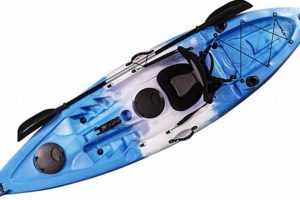
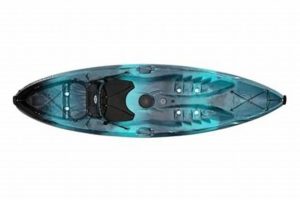
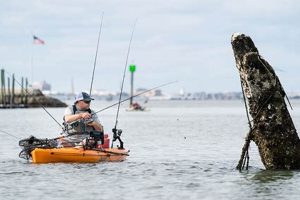
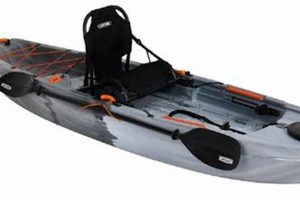
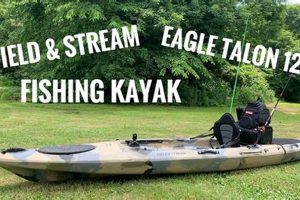
This activity involves the use of small, human-powered vessels to pursue fish in the state of Georgia. It offers a unique blend of angling and paddling, allowing access to shallow-water fisheries often inaccessible to larger, motorized boats. Anglers utilize specialized kayaks equipped with rod holders, storage compartments, and other features designed for this specific purpose. This approach provides an intimate connection with the natural environment and a more active fishing experience.
The popularity of this pursuit stems from several factors, including its affordability compared to traditional boat ownership, the low environmental impact of human-powered vessels, and the accessibility of numerous rivers, lakes, and coastal areas throughout Georgia. Historically, smaller boats have played a role in fishing practices across cultures, and the modern iteration with specialized equipment allows for efficient and enjoyable angling. This method opens up opportunities for diverse catches, from freshwater species like bass and bream to saltwater targets such as redfish and flounder, contributing to the state’s recreational fishing economy.
Further exploration will cover key aspects including choosing appropriate equipment, identifying productive fishing locations in Georgia, understanding relevant regulations and licensing, and implementing effective fishing techniques from a kayak.
Tips for Kayak Angling in Georgia
Successful outings require careful planning and execution. The following tips offer guidance for a safe and productive experience.
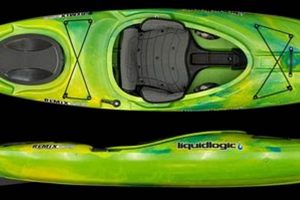
Tip 1: Choose the Right Kayak. Kayak selection depends on the intended fishing environment. Sit-on-top kayaks offer stability and ease of re-entry after a water landing, making them suitable for beginners and warmer conditions. Sit-inside kayaks offer better protection from the elements but can be more challenging to recover after capsizing.
Tip 2: Prioritize Safety Gear. A personal flotation device (PFD) is essential and should be worn at all times. A whistle, signaling device, and first-aid kit should also be included in standard equipment. Checking weather forecasts before departure is critical.
Tip 3: Plan Fishing Locations Strategically. Research potential fishing spots in advance, considering factors like species targeted, water conditions, and accessibility. Online resources and local fishing reports can provide valuable insights. Respect private property and adhere to access restrictions.
Tip 4: Organize Tackle and Equipment Efficiently. Kayak space is limited, so careful organization is vital. Utilize tackle boxes and storage compartments designed for kayaks to keep gear secure and easily accessible. Minimize clutter to maintain a stable fishing platform.
Tip 5: Practice Kayak Control and Maneuvering. Comfortable paddling and maneuvering skills are essential for safe and effective fishing. Practice basic strokes and turning techniques before venturing into challenging waters. Consider taking a kayaking course to enhance skills and confidence.
Tip 6: Understand Local Regulations and Licensing. Obtain the necessary fishing licenses and familiarize oneself with local regulations regarding catch limits, size restrictions, and permitted fishing methods. This information is typically available through the Georgia Department of Natural Resources.
Tip 7: Respect the Environment. Practice Leave No Trace principles. Pack out all trash, avoid disturbing wildlife, and minimize impact on the natural environment. Responsible angling ensures the preservation of Georgia’s waterways for future generations.
By adhering to these guidelines, anglers can maximize their chances of a successful and enjoyable experience while prioritizing safety and environmental responsibility.
These tips offer a starting point for planning a successful outing. Further sections will delve into specific techniques and strategies for various fish species and locations throughout Georgia.
1. Location Selection

Strategic location selection is paramount for successful kayak angling in Georgia. The diverse waterways across the state offer a range of fishing opportunities, each with unique characteristics influencing species presence, accessibility, and overall angling experience. Careful consideration of these factors optimizes the chances of a productive and enjoyable outing.
- Water Type
Georgia offers diverse fishing environments, including rivers, lakes, ponds, and coastal saltwater areas. Each water type presents specific conditions influencing fish species, fishing techniques, and kayak suitability. River fishing might involve navigating currents and targeting species like bass or catfish. Lake fishing often focuses on still-water techniques for species such as crappie or bream. Coastal areas provide opportunities for saltwater species like redfish or flounder but require specialized kayaks and safety considerations due to tides and currents.
- Accessibility
Accessibility considerations encompass launch points, parking availability, and potential portages. Some locations offer convenient boat ramps and ample parking, while others require carrying kayaks over short distances. Researching access points in advance and factoring in physical limitations ensures a smooth and efficient launch experience. Choosing locations with accessible shorelines or docks simplifies entry and exit for anglers with mobility concerns.
- Fish Species
Targeting specific fish species influences location choice. Researching known habitats and seasonal patterns guides anglers towards productive areas. For example, seeking trout might lead anglers to cool, flowing streams in North Georgia, while pursuing largemouth bass directs them towards warmer lakes and reservoirs throughout the state. Understanding fish behavior and preferred habitats is crucial for maximizing catch rates. Local fishing reports and online resources provide valuable insights into species distribution and seasonal activity.
- Environmental Factors
Environmental factors, including weather, water clarity, and temperature, play significant roles in fish behavior and angling success. Checking weather forecasts before heading out is essential for safety and comfort. Wind conditions can impact kayak control and fishing presentation. Water clarity influences lure selection and visibility. Understanding these factors and their influence on fish activity allows anglers to adapt strategies accordingly and increase their chances of a successful outing.
By carefully considering these location-specific factors, anglers can tailor their approach, maximize their chances of success, and enhance their overall kayak fishing experience in Georgia’s diverse waterways. Choosing a location aligned with target species, accessibility needs, and environmental conditions contributes significantly to a rewarding and enjoyable outing. Research and preparation are key to a successful and safe kayak fishing experience.
2. Kayak Choice
Kayak selection significantly impacts the overall experience of kayak fishing in Georgia. Choosing the right vessel involves careful consideration of individual needs, fishing style, and the specific waterways targeted. A well-suited kayak enhances stability, maneuverability, and overall fishing effectiveness. This section explores key facets of kayak choice to guide informed decision-making.
- Hull Design
Hull design directly influences stability and tracking. A wider, flatter hull offers greater initial stability, making it suitable for beginners and calmer waters. A narrower, V-shaped hull provides better tracking and speed, advantageous for covering longer distances and handling rougher conditions. Pontoon hulls offer exceptional stability but may sacrifice maneuverability. Selecting a hull design appropriate for the intended fishing environment and angler experience is crucial.
- Length and Weight Capacity
Kayak length and weight capacity directly correlate with storage space and angler comfort. Longer kayaks typically offer more storage for gear and tackle but can be more challenging to maneuver in tight spaces. Weight capacity dictates the total load the kayak can safely carry, including the angler, equipment, and potential catch. Accurately assessing gear needs and angler weight ensures safe and comfortable operation within the kayak’s specified limits.
- Propulsion System
Kayaks utilize various propulsion systems, each with advantages and disadvantages. Paddle kayaks offer affordability, simplicity, and a quiet approach, ideal for shallow water and stealth fishing. Pedal kayaks provide hands-free operation and increased speed, beneficial for covering larger areas. Motorized kayaks offer the greatest range and speed but require additional maintenance and battery management. Propulsion system choice depends on fishing style, physical capabilities, and target fishing locations.
- Features and Accessories
Specialized features and accessories enhance fishing functionality. Rod holders, tackle storage compartments, anchor trolleys, and fish finders improve organization and fishing efficiency. Sit-on-top kayaks offer convenient access and self-bailing capabilities, suitable for warmer conditions. Sit-inside kayaks provide greater protection from the elements. Selecting features tailored to specific fishing needs optimizes the kayak’s utility and overall performance.
Careful consideration of these factors ensures a well-matched kayak for individual needs and the specific demands of kayak fishing in Georgia. Selecting an appropriate vessel enhances safety, maneuverability, and overall fishing effectiveness. The optimal kayak choice facilitates a more productive and enjoyable experience on the water, contributing to successful angling adventures across Georgia’s diverse waterways. This choice directly influences the angler’s ability to navigate various environments, access desired fishing spots, and effectively target different species.
3. Essential Gear

Appropriate gear is crucial for a safe and productive kayak fishing experience in Georgia. The right equipment enhances angler safety, improves fishing effectiveness, and contributes to overall enjoyment on the water. This section explores essential gear categories, highlighting their importance and offering practical examples for kayak anglers in Georgia.
- Personal Flotation Device (PFD)
A properly fitted PFD is paramount for safety and is legally required in many situations. It provides essential buoyancy in case of capsizing or accidental immersion. Georgia law mandates that children under 13 years of age wear a USCG-approved PFD while on any moving vessel, including kayaks. Various PFD types cater to different kayaking styles and preferences, ranging from basic foam vests to inflatable belt packs. Choosing a comfortable and appropriately rated PFD is crucial for ensuring safety without hindering paddling or fishing movements.
- Paddle and Paddle Leash
A reliable paddle is essential for propulsion and maneuvering. Paddle length depends on factors such as kayak width, angler height, and paddling style. A paddle leash prevents loss in case of accidental dropping. Different paddle materials and blade designs offer varying performance characteristics, impacting speed and efficiency. A well-chosen paddle ensures efficient propulsion and precise boat control, facilitating navigation through Georgia’s diverse waterways.
- Fishing Tackle and Storage
Appropriate fishing tackle tailored to target species and fishing techniques is essential. Rods, reels, lines, lures, and hooks should be selected based on the intended quarry and fishing environment. Tackle storage solutions designed for kayaks, such as waterproof boxes and bags, keep gear organized and protected. Efficient organization maximizes space and accessibility within the limited confines of a kayak.
- Safety and Communication Equipment
Essential safety equipment includes a whistle for signaling, a waterproof flashlight or headlamp for visibility, and a first-aid kit for minor injuries. A communication device, such as a VHF radio or a waterproof cell phone case, allows for emergency contact. Checking weather forecasts before departure and informing someone of the planned fishing location and return time are crucial safety precautions. These measures enhance preparedness for unforeseen circumstances and contribute significantly to angler safety on Georgia’s waters.
Careful selection and proper utilization of essential gear contribute significantly to a safe, productive, and enjoyable kayak fishing experience in Georgia. The right equipment enables anglers to navigate diverse waterways, effectively target desired species, and respond appropriately to unforeseen circumstances. Prioritizing safety and preparedness enhances the overall experience and ensures responsible enjoyment of Georgia’s aquatic resources.
4. Safety Procedures
Safety procedures are paramount for mitigating risks inherent in kayak fishing within Georgia’s diverse waterways. Understanding and implementing these procedures ensures angler well-being and fosters responsible enjoyment of the state’s aquatic resources. This section details critical safety considerations specific to kayak fishing in Georgia, emphasizing proactive measures to prevent incidents and promote a secure angling experience.
- Pre-Trip Planning
Thorough pre-trip planning is fundamental to safe kayak fishing. Checking weather forecasts for wind, rain, and temperature fluctuations allows anglers to make informed decisions about launch timing and location suitability. Informing a trusted individual about the planned fishing area, estimated return time, and kayak description facilitates timely assistance in case of emergencies. Researching potential hazards, such as swift currents, submerged obstacles, or areas with heavy boat traffic, enables proactive route planning and hazard avoidance.
- On-Water Safety Equipment
Carrying essential safety equipment is crucial for managing unforeseen circumstances. A properly fitted personal flotation device (PFD) must be worn at all times. A whistle enables signaling for assistance in emergencies. A waterproof communication device, such as a VHF radio or a cell phone in a waterproof case, allows contact with emergency services or designated contacts. A first-aid kit equipped to handle common injuries, such as cuts, abrasions, and stings, provides immediate care capabilities. Navigation aids, including a compass and charts, aid in maintaining orientation, particularly in unfamiliar waters or areas with limited visibility.
- Kayak Handling and Navigation
Understanding kayak handling and navigation principles enhances safety and maneuverability. Maintaining a low center of gravity improves stability, minimizing the risk of capsizing. Practicing basic paddling strokes and maneuvering techniques in calm water before venturing into more challenging conditions builds confidence and control. Adhering to established navigation rules and maintaining awareness of other vessels reduces the risk of collisions. Understanding water conditions, such as currents, tides, and wind patterns, allows for informed route planning and appropriate adjustments during the fishing trip.
- Emergency Procedures
Knowing appropriate emergency procedures empowers anglers to respond effectively to unexpected situations. In the event of capsizing, staying calm and focusing on self-rescue techniques is paramount. If possible, re-enter the kayak; otherwise, stay with the overturned vessel for increased visibility and flotation. Signaling for assistance using a whistle or communication device alerts others to the situation. Basic first-aid knowledge enables immediate treatment of injuries. Regular participation in kayak safety courses and practice drills reinforces these procedures and enhances preparedness for emergencies.
Implementing these safety procedures significantly mitigates risks associated with kayak fishing in Georgia. Prioritizing pre-trip planning, carrying appropriate safety equipment, understanding kayak handling principles, and knowing emergency procedures contributes to angler well-being and fosters responsible engagement with the states aquatic environments. By adhering to these safety guidelines, anglers enhance their personal safety, promote responsible recreation, and contribute to a positive and sustainable kayak fishing experience in Georgia.
5. Fishing Techniques

Effective fishing techniques are essential for successful kayak angling in Georgia. Adapting techniques to the specific characteristics of a kayak and the targeted species maximizes catch rates. The following facets explore key techniques relevant to kayak fishing in the state, emphasizing their practical application and effectiveness.
- Casting Techniques
Casting from a kayak requires adjustments due to the limited space and lower stability compared to larger boats. Anglers often utilize underhand or sidearm casts to avoid entanglement with overhead obstacles and maintain balance. Precision casting is crucial for placing lures near cover or structure where fish may be hiding. Practicing these adapted casting methods enhances accuracy and efficiency while minimizing the risk of tangles or losing balance.
- Drift Fishing
Drift fishing is a productive technique in rivers and streams, utilizing the current to present bait or lures naturally. Anglers control the kayak’s drift with subtle paddle strokes or by deploying a drift sock or anchor. This technique allows coverage of a wider area and presents offerings to fish holding in specific current seams or eddies. Understanding river dynamics and adjusting drift speed based on current and target species enhances effectiveness.
- Trolling from a Kayak
Trolling involves dragging lures or bait behind a moving kayak. This technique covers water efficiently and allows exploration of different depths. Kayak anglers often use specialized trolling motor systems or pedal-powered kayaks for sustained trolling speeds. Varying lure selection and trolling patterns based on target species and water conditions maximizes effectiveness. Monitoring rod tips and line tension helps detect strikes and maintain proper lure action.
- Anchoring and Positioning
Precise anchoring or positioning is crucial for maintaining location in specific fishing spots. Kayak anglers often use specialized anchor systems designed for shallow water and quick deployment. Positioning the kayak upstream or downstream of structure or cover maximizes presentation effectiveness. Understanding current flow and wind direction allows for optimal kayak placement and reduces line drag, enhancing lure presentation and strike detection.
Adapting these fishing techniques to the unique characteristics of kayak fishing in Georgia maximizes angling success. Consideration of kayak stability, maneuverability, and the specific target species informs technique selection and implementation. Effective kayak anglers combine these techniques with knowledge of local waterways and fish behavior to create a productive and enjoyable fishing experience.
Frequently Asked Questions
This section addresses common inquiries regarding kayak fishing in Georgia, providing concise and informative responses to facilitate informed decision-making and enhance angling experiences.
Question 1: What are the licensing requirements for kayak fishing in Georgia?
A valid Georgia fishing license is required for residents and non-residents. Specific license types and costs vary based on age and residency status. Information on license acquisition is available through the Georgia Department of Natural Resources website.
Question 2: Are there specific regulations regarding kayak fishing locations in Georgia?
Regulations vary depending on the specific waterway. Restrictions may apply to certain areas, such as designated wildlife refuges or protected habitats. Consulting local authorities or the Georgia Department of Natural Resources website provides clarification on site-specific regulations.
Question 3: What safety equipment is mandatory for kayak fishing in Georgia?
A U.S. Coast Guard-approved personal flotation device (PFD) is mandatory for each person on board a kayak. Additional recommended safety equipment includes a whistle, visual distress signals, and a first-aid kit.
Question 4: What are the best times of year for kayak fishing in Georgia?
Fishing opportunities exist year-round, but optimal times vary depending on target species. Spring and fall generally offer favorable conditions for many species. Researching specific species’ seasonal behavior and preferred water temperatures informs effective trip planning.
Question 5: Where can information on public kayak launch sites in Georgia be found?
The Georgia Department of Natural Resources website and local government websites often provide information on public access points for kayaking and fishing. Online mapping tools and dedicated paddling resources can also assist in identifying suitable launch locations.
Question 6: Are there guided kayak fishing tours available in Georgia?
Numerous outfitters and guides offer kayak fishing tours throughout Georgia. Guided tours cater to various skill levels and target different species and waterways. Researching local outfitters provides options aligned with individual preferences and experience.
Addressing these frequently asked questions provides a foundation for planning successful and safe kayak fishing excursions in Georgia. Further research based on individual needs and target fishing locations ensures informed preparation and enhances the overall angling experience.
This FAQ section offers a starting point for gathering information. The next sections will explore specific fishing locations and recommended species to target within Georgia.
Kayak Fishing in Georgia
This exploration has provided a comprehensive overview of kayak fishing within Georgia, encompassing key aspects such as location selection, kayak choice, essential gear, safety procedures, and effective fishing techniques. The diverse waterways across the state offer unique opportunities for anglers seeking a close-to-nature experience. Careful consideration of these elements enhances both safety and the likelihood of successful angling outcomes.
The growing popularity of this pursuit underscores its accessibility and the unique perspective it offers anglers. Responsible engagement with Georgia’s aquatic resources ensures the sustainability of this rewarding recreational activity for future generations. Continued exploration of specific locations, target species, and refined techniques promises further enrichment of the kayak fishing experience within the state’s diverse aquatic landscapes.