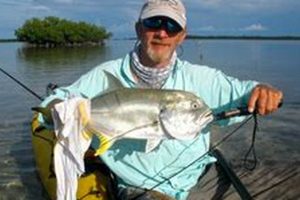
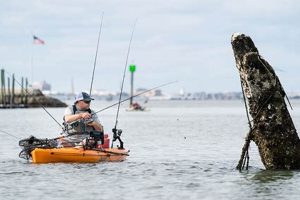
A national representative group of anglers competes in kayak fishing tournaments at international levels. This involves skilled individuals selected based on their competitive achievements and expertise in this specialized fishing discipline. These anglers often participate in world championships and other major events, representing their nation on the global stage.
National representation in competitive angling elevates the profile of the sport within a country and provides opportunities for elite anglers to test their skills against international competition. Participation in these events fosters camaraderie, encourages the development of advanced fishing techniques, and promotes conservation efforts within the angling community. The historical development of such teams mirrors the growth in popularity of kayak fishing itself, reflecting increasing participation and professionalization of the sport.
This discussion will further explore the selection process, training regimens, and competitive landscape surrounding national kayak fishing representation. It will also delve into the future of the sport and the role these teams play in shaping its evolution.
Tips for Competitive Kayak Angling
Success in competitive kayak fishing requires meticulous preparation and strategic execution. The following tips offer guidance for anglers seeking to improve their performance.
Tip 1: Master Boat Control: Precise maneuvering is crucial. Practice maneuvering in various conditions, including wind and current, to efficiently position the kayak for optimal casting and fish retrieval.
Tip 2: Optimize Tackle Selection: Choose rods, reels, and lines specifically suited for the target species and anticipated fishing conditions. Consider factors like lure weight, line strength, and rod action.
Tip 3: Develop a Pre-Fishing Plan: Research potential fishing locations, including water depth, structure, and prevalent forage. A well-defined plan maximizes fishing time and increases the likelihood of success.
Tip 4: Prioritize Safety: Always wear a personal flotation device and carry essential safety equipment, including a whistle, signaling device, and first-aid kit. Be aware of weather conditions and water hazards.
Tip 5: Refine Knot-Tying Skills: Strong, reliable knots are essential for landing fish. Practice various knot-tying techniques appropriate for different line types and fishing situations.
Tip 6: Understand Fish Behavior: Knowledge of fish habits, feeding patterns, and preferred habitats is invaluable. Adapt fishing techniques based on species-specific behaviors and environmental factors.
Tip 7: Practice Catch and Release Techniques: Proper handling and release techniques minimize stress on fish and promote conservation. Use appropriate tools and handle fish gently to ensure their survival.
Implementing these strategies can significantly enhance performance and contribute to a more rewarding competitive angling experience.
By focusing on these key areas, anglers can elevate their skills and contribute to the advancement of competitive kayak fishing.
1. Skill-based selection

The efficacy of a national kayak fishing team hinges on the selection process. A rigorous, skill-based approach ensures the team comprises the most qualified anglers, capable of performing at the highest international levels. This process identifies individuals with proven competitive experience, advanced fishing techniques, and a deep understanding of the sport’s intricacies.
- Tournament Performance:
Consistent high rankings in recognized tournaments serve as a primary selection criterion. Results demonstrate an angler’s ability to perform under pressure, adapt to diverse fishing conditions, and consistently locate and land fish. Examining tournament history provides objective data on an angler’s competitive prowess.
- Species Expertise:
Mastery of techniques targeting specific fish species relevant to international competitions is essential. This includes knowledge of preferred baits, lures, and presentations, as well as understanding fish behavior and habitat preferences. Demonstrated proficiency in targeting diverse species enhances the team’s adaptability in varied competition environments.
- Knowledge of Regulations and Conservation:
Adherence to ethical fishing practices and a comprehensive understanding of international fishing regulations are paramount. Respect for conservation principles, including catch-and-release protocols, reflects a commitment to sustainability within the sport. This knowledge ensures responsible representation on the global stage.
- Adaptability and Problem-Solving:
Competitive fishing demands adaptability to changing conditions, including weather, water clarity, and fish behavior. The ability to analyze situations, adjust strategies, and effectively solve problems contributes significantly to success. These skills allow anglers to remain competitive even in unfamiliar or challenging environments.
These facets of skill-based selection contribute to building a national kayak fishing team capable of competing successfully at the international level. The meticulous evaluation of these criteria ensures the team comprises individuals not only with exceptional fishing skills but also with the integrity and sportsmanship befitting national representatives.
2. Rigorous Training
Rigorous training forms the cornerstone of success for any national kayak fishing team, including the USA team. It bridges the gap between individual skill and cohesive team performance, enabling anglers to reach peak competitive form. This dedicated preparation encompasses diverse aspects, from physical conditioning to advanced fishing techniques, all aimed at maximizing performance on the international stage.
- Physical Conditioning:
Kayak fishing demands significant physical exertion, particularly during long tournaments. Training regimens often include strength training, endurance exercises, and on-water paddling drills to enhance stamina, balance, and overall physical resilience. This conditioning prepares anglers for the physical demands of competition, ensuring they can maintain focus and effectiveness throughout.
- Advanced Techniques:
Rigorous training provides opportunities to refine and expand technical skills. This includes mastering advanced casting techniques, knot tying, fish handling, and electronic sonar interpretation. Team members often engage in simulated fishing scenarios, practicing diverse techniques under varying conditions to enhance adaptability and problem-solving skills. This specialized training equips anglers with the technical prowess needed to excel in competitive environments.
- Strategic Planning and Analysis:
Competitive success relies heavily on strategic planning and analysis. Training programs often incorporate pre-fishing scouting, map reading, weather pattern analysis, and the development of location-specific fishing strategies. Anglers learn to analyze water bodies, identify potential fishing hotspots, and adapt their approach based on prevailing conditions. This analytical approach enables informed decision-making during tournaments, optimizing time and resource allocation for maximum results.
- Equipment Management and Maintenance:
Proper equipment maintenance and efficient organization are crucial for competitive anglers. Training includes sessions focused on kayak maintenance, tackle organization, and rapid gear adjustments. Anglers learn to maintain their equipment in optimal condition, ensuring reliability and minimizing potential technical issues during competition. This meticulous preparation allows for seamless transitions and efficient use of time during critical moments in a tournament.
These interconnected facets of rigorous training collectively contribute to elevating the performance of the USA Kayak Fishing Team. By focusing on physical conditioning, advanced techniques, strategic planning, and equipment management, team members prepare to face the challenges of international competition with confidence and competence. This dedicated preparation not only enhances individual skills but also fosters team cohesion and a shared pursuit of excellence, ultimately strengthening the team’s representation on the global stage.
3. National Representation

National representation embodies the pinnacle of achievement for competitive anglers, signifying recognition of exceptional skill and dedication within the sport. For the USA Kayak Fishing Team, it carries the weight of national pride and the responsibility of showcasing American angling prowess on the global stage. This representation fosters a sense of unity within the national angling community and inspires aspiring anglers to pursue excellence. It also provides a platform for promoting conservation efforts and strengthening international relationships within the sport.
- International Competition:
Representing the USA in international tournaments, such as world championships or other major events, provides a platform for team members to test their skills against the best anglers globally. These competitions offer invaluable experience, fostering growth and innovation within the sport. Results achieved on the international stage directly impact national rankings and elevate the profile of American kayak fishing.
- Cultural Exchange and Diplomacy:
International competitions facilitate cultural exchange and sporting diplomacy. Team members interact with anglers from diverse backgrounds, sharing knowledge, techniques, and perspectives. This fosters mutual respect and understanding among nations, strengthening international relationships within the angling community. These interactions contribute to a broader appreciation of diverse fishing practices and conservation approaches.
- Advocacy for Conservation:
National team members often serve as ambassadors for conservation, promoting responsible fishing practices and advocating for the protection of aquatic ecosystems. Their platform allows them to raise awareness about environmental issues and encourage sustainable fishing practices both domestically and internationally. This advocacy contributes to the long-term health of fisheries and the preservation of aquatic biodiversity.
- Inspiration and Development:
The USA Kayak Fishing Team serves as a source of inspiration for aspiring anglers across the country. Their achievements demonstrate the potential within the sport and encourage younger generations to pursue competitive angling. The team’s visibility also contributes to the growth and development of kayak fishing at the grassroots level, fostering a vibrant and dynamic national angling community.
These facets of national representation underscore the significance of the USA Kayak Fishing Team’s role within the broader angling landscape. By competing at the highest international levels, fostering cultural exchange, advocating for conservation, and inspiring future generations, the team contributes significantly to the growth, sustainability, and recognition of kayak fishing within the United States and beyond.
4. Competitive Spirit
Competitive spirit forms an integral part of the USA Kayak Fishing Team’s identity, driving individual performance and shaping team dynamics. This inherent drive to excel fuels dedication, perseverance, and a constant pursuit of improvement, ultimately contributing to success on the international stage. It fosters a culture of resilience, pushing team members to overcome challenges and strive for peak performance, thereby elevating the team’s overall standing within the global competitive landscape.
- Drive for Excellence:
A strong competitive spirit instills an unwavering commitment to excellence. Team members consistently push their limits, seeking continuous improvement in their fishing techniques, strategic planning, and physical conditioning. This dedication translates into meticulous preparation, strategic decision-making during competitions, and a relentless pursuit of top performance, essential for achieving international recognition and success.
- Resilience Under Pressure:
Competitive kayak fishing presents numerous challenges, from unpredictable weather conditions to intense competition. A robust competitive spirit fosters resilience, enabling anglers to maintain composure under pressure, adapt to changing circumstances, and persevere through setbacks. This mental fortitude is crucial for overcoming obstacles and maintaining focus during critical moments in a tournament, significantly impacting the team’s ability to perform consistently at a high level.
- Sportsmanship and Respect:
While a competitive spirit drives athletes to win, it also encompasses a deep respect for the sport, fellow competitors, and the environment. For the USA Kayak Fishing Team, this translates into upholding high standards of sportsmanship, fair play, and ethical fishing practices. This commitment to integrity ensures that competition remains respectful and contributes to the positive development of the sport both domestically and internationally.
- Team Cohesion and Support:
Although kayak fishing is primarily an individual sport, a strong team dynamic enhances overall performance. A healthy competitive spirit fosters camaraderie and mutual support among team members. Sharing knowledge, offering encouragement, and celebrating each other’s successes create a positive and collaborative team environment. This cohesive atmosphere strengthens individual performance and reinforces a shared commitment to achieving team goals, enhancing the USA Kayak Fishing Team’s representation on the global stage.
These intertwined elements of competitive spirit are essential for the USA Kayak Fishing Team’s success. The drive for excellence, resilience under pressure, sportsmanship, and team cohesion contribute to a culture of continuous improvement and a shared pursuit of victory. This collective spirit not only enhances individual performance but also strengthens the team’s overall representation, solidifying its position within the global competitive kayak fishing landscape.
5. Conservation Advocacy
Conservation advocacy forms an integral part of the USA Kayak Fishing Team’s mission, reflecting a deep commitment to protecting aquatic ecosystems and promoting sustainable fishing practices. The team recognizes the importance of preserving healthy fisheries for future generations and actively engages in initiatives that support this goal. Their advocacy efforts range from promoting catch-and-release practices to supporting habitat restoration projects, demonstrating a proactive approach to environmental stewardship within the competitive fishing landscape.
- Promoting Catch and Release:
The team champions catch-and-release fishing as a cornerstone of conservation. Members actively educate fellow anglers and the public about proper handling and release techniques that minimize stress on fish and maximize post-release survival rates. This advocacy extends to promoting the use of appropriate tackle and tools designed to minimize fish injury. By emphasizing catch and release, the team contributes to the long-term health and sustainability of fish populations.
- Habitat Restoration and Protection:
Recognizing the vital role of healthy habitats, the team supports initiatives focused on restoring and protecting aquatic ecosystems. This may involve participating in habitat cleanup events, advocating for policies that protect critical fish habitats, or supporting organizations dedicated to restoring damaged ecosystems. Their involvement in these efforts contributes to creating and maintaining healthy environments essential for thriving fish populations.
- Education and Outreach:
Team members actively engage in educational outreach programs, sharing their knowledge and passion for conservation with the broader community. This includes conducting workshops, giving presentations, and participating in community events focused on promoting environmental awareness and responsible fishing practices. By educating the public, particularly younger generations, the team fosters a culture of conservation and encourages responsible stewardship of aquatic resources.
- Partnerships and Collaboration:
The USA Kayak Fishing Team recognizes the importance of collaboration in achieving conservation goals. They actively seek partnerships with conservation organizations, government agencies, and other stakeholders working to protect aquatic environments. These collaborations amplify their advocacy efforts and contribute to broader conservation initiatives, fostering a collective approach to addressing environmental challenges within the fishing community.
These interconnected conservation advocacy efforts demonstrate the USA Kayak Fishing Team’s commitment to environmental stewardship. By actively promoting catch and release, supporting habitat restoration, engaging in educational outreach, and fostering collaborative partnerships, the team not only contributes to the health of aquatic ecosystems but also sets a positive example for the broader angling community. Their actions underscore the importance of integrating conservation principles into competitive fishing, ensuring the sustainability of the sport for future generations.
6. Strategic Partnerships

Strategic partnerships play a crucial role in the success and sustainability of the USA Kayak Fishing Team. These collaborations, formed with various organizations, provide essential resources, enhance the team’s visibility, and contribute to the growth of the sport. Partnerships often involve collaborative marketing efforts, equipment sponsorship, and financial support, enabling the team to compete at the highest level and promote kayak fishing nationwide.
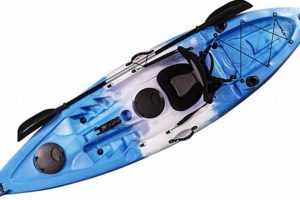
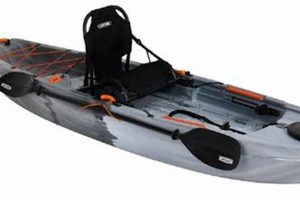
For example, partnerships with kayak manufacturers provide the team with access to cutting-edge equipment and technological advancements. These relationships ensure team members have high-performance kayaks designed for competitive fishing, incorporating features like advanced stability, maneuverability, and integrated fish-finding technology. Similarly, collaborations with fishing tackle companies provide access to specialized rods, reels, lines, and lures optimized for specific tournament conditions and target species. These partnerships not only equip the team with superior gear but also contribute to the development and refinement of fishing equipment, benefiting the broader angling community. Furthermore, partnerships with conservation organizations align the team with broader environmental initiatives, amplifying their advocacy efforts and promoting sustainable fishing practices.
The practical significance of these partnerships extends beyond resource acquisition. Joint marketing campaigns with sponsors increase the team’s visibility and promote the sport to a wider audience. This heightened exposure attracts new participants, sponsors, and fans, contributing to the overall growth and development of competitive kayak fishing. Moreover, financial support from sponsors enables the team to participate in prestigious international tournaments, cover travel expenses, and invest in training programs, all essential for maintaining a competitive edge on the global stage. Challenges may include balancing the needs of various partners while upholding the team’s core values and maintaining its focus on competitive excellence. However, effectively managed strategic partnerships provide a vital foundation for the USA Kayak Fishing Team’s continued success and its contribution to the broader angling community.
7. Technological Advancement
Technological advancement plays a crucial role in shaping the competitive landscape of professional kayak fishing, significantly impacting the performance and strategies of the USA Kayak Fishing Team. Advanced electronics, sophisticated fish-finding technologies, and innovative kayak designs contribute directly to the team’s ability to locate, target, and land fish effectively in tournament settings. This integration of technology enhances efficiency, improves decision-making, and ultimately contributes to competitive success on the international stage.
For instance, advancements in sonar technology provide anglers with detailed underwater mapping, revealing bottom structure, water depth, temperature gradients, and even fish location. Side-scan and down-scan imaging offer real-time visualizations of the underwater environment, allowing anglers to identify promising fishing spots and tailor their approach accordingly. GPS technology integrated with mapping software enables precise navigation, allowing anglers to mark waypoints, track productive areas, and efficiently manage their time on the water. Furthermore, advancements in electric motors provide enhanced maneuverability and stealth, allowing anglers to approach target areas quietly and maintain optimal positioning in challenging conditions. The use of underwater drones equipped with cameras offers yet another layer of underwater intelligence, providing real-time visuals of fish behavior and habitat. These technological advancements are not merely supplemental; they are integral to the strategic planning and execution of successful tournament strategies.
The practical significance of these advancements is evident in improved tournament outcomes. The ability to precisely locate fish, understand their behavior, and efficiently navigate complex waterways translates directly into increased catch rates and higher tournament rankings. However, the integration of technology also presents challenges. The cost of acquiring and maintaining advanced electronics can be substantial, potentially creating a barrier to entry for some anglers. Furthermore, the constant evolution of technology necessitates ongoing learning and adaptation, requiring team members to stay abreast of the latest advancements and refine their skills accordingly. Despite these challenges, the strategic application of technology remains a cornerstone of success in competitive kayak fishing, enabling the USA Kayak Fishing Team to maintain a competitive edge on the global stage and contribute to the continued evolution of the sport.
Frequently Asked Questions
This section addresses common inquiries regarding national-level competitive kayak fishing teams, offering insights into selection processes, training regimens, and the overall landscape of the sport.
Question 1: What are the primary criteria for selection onto a national kayak fishing team?
Selection is based on demonstrated competitive excellence, typically assessed through consistent high rankings in recognized tournaments. Additional factors include species expertise, knowledge of regulations and conservation principles, adaptability, and problem-solving skills.
Question 2: How do national team members prepare for international competitions?
Preparation involves rigorous training encompassing physical conditioning, advanced fishing techniques, strategic planning and analysis, equipment management, and on-water practice sessions simulating diverse competition environments.
Question 3: What role does technology play in competitive kayak fishing?
Technology is integral to modern competitive angling. Advanced electronics, including sonar, GPS, and electric motors, enhance fish-finding capabilities, navigation, and boat control, contributing significantly to tournament success.
Question 4: How do national kayak fishing teams contribute to conservation efforts?
Teams often serve as ambassadors for conservation, promoting responsible fishing practices, advocating for habitat protection, and engaging in educational outreach to raise awareness about environmental stewardship within the angling community.
Question 5: What is the significance of strategic partnerships for these teams?
Strategic partnerships with sponsors provide essential resources, including equipment, financial support, and marketing opportunities, contributing to the team’s competitive success and promoting the sport’s growth.
Question 6: How does participation in international competitions benefit the team and the nation?
International competition provides invaluable experience, fosters growth within the sport, elevates the nation’s standing in the global angling community, and facilitates cultural exchange and sporting diplomacy.
Understanding these aspects provides a comprehensive overview of the commitment, preparation, and impact associated with national kayak fishing team representation.
For further information, explore resources offered by national angling organizations and governing bodies.
Conclusion
This exploration has provided insights into the multifaceted nature of a national kayak fishing team, exemplified by the USA Kayak Fishing Team. From skill-based selection and rigorous training to competitive spirit and conservation advocacy, the analysis has highlighted the dedication, expertise, and commitment required to represent a nation on the global stage. The importance of strategic partnerships and the integration of technological advancements further underscores the complexity and evolving nature of competitive kayak fishing. The team’s role extends beyond tournament participation, encompassing environmental stewardship, community engagement, and the promotion of the sport.
The future of competitive kayak fishing hinges on continued development of angler skills, technological innovation, and a steadfast commitment to conservation. Supporting and celebrating the achievements of national teams like the USA Kayak Fishing Team is crucial for the continued growth and sustainability of this dynamic sport. Their dedication and pursuit of excellence inspire aspiring anglers and contribute to a vibrant, evolving, and globally connected angling community. Continued focus on these key areas will ensure the sport’s longevity and its positive impact on both the angling community and the aquatic environments it relies upon.