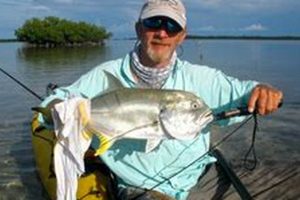
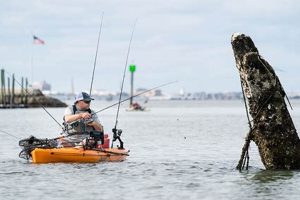
A television program focusing on angling from kayaks in Hawaiian waters typically showcases the unique challenges and rewards of this fishing style. Viewers might see demonstrations of specialized techniques for various species, alongside breathtaking scenery and insights into local marine ecosystems. Such programs may feature experienced anglers, local guides, or a combination, providing instruction and entertainment.
Programs centered on this niche activity offer significant value by promoting sustainable fishing practices, highlighting the importance of ocean conservation, and showcasing the beauty of the Hawaiian Islands. They can also educate viewers about responsible kayaking techniques, safety procedures, and the diverse fish species inhabiting Hawaiian waters. This exposure contributes to the local economy through tourism and promotes a deeper understanding and appreciation of Hawaiis natural resources.
The increasing popularity of this specialized angling method suggests a growing interest in outdoor adventure and sustainable tourism. Further exploration of this subject might encompass the specific challenges and opportunities associated with kayak fishing in Hawaii, profiles of notable figures within this activity, and an examination of its environmental and economic impact.
Tips for Kayak Fishing in Hawaiian Waters
Safe and successful kayak fishing in Hawaii requires careful planning and execution. These tips offer guidance for anglers of all experience levels.
Tip 1: Understand Local Regulations. Research and adhere to all state and local fishing regulations, including licensing requirements, size and bag limits, and any area closures. Regulations vary by species and location.
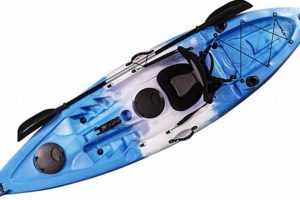
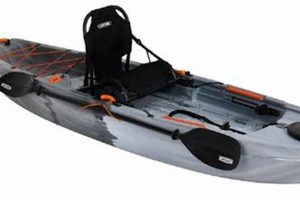
Tip 2: Choose the Right Kayak. Select a kayak designed for stability and suitable for the intended fishing environment. Consider factors like length, width, and weight capacity, opting for a sit-on-top model for easier access and re-entry in the event of a capsize.
Tip 3: Prioritize Safety Equipment. Always wear a personal flotation device (PFD). Carry essential safety gear, including a whistle, signaling mirror, VHF radio, and a first-aid kit. Inform someone of your fishing plans, including your intended location and return time.
Tip 4: Be Weather Aware. Check weather forecasts before heading out and be prepared for changing conditions. Avoid fishing in strong winds, rough seas, or lightning storms. Be mindful of currents and tides.
Tip 5: Respect the Environment. Practice catch-and-release whenever possible. Properly dispose of all trash and fishing line. Avoid disturbing coral reefs or other sensitive marine habitats.
Tip 6: Hire a Guide. Consider hiring a local guide, especially if unfamiliar with the area or kayak fishing techniques. Guides can provide valuable insights into local fishing spots, species behavior, and safety procedures.
Tip 7: Pack Appropriately. Bring plenty of water, sunscreen, and a hat. Pack appropriate clothing for sun protection and potential changes in weather. Consider polarized sunglasses to reduce glare and improve visibility in the water.
By following these guidelines, anglers can maximize their chances of a safe and productive kayak fishing experience while contributing to the preservation of Hawaii’s unique marine environment.
With preparation and awareness, kayak fishing in Hawaii can be an unforgettable experience. Understanding the nuances of this activity ensures both enjoyment and responsible engagement with the environment.
1. Target Audience

A “kayak fishing Hawaii TV show” must carefully define its target audience to achieve successful viewership and engagement. The target audience influences content decisions, program format, and overall tone. A program targeting experienced anglers requires different content than one aimed at novices or a general audience interested in outdoor adventure. For example, a program for experienced anglers might delve into advanced techniques, specific tackle choices for Hawaiian species, and nuanced discussions of local fishing regulations. Conversely, a program targeting a broader audience might focus on the scenic beauty of Hawaii, basic kayak fishing techniques, and the cultural aspects of fishing in the islands. Misalignment between content and target audience can lead to low viewership and diminished impact.
Understanding the target audience allows producers to tailor content to specific interests and needs. A show targeting fishing enthusiasts might feature detailed segments on rigging techniques for pelagic species, while a show targeting a broader audience might emphasize the tranquility of kayak fishing and the connection to nature. This tailoring is crucial for attracting and retaining viewership. Consider a program aiming to attract newcomers to kayak fishing. Such a program might offer instructional segments on basic kayak handling, safety procedures, and simple rigging techniques suitable for beginners. This focus on accessibility expands the potential audience and encourages participation in the sport.
Clearly defining the target audience provides a crucial framework for content creation and marketing strategy. It allows for efficient resource allocation, ensuring that the program resonates with the intended viewers and achieves its objectives, whether those objectives are educational, promotional, or entertainment-focused. Failure to adequately identify and cater to the target audience can lead to a diluted message and a less effective program overall. Recognizing the nuanced needs and interests of distinct viewer segments, such as families interested in recreational fishing or experienced anglers seeking advanced techniques, enables a “kayak fishing Hawaii TV show” to achieve greater relevance and impact.
2. Visual Storytelling

Visual storytelling plays a crucial role in a successful kayak fishing Hawaii TV show. The medium’s power lies in its ability to convey information, evoke emotion, and create an immersive experience for the viewer. Rather than relying solely on narration or dialogue, visual storytelling utilizes compelling imagery, strategic editing, and evocative sound design to transport viewers to the heart of the action. Consider a scene depicting an angler battling a powerful marlin against the backdrop of a vibrant Hawaiian sunset. The visual narrative, showcasing the angler’s struggle, the fish’s acrobatics, and the breathtaking scenery, creates a powerful and engaging experience that transcends spoken words. This approach deepens viewer engagement and fosters a stronger connection with the program’s content.
Effective visual storytelling enhances the educational aspects of the program. Demonstrating proper paddling techniques, knot tying, or fish handling becomes far more impactful when shown visually. Close-up shots of specific lures, underwater footage of fish behavior, and aerial perspectives of the kayak’s movement provide valuable insights that enhance understanding and retention. Imagine a sequence showcasing the preparation of traditional Hawaiian fishing methods. Visuals depicting the gathering of natural materials, the intricate crafting of hooks and lines, and the respectful handling of the catch offer a deeper appreciation for the cultural significance of fishing in Hawaii. This visual approach reinforces the educational value and enriches the viewer’s understanding.
Ultimately, the success of a kayak fishing Hawaii TV show hinges on its ability to transport viewers to the islands, immerse them in the experience, and foster a deeper appreciation for the sport and the environment. Visual storytelling, when executed effectively, achieves this by creating a visceral connection that words alone cannot replicate. This immersive experience distinguishes a well-crafted program from a simple informational piece, fostering lasting impressions and inspiring viewers to explore the world of kayak fishing in Hawaii. It also allows viewers to grasp the challenges and rewards inherent in this unique pursuit, enhancing the program’s overall impact and fostering a sense of adventure and respect for the natural world.
3. Educational Content

Educational content forms a cornerstone of any successful “kayak fishing Hawaii TV show,” enriching the viewing experience while promoting responsible angling practices. Informative segments provide valuable insights into various aspects of kayak fishing, fostering a deeper understanding and appreciation for the sport and its surrounding environment. This educational approach elevates the program beyond mere entertainment, transforming it into a valuable resource for both novice and experienced anglers.
- Marine Ecosystem Awareness
Understanding the delicate balance of Hawaiian marine ecosystems is crucial for responsible kayak fishing. Educational content can highlight the importance of preserving coral reefs, protecting endangered species, and minimizing environmental impact. Examples include showcasing the interconnectedness of marine life, explaining the role of mangroves in coastal protection, and illustrating the detrimental effects of pollution. This knowledge empowers viewers to make informed decisions and contribute to the long-term health of Hawaiian waters.
- Sustainable Fishing Practices
Promoting sustainable fishing practices ensures the longevity of fish populations and the overall health of the ecosystem. Programs can educate viewers on proper catch-and-release techniques, size and bag limits, and the importance of using appropriate gear. Demonstrating techniques for minimizing bycatch and avoiding sensitive habitats reinforces responsible angling practices. This emphasis on conservation fosters a sense of stewardship among viewers, encouraging them to protect Hawaiian fisheries for future generations.
- Kayak Handling and Safety
Safe kayak operation is paramount, especially in the dynamic environment of Hawaiian waters. Educational segments can cover essential safety procedures, including proper paddling techniques, navigation skills, and emergency protocols. Demonstrating the use of safety equipment, such as personal flotation devices and signaling devices, reinforces the importance of preparedness. This focus on safety equips viewers with the knowledge and skills necessary for a safe and enjoyable kayak fishing experience.
- Local Fishing Regulations
Understanding and adhering to local fishing regulations is essential for responsible angling. Programs can provide clear explanations of licensing requirements, size and bag limits for various species, and any area closures. Illustrating the rationale behind these regulations underscores their importance in maintaining healthy fish populations. This emphasis on compliance promotes responsible angling practices and ensures viewers operate within legal and ethical boundaries.
By integrating these educational facets, a “kayak fishing Hawaii TV show” becomes a powerful platform for promoting conservation, responsible angling, and a deeper appreciation for the unique marine environment of Hawaii. This multifaceted approach elevates the program beyond entertainment, positioning it as a valuable resource for viewers seeking to engage with the sport in a sustainable and informed manner. Ultimately, this combination of entertainment and education fosters a more responsible and engaged angling community.
4. Authenticity

Authenticity plays a critical role in the success of a “kayak fishing Hawaii TV show,” directly influencing viewer trust and engagement. A genuine portrayal of the challenges and rewards of kayak fishing in Hawaiian waters resonates more deeply with audiences than a contrived or overly-produced depiction. Viewers seek genuine experiences, relatable struggles, and unscripted moments that reflect the true nature of the sport. Authenticity fosters a stronger connection between the viewer and the program, enhancing credibility and fostering a sense of shared experience.
- Genuine Fishing Experiences
Depicting actual fishing experiences, including the inevitable slow periods, equipment malfunctions, and unpredictable weather conditions, enhances the program’s authenticity. Showing the reality of kayak fishing, rather than solely focusing on successful catches, allows viewers to connect with the genuine challenges and triumphs of the sport. An example might be showcasing an angler’s perseverance through challenging weather conditions, highlighting the resilience required in kayak fishing. This genuine portrayal fosters respect for the angler’s skill and dedication while providing a more relatable experience for the viewer.
- Unscripted Moments
Unscripted moments, such as unexpected encounters with marine life or candid reactions to a challenging catch, add depth and spontaneity to the program. These unplanned occurrences offer glimpses into the unpredictable nature of kayak fishing and create a more engaging viewing experience. For example, capturing an angler’s surprise encounter with a pod of dolphins adds an element of wonder and excitement to the program. These unscripted moments provide a sense of realism that resonates with viewers, reinforcing the authenticity of the experience.
- Local Expertise
Incorporating the knowledge and perspectives of local Hawaiian anglers enhances the program’s cultural authenticity. Showcasing traditional fishing techniques, local knowledge of fish behavior, and respect for Hawaiian customs adds depth and richness to the narrative. An example might involve featuring a local angler sharing traditional fishing practices passed down through generations. This integration of local expertise adds a layer of cultural significance and provides valuable insights for viewers, further enhancing the program’s authenticity.
- Respect for the Environment
Demonstrating a genuine respect for the environment underscores the importance of sustainable fishing practices and reinforces the program’s commitment to conservation. Showcasing responsible angling techniques, such as proper catch-and-release methods and adherence to local regulations, reinforces the program’s ethical stance. An example might be highlighting an angler’s efforts to minimize their environmental impact by collecting discarded fishing line or participating in a reef cleanup. This visible commitment to conservation enhances the program’s credibility and resonates with viewers who value environmental stewardship.
By prioritizing authenticity in these key areas, a “kayak fishing Hawaii TV show” builds trust with its audience, fosters a deeper connection with the sport, and promotes responsible angling practices. This commitment to genuine portrayal elevates the program beyond mere entertainment, establishing it as a credible and engaging resource for viewers seeking an authentic glimpse into the world of kayak fishing in Hawaii. This ultimately creates a more meaningful and impactful viewing experience, fostering a greater appreciation for the sport and its connection to the natural world.
5. Expert Anglers
Expert anglers play a pivotal role in a “kayak fishing Hawaii TV show,” contributing credibility, valuable insights, and captivating demonstrations of skill. Their presence elevates the program beyond basic entertainment, offering viewers a unique opportunity to learn from seasoned professionals and gain a deeper understanding of the nuances of kayak fishing in Hawaiian waters. The selection of expert anglers directly influences the program’s educational value, entertainment factor, and overall appeal to the target audience.
- Technical Prowess and Knowledge
Expert anglers possess a deep understanding of fishing techniques specific to Hawaiian waters, including species-specific strategies, lure selection, and effective rigging methods. They can demonstrate advanced kayak handling skills, crucial for navigating challenging conditions and maximizing fishing success. For example, an expert might showcase the intricacies of using live bait for targeting pelagic fish or demonstrate specialized casting techniques for reaching distant feeding grounds. This expertise provides viewers with practical knowledge and inspiration, enhancing the educational value of the program.
- Storytelling and Engagement
Experienced anglers often possess a wealth of captivating stories from their time on the water. Sharing these narratives adds depth and personality to the program, creating a more engaging viewing experience. Recounting challenging catches, unexpected encounters with marine life, or lessons learned from past experiences adds a human element that resonates with viewers. For instance, an angler might share a story about a memorable encounter with a humpback whale while fishing, adding a touch of awe and wonder to the program. These personal anecdotes enhance viewer engagement and foster a sense of connection with the angler.
- Conservation Advocacy
Expert anglers often serve as strong advocates for conservation, promoting sustainable fishing practices and highlighting the importance of protecting marine ecosystems. Their commitment to responsible angling sets a positive example for viewers and reinforces the program’s message of environmental stewardship. An expert might demonstrate proper catch-and-release techniques, emphasizing the importance of minimizing stress on the fish and ensuring its survival. This advocacy promotes responsible angling practices and encourages viewers to adopt a conservation-minded approach.
- Credibility and Trust
The involvement of expert anglers lends credibility to the program, assuring viewers that the information presented is accurate and reliable. Their demonstrated expertise fosters trust, making the program a valuable resource for anglers of all skill levels. Viewers are more likely to trust advice and insights shared by an angler with a proven track record of success. This credibility enhances the program’s educational value and reinforces its position as a reliable source of information. For instance, an expert’s explanation of local fishing regulations carries more weight than a generic overview, encouraging viewer compliance and responsible angling practices.
By leveraging the expertise of seasoned anglers, a “kayak fishing Hawaii TV show” enhances its educational value, entertainment factor, and overall impact. These experts serve as valuable resources, providing viewers with practical knowledge, inspiring stories, and a deeper appreciation for the sport and its surrounding environment. The careful selection of expert anglers contributes significantly to the program’s success, ensuring its relevance and appeal to a broad audience while promoting responsible angling practices and environmental stewardship. Their contributions create a richer, more informative, and ultimately more rewarding viewing experience.
6. Conservation Message
Integrating a conservation message within a “kayak fishing Hawaii TV show” is crucial for promoting responsible angling and ensuring the long-term health of Hawaiian marine ecosystems. This message should permeate various aspects of the program, from demonstrating sustainable fishing practices to highlighting the fragility of coral reefs and the importance of protecting endangered species. Cause and effect relationships between fishing practices and environmental impact should be clearly illustrated. For example, the program could demonstrate how improper disposal of fishing line can entangle marine animals or how anchoring on coral reefs can cause significant damage. Real-life examples of successful conservation efforts, such as community-led reef restoration projects or the establishment of marine protected areas, can inspire viewers to take action. This understanding fosters a sense of responsibility among anglers, encouraging them to become stewards of the environment.
The practical significance of incorporating a conservation message extends beyond environmental protection. Sustainable fishing practices ensure the long-term health of fish populations, benefiting both the ecosystem and the fishing community. By promoting responsible angling, the program contributes to the economic viability of the fishing industry and the preservation of a valuable cultural tradition. Showcasing the beauty and biodiversity of Hawaiian waters can also stimulate eco-tourism, generating economic benefits for local communities while raising awareness about the importance of conservation. For instance, highlighting the success of sustainable aquaculture practices can encourage viewers to support local businesses that prioritize environmental responsibility. This multifaceted approach reinforces the interconnectedness between conservation, economic prosperity, and cultural preservation.
A strong conservation message enhances the credibility and positive impact of a “kayak fishing Hawaii TV show.” It positions the program as a valuable resource for promoting responsible angling practices and fostering a deeper appreciation for the delicate balance of Hawaiian marine ecosystems. Addressing challenges like invasive species, pollution, and climate change reinforces the urgency of conservation efforts. Linking these challenges to tangible solutions empowers viewers to take action, contributing to the long-term health and sustainability of Hawaii’s unique marine environment. Ultimately, the integration of a compelling conservation message elevates the program beyond mere entertainment, transforming it into a powerful tool for positive change.
Frequently Asked Questions
This FAQ section addresses common inquiries regarding kayak fishing in Hawaiian waters, providing concise and informative responses.
Question 1: What are the essential safety precautions for kayak fishing in Hawaii?
Prioritizing safety is paramount. Always wear a personal flotation device (PFD), carry a whistle, signaling mirror, and VHF radio. Check weather forecasts before embarking and inform someone of fishing plans, including location and estimated return time. Understanding local currents and tides is also essential.
Question 2: Are there specific licensing requirements for kayak fishing in Hawaii?
Licensing requirements vary depending on the species targeted and fishing location. Thorough research of state and local regulations is crucial before fishing. Information can be found on the Hawaii Department of Land and Natural Resources (DLNR) website.
Question 3: What type of kayak is best suited for fishing in Hawaiian waters?
Sit-on-top kayaks are generally recommended for their stability and ease of re-entry in the event of a capsize. Consider factors such as length, width, and weight capacity when selecting a kayak appropriate for the intended fishing environment.
Question 4: What are some common fish species targeted by kayak anglers in Hawaii?
Common targets include pelagic species like mahi-mahi (dorado), ono (wahoo), and tuna, as well as reef fish such as ulua (giant trevally) and papio (young trevally). Specific techniques and gear vary depending on the target species.
Question 5: What environmental considerations should kayak anglers be mindful of in Hawaii?
Minimizing environmental impact is crucial. Practice catch-and-release whenever possible, dispose of all trash and fishing line responsibly, and avoid disturbing coral reefs or other sensitive marine habitats. Adhering to local regulations helps preserve the ecosystem.
Question 6: Are there benefits to hiring a local guide for kayak fishing in Hawaii?
Hiring a local guide, especially for those unfamiliar with the area, can significantly enhance the fishing experience. Guides provide valuable insights into local fishing spots, species behavior, and safety procedures, contributing to a more productive and enjoyable outing.
Careful planning and responsible practices ensure a safe and rewarding kayak fishing experience in Hawaii. Adherence to safety regulations and respect for the environment contribute to the preservation of this unique ecosystem.
For those interested in learning more, exploring online resources and forums dedicated to kayak fishing in Hawaii can provide additional valuable information and insights.
Conclusion
Exploration of the “kayak fishing hawaii tv show” concept reveals the potential for a compelling program showcasing the unique challenges and rewards of this specialized angling method. Key elements such as visual storytelling, educational content, authenticity, expert angler involvement, and a strong conservation message contribute to a program’s potential success. Careful consideration of the target audience ensures content relevance and maximizes viewer engagement. Understanding the nuances of kayak fishing in Hawaiian waters, including safety procedures, local regulations, and environmental considerations, is crucial for responsible program development.
The growing interest in sustainable outdoor activities and the captivating beauty of the Hawaiian Islands position a “kayak fishing hawaii tv show” for significant impact. Such a program offers an opportunity to promote responsible angling practices, educate viewers about the unique marine ecosystem, and inspire a deeper appreciation for the natural world. The potential for positive influence on both viewers and the environment underscores the value and significance of this program concept.