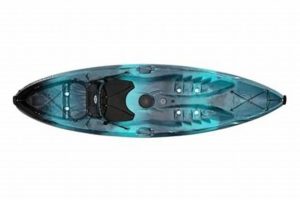
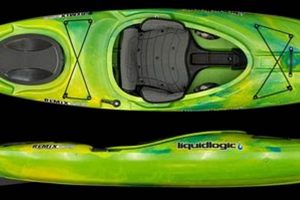
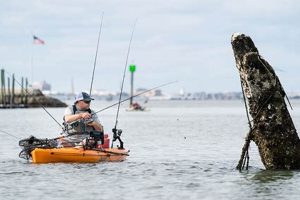
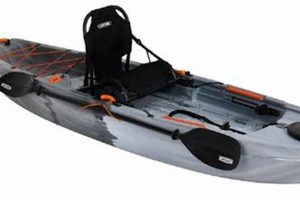
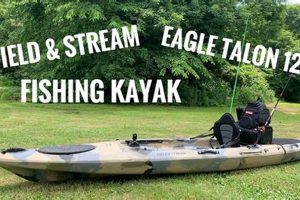
These vessels, specifically designed for angling in various water conditions, blend stability, performance, and specialized features. They typically incorporate rod holders, storage compartments for tackle and gear, and often feature comfortable seating designed for extended fishing trips. Some models may include specialized features like livewells, fish finders, and pedal-powered propulsion systems.
The combination of stability and specialized features makes this type of watercraft a valuable tool for anglers. The enhanced stability allows for easier casting and reeling, while features like rod holders and storage compartments optimize the fishing experience. Historically, fishing from small, human-powered vessels has been a common practice, but the evolution of design and materials has led to significant improvements in performance, comfort, and functionality. These advancements have broadened the accessibility and enjoyment of the sport.
This article will explore various aspects of these specialized watercraft, covering topics such as hull design, propulsion systems, key features, popular models, and maintenance considerations.
Tips for Selecting and Using a Fishing Kayak
Choosing and utilizing a fishing kayak effectively involves careful consideration of various factors to ensure safety, comfort, and a successful angling experience. The following tips offer guidance for both novice and experienced anglers.
Tip 1: Consider Hull Design: Hull design significantly impacts stability and maneuverability. A wider, flatter hull provides greater stability, ideal for calm waters and stand-up fishing. A longer, narrower hull offers better tracking and speed, suitable for covering larger distances or paddling in currents.
Tip 2: Evaluate Propulsion Options: Paddle kayaks offer a traditional experience and excellent exercise, while pedal-powered kayaks allow hands-free fishing and faster travel. Consider personal preferences and fishing conditions when selecting a propulsion method.
Tip 3: Prioritize Essential Features: Rod holders, storage compartments, and comfortable seating are crucial for a productive fishing trip. Evaluate available features and choose a kayak equipped to meet individual needs.
Tip 4: Choose Appropriate Safety Gear: A personal flotation device (PFD) is essential for safety. Additional safety equipment, such as a whistle, signaling device, and first-aid kit, should also be included.
Tip 5: Practice Paddling and Maneuvering: Before venturing into open water, practice paddling and maneuvering in a controlled environment. Familiarize oneself with the kayak’s handling characteristics and stability.
Tip 6: Plan Fishing Trips Carefully: Research fishing locations, check weather conditions, and inform someone of the planned itinerary. Careful planning enhances safety and increases the likelihood of a successful fishing excursion.
Tip 7: Respect Wildlife and the Environment: Practice catch-and-release whenever possible and adhere to local fishing regulations. Minimize environmental impact by properly disposing of waste and avoiding disturbance of wildlife.
By considering these tips, anglers can enhance their fishing experience, ensuring safety, comfort, and responsible enjoyment of the sport.
This information provides a foundation for making informed decisions when selecting and using a fishing kayak. The following sections will delve deeper into specific topics related to these specialized vessels.
1. Stability

Stability represents a critical performance attribute in fishing kayaks, directly influencing angler safety, comfort, and fishing effectiveness. A stable platform allows for comfortable casting, reeling, and landing fish, while minimizing the risk of capsizing. This is particularly important in fishing scenarios that require standing or shifting weight, such as sight fishing or fly fishing.
- Hull Design and Stability
Hull design significantly impacts stability. Wider, flatter hulls generally provide greater initial stability, resisting tipping, which suits calmer waters and stand-up fishing. However, this stability often comes at the expense of maneuverability and speed. The Stealth 14, known for its wide hull, exemplifies this trade-off, prioritizing stability for anglers frequently fishing in calm lakes or ponds.
- Center of Gravity and Stability
A lower center of gravity enhances stability. Kayak design, angler positioning, and gear distribution contribute to the overall center of gravity. Keeping weight low and centered improves stability. Adding weight, such as a loaded tackle box, in the kayak’s lower storage areas contributes to a lower center of gravity and improves stability.
- Water Conditions and Stability
Water conditions directly influence stability. Calm waters generally present fewer stability challenges compared to rough or choppy conditions. Wind, currents, and wakes from passing vessels can compromise stability, necessitating heightened awareness and adjusted angler positioning. Anglers in choppy conditions benefit from kayaks designed for secondary stability, which is the ability to resist capsizing after initial tipping.
- Angler Experience and Stability
Angler experience plays a role in perceived stability. Experienced kayakers often develop a better sense of balance and can compensate for less stable platforms. Beginners generally benefit from more stable kayaks, allowing them to develop confidence and skills. Choosing a kayak with high initial stability helps novice anglers feel more secure.
Understanding the interplay of these factors allows anglers to select kayaks offering stability characteristics appropriate for their skill level, fishing style, and the anticipated water conditions. Selecting a Malibu kayak prioritizing stability enhances on-the-water confidence and contributes to a safe and enjoyable fishing experience.
2. Maneuverability

Maneuverability in fishing kayaks directly impacts the angler’s ability to navigate various water environments and access desired fishing locations. Efficient maneuvering enables exploration of shallow coves, precise positioning in currents, and effective navigation through obstacles such as vegetation or submerged structures. This attribute is crucial for optimizing fishing success and overall on-the-water experience, particularly in dynamic or challenging environments.
- Hull Design and Turning Radius
Hull design significantly influences a kayak’s turning radius and overall maneuverability. Longer, narrower hulls generally track straighter and require more effort to turn, while shorter, wider hulls offer a tighter turning radius but may sacrifice tracking performance. Features like a pronounced keel improve tracking, while a flatter hull enhances maneuverability. The Malibu X-Factor, with its shorter, performance-oriented hull design, provides enhanced maneuverability compared to longer touring-style kayaks.
- Rudder and Skeg Systems
Rudders and skegs play a vital role in enhancing tracking and maneuverability, particularly in windy or current-prone conditions. A rudder, controlled by foot pedals, provides directional control, while a skeg, a fixed or adjustable fin, improves tracking. These features are valuable assets for maintaining course and precise positioning in challenging environments. Some Malibu kayak models offer integrated rudder systems for enhanced control and maneuverability.
- Water Conditions and Maneuvering Challenges
Water conditions significantly impact maneuverability. Strong currents, wind, and waves can challenge even the most maneuverable kayaks. Understanding how these factors influence kayak handling is essential for safe and effective navigation. Anglers should anticipate maneuvering challenges in adverse conditions and adjust paddling techniques accordingly.
- Paddling Technique and Maneuverability
Proper paddling technique significantly influences maneuverability. Efficient strokes, such as sweep strokes and draw strokes, allow for precise turning and positioning. Practicing these techniques enhances control and responsiveness, enabling anglers to navigate effectively in various situations. Even a highly maneuverable kayak like the Malibu X-13 benefits from proficient paddling technique to maximize its potential.
Considering these facets of maneuverability enables anglers to select and effectively utilize a Malibu fishing kayak suited to their specific fishing environment and style. Prioritizing maneuverability enhances navigation efficiency, access to prime fishing spots, and overall on-the-water performance, contributing to a more rewarding and successful angling experience.
3. Storage Capacity

Storage capacity in fishing kayaks directly influences the practicality and success of fishing expeditions. Adequate storage facilitates transport of essential gear, including tackle boxes, rods, safety equipment, and personal items. This capacity affects the duration and range of fishing trips, allowing anglers to carry sufficient supplies for extended excursions. Malibu kayaks are designed with various storage solutions catering to different fishing styles and needs. For instance, the Malibu Stealth 14 offers large front and rear storage hatches suitable for carrying larger items, while the X-Factor incorporates smaller, strategically placed compartments ideal for quick access to frequently used items like lures and tools. The impact of storage capacity extends beyond mere convenience; it contributes directly to preparedness and efficiency on the water.
The relationship between storage capacity and kayak selection depends heavily on the angler’s intended fishing style and environment. Anglers targeting larger game fish may require more storage for specialized equipment, while those focused on shorter trips in calmer waters might prioritize maneuverability over maximum storage volume. Understanding this relationship allows anglers to make informed decisions based on individual needs and preferences. Choosing a kayak with appropriate storage capacity enhances organization, reduces clutter, and optimizes space utilization, contributing to a more efficient and enjoyable fishing experience. For example, an angler planning an overnight trip would benefit significantly from the ample storage provided by the Malibu Stealth 14, while a day-tripper might find the streamlined design and smaller storage compartments of the X-13 more suitable.
Effective utilization of available storage space is paramount for maximizing efficiency and safety. Strategic organization of gear within compartments simplifies access and prevents shifting during transit. Utilizing waterproof bags and containers protects sensitive items from moisture and damage. Proper weight distribution within the kayak maintains balance and stability. Understanding these practical considerations ensures that storage capacity contributes positively to the overall fishing experience. By carefully considering storage needs and implementing efficient organization strategies, anglers can optimize the use of their Malibu fishing kayaks and enhance their time on the water.
4. Propulsion Systems
Propulsion systems represent a defining characteristic of fishing kayaks, significantly influencing performance, angler fatigue, and overall fishing experience. Choosing an appropriate propulsion system depends on individual preferences, fishing style, and the target environment. Malibu kayaks offer a range of propulsion options, catering to diverse angler needs and preferences. Understanding the nuances of each system empowers informed decision-making and optimizes on-the-water efficiency.
- Paddle Propulsion
Traditional paddle propulsion offers a cost-effective, versatile, and readily available option. It provides excellent exercise and allows for silent maneuvering, beneficial for stealthy approaches in shallow waters. Different paddle types and techniques cater to varying paddling styles and conditions. While effective, paddle propulsion requires upper body strength and can limit fishing time in larger bodies of water or strong currents. This system remains a popular choice for anglers prioritizing affordability and a traditional kayaking experience.
- Pedal Propulsion
Pedal-driven systems provide hands-free fishing, allowing anglers to focus on casting and reeling. These systems utilize leg power, often perceived as less fatiguing than paddling, and offer increased speed and range. Pedal kayaks facilitate covering greater distances and navigating currents efficiently. However, pedal drives add complexity and cost to the kayak. Malibu offers pedal-driven models, such as the Malibu X-Caliber, catering to anglers valuing hands-free fishing and enhanced propulsion capabilities.
- Motorized Propulsion
Motorized kayaks offer the greatest speed and range, enabling access to distant fishing grounds with minimal physical exertion. Electric motors provide quiet operation and environmental friendliness. However, motors add weight and require battery management. Regulations regarding motorized kayaks vary by location. While Malibu does not currently offer motorized kayaks within their core lineup, understanding this propulsion option provides context within the broader kayak market.
- Hybrid Propulsion
Hybrid systems combine elements of different propulsion methods, often integrating pedal drives with paddle options. This versatility allows anglers to adapt to changing conditions or personal preferences. For instance, an angler might use the pedal drive for traversing open water and switch to paddle propulsion for navigating shallows or maneuvering around structure. Understanding the benefits and limitations of hybrid systems provides a comprehensive perspective on propulsion options.
Careful evaluation of these propulsion systems, considering factors such as fishing style, physical capabilities, and target environment, allows anglers to select a Malibu kayak optimized for their individual needs. Choosing the appropriate propulsion system enhances fishing efficiency, reduces fatigue, and contributes to a more productive and enjoyable experience on the water.
5. Comfort Features
Comfort features in Malibu fishing kayaks significantly influence angler endurance, focus, and overall enjoyment. Extended fishing trips often involve prolonged periods seated in a relatively confined space, highlighting the importance of ergonomic design and adjustable features. These features directly impact an angler’s ability to maintain focus and effectively react to fishing opportunities, ultimately affecting the success and enjoyment of the outing. For instance, adjustable seating systems in models like the Malibu Stealth 14 allow anglers to customize back support and positioning, minimizing fatigue and maximizing comfort during long hours on the water. Similarly, well-placed footrests provide crucial support and stability, promoting efficient paddling and body positioning for casting and reeling.
The interplay between comfort features and performance extends beyond mere physical well-being. A comfortable angler is a more focused and responsive angler. Reduced discomfort translates to enhanced concentration, quicker reaction times, and improved overall fishing performance. Features like padded seating, adjustable backrests, and strategically placed footrests contribute to a more stable and ergonomic fishing platform, allowing anglers to dedicate more energy to the task at hand. For example, an angler experiencing discomfort due to an improperly adjusted seat is less likely to maintain optimal casting form or react swiftly to a subtle bite. Malibu kayaks address these considerations with adjustable features that cater to individual body types and preferences.
Understanding the practical significance of comfort features requires considering the diverse demands of various fishing environments and styles. Anglers fishing in rough conditions benefit from enhanced stability and support, while those engaging in long-distance paddling prioritize seating comfort and efficient body positioning. Malibu kayaks offer a range of models with varying comfort features, allowing anglers to select a kayak tailored to their specific needs. By prioritizing comfort, anglers invest in enhanced endurance, sustained focus, and ultimately, a more rewarding and successful fishing experience.
Frequently Asked Questions
This section addresses common inquiries regarding Malibu fishing kayaks, providing concise and informative responses to assist potential buyers and current owners.
Question 1: What differentiates Malibu fishing kayaks from recreational kayaks?
Malibu fishing kayaks incorporate specialized features such as rod holders, tackle storage, and often higher weight capacities designed specifically for angling. Recreational kayaks prioritize stability and ease of paddling for general-purpose use.
Question 2: What is the typical weight capacity of a Malibu fishing kayak?
Weight capacities vary depending on the specific model. Generally, Malibu fishing kayaks can accommodate between 300 and 500 pounds, including the angler, gear, and any potential catch.
Question 3: Are Malibu kayaks suitable for use in saltwater environments?
Yes, Malibu kayaks are constructed with marine-grade materials designed to withstand saltwater exposure. Regular rinsing with fresh water after saltwater use is recommended to prolong the lifespan of the kayak.
Question 4: What maintenance is required for a Malibu fishing kayak?
Regular maintenance includes rinsing the kayak after each use, inspecting for damage, and periodically lubricating moving parts such as pedal drives or rudder systems. Proper storage practices, protecting the kayak from prolonged sun exposure and extreme temperatures, are also crucial for longevity.
Question 5: Where can replacement parts for Malibu kayaks be obtained?
Replacement parts can typically be obtained through authorized Malibu dealers or directly from the manufacturer. Consulting the owner’s manual or contacting customer support provides specific guidance on obtaining necessary parts.
Question 6: Are Malibu fishing kayaks suitable for beginners?
Malibu offers a range of kayaks suitable for various skill levels, including beginners. Models with enhanced stability and user-friendly features are recommended for novice kayakers. Consulting with experienced anglers or retail specialists can assist in selecting an appropriate model for beginners.
Addressing these common questions provides a foundational understanding of Malibu fishing kayaks. Further research and consultation with experienced kayakers are encouraged for comprehensive information tailored to individual needs and preferences.
The following section explores specific model comparisons within the Malibu fishing kayak lineup.
Conclusion
This exploration of specialized fishing vessels has highlighted key aspects of their design, features, and performance characteristics. From stability and maneuverability to propulsion systems and comfort features, the intricacies of these watercraft significantly influence angler experience and success. Understanding the interplay of these elements empowers informed decisions regarding kayak selection and utilization. The discussion encompassed practical considerations such as storage capacity, maintenance requirements, and frequently asked questions, providing a comprehensive overview of this specialized equipment.
The evolution of fishing kayak design continues to enhance angler experience and access to diverse fishing environments. Careful consideration of individual needs, fishing styles, and target environments remains paramount when selecting among available options. Continued exploration of advancements in design and technology promises further refinement of these specialized vessels, ultimately enriching the pursuit of angling and connection with the aquatic world.