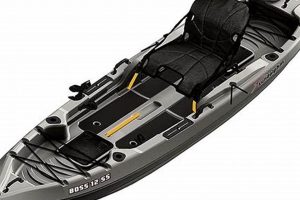
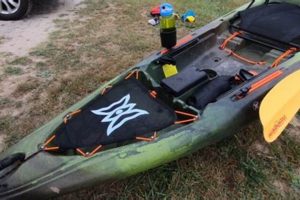
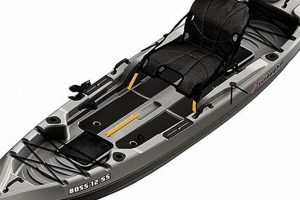
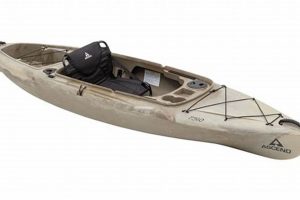
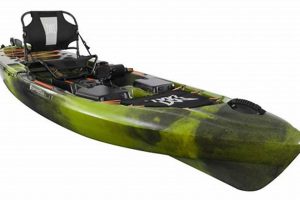
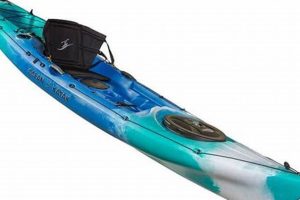
These vessels, characterized by a closed cockpit where the paddler sits within the hull, offer a drier and often more stable paddling experience compared to their open-cockpit counterparts. This design makes them well-suited for colder conditions or rougher waters, providing enhanced protection from the elements and increased security. An example would be a recreational kayak with a molded seat and spray skirt, available for purchase through various retailers.
The enclosed design provides inherent stability and protection, making them ideal for beginners or those venturing into challenging waters. Historically, these kayaks have played a crucial role in various cultures, from hunting and fishing to transportation and exploration. Their enduring popularity stems from their versatility, suitability for diverse water conditions, and relatively easy handling.
This discussion will delve further into specific aspects of these crafts, encompassing various topics such as hull design, material construction, and essential accessories. Furthermore, key considerations for selecting the right vessel based on individual needs and intended use will be explored.
Tips for Selecting a Sit-Inside Kayak
Choosing a suitable kayak requires careful consideration of various factors to ensure optimal performance and enjoyment on the water. The following tips offer guidance through the selection process.
Tip 1: Consider intended use. Different hull designs cater to specific water conditions and activities. Longer, narrower hulls excel in speed and tracking on flatwater, while shorter, wider hulls provide greater stability for recreational use or fishing in calmer environments.
Tip 2: Evaluate material construction. Common materials include polyethylene, fiberglass, and composite materials. Polyethylene kayaks are durable and affordable, while fiberglass and composite options offer lighter weight and enhanced performance but typically come at a higher price point.
Tip 3: Assess cockpit fit. A comfortable and secure cockpit is essential for a positive paddling experience. Consider factors like cockpit size, legroom, and backrest adjustability to ensure proper fit and support.
Tip 4: Factor in storage capacity. If planning extended trips or carrying gear, evaluate storage options such as hatches, bungee cords, and tank wells. Choose a kayak with sufficient storage for intended purposes.
Tip 5: Think about transportation and storage. Kayak length and weight influence transportation and storage requirements. Consider vehicle capacity and available storage space when making a selection.
Tip 6: Establish a budget. Kayak prices vary considerably based on material, features, and brand. Set a realistic budget before beginning the search process.
Tip 7: Try before buying. Whenever possible, demo different models to experience firsthand how they handle on the water. This allows for informed decision-making based on personal paddling style and preferences.
By carefully considering these factors, individuals can select a vessel that aligns with their specific needs, paddling style, and intended use, ensuring an enjoyable and rewarding experience on the water.
This information serves as a starting point in the kayak selection process. Further research and consultation with experienced paddlers or retailers are encouraged to make a well-informed decision.
1. Hull Design

Hull design significantly influences the performance and handling characteristics of sit-inside kayaks, impacting stability, speed, maneuverability, and tracking. Understanding the nuances of various hull designs empowers informed purchase decisions aligned with specific paddling needs and water conditions.
- Displacement Hulls
These hulls, characterized by a longer, narrower profile and a distinct V-shape or rounded bottom, excel in tracking and efficiency, making them well-suited for touring and open-water paddling. Their design minimizes drag, allowing for efficient gliding and covering greater distances with less effort. However, displacement hulls tend to be less stable than other designs, requiring more experience and balance from the paddler. They often perform best in calm or predictable water conditions.
- Planing Hulls
Planing hulls feature a flatter bottom and a wider profile, designed to rise up and plane on the surface of the water at higher speeds. This design prioritizes speed and maneuverability, making them ideal for recreational paddling, surfing, and navigating tighter waterways. While generally more stable than displacement hulls, they may compromise tracking ability and efficiency over long distances.
- Chined Hulls
Chined hulls incorporate hard angles or chines along the sides, creating a multi-faceted bottom. This design blends elements of displacement and planing hulls, offering a balance of stability, speed, and maneuverability. Chines enhance secondary stability, allowing for confident edging and turning while maintaining reasonable tracking performance. These versatile hulls often suit various paddling styles and water conditions.
- Tunnel Hulls
Tunnel hulls feature a recessed tunnel or channel running along the bottom, providing enhanced stability and tracking in shallow water or challenging conditions. This design minimizes contact with the water surface, reducing drag and increasing efficiency. Tunnel hulls are commonly found in fishing kayaks and specialized designs for navigating shallow or obstacle-filled waterways.
Selecting a sit-inside kayak with an appropriate hull design directly impacts paddling performance and enjoyment. Carefully considering intended use, water conditions, and personal paddling style ensures optimal hull selection for a rewarding on-water experience. Further research and consultation with experienced paddlers or retailers can provide valuable insights tailored to individual needs.
2. Material Construction

Material construction significantly influences the performance, durability, and cost of sit-inside kayaks. Understanding the properties of various materials allows informed decisions aligned with individual paddling needs, budget constraints, and desired kayak lifespan.
- Polyethylene
Polyethylene kayaks, renowned for durability and affordability, cater to a wide range of paddling styles and budgets. Rotational molding creates a seamless, impact-resistant hull suitable for recreational use and navigating challenging environments. Heavier than other materials, polyethylene kayaks offer excellent value and longevity, making them a popular choice for beginners and experienced paddlers alike.
- Fiberglass
Fiberglass kayaks, constructed by layering fiberglass cloth and resin, offer a balance of performance and durability. Lighter and more rigid than polyethylene, fiberglass kayaks provide enhanced speed, maneuverability, and responsiveness on the water. They require more careful handling and maintenance but deliver a superior paddling experience for discerning enthusiasts.
- Composite Materials (Kevlar, Carbon Fiber)
Composite kayaks, often incorporating Kevlar or carbon fiber, represent the pinnacle of performance and lightweight construction. Significantly lighter and stiffer than fiberglass or polyethylene, these kayaks excel in speed, efficiency, and responsiveness. Their advanced construction typically comes at a premium price point, catering to experienced paddlers seeking optimal performance.
- Thermoformed Plastic
Thermoformed plastic kayaks offer a combination of durability and lighter weight compared to rotomolded polyethylene. This process involves heating a sheet of plastic and molding it over a mold, resulting in a kayak with a smoother finish and often enhanced performance characteristics. These kayaks occupy a middle ground in terms of price and performance, suitable for paddlers seeking a balance between durability and lighter weight.
Material selection directly impacts kayak performance, durability, and cost. Understanding the characteristics of each material, coupled with considerations for intended use, budget, and desired lifespan, facilitates informed decisions. Choosing the right material ensures a kayak aligns seamlessly with individual paddling needs and long-term satisfaction on the water.
3. Cockpit Comfort

Cockpit comfort plays a crucial role in the overall paddling experience, especially for extended trips. A comfortable and properly fitted cockpit enhances not only enjoyment but also safety and performance. When considering sit-inside kayaks for sale, careful evaluation of cockpit dimensions, features, and adjustability proves essential for ensuring a compatible and supportive fit.
- Cockpit Size and Shape
Cockpit dimensions directly influence paddler comfort and mobility. Keyhole cockpits offer ample room for entry and exit while maintaining a secure fit. Ocean cockpit designs, favored for rougher conditions, prioritize a snug fit to minimize water entry. Consider individual body size and paddling style when evaluating cockpit dimensions.
- Seat Design and Adjustability
Seat design significantly impacts comfort and support during paddling. Adjustable backrests, padded seats, and thigh braces enhance comfort and control, particularly on longer journeys. Evaluate seat adjustability and padding to ensure proper ergonomic support and pressure distribution.
- Footrest Systems
Adjustable footrests provide essential leverage and support for efficient paddling and maneuvering. Proper foot placement enhances stability and power transfer, contributing to a more comfortable and controlled paddling experience. Consider footrest adjustability and positioning to accommodate leg length and paddling style.
- Thigh Braces
Thigh braces, strategically positioned within the cockpit, enhance control and connection with the kayak. Properly fitted thigh braces improve stability, rolling ability, and overall responsiveness, particularly in challenging conditions. Evaluate thigh brace placement and adjustability to ensure optimal fit and control.
Careful consideration of cockpit comfort features, including size, seat design, footrests, and thigh braces, ensures a compatible and supportive fit. Prioritizing cockpit comfort when evaluating sit-inside kayaks for sale contributes significantly to overall paddling enjoyment, performance, and safety on the water. A well-fitted cockpit allows for efficient paddling, reduces fatigue, and enhances the connection between paddler and kayak, ultimately leading to a more rewarding experience.
4. Storage Capacity

Storage capacity significantly influences the practicality and versatility of sit-inside kayaks, particularly for activities requiring gear transport, such as fishing, camping, or extended touring. Adequate storage space allows for safe and convenient stowage of essential equipment, enhancing both safety and enjoyment on the water. Evaluating storage options and capacity proves crucial when considering sit-inside kayaks for sale, ensuring alignment with intended use and anticipated cargo needs.
- Hatches and Compartments
Hatches provide secure, waterproof storage for gear protection within the kayak’s hull. Sizes and locations vary, offering options for storing items of different dimensions and accessibility requirements. Larger hatches accommodate bulky items like camping gear, while smaller hatches provide convenient access to frequently used items. Evaluating hatch size, location, and sealing mechanisms ensures compatibility with intended cargo and environmental conditions.
- Deck Bungees and Rigging
Deck rigging systems, utilizing bungee cords and attachment points, offer readily accessible storage for items requiring quick retrieval, such as spare paddles, water bottles, or safety gear. Securely fastened deck rigging ensures gear remains readily available while minimizing the risk of loss or damage. Evaluating deck rigging placement and capacity ensures efficient organization and accessibility of essential equipment.
- Tank Wells and Bulk Storage
Tank wells, typically located at the stern of the kayak, provide open storage space for larger items, such as dry bags, coolers, or fishing crates. Securing items within the tank well using bungee cords or straps ensures stability and prevents shifting during transport. Evaluating tank well size and securing mechanisms ensures sufficient capacity and secure transport of larger cargo.
- Dry Bags and Waterproof Storage
Utilizing dry bags within hatches and storage compartments provides additional protection against water damage for sensitive items like electronics, clothing, or food. Dry bags offer varying sizes and materials, catering to specific storage needs and environmental conditions. Investing in appropriate dry bags enhances gear protection and overall peace of mind during paddling excursions.
Careful consideration of storage capacity and features, including hatches, deck rigging, tank wells, and dry bag utilization, ensures adequate space and protection for essential gear. Evaluating storage options when considering sit-inside kayaks for sale enhances practicality, versatility, and overall enjoyment on the water, particularly for activities requiring gear transport. A well-equipped kayak, with sufficient and appropriately utilized storage, contributes to a safe, organized, and ultimately more rewarding paddling experience.
5. Price Range
Price range significantly influences purchasing decisions regarding sit-inside kayaks. Kayak prices vary considerably based on several factors, including material construction, features, brand reputation, and intended use. Understanding the correlation between price and these factors allows for informed decisions aligned with budgetary constraints and desired performance characteristics. For example, a recreational sit-inside kayak constructed from rotomolded polyethylene might range from $300 to $800, while a high-performance composite touring kayak could range from $1,500 to $4,000 or more. This price disparity reflects differences in material cost, manufacturing processes, design complexity, and performance characteristics. Recognizing these price variations empowers consumers to make informed choices based on individual needs and budgetary limitations.
Material construction directly impacts kayak price. Generally, rotomolded polyethylene kayaks represent the most affordable option, followed by thermoformed plastic, fiberglass, and composite constructions. Features such as adjustable seats, advanced footrest systems, and integrated rudder systems also contribute to price variations. Brand reputation and perceived quality further influence pricing within specific material and feature categories. Furthermore, specialized kayaks designed for specific activities like fishing or touring often command higher prices due to specialized features and design considerations. Careful consideration of these factors within the context of price range empowers consumers to prioritize features and select kayaks offering optimal value within their budgetary constraints.
Understanding the interplay between price range, material construction, features, and intended use allows for informed decision-making in the kayak selection process. Establishing a realistic budget and researching various kayak options within that price range allows consumers to prioritize desired features, material preferences, and performance expectations. This informed approach ensures the selection of a sit-inside kayak that aligns with both budgetary constraints and individual paddling needs, maximizing value and satisfaction on the water. Further research and consultation with experienced paddlers or retailers can provide valuable insights specific to individual circumstances and preferences within a defined price range.
6. Intended Use
Intended use serves as a crucial determinant when selecting a sit-inside kayak. Matching kayak design and features to specific paddling activities ensures optimal performance, safety, and overall enjoyment on the water. Various paddling disciplines require specific hull designs, cockpit configurations, and storage capacities. Careful consideration of intended use streamlines the selection process, focusing the search on kayaks tailored to individual needs and paddling styles.
- Recreational Paddling
Recreational paddling, often encompassing calm lakes, slow-moving rivers, and protected coastal waters, prioritizes stability, comfort, and ease of use. Sit-inside kayaks designed for recreational use typically feature wider, more stable hulls, comfortable seating, and ample storage for day trips. These kayaks emphasize user-friendliness and versatility, catering to a wide range of paddling experiences.
- Touring and Sea Kayaking
Touring and sea kayaking, involving longer journeys and potentially challenging open-water conditions, necessitate kayaks designed for speed, efficiency, and tracking performance. Longer, narrower hulls with ample storage capacity characterize touring kayaks. Features such as rudders or skegs enhance directional control in open water or windy conditions. These kayaks prioritize efficient long-distance paddling and often incorporate features for enhanced comfort and safety during extended trips.
- Fishing
Fishing from a sit-inside kayak requires specialized features catering to angler needs. Stability, ample storage for tackle and equipment, and dedicated fishing-specific features, such as rod holders and anchor trolleys, characterize fishing kayaks. These kayaks prioritize stability for casting and reeling, providing a dedicated platform for angling activities.
- Whitewater Paddling
Whitewater paddling demands kayaks designed for maneuverability, durability, and responsiveness in dynamic river environments. Shorter, more rockered hulls with reinforced construction and specialized outfitting characterize whitewater kayaks. These kayaks prioritize handling and durability in demanding river conditions, enabling precise navigation through rapids and challenging currents.
Aligning intended use with kayak selection ensures optimal performance, safety, and enjoyment on the water. Considering the specific demands of recreational paddling, touring, fishing, or whitewater activities allows for informed decisions regarding hull design, features, and overall kayak construction. This targeted approach maximizes paddling efficiency, comfort, and safety, ensuring a rewarding experience tailored to individual paddling aspirations and chosen environments. Selecting a sit-inside kayak tailored to intended use ensures the vessel performs as expected and enhances the overall paddling experience.
Frequently Asked Questions
This section addresses common inquiries regarding sit-inside kayaks, providing concise and informative responses to facilitate informed decision-making.
Question 1: What are the primary advantages of a sit-inside kayak?
Key advantages include enhanced protection from the elements and increased stability due to the lower center of gravity. These characteristics make them suitable for colder conditions, rougher waters, and longer journeys. The enclosed cockpit offers a drier paddling experience compared to sit-on-top kayaks.
Question 2: How does one choose the correct size sit-inside kayak?
Proper sizing depends on paddler weight and height. Manufacturers typically provide weight capacity guidelines. Cockpit dimensions also factor into comfort and fit. Testing various sizes before purchase is recommended to ensure optimal comfort and performance.
Question 3: What are the key differences between sit-inside and sit-on-top kayaks?
Sit-inside kayaks offer a drier and more protected paddling experience, while sit-on-top kayaks provide greater freedom of movement and ease of entry and exit. Sit-on-tops are generally considered more stable initially, while sit-insides offer greater secondary stability. The choice depends on individual preferences, intended use, and water conditions.
Question 4: What essential safety gear is recommended for sit-inside kayaking?
Essential safety gear includes a personal flotation device (PFD), a whistle, a bilge pump, a paddle float, and appropriate paddling attire. Navigation lights and communication devices are recommended for open-water paddling. Safety gear should adhere to relevant regulations and be readily accessible during paddling excursions.
Question 5: How does one maintain a sit-inside kayak?
Regular maintenance includes rinsing the kayak with fresh water after each use, particularly after exposure to saltwater. Storing the kayak in a shaded area or utilizing a UV-resistant cover protects against sun damage. Regular inspection and maintenance of hatches, seals, and moving parts ensures proper function and extends kayak lifespan.
Question 6: Where can one purchase a sit-inside kayak?
Sit-inside kayaks are available for purchase through various retail channels, including specialty paddling shops, sporting goods stores, and online retailers. Purchasing from a reputable retailer ensures access to product expertise, warranty support, and potentially demo opportunities. Researching various retailers and comparing prices and services facilitates informed purchasing decisions.
Understanding the nuances of sit-inside kayaks, from their advantages and proper sizing to maintenance requirements and purchasing options, empowers informed decision-making. These insights contribute to selecting a kayak that aligns seamlessly with individual needs and paddling aspirations.
This concludes the frequently asked questions section. The following section will explore advanced techniques for paddling a sit-inside kayak.
Sit Inside Kayaks for Sale
Careful consideration of hull design, material construction, cockpit comfort, storage capacity, price range, and intended use are crucial factors when evaluating these vessels. Understanding the interplay of these elements empowers informed purchase decisions, aligning paddler needs with kayak characteristics for optimal performance and enjoyment. From recreational paddling on serene lakes to tackling challenging whitewater rapids, selecting the right kayak enhances safety, efficiency, and overall experience on the water.
The diversity within the market offers opportunities for every paddling aspiration and budget. Investing time in research and seeking expert guidance allows for informed choices, fostering lasting enjoyment and exploration of diverse aquatic environments. Ultimately, selecting a well-suited kayak unlocks new possibilities for connection with nature and elevates the paddling experience to new heights.