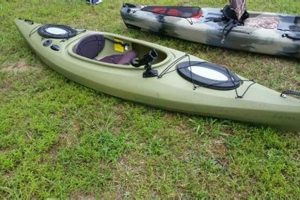
A destination offering accommodations and guided excursions centered around angling and paddling sports in a tropical marine environment provides a unique blend of relaxation and adventure. Such establishments often cater to diverse skill levels, from novice anglers to experienced kayakers, by offering tailored experiences, equipment rentals, and expert instruction. For example, visitors might engage in deep-sea fishing charters targeting billfish or explore tranquil mangrove ecosystems by kayak.
These multifaceted destinations hold significant appeal for eco-tourism and contribute to local economies by supporting related industries like boat building, hospitality, and conservation efforts. Historically, such locations often evolved from small fishing villages, adapting to the growing demand for experiential travel and sustainable tourism. Their presence can encourage responsible resource management and preserve the natural beauty that attracts visitors in the first place.
Understanding the role these specialized resorts play in both the tourism sector and the broader ecological context is crucial. Further exploration of topics such as sustainable fishing practices, the impact of tourism on local communities, and the importance of preserving coastal ecosystems will provide a more comprehensive view.
Tips for an Enjoyable Coastal Adventure
Careful planning enhances any outdoor experience. The following recommendations will assist in maximizing enjoyment and ensuring a safe, rewarding visit to a coastal destination focused on fishing and kayaking.
Tip 1: Research Target Species and Fishing Regulations: Understanding local fish populations and legal requirements, including licensing and catch limits, ensures a responsible and successful fishing trip.
Tip 2: Pack Appropriate Clothing and Gear: Lightweight, quick-drying clothing, sun protection (hats, sunglasses, sunscreen), and insect repellent are essential for comfort and safety in a tropical climate.
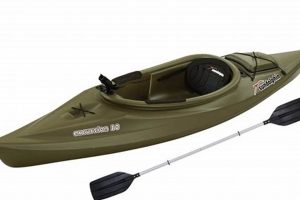
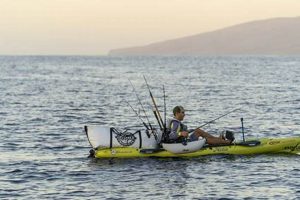
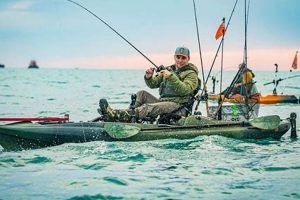
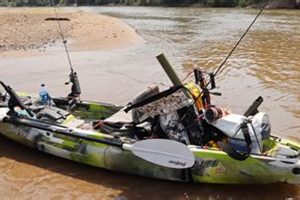
Tip 3: Consider Kayak Selection Carefully: Choose a kayak suited to the intended activity and experience level. Sit-on-top kayaks are generally preferred for fishing, while touring kayaks are better suited for longer expeditions.
Tip 4: Prioritize Safety: Always wear a personal flotation device (PFD) while kayaking and be aware of weather conditions and potential hazards, such as strong currents or changing tides.
Tip 5: Respect the Environment: Practice catch-and-release fishing whenever possible and avoid disturbing wildlife or sensitive ecosystems. Pack out all trash and leave no trace of your presence.
Tip 6: Engage Local Guides: Local guides possess invaluable knowledge about the area, including prime fishing spots, navigational tips, and local wildlife. Their expertise can significantly enhance the overall experience.
Tip 7: Hydrate Regularly: Maintaining proper hydration is crucial, especially in warm climates. Carry plenty of water and consume it throughout the day, even if not feeling thirsty.
By following these guidelines, visitors can ensure a safe, enjoyable, and environmentally responsible experience, maximizing their appreciation of the natural beauty and recreational opportunities offered by coastal destinations.
Careful preparation and mindful engagement with the environment contribute to a memorable experience and promote sustainable tourism practices. A deeper understanding of responsible travel and its impact further enhances the value of such adventures.
1. Accommodation

Suitable lodging forms the foundation of a comfortable and enjoyable experience at a fishing and kayak lodge. The quality and type of accommodation significantly influence the overall experience, impacting everything from pre-fishing preparation to post-adventure relaxation. Understanding accommodation options is crucial for selecting the right fit for individual needs and preferences.
- Room Types:
Lodges may offer diverse room types ranging from basic single or double rooms to luxurious suites or private cabins. A solo traveler might prefer a simple, cost-effective single room, while a family might opt for a spacious cabin with multiple beds and a kitchenette. Room selection often reflects budgetary considerations and desired levels of privacy and comfort. The availability of various room types caters to diverse travel groups and budgets.
- Amenities:
Amenities such as air conditioning, Wi-Fi, private bathrooms, and on-site restaurants significantly impact comfort and convenience. Access to reliable Wi-Fi allows guests to stay connected, while on-site dining simplifies meal planning. These amenities contribute to a seamless and relaxing experience, allowing guests to focus on their fishing and kayaking activities. The presence and quality of amenities influence guest satisfaction and the overall perceived value of the lodge.
- Location and Accessibility:
The lodge’s proximity to the fishing grounds and kayaking launch points influences logistical ease and the overall efficiency of the trip. A waterfront location might offer direct access to kayaks and fishing boats, while a more inland location may require transportation to launch sites. Accessibility considerations, including factors like proximity to airports and transportation options, are essential for planning travel logistics. The locations convenience directly impacts the time spent enjoying core activities versus travel time.
- Ambiance and Atmosphere:
The lodge’s overall ambiance, whether rustic and charming or modern and luxurious, contributes to the overall experience. A cozy, family-friendly atmosphere might appeal to groups seeking relaxation and social interaction, while a more secluded and tranquil setting might suit individuals seeking solitude. The ambiance should align with the traveler’s preferences and desired experience, influencing their sense of relaxation and enjoyment. This often plays a key role in shaping the overall impression and memories of the stay.
Careful consideration of these accommodation features ensures a comfortable and enjoyable stay, allowing guests to fully appreciate the fishing and kayaking opportunities provided by the lodge. Selecting appropriate accommodation enhances the overall experience and contributes significantly to the success and enjoyment of a fishing and kayaking adventure.
2. Guided Excursions
Guided excursions represent a cornerstone of the fishing and kayak lodge experience, directly influencing visitor satisfaction and overall success. These structured outings provide access to local expertise, enhance safety, and contribute significantly to a deeper understanding and appreciation of the surrounding environment. The availability of guided excursions differentiates a basic lodging facility from a comprehensive adventure destination. For example, a guided fishing charter increases the likelihood of successful catches by leveraging local knowledge of fish behavior and optimal fishing locations. Similarly, a guided kayak tour through mangrove forests offers insights into the delicate ecosystem that would be missed exploring independently.
The symbiotic relationship between guided excursions and the overall lodge experience warrants closer examination. Excursions often cater to diverse skill levels, accommodating novice anglers and experienced kayakers alike. This inclusivity broadens the appeal of the lodge, attracting a wider range of visitors. Furthermore, guided excursions contribute to sustainable tourism practices by promoting responsible interactions with the environment and local communities. For instance, guides can educate visitors about catch-and-release fishing practices, minimizing environmental impact. They can also highlight the importance of respecting local wildlife and preserving sensitive ecosystems. The economic benefits of guided excursions also extend to local communities, supporting guides, boat operators, and related businesses.
Understanding the integral role of guided excursions in the fishing and kayak lodge model underscores their practical significance. Effective excursions enhance visitor enjoyment, promote sustainable tourism, and contribute to local economies. Addressing challenges such as guide training and certification ensures the quality and consistency of these offerings. Furthermore, promoting ethical and environmentally responsible guiding practices strengthens the positive impact of these excursions on the surrounding natural environment. This comprehensive approach maximizes the benefits for both visitors and the local community, solidifying the lodge’s position as a responsible and enriching destination.
3. Equipment Rentals
Equipment rentals form an integral component of the Bahia Rica fishing and kayak lodge model, directly impacting accessibility and convenience for visitors. Providing on-site access to necessary gear eliminates the logistical challenges and expense of transporting personal equipment, particularly bulky items like kayaks and fishing rods. This convenience broadens the lodge’s appeal, attracting visitors who may not own specialized equipment or prefer to travel light. For example, offering a range of kayak sizes and styles caters to diverse skill levels and preferences, from novice paddlers to experienced anglers seeking specialized fishing kayaks. Similarly, providing a selection of fishing rods and reels, from beginner-friendly setups to high-end gear for experienced anglers, ensures a tailored experience for every visitor.
The availability of well-maintained rental equipment directly influences visitor satisfaction and the overall success of their fishing and kayaking endeavors. High-quality kayaks in good condition ensure a safe and enjoyable paddling experience, while reliable fishing gear increases the likelihood of successful catches. Furthermore, offering a range of equipment options allows visitors to experiment with different techniques and potentially discover new interests. For instance, a novice angler might try fly fishing for the first time with rental equipment, while an experienced kayaker might explore stand-up paddleboarding. The convenience and flexibility afforded by comprehensive rental services enhance the overall value proposition of the lodge, positioning it as a one-stop destination for fishing and kayaking adventures.
Effective equipment rental operations require careful management and maintenance to ensure equipment availability, reliability, and safety. Regular inspections and timely repairs are essential for minimizing disruptions and maximizing visitor satisfaction. Furthermore, providing expert advice on equipment selection and usage enhances the overall experience and promotes responsible use. Addressing challenges like equipment loss or damage through clear rental policies and procedures protects both the lodge and its visitors. A well-managed rental program contributes significantly to the lodge’s operational efficiency and enhances its reputation as a provider of high-quality, convenient, and accessible fishing and kayaking experiences.
4. Coastal Ecosystems

Coastal ecosystems form the foundational element of a Bahia Rica fishing and kayak lodge experience. The health and diversity of these ecosystems directly impact the quality of fishing and kayaking opportunities, influencing the abundance of fish populations, the clarity of waters, and the overall scenic beauty. Understanding the interconnectedness between the lodge and the surrounding coastal environment is crucial for promoting sustainable tourism practices and ensuring the long-term viability of these destinations. Preservation of these ecosystems is essential not only for the enjoyment of visitors but also for the livelihoods of local communities that depend on the health of these natural resources.
- Mangrove Forests:
Mangrove forests serve as vital nurseries for many fish species, providing shelter and food sources for juvenile fish. These complex ecosystems also act as natural buffers against storms and erosion, protecting coastal communities and infrastructure. Kayaking through mangrove tunnels offers visitors a unique opportunity to observe diverse wildlife and appreciate the ecological significance of these habitats. Damage to mangrove forests through pollution or unsustainable development can negatively impact fish populations and increase coastal vulnerability.
- Seagrass Beds:
Seagrass beds provide essential habitat for numerous marine species, including sea turtles, manatees, and various fish. These underwater meadows also improve water quality by filtering pollutants and stabilizing sediments. Snorkeling or diving in seagrass beds offers a glimpse into a vibrant underwater world. Degradation of seagrass beds due to boat propeller scarring or pollution can disrupt marine food webs and negatively impact water quality.
- Coral Reefs:
Coral reefs support an incredible diversity of marine life, attracting snorkelers and divers eager to explore their vibrant colors and intricate structures. These ecosystems also protect coastlines from erosion and provide important fishing grounds. Damage to coral reefs through bleaching events or destructive fishing practices can have cascading effects on the entire marine ecosystem.
- Estuaries:
Estuaries are transitional zones where freshwater rivers meet the saltwater ocean, creating a unique environment that supports a variety of species. These areas are important breeding grounds for many fish and shellfish, and they also provide crucial habitat for migratory birds. Kayaking or fishing in estuaries offers opportunities to observe diverse wildlife and appreciate the ecological complexity of these dynamic environments. Pollution from runoff or industrial discharge can negatively impact water quality and disrupt the delicate balance of estuarine ecosystems.
The health and resilience of these interconnected coastal ecosystems are fundamental to the long-term success and sustainability of a Bahia Rica fishing and kayak lodge. Promoting responsible fishing and kayaking practices, minimizing pollution, and supporting conservation efforts are essential for preserving these valuable natural resources for future generations. Understanding these complex interrelationships ensures that visitors can appreciate the natural beauty and ecological significance of the region while contributing to its long-term preservation.
5. Sustainable Tourism
Sustainable tourism practices are integral to the long-term viability of a Bahia Rica fishing and kayak lodge operation. The delicate balance of coastal ecosystems, which directly supports the lodge’s core activities, requires responsible management to ensure its preservation for future generations. Sustainable tourism recognizes the interconnectedness between environmental health, economic prosperity, and social equity. A lodge committed to sustainability actively minimizes its environmental footprint, supports local communities, and educates visitors about responsible environmental stewardship. For example, implementing a catch-and-release fishing policy helps maintain healthy fish populations, while sourcing food and supplies locally supports the regional economy and reduces transportation emissions. Offering educational programs about local ecosystems increases visitor awareness and fosters a sense of responsibility towards environmental protection.
The practical implications of sustainable tourism extend beyond environmental preservation. By actively engaging in sustainable practices, a Bahia Rica fishing and kayak lodge enhances its reputation, attracts environmentally conscious travelers, and contributes to the overall well-being of the local community. Implementing renewable energy sources, such as solar panels, reduces reliance on fossil fuels and lowers operating costs. Partnering with local conservation organizations strengthens community ties and supports vital conservation initiatives. Promoting responsible waste management practices minimizes pollution and protects the natural beauty that attracts visitors. These collective efforts demonstrate a commitment to sustainability, creating a positive feedback loop that benefits both the lodge and the surrounding environment.
Integrating sustainable tourism principles into the core operational framework of a Bahia Rica fishing and kayak lodge safeguards its long-term success. Addressing potential challenges, such as balancing economic viability with environmental protection and educating visitors about responsible behavior, requires ongoing commitment and adaptation. However, the long-term benefits of sustainable tourism, including enhanced environmental protection, increased economic opportunities for local communities, and a stronger brand reputation, significantly outweigh the challenges. A holistic approach to sustainability ensures the preservation of the natural resources that underpin the lodge’s existence, creating a legacy of responsible tourism that benefits both present and future generations.
Frequently Asked Questions
Addressing common inquiries regarding fishing and kayak lodge experiences provides clarity for potential visitors. The following questions and answers offer practical insights and address potential concerns.
Question 1: What type of fishing is typically offered at these lodges?
Lodges often provide access to various fishing styles, including inshore, offshore, and fly fishing, catering to diverse preferences and skill levels. Specific offerings vary based on location and target species.
Question 2: What experience level is required for kayaking excursions?
Kayak excursions cater to a range of experience levels, from beginners to seasoned paddlers. Guided tours are available for novices, while experienced kayakers can explore independently. Prior experience is not always mandatory.
Question 3: What safety measures are in place for water activities?
Lodges prioritize safety by providing appropriate safety equipment, such as personal flotation devices (PFDs), and adhering to established safety protocols. Guided excursions are led by experienced professionals trained in water safety procedures.
Question 4: What is the typical cost range for a stay at a fishing and kayak lodge?
Costs vary depending on factors like accommodation type, duration of stay, and included activities. Researching specific lodge offerings and comparing packages is recommended for accurate budgeting.
Question 5: What is the best time of year to visit a fishing and kayak lodge?
Optimal visiting times depend on factors such as target fish species, weather patterns, and desired water conditions. Researching specific locations and considering seasonal variations helps determine the most suitable time for a visit.
Question 6: What conservation efforts are typically supported by these lodges?
Many lodges actively support conservation initiatives, such as catch-and-release fishing programs, habitat restoration projects, and partnerships with local environmental organizations. Inquiries about specific conservation efforts are encouraged.
Understanding these key aspects of fishing and kayak lodge experiences allows for informed decision-making and contributes to a more rewarding and enjoyable adventure. Thorough planning and research are crucial for maximizing the value of such an experience.
Further exploration of specific lodge offerings, including accommodation options, available activities, and sustainability practices, will enhance preparation and ensure a memorable visit.
Conclusion
Exploration of the multifaceted nature of a specialized fishing and kayak lodge experience reveals the intricate interplay between accommodation, guided excursions, equipment accessibility, and the surrounding coastal ecosystems. Sustainable tourism practices emerge as a crucial element, ensuring the long-term viability of these operations and the preservation of the natural resources upon which they depend. Careful consideration of these interconnected factors allows potential visitors to make informed decisions and maximize the value of their experience.
The preservation of coastal ecosystems and the promotion of responsible tourism practices are essential for the continued enjoyment of these unique destinations. Supporting establishments committed to sustainability ensures the long-term health of these environments and the economic well-being of the communities that depend on them. A conscious choice to engage with nature responsibly safeguards these invaluable resources for future generations.