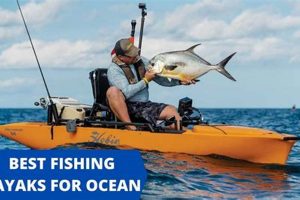
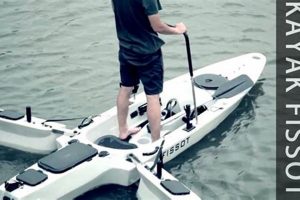
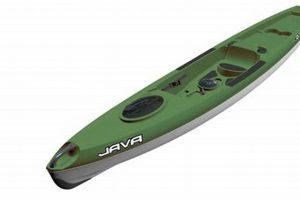
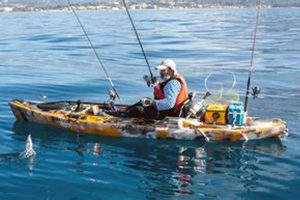
This specific model is a sit-inside style vessel designed for angling. Characterized by a closed cockpit, it offers a measure of protection from the elements and typically provides ample storage for fishing gear. Such watercraft are generally constructed from durable, lightweight materials like polyethylene, facilitating easy transport and maneuverability on the water.
The enclosed design offers increased stability and tracking, making it suitable for various water conditions, from calm lakes to slow-moving rivers. The integrated features frequently include rod holders, tackle storage compartments, and even anchor trolleys, enhancing the angler’s experience. The combination of stability, specialized features, and comfortable seating contributes to longer, more productive fishing trips. This type of watercraft reflects a growing trend towards specialized recreational equipment catering to specific outdoor pursuits.
The following sections will delve into specific aspects of this type of fishing vessel, exploring its design, features, performance characteristics, and suitability for different fishing environments. Further analysis will consider its advantages and disadvantages compared to other fishing platforms, providing prospective users with a comprehensive understanding before making a purchase decision.
Tips for Utilizing a Sit-Inside Fishing Kayak
Proper preparation and technique enhance safety and enjoyment on the water. The following tips offer guidance for maximizing the fishing experience.
Tip 1: Pre-Trip Planning: Before launching, check weather forecasts, water conditions, and local regulations. Inform someone of the intended location and estimated return time.
Tip 2: Proper Gear Storage: Distribute weight evenly within the vessel for optimal stability. Secure gear using bungee cords or dry bags to prevent loss or damage.
Tip 3: Paddle Technique: Utilize efficient paddle strokes to conserve energy and maintain directional control. Practice different strokes for maneuvering in various conditions.
Tip 4: Anchor Positioning: Learn proper anchor deployment techniques for different water conditions. Consider using an anchor trolley system for controlled drift fishing.
Tip 5: Safety Equipment: Always wear a personal flotation device (PFD). Carry a whistle, signaling device, and basic first-aid kit. A bilge pump can be essential in rough conditions.
Tip 6: Fishing Etiquette: Respect other anglers and wildlife. Practice catch-and-release whenever possible. Adhere to Leave No Trace principles.
Tip 7: Regular Maintenance: Rinse the vessel with fresh water after each use, especially after exposure to saltwater. Inspect and maintain all hardware, including hatches and seals, to ensure proper function.
Adhering to these guidelines promotes a safe and successful fishing experience. Careful planning, proper technique, and respect for the environment contribute to enjoyable outings on the water.
By implementing these strategies, individuals can fully appreciate the advantages of this specialized watercraft for angling.
1. Stability

Stability is a critical performance characteristic in any kayak, especially crucial for fishing kayaks like the Pungo 120 where anglers need a secure and balanced platform for casting, reeling, and landing fish. This characteristic directly impacts safety and fishing effectiveness.
- Hull Design:
The Pungo 120’s hull design contributes significantly to its stability. Wider, flatter hulls generally provide greater primary stability (initial resistance to tipping). The specific shape and dimensions of the Pungo 120’s hull are engineered to balance stability with maneuverability, a key consideration for navigating various water conditions. This balanced approach allows for confident maneuvering while providing a stable platform for fishing activities.
- Center of Gravity:
A lower center of gravity enhances stability. The sit-inside design of the Pungo 120 naturally places the paddler closer to the waterline, contributing to a lower center of gravity. Proper weight distribution within the kayak further enhances stability. Careful loading of gear and maintaining a balanced posture while paddling and fishing are crucial for maximizing stability on the water.
- Water Conditions:
While the Pungo 120 offers inherent stability, external factors like wind and waves can impact performance. Understanding the limitations of the kayak’s stability in different water conditions is essential for safe operation. Exercising caution in rougher waters and adjusting paddling technique accordingly contributes to maintaining balance and preventing capsizing. Calm, flat water conditions are generally ideal for maximizing the inherent stability of this type of kayak.
- Secondary Stability:
Secondary stability refers to the kayak’s resistance to tipping once it’s leaned past its initial stability point. This is important for maneuvers like turning and edging. The Pungo 120’s hull design provides a predictable and manageable secondary stability profile, allowing for controlled leaning and recovery, which instills confidence when navigating various on-water situations.
The Pungo 120’s blend of primary and secondary stability, influenced by its hull design and thoughtful features, creates a platform conducive to fishing. This stability enhances angler comfort and confidence, allowing for focused fishing in a variety of conditions, making it a popular choice amongst anglers.
2. Comfort

Comfort plays a vital role in the overall fishing experience, especially during extended outings. The Pungo 120 fishing kayak addresses comfort through several key design elements, impacting angler performance and enjoyment.
Seat Design: The Pungo 120 typically features an adjustable, ergonomic seat designed for prolonged use. Features like adjustable backrests, padded seating surfaces, and breathable fabric contribute to comfort and support. Proper posture maintenance reduces fatigue and potential back strain, allowing for longer fishing sessions. An uncomfortable seat can lead to premature fatigue and detract from the overall experience.
Legroom and Cockpit Dimensions: Adequate legroom and cockpit dimensions are essential for comfort and mobility. The Pungo 120’s cockpit design provides sufficient space for anglers of varying sizes to sit comfortably and adjust their position as needed. Restricted legroom can cause discomfort and cramping, hindering paddling efficiency and fishing enjoyment. Ample space allows for easier entry and exit from the kayak.
Adjustability: Adjustability features, such as foot braces and adjustable backrests, allow paddlers to customize the kayak’s fit, promoting proper posture and reducing strain. The ability to fine-tune these elements contributes to a more personalized and comfortable paddling experience. A properly adjusted kayak enhances paddling efficiency and reduces the likelihood of discomfort or injury.
Stability and Comfort: A stable kayak platform contributes to overall comfort. The Pungo 120’s inherent stability reduces the need for constant adjustments and bracing, allowing anglers to relax and focus on fishing. A stable platform also reduces anxiety and enhances the sense of security on the water. Feeling secure allows for more focused fishing and enjoyment of the surroundings.
Comfort directly influences angler performance. A comfortable angler is more likely to remain focused, patient, and efficient, leading to a more enjoyable and potentially more successful fishing experience. Investing time in adjusting the kayak for optimal comfort is essential before embarking on any fishing trip. Prioritizing comfort enhances enjoyment and promotes long-term participation in the sport.
3. Storage Capacity

Ample storage is a defining feature of fishing kayaks, directly impacting their practicality and the angler’s ability to carry necessary gear. The Pungo 120 fishing kayak offers various storage solutions designed to accommodate the specific needs of anglers.
- Rear Tank Well:
A large, open storage area located at the stern of the kayak. This space accommodates larger items such as tackle boxes, crates, and even small coolers. Bungee cords typically secure gear in the tank well, preventing shifting or loss during transport. The tank well’s generous size allows anglers to carry a substantial amount of equipment.
- Front Hatch:
A sealed hatch located near the bow provides dry storage for sensitive items like electronics, phones, and wallets. This protected compartment safeguards valuables from water damage, offering peace of mind during on-water excursions. The hatch’s waterproof seal ensures the contents remain dry even in challenging conditions.
- Side Storage Compartments:
Smaller compartments located along the sides of the kayak offer quick access to frequently used items like pliers, lures, and line cutters. These strategically placed compartments keep essential tools within easy reach, minimizing disruption during fishing. Their convenient location enhances efficiency and workflow while on the water.
- Rod Holders:
Integrated rod holders, typically flush-mounted or adjustable, provide secure storage for fishing rods while paddling or trolling. These dedicated holders free up the angler’s hands and prevent rod entanglement, contributing to a more streamlined and organized fishing experience. Multiple rod holders allow anglers to switch between different rods quickly and easily.
The strategic placement and variety of storage options in the Pungo 120 contribute significantly to its practicality as a fishing platform. Anglers can organize and access their gear efficiently, enhancing their overall fishing experience. The combination of open storage for bulky items, dry storage for valuables, and quick-access compartments for essential tools ensures anglers are well-equipped for any fishing scenario.
4. Maneuverability
Maneuverability is a critical performance attribute influencing a kayak’s effectiveness in various on-water environments. Its significance is amplified in fishing scenarios, where navigating tight spots, changing directions swiftly, and maintaining precise boat control are essential for success. The Pungo 120 fishing kayak addresses maneuverability through a combination of design features and performance characteristics.
Hull design plays a pivotal role in determining a kayak’s maneuverability. The Pungo 120’s moderate length and defined hull shape contribute to its responsiveness. A shorter length generally translates to a tighter turning radius, facilitating navigation in confined areas such as narrow creeks or shallow waters. The hull’s shape influences how the kayak tracks and responds to paddle input, affecting its ability to change direction efficiently. A well-designed hull balances tracking performance with maneuverability, allowing the kayak to maintain a straight course when desired while remaining responsive to turning inputs. For example, navigating through a densely vegetated area or around submerged obstacles requires precise maneuvering capabilities. The Pungo 120’s design facilitates such navigation, enabling anglers to reach prime fishing locations often inaccessible to less maneuverable watercraft. Furthermore, the ability to execute quick turns can be crucial when pursuing fish or reacting to changing water conditions.
The Pungo 120’s maneuverability extends beyond its static design attributes. Its relatively lightweight construction enhances responsiveness on the water. A lighter kayak requires less effort to accelerate and decelerate, contributing to agile handling. This characteristic is particularly advantageous in dynamic fishing situations requiring quick adjustments in position or direction. Consider a scenario where an angler needs to reposition quickly to follow a moving school of fish. The Pungo 120’s lightweight nature and responsive handling facilitate swift adjustments, maximizing the angler’s chances of success. While stability remains crucial, maneuverability complements this attribute, allowing anglers to maintain a stable platform while retaining the agility required for effective fishing. The Pungo 120’s balanced performance profile makes it a versatile option suitable for various fishing environments.
5. Durability

Durability is a paramount consideration for any kayak, particularly one intended for fishing like the Pungo 120, where it will encounter various environmental stressors, including impacts, abrasion, and prolonged exposure to UV radiation and water. This characteristic directly influences the kayak’s lifespan and the overall cost of ownership. The Pungo 120 addresses durability through material selection and construction techniques.
The Pungo 120 is typically constructed from rotomolded polyethylene, a highly durable plastic known for its impact resistance and ability to withstand harsh environmental conditions. This material choice contributes to the kayak’s ability to endure impacts with rocks, logs, and other underwater obstacles commonly encountered in fishing environments. Rotomolding creates a seamless, one-piece hull, eliminating potential weak points or seams that could be susceptible to leaks or structural failure. This manufacturing process enhances the kayak’s overall structural integrity, contributing to its long-term durability. For example, dragging the kayak over rocks or bumping into submerged logs while navigating shallow water, situations common in fishing, are less likely to cause significant damage to a rotomolded polyethylene hull.
Beyond material selection, construction techniques further bolster the Pungo 120’s durability. Reinforced areas, particularly in high-stress zones like the keel and seating area, provide additional protection against impacts and abrasion. UV inhibitors incorporated into the polyethylene resist fading and degradation from prolonged sun exposure, preserving the kayak’s structural integrity and aesthetic appeal over time. These design and manufacturing considerations contribute to the kayak’s long-term performance and value retention. Regular maintenance, such as rinsing the kayak after use and storing it properly, further extends its lifespan. While durable, polyethylene kayaks are not impervious to damage. Avoiding dragging the kayak across abrasive surfaces and promptly addressing any scratches or gouges helps maintain its structural integrity and prolong its useful life. Understanding the factors contributing to the Pungo 120’s durability empowers owners to make informed decisions regarding its use and care, maximizing its lifespan and ensuring long-term enjoyment on the water.
6. Fishing Features

Dedicated fishing features distinguish fishing kayaks from recreational models, enhancing angler efficiency and overall experience. The Pungo 120 fishing kayak incorporates several key features designed to cater specifically to angling needs. These integrated elements streamline the fishing process, allowing anglers to focus on the sport.
- Rod Holders:
Flush-mounted or adjustable rod holders provide secure storage and easy access to fishing rods. Multiple rod holders accommodate different rod types and techniques, allowing anglers to switch between setups efficiently. For example, an angler might have one rod rigged for trolling and another for casting, readily available in dedicated holders. This eliminates the need to fumble with rods while paddling or fighting a fish, increasing efficiency and safety.
- Tackle Storage:
Integrated tackle storage compartments offer organized storage for lures, hooks, weights, and other essential fishing accessories. These compartments often feature dividers and specialized trays for optimal organization, allowing anglers to quickly locate specific items without disrupting their fishing flow. Easy access to tackle enhances efficiency and reduces time spent searching for gear.
- Anchor Trolley System:
An anchor trolley system allows for controlled positioning and drift fishing. This system enables anglers to adjust the anchor’s position along the side of the kayak, optimizing boat control in various current or wind conditions. The ability to maintain a desired position enhances fishing effectiveness, particularly in moving water or when targeting specific structures. Precise anchor control allows anglers to present their bait or lure effectively, increasing the likelihood of a successful catch.
- Paddle Parks:
Designated paddle parks or clips secure the paddle while fishing, preventing accidental loss or interference with casting and retrieving. Secure paddle storage ensures the paddle remains readily accessible yet out of the way during fishing activities. This feature minimizes distractions and allows anglers to focus on their technique without the paddle hindering their movements.
These integrated fishing features contribute significantly to the Pungo 120’s effectiveness as a dedicated fishing platform. By providing convenient storage, enhanced boat control, and efficient rod management, these features allow anglers to optimize their time on the water and focus on the pursuit of fish. The thoughtful inclusion of these specialized elements differentiates the Pungo 120 from recreational kayaks, highlighting its suitability for serious anglers.
Frequently Asked Questions
This section addresses common inquiries regarding the Pungo 120 fishing kayak, providing concise and informative responses to assist prospective buyers and current owners.
Question 1: What is the weight capacity of the Pungo 120?
The Pungo 120 typically has a weight capacity of 325-425 lbs, though this can vary based on the specific model year and manufacturer specifications. Consulting the manufacturer’s documentation is recommended for precise weight limits.
Question 2: Is the Pungo 120 suitable for saltwater fishing?
Yes, it can be used in saltwater environments. However, thorough rinsing with fresh water after each use is crucial to prevent corrosion and maintain the kayak’s longevity. Appropriate safety precautions for saltwater environments are essential.
Question 3: How easy is it to transport the Pungo 120?
Its relatively lightweight nature facilitates transport. Roof racks or trailers designed for kayaks are recommended for safe and secure transportation. Proper securing techniques prevent damage during transit.
Question 4: What is the typical lifespan of a Pungo 120 with proper care?
With proper care and maintenance, including regular cleaning and storage, a Pungo 120 can last many years. Factors influencing lifespan include frequency of use, environmental conditions, and adherence to manufacturer recommendations.
Question 5: Are upgrades or modifications available for the Pungo 120?
Various aftermarket accessories, such as fish finders, anchor trolleys, and upgraded seating systems, are compatible with the Pungo 120, enhancing its functionality and comfort.
Question 6: Can one stand up and fish in a Pungo 120?
While the Pungo 120 is not specifically designed for stand-up fishing, some anglers with experience and good balance may find it possible in calm conditions. However, caution is advised, and prioritizing stability remains paramount.
Understanding these key aspects contributes to informed decision-making regarding the Pungo 120 fishing kayak, ensuring it aligns with individual needs and intended usage.
The following section delves further into specific aspects of kayak selection and maintenance, offering comprehensive guidance for both prospective buyers and experienced anglers.
Conclusion
The Pungo 120 fishing kayak presents a compelling option for anglers seeking a versatile and well-equipped platform. Its blend of stability, comfort, storage capacity, maneuverability, durability, and specialized fishing features caters to diverse angling needs and environments. From its rotomolded polyethylene construction ensuring ruggedness to its thoughtful storage solutions and integrated rod holders, the design prioritizes functionality on the water. Considerations regarding weight capacity, suitability for different water conditions, and potential modifications further inform purchase decisions. Understanding these core aspects allows for a comprehensive evaluation of the Pungo 120’s suitability for individual angling preferences.
Careful consideration of these factors empowers informed choices, aligning kayak selection with specific angling requirements. The Pungo 120’s established presence in the fishing kayak market underscores its utility and appeal among angling enthusiasts. Continued exploration of available options and meticulous pre-purchase research remain essential steps in identifying the ideal fishing kayak for individual needs and maximizing long-term enjoyment on the water.