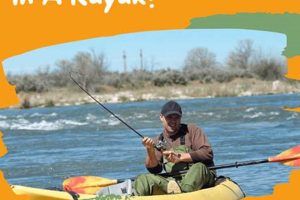
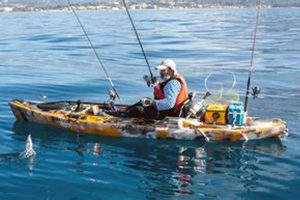
Angling from small, human-powered vessels along the Galveston Causeway system offers a unique blend of accessibility and diverse fishing opportunities. This protected waterway provides calm waters ideal for paddlecraft, while its proximity to the Gulf of Mexico ensures a rich variety of saltwater species. The causeway’s numerous bridges and piers create structure that attracts fish, offering anglers promising locations to cast their lines.
This type of fishing provides an environmentally friendly and affordable way to experience the coastal ecosystem. It allows for close-to-the-water engagement with the natural surroundings, offering a more intimate fishing experience than motorized boating. Historically, small watercraft have been utilized for fishing in the area, and the causeway’s construction provided enhanced access to previously harder-to-reach areas. The enduring popularity of this activity highlights its recreational and ecological significance for the region.
Further exploration will cover essential aspects such as suitable kayak selection, recommended fishing gear, popular target species, optimal fishing locations along the causeway, safety precautions, and relevant regulations.
Tips for Causeway Kayak Fishing
Careful planning and preparation contribute significantly to a successful and enjoyable fishing experience along the Galveston Causeway. The following tips offer valuable insights for anglers of all skill levels.
Tip 1: Check the Weather Forecast: Wind conditions and tidal currents can significantly impact paddling and fishing. Consulting marine forecasts before embarking ensures a safer and more productive outing.
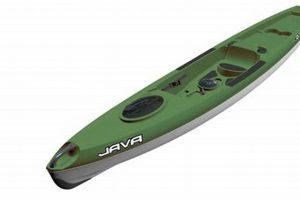
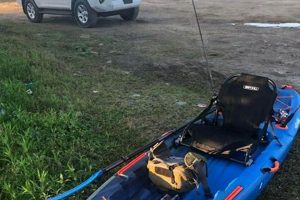
Tip 2: Choose the Right Kayak: A stable and maneuverable kayak designed for fishing, ideally a sit-on-top model, is recommended for the causeway environment. Adequate storage for gear and equipment is essential.
Tip 3: Utilize Appropriate Fishing Gear: Light to medium tackle is generally suitable for the species commonly found in these waters. Live bait or artificial lures can be effective, depending on the target species.
Tip 4: Focus on Structure: Bridges, piers, and other structures attract fish. Concentrating fishing efforts around these areas can increase the likelihood of success.
Tip 5: Practice Proper Kayak Safety: Wearing a personal flotation device is paramount. Carrying a whistle, signaling device, and communication equipment enhances safety. Awareness of boat traffic is crucial.
Tip 6: Respect Wildlife and the Environment: Practicing catch-and-release for non-targeted species helps maintain a healthy fish population. Proper disposal of fishing line and other waste minimizes environmental impact.
Tip 7: Be Aware of Regulations: Familiarize oneself with local fishing regulations, licensing requirements, and any specific rules pertaining to the Galveston Causeway area.
Adhering to these guidelines contributes to a safe, productive, and rewarding fishing experience, minimizing potential challenges and maximizing enjoyment of the unique environment.
The combination of thoughtful preparation and informed decision-making sets the stage for a memorable experience on the water.
1. Kayak Selection

Appropriate kayak selection significantly impacts the success and safety of fishing along the Galveston Causeway. The causeway environment presents specific conditions that necessitate careful consideration of vessel characteristics. Stability is paramount due to potential boat wakes and tidal currents. A wider, flatter-bottomed kayak offers enhanced stability compared to narrower, more performance-oriented designs. Maneuverability is also important for navigating around bridge pilings and other structures. Shorter kayaks generally offer greater maneuverability than longer ones.
Sit-on-top kayaks are generally preferred for this type of fishing due to their self-bailing design and ease of re-entry in the event of an accidental capsize. Sufficient storage space is essential for carrying fishing gear, tackle, and safety equipment. Rod holders, either built-in or aftermarket, further enhance fishing convenience. Consideration of weight capacity is also critical, ensuring the kayak can accommodate the angler’s weight, plus gear, and any potential catch. For example, a longer fishing kayak with a higher weight capacity and ample storage is suitable for anglers planning longer trips with more equipment, while a shorter, lighter kayak might suffice for shorter excursions closer to launch points.
Ultimately, the ideal kayak for fishing the Galveston Causeway balances stability, maneuverability, and storage capacity. A well-chosen vessel contributes significantly to a safe and enjoyable experience, allowing anglers to focus on fishing rather than managing an unsuitable craft. Careful consideration of these factors ensures a more productive and rewarding outing. Prioritizing these characteristics improves both safety and fishing efficacy.
2. Fishing Gear

Effective fishing gear selection significantly influences success when kayak fishing along the Galveston Causeway. The chosen equipment should align with target species and the specific conditions of this environment. Careful consideration of rod, reel, line, and lure choices contributes to a more productive and enjoyable fishing experience.
- Rod and Reel
A medium-light to medium-heavy spinning rod and reel combination generally suits the target species commonly found along the causeway. Shorter rods, typically 6-7 feet, offer better maneuverability within the confines of a kayak. A reel with a smooth drag system is essential for handling larger fish. For example, a 7-foot medium-power spinning rod paired with a 2500-size reel provides a balanced setup for targeting speckled trout or redfish.
- Fishing Line
Braided fishing line is often preferred for its sensitivity and strength. Its thin diameter allows for longer casts and better feel, which is beneficial in detecting subtle bites. A 10-20 pound test braid is typically suitable for the causeway’s fishing conditions. Fluorocarbon leader material can be added for increased abrasion resistance and near-invisibility in the water.
- Lures and Bait
Effective lures for the Galveston Causeway include soft plastic jigs, topwater plugs, and spoons. Live bait such as shrimp or finger mullet can also be highly productive. The choice of lure or bait often depends on the target species and prevailing water conditions. Matching lure color and size to the prevalent forage can increase strike rates.
- Essential Accessories
Additional essential gear includes a tackle box or bag to organize lures and terminal tackle, pliers for removing hooks, a net for landing fish, and a knife or line cutters. A fishing cooler with ice or a livewell is necessary for keeping catches fresh. These accessories enhance efficiency and ensure a smoother fishing experience.
Appropriate fishing gear enhances the likelihood of a successful fishing trip along the Galveston Causeway. The right equipment enables anglers to effectively target desired species while navigating the specific conditions of this unique environment. Combining appropriate gear with sound fishing techniques maximizes the chances of a productive and rewarding experience.
3. Target Species
The Galveston Causeway system provides habitat for a diverse range of fish species, making it an attractive location for kayak anglers. Understanding the prevalent species and their habits is crucial for a successful fishing trip. Effective angling strategies often depend on targeting specific species based on their preferred habitat and feeding patterns. This section explores key target species commonly sought by anglers along the causeway.
- Speckled Trout
Speckled trout are a popular target due to their abundance and sporting qualities. They are often found near grassy areas, oyster reefs, and other structures along the causeway. Anglers frequently target them using soft plastic lures, topwater plugs, and live shrimp. Their presence contributes significantly to the recreational fishing activity in the area.
- Redfish
Redfish, also known as red drum, are another prized game fish inhabiting the causeway’s waters. They can be found in shallow flats, around docks, and near the edges of channels. Popular angling techniques include using cut bait, crabs, and spoons. Their distinctive bronze coloration and hard-fighting nature make them a desirable catch.
- Flounder
Flounder are bottom-dwelling flatfish that often lie camouflaged on the sandy or muddy bottom. They are frequently found near drop-offs and around structures. Anglers typically target flounder using live bait such as shrimp or mud minnows, presented on the bottom with a jig head. Their unique appearance and delicious flavor make them a popular target.
- Black Drum
Black drum are another common species found along the causeway, often congregating around oyster reefs and other structures. They can be caught using shrimp, crabs, and cut bait. While not as highly regarded as a game fish as speckled trout or redfish, they still provide a challenging and rewarding catch, particularly for novice anglers.
Knowledge of these target species’ habits and preferred habitats enhances angling success along the Galveston Causeway. Adapting fishing techniques to target specific species increases the likelihood of a productive and rewarding fishing experience. Understanding the ecosystem’s diverse fish population allows anglers to appreciate the rich biodiversity of this coastal environment.
4. Location Choice

Strategic location choice significantly influences fishing success along the Galveston Causeway. The causeway’s structure creates diverse habitats, each attracting different species and requiring specific angling techniques. Understanding these nuances allows anglers to optimize their efforts. For example, the deeper channels near the bridges often hold larger speckled trout and redfish, while shallower flats adjacent to the causeway attract flounder and black drum. Areas with submerged oyster reefs or other structures tend to concentrate fish, providing productive fishing spots. Current flow also plays a crucial role, as fish often position themselves near current breaks or eddies to ambush prey. Selecting locations based on target species, water depth, structure, and current maximizes fishing potential.
Several factors contribute to informed location decisions. Wind direction and speed influence kayak positioning and drift, impacting accessibility to certain areas. Tide changes affect water depth and current flow, altering fish behavior and preferred feeding zones. Time of day also plays a role, as some species are more active during dawn, dusk, or nighttime hours. Observing bird activity can provide clues to baitfish concentrations, indicating potential feeding areas for larger predatory fish. Consulting local fishing reports or guides offers insights into current fishing patterns and productive locations. Integrating these considerations into location selection strategies enhances the likelihood of a successful fishing experience.
Effective location choice along the Galveston Causeway requires a comprehensive understanding of the interplay between environmental factors and fish behavior. Analyzing these variables enables anglers to make informed decisions, leading to increased fishing success. Choosing appropriate locations based on target species, water conditions, and structural features maximizes angling opportunities within this dynamic environment. This understanding contributes significantly to a more rewarding and productive kayak fishing experience. The ability to effectively select productive locations is a key skill for consistent success in this unique fishing environment.
5. Safety Precautions
Safeguarding well-being while kayak fishing along the Galveston Causeway requires diligent attention to various precautions. The dynamic environment, characterized by changing weather, boat traffic, and potentially challenging water conditions, necessitates proactive safety measures. Prioritizing safety ensures a positive and enjoyable fishing experience. Neglecting these precautions can lead to hazardous situations, jeopardizing angler well-being and potentially impacting others.
- Personal Flotation Device (PFD)
A properly fitted PFD is paramount for all kayak anglers. This essential safety equipment provides buoyancy in the event of capsizing or accidental immersion. PFDs should be worn consistently throughout the fishing trip, regardless of perceived swimming ability or water conditions. Choosing a comfortable and appropriately sized PFD encourages consistent use. For example, a Type III PFD, designed for calm, inland waters, is generally suitable for the causeway environment.
- Weather Monitoring
Careful attention to weather forecasts and real-time conditions is crucial before and during any kayak fishing trip. Wind speed and direction significantly impact paddling conditions and kayak control. Sudden storms or changing tides can create hazardous situations. Monitoring marine weather forecasts and having a plan for seeking shelter in case of inclement weather is essential. Postponing trips in unfavorable conditions demonstrates prudent decision-making.
- Visibility and Signaling
Maintaining adequate visibility to other boaters is critical, particularly during low-light conditions or periods of reduced visibility. Brightly colored clothing and kayak accessories enhance visibility. Carrying a whistle or other signaling devices enables communication in emergencies. A waterproof flashlight or headlamp provides visibility during nighttime fishing or unexpected delays. These measures enhance safety by alerting others to the kayak’s presence.
- Communication Equipment
Reliable communication capability enhances safety during kayak fishing trips. A waterproof cell phone or VHF radio enables contact with emergency services or shore-based contacts in case of distress. Informing someone of the intended fishing location and estimated return time provides an additional safety net. Regularly checking communication equipment functionality ensures reliable operation when needed.
Prioritizing these safety precautions significantly mitigates risks associated with kayak fishing along the Galveston Causeway. A proactive approach to safety enhances angler well-being and fosters a more enjoyable experience. Integrating these practices into every fishing trip demonstrates a commitment to responsible angling and contributes to a positive and safe environment for all causeway users. Consistent adherence to these measures underscores a responsible approach to enjoying this unique fishing destination.
6. Regulations
Adherence to established regulations is essential for responsible kayak fishing along the Galveston Causeway. These regulations, encompassing licensing requirements, catch limits, and permitted fishing methods, ensure the sustainability of fish populations and maintain a safe environment for all causeway users. Understanding and complying with these rules contributes to the long-term health of the ecosystem and preserves recreational fishing opportunities for future generations. Ignoring regulations can lead to penalties, depletion of fish stocks, and potential conflicts with other users of the causeway system. For instance, exceeding catch limits for speckled trout, a popular target species, could negatively impact their population and disrupt the ecological balance.
Specific regulations applicable to kayak fishing along the Galveston Causeway include possession of a valid Texas fishing license with a saltwater endorsement. Adhering to size and bag limits for various species is crucial. For example, redfish must fall within a specific slot size range to be legally harvested. Certain fishing methods, such as the use of gill nets or certain types of traps, are prohibited. Designated areas may have specific restrictions, such as no-fishing zones near bridges or sensitive habitats. Awareness of these specific regulations ensures compliance and promotes responsible angling practices. Consulting the Texas Parks and Wildlife Department’s website provides detailed information on current regulations. Staying informed about any changes or updates to regulations is vital for maintaining legal compliance.
Compliance with fishing regulations contributes significantly to the sustainability of the Galveston Causeway fishery. Responsible angling practices preserve the ecological balance of the area and ensure the continued enjoyment of this valuable resource. Understanding and adhering to these rules benefits both the environment and the angling community. This commitment to ethical fishing practices safeguards the long-term health and accessibility of the Galveston Causeway fishery for all. Disregarding regulations undermines conservation efforts and jeopardizes the future of this unique fishing environment.
7. Tidal Awareness
Tidal awareness is paramount for successful and safe kayak fishing along the Galveston Causeway. Tidal currents significantly influence fish behavior, water depth, and navigation. Incoming tides bring baitfish and predatory species closer to the shoreline and structures, creating optimal fishing opportunities. Conversely, outgoing tides can concentrate fish in deeper channels or near drop-offs. Understanding these patterns allows anglers to position themselves effectively and target specific areas based on tidal flow. For example, fishing near bridge pilings during an incoming tide can yield excellent results as baitfish and larger species are swept towards these structures. Conversely, fishing the edges of channels during an outgoing tide can be productive as fish move to deeper water with the receding current. Ignoring tidal influences can result in wasted effort, reduced catches, and potentially hazardous paddling conditions.
Practical application of tidal awareness involves consulting tide charts and understanding their implications. These charts provide information on high and low tide times, current speed, and direction. Planning fishing trips around peak tidal flows maximizes opportunities for encountering actively feeding fish. Tidal currents also influence kayak maneuverability, making paddling against strong currents challenging. Awareness of current direction and strength facilitates efficient navigation and reduces physical exertion. For example, paddling against a strong outgoing tide can be strenuous and time-consuming, while paddling with the current allows for easier access to distant fishing locations. Understanding tidal patterns enhances safety by enabling anglers to anticipate and avoid potentially hazardous conditions such as rapidly changing currents or shallow areas exposed during low tide.
In summary, tidal awareness is an indispensable component of successful kayak fishing along the Galveston Causeway. Understanding tidal influences on fish behavior and water movement allows anglers to optimize location selection, fishing techniques, and navigation. Practical application of tide charts and awareness of current conditions enhances both fishing success and overall safety. This knowledge empowers anglers to make informed decisions, leading to a more rewarding and secure experience on the water. Neglecting tidal awareness limits fishing opportunities and potentially exposes anglers to unnecessary risks. Therefore, integrating tidal knowledge into fishing strategies is crucial for maximizing enjoyment and ensuring a safe outing.
Frequently Asked Questions
This section addresses common inquiries regarding kayak fishing along the Galveston Causeway, providing concise and informative responses.
Question 1: What are the most productive fishing areas along the causeway?
Productive areas include bridge pilings, submerged oyster reefs, channel edges, and shallow flats adjacent to the causeway. Optimal locations vary depending on target species and tidal conditions.
Question 2: What type of kayak is recommended for fishing the causeway?
Stable, sit-on-top kayaks designed for fishing are recommended. Adequate storage for gear and stability in potentially choppy water are important considerations.
Question 3: Are there specific regulations for fishing from a kayak along the causeway?
Standard Texas fishing regulations apply, including licensing requirements and catch limits. Specific restrictions may exist in certain areas. Consulting the Texas Parks and Wildlife Department website is recommended.
Question 4: What safety precautions should one take when kayak fishing along the causeway?
Essential precautions include wearing a personal flotation device, monitoring weather conditions, carrying communication equipment, and informing someone of fishing plans.
Question 5: What are the primary target species for kayak anglers along the causeway?
Common target species include speckled trout, redfish, flounder, and black drum. Angling techniques vary depending on the targeted species.
Question 6: What is the importance of tidal awareness for causeway fishing?
Tidal currents influence fish behavior and water depth, impacting optimal fishing locations and times. Consulting tide charts is essential for planning effective fishing trips.
Understanding these frequently asked questions enhances preparedness and contributes to a safer and more successful kayak fishing experience along the Galveston Causeway. Addressing these common concerns promotes responsible angling practices and fosters a positive experience for all.
For further information or specific inquiries, consulting local fishing guides or contacting the Texas Parks and Wildlife Department is recommended.
Kayak Fishing Galveston Causeway
Kayak fishing along the Galveston Causeway offers a unique blend of accessibility, diverse fishing opportunities, and engagement with a vibrant coastal ecosystem. Successful angling in this environment requires careful consideration of several key factors. Appropriate kayak selection, informed fishing gear choices, targeted species knowledge, strategic location selection, adherence to safety precautions, compliance with regulations, and awareness of tidal influences contribute significantly to a productive and rewarding experience. These elements, when combined effectively, empower anglers to maximize their success while minimizing potential challenges.
The Galveston Causeway fishery represents a valuable resource for recreational anglers. Continued enjoyment of this unique environment relies on responsible angling practices and a commitment to conservation. Respect for the ecosystem, adherence to regulations, and a focus on sustainable fishing practices ensure the preservation of this resource for future generations. Through informed decision-making and a commitment to responsible angling, the Galveston Causeway can continue to provide enriching experiences for kayak anglers seeking a rewarding connection with the coastal environment.