Strategies for successful angling from a kayak in a riverine environment involve a multifaceted approach. This encompasses selecting appropriate equipment, understanding river dynamics, employing effective casting techniques, and prioritizing safety measures. For instance, choosing a stable kayak designed for fishing, using a shorter, lighter fishing rod, and employing river-specific lures and baits are key tactical considerations.
Effective angling from a kayak in a river offers several advantages. The low profile of a kayak allows for stealthy approaches to fish, accessing shallower waters and tighter spots often unreachable by larger boats. This specialized approach contributes to a more intimate connection with nature and can lead to increased fishing success. The evolution of specialized kayak fishing equipment and techniques has significantly enhanced the sport’s popularity and effectiveness.
This article will further explore key aspects of successful river fishing from a kayak. Topics include selecting the right kayak and gear, understanding river currents and structures, mastering paddling and anchoring techniques, choosing effective lures and baits, practicing proper casting and retrieval methods, landing and handling fish safely, and prioritizing safety precautions on the water.
River Kayak Fishing Tips
Effective angling from a kayak on a river requires specialized knowledge and techniques. The following tips offer guidance for a successful and safe experience.
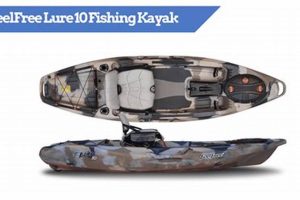
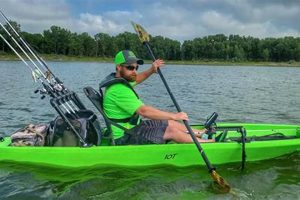
Tip 1: Choose the Right Kayak. Kayak selection depends on the specific river environment. Wider, more stable kayaks are recommended for slower-moving rivers, while longer, narrower kayaks are better suited for faster currents and covering greater distances. Sit-on-top kayaks are generally preferred for their self-bailing capabilities and ease of entry and exit.
Tip 2: Utilize River-Specific Gear. Shorter fishing rods (5-7 feet) are ideal for kayak fishing, offering better control and maneuverability. Braided fishing line is recommended for its strength and sensitivity. A selection of lures and baits appropriate for the target species and river conditions is essential.
Tip 3: Understand River Dynamics. Reading the river is crucial. Identify current seams, eddies, and backwaters, as these areas often hold fish. Pay attention to water depth, clarity, and temperature.
Tip 4: Master Paddling and Anchoring. Efficient paddling techniques are necessary for navigating the river and positioning the kayak effectively. A reliable anchor system is crucial for maintaining position in desired fishing locations.
Tip 5: Employ Effective Casting Techniques. Practice casting techniques suited for the confined space of a kayak. Short, accurate casts are often more effective than long casts. Consider using a sidearm or underhand casting style.
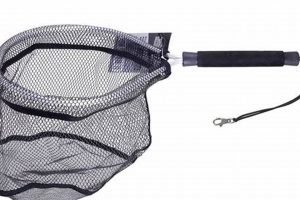
Tip 6: Practice Proper Fish Handling. Use appropriate landing nets and tools to minimize stress on the fish. Handle fish gently and release them quickly and safely.
Tip 7: Prioritize Safety. Always wear a personal flotation device (PFD). Carry a whistle, signaling device, and first-aid kit. Inform someone of your fishing plans and estimated return time. Check weather conditions before embarking.
By implementing these strategies, anglers can enhance their river kayak fishing experience, increasing their chances of success while ensuring a safe and enjoyable outing.
This information provides a solid foundation for successful river kayak fishing. The following section will discuss advanced techniques and strategies for maximizing results.
1. Stable Kayak Selection

Kayak stability forms a cornerstone of successful river fishing. A stable platform is essential for casting accuracy, fighting fish effectively, and ensuring angler safety, particularly in moving water. Selecting an appropriate kayak significantly influences the overall fishing experience and contributes directly to success on the river.
- Hull Design and Stability
Hull design directly impacts stability. Wider, flatter hulls offer greater primary stability, resisting initial tipping. A shallow-V hull provides good initial stability but can feel tippy in rougher water. A pontoon-style hull maximizes stability but sacrifices maneuverability. Choosing the appropriate hull design depends on the intended river conditions and the angler’s experience level. For instance, a wider hull is preferable for beginners or when fishing in challenging currents.
- Kayak Length and Stability
Longer kayaks generally track straighter and offer more storage space, while shorter kayaks are more maneuverable. However, shorter kayaks can be less stable than longer ones. The choice depends on the specific river environment and fishing style. A shorter kayak might be preferable for navigating tight, technical streams, while a longer kayak is better suited for open water or covering longer distances.
- Weight Capacity and Stability
Exceeding a kayak’s weight capacity compromises stability and performance. Anglers must consider their body weight, the weight of fishing gear, and any additional equipment when selecting a kayak. Adequate weight capacity ensures the kayak sits properly in the water, maximizing stability and preventing capsizing, especially important when landing larger fish.
- Center of Gravity and Stability
A lower center of gravity enhances stability. Sitting lower in the kayak improves balance and reduces the likelihood of tipping. Proper weight distribution within the kayak is also crucial. Keeping heavier items low and centered enhances stability. For example, storing tackle boxes and other gear near the bottom of the kayak contributes to a lower center of gravity.
Considering these factors when selecting a kayak directly impacts fishing success and safety on the river. A stable kayak enables anglers to focus on fishing techniques and respond effectively to changing river conditions, contributing to a more enjoyable and productive experience. Pairing a stable kayak with other river-specific gear and techniques further optimizes performance and safety on the water.
2. River-Specific Gear
Specialized equipment plays a crucial role in successful kayak river fishing. Utilizing gear designed for river environments optimizes performance, enhances safety, and increases the likelihood of a productive fishing experience. The following facets explore the essential components of a river-specific gear setup and their connection to effective kayak angling.
- Rods and Reels
Shorter rods (typically 5-7 feet) are preferred for kayak fishing in rivers. Their compact size enhances maneuverability within the confined space of a kayak and facilitates accurate casting beneath overhanging branches or in tight quarters. Baitcasting reels, known for their strength and control, are often favored for handling larger river species and heavier lines. Spinning reels offer versatility for lighter lures and lines. Selecting the appropriate rod and reel combination depends on the target species and the specific river environment.
- Fishing Line and Leaders
Braided fishing line is often preferred for river fishing due to its high strength, sensitivity, and minimal stretch. These properties are beneficial for detecting subtle bites, setting hooks effectively in current, and navigating around underwater obstacles. Fluorocarbon leaders, known for their abrasion resistance and low visibility, are crucial for connecting the main line to lures or hooks. This enhances presentation and increases the likelihood of enticing wary river fish.
- Lures and Baits
Lure and bait selection depends on the target species and river conditions. Crankbaits, spinners, and jigs effectively imitate common river forage. Live bait, such as worms, minnows, or crayfish, can be highly effective in attracting local fish species. Matching lure color and size to the prevailing river conditions and forage base significantly increases the chance of attracting strikes.
- Essential Accessories
Several accessories enhance safety and efficiency on the river. A well-designed anchor system allows anglers to maintain position in desired fishing locations. A fish finder helps identify underwater structures, depth changes, and fish-holding areas. Pliers, line cutters, and a first-aid kit are essential safety items. A dry bag protects electronics and other valuable items from water damage.
Utilizing river-specific gear significantly contributes to a successful kayak fishing experience. The combination of appropriate rods, reels, lines, lures, and accessories empowers anglers to effectively target river species, navigate dynamic currents, and prioritize safety on the water. The synergistic relationship between these gear components contributes to both angling success and overall enjoyment on the river. Selecting appropriate gear ensures a safe and productive outing, allowing anglers to fully appreciate the challenges and rewards of kayak river fishing.
3. Current Knowledge

Proficiency in reading and interpreting river currents is fundamental to successful kayak fishing. Understanding how current interacts with river structure, influences fish behavior, and affects kayak positioning is essential for a productive and safe fishing experience. This knowledge base forms the foundation for effective angling strategies and informed decision-making on the water.
- Reading the Water
Observing water surface features provides insights into current speed and direction. Ripples, boils, and seams indicate changes in current flow. Faster water typically appears darker, while slower water appears lighter. Recognizing these visual cues allows anglers to identify prime fishing locations, such as current breaks and eddies where fish often congregate. For example, a seam where fast and slow currents meet creates a feeding lane for opportunistic fish.
- Identifying Structure
Understanding how current interacts with underwater structures like rocks, logs, and drop-offs is critical. These structures create current breaks, eddies, and backwaters that provide shelter and feeding opportunities for fish. Anglers can utilize this knowledge to strategically position their kayaks and target these high-probability areas. For instance, casting upstream of a submerged log allows a lure to drift naturally into the eddy behind it, increasing the chance of a strike.
- Kayak Positioning and Control
Current significantly influences kayak positioning and maneuverability. Anglers must consider current speed and direction when paddling and anchoring. Ferrying across current allows for precise upstream or downstream positioning. Eddies provide sheltered areas for resting or repositioning. Effective anchor placement prevents drifting and maintains the kayak in a desired fishing location. For example, anchoring in an eddy allows an angler to fish a specific current seam thoroughly without constantly repositioning the kayak.
- Fish Behavior and Current
Fish behavior is intrinsically linked to current. Species like trout and bass often position themselves facing upstream in current breaks, waiting to ambush prey swept downstream. Understanding these feeding patterns allows anglers to present lures or baits effectively. For example, casting a lure upstream and allowing it to drift naturally into a fish’s feeding lane increases the likelihood of a strike.
Mastery of current knowledge empowers kayak anglers to make informed decisions about kayak positioning, lure presentation, and fish location. This understanding transforms the fishing experience from passive drifting to strategic angling, significantly increasing the likelihood of success and enhancing overall enjoyment on the river. By combining current knowledge with other kayak fishing techniques, anglers elevate their skills and achieve a deeper connection with the river environment.
4. Efficient Paddling

Efficient paddling forms an integral component of successful kayak river fishing. Proficiency in paddle strokes directly influences boat control, positioning, and stealth, all crucial elements for maximizing fishing opportunities. Effective paddling conserves energy, allowing anglers to focus on fishing rather than constantly battling current or wind. A strong paddling foundation enables precise maneuvering within the river environment, critical for accessing optimal fishing locations, such as eddies, seams, and backwaters. For instance, a well-executed draw stroke allows for quick adjustments in position to capitalize on fleeting fishing opportunities, while a silent paddle entry minimizes disturbance, preventing spooking wary fish in shallow water.
Beyond basic propulsion, efficient paddling enables strategic kayak management in dynamic river conditions. Ferrying across currents, maintaining position in flowing water, and navigating tight channels or around obstacles all rely on proficient paddling technique. Consider the scenario of approaching a promising fishing spot located upstream. Inefficient paddling may result in overshooting the target area or creating excessive surface disturbance, alerting fish to the angler’s presence. Conversely, controlled, efficient paddling allows for precise approach and quiet positioning, maximizing the chances of a successful presentation. Furthermore, the ability to hold position in current through precise paddle strokes minimizes the need for frequent anchoring, reducing potential disturbances to the riverbed and maintaining a more natural fishing presentation.
Mastery of efficient paddling techniques elevates kayak river fishing from a passive experience to one of active engagement with the environment. This proficiency allows anglers to navigate effectively, position strategically, and approach fishing locations stealthily, ultimately optimizing fishing success. The relationship between efficient paddling and successful river fishing is undeniable; it represents a fundamental skill set that empowers anglers to fully utilize the kayak’s potential as a fishing platform and enhance their overall experience on the water. Challenges such as wind, strong currents, and navigating complex river structures can be effectively addressed through refined paddling skills and strategic decision-making, underscoring the practical significance of this core competency within the broader context of kayak river fishing.
5. Effective Casting
Effective casting techniques are integral to successful kayak river fishing. The confined space and dynamic environment of a river necessitate specialized casting approaches distinct from those employed in stillwater or bank fishing. Accuracy and control are paramount, as casts often must be placed precisely near cover, under overhanging branches, or within tight current seams. A poorly executed cast can snag on obstacles, disturb the water excessively, or fail to reach the target zone, diminishing fishing opportunities. For example, a sidearm cast, employed effectively, allows for precise lure placement beneath low-hanging branches without requiring a full back cast, minimizing the risk of snagging.
Several casting techniques are particularly well-suited for kayak river fishing. The sidearm cast, as mentioned, is valuable for tight spaces. Underhand casts are effective for reaching targets close to the kayak and maintaining low trajectory, minimizing the impact of wind. Bow-and-arrow casts offer pinpoint accuracy for targeting specific pockets or structure. Roll casts, employed primarily with fly fishing gear, allow for line management and presentation in confined spaces. The choice of casting technique depends on the specific fishing situation, river conditions, and the type of tackle employed. For instance, an underhand cast might be employed to present a jig precisely beneath a submerged log, while a sidearm cast is better suited for skipping a lure beneath overhanging vegetation.
Mastery of these specialized casting techniques significantly enhances angling success in rivers. Precise lure placement allows anglers to effectively target specific fish-holding areas, minimize disturbance, and increase the likelihood of enticing strikes. Furthermore, efficient casting reduces snags, conserves energy, and contributes to a more fluid and enjoyable fishing experience. The ability to adapt casting techniques to the ever-changing river environment is a hallmark of a skilled kayak angler and directly influences fishing outcomes. Challenges posed by wind, current, and obstacles can be mitigated through proficient casting, allowing anglers to maximize their opportunities and connect with target species effectively.
6. Safe Fish Handling

Safe fish handling is a critical aspect of responsible kayak river fishing. Proper techniques minimize stress on the fish, promote conservation, and ensure the long-term health of fish populations. In the context of kayak fishing, where anglers are often in close proximity to the water and dealing with dynamic river conditions, safe handling practices become even more crucial. Mishandling can lead to injuries for both the fish and the angler, particularly given the confined space of a kayak.
- Minimizing Air Exposure
Minimizing a fish’s exposure to air is paramount. Air exposure can damage delicate gill filaments and disrupt the fish’s respiratory processes. Keeping the fish in the water as much as possible during hook removal and handling is essential. Using a landing net with a rubberized or knotless mesh further reduces the risk of injury to the fish’s skin and slime coat. For example, when removing a deeply embedded hook, keeping the fish submerged while working the hook free significantly reduces stress compared to lifting the fish into the air and prolonging the removal process.
- Supporting the Fish’s Body
Supporting a fish’s body properly prevents injury and reduces stress. Larger fish should be cradled with wet hands, supporting their weight evenly. Never hold a fish vertically by the jaw or gills, as this can dislocate the jaw and damage internal organs. For instance, when handling a larger trout, supporting its weight with both hands distributed along the body minimizes strain on the fish and reduces the risk of internal damage.
- Using Proper Hook Removal Tools
Employing appropriate hook removal tools facilitates quick and efficient hook extraction, minimizing handling time and stress on the fish. Needle-nose pliers or specialized hook removers allow for precise manipulation of the hook. Cutting the line close to the hook is sometimes the best option, especially with deeply embedded hooks. For example, using long-nosed pliers allows for safe removal of a hook lodged deep in the fish’s mouth without causing excessive trauma.
- Reviving Exhausted Fish
Reviving exhausted fish prior to release is essential, particularly in warmer water or after a prolonged fight. Holding the fish gently in the water, facing upstream, allows water to flow over its gills. Moving the fish back and forth gently can aid in oxygen uptake. Releasing the fish only when it exhibits strong swimming ability ensures its survival. For instance, after landing a fish that fought vigorously, allowing it to recover in the current until it can swim away strongly promotes its survival.
Implementing these safe fish handling practices contributes significantly to ethical and sustainable kayak river fishing. Respectful handling ensures the well-being of the fish, preserves the integrity of the fishery, and aligns with the principles of responsible angling. By integrating these practices with other kayak river fishing techniques, anglers contribute to the long-term health of the river ecosystem and enhance their overall fishing experience.
7. Prioritize Safety
Safety is paramount in kayak river fishing. The dynamic nature of rivers, combined with the inherent risks of on-water activities, necessitates a proactive and comprehensive approach to safety planning and execution. Prioritizing safety is not merely a recommendation; it is a fundamental prerequisite for a responsible and enjoyable fishing experience. Neglecting safety protocols can lead to serious consequences, jeopardizing not only the angler’s well-being but also potentially impacting others involved in rescue efforts.
- Personal Flotation Devices (PFDs)
Wearing a properly fitted PFD is non-negotiable. PFDs provide essential buoyancy in the event of capsizing or accidental immersion, significantly increasing the chances of survival. Selecting a PFD specifically designed for kayaking, with a comfortable fit and unrestricted range of motion, is crucial for both safety and comfort. For example, a Type III PFD, designed for calm inland waters, offers suitable flotation and mobility for kayak fishing. Inflatable PFDs are also an option, providing greater comfort during extended wear, but require regular maintenance and inspection to ensure proper function.
- Communication and Emergency Planning
Effective communication is essential for river safety. Informing someone of fishing plans, including the intended location, estimated return time, and emergency contact information, is crucial. Carrying a waterproof communication device, such as a VHF radio or a cell phone in a waterproof case, enables contact in case of emergencies. Understanding basic river rescue procedures and carrying a signaling device, like a whistle or mirror, further enhances safety preparedness. For instance, informing a family member of the planned fishing route and schedule ensures that someone is aware of the angler’s whereabouts and can initiate appropriate action if the angler does not return as planned.
- River Hazards and Awareness
River environments present various hazards requiring constant awareness. Strainers (partially submerged objects that allow water to pass through but trap larger objects), sweepers (overhanging branches or trees), and rapidly changing water levels pose significant risks. Understanding how to identify and navigate these hazards is essential. Scouting unfamiliar river sections before fishing, checking water flow rates and weather forecasts, and avoiding fishing during high water conditions are crucial safety precautions. For example, recognizing a strainer and understanding the need to avoid paddling near it can prevent a potentially life-threatening situation.
- Cold Water Considerations
Cold water presents unique safety challenges. Immersion in cold water can lead to rapid heat loss and hypothermia, even in relatively mild air temperatures. Dressing in layers appropriate for water temperature, not just air temperature, is crucial. Wearing a wetsuit or drysuit provides insulation in cold water environments. Understanding the symptoms of hypothermia and knowing how to respond appropriately is vital for both self-rescue and assisting others. For instance, wearing a drysuit in early spring or late fall provides essential protection against cold water immersion, even if air temperatures are moderate.
Prioritizing safety through diligent planning, appropriate equipment, and continuous awareness transforms kayak river fishing from a potentially hazardous activity into a safe and enjoyable pursuit. Integrating these safety practices with effective fishing techniques allows anglers to fully appreciate the river environment while minimizing risks. By prioritizing safety, anglers demonstrate respect for the river, fellow anglers, and themselves, fostering a culture of responsible recreation and ensuring a positive and sustainable future for the sport.
Frequently Asked Questions
This section addresses common queries regarding kayak river fishing, offering practical insights and clarifying potential misconceptions. Understanding these frequently raised points enhances preparedness and contributes to a safer and more productive fishing experience.
Question 1: What type of kayak is best suited for river fishing?
Kayak selection depends on the specific river characteristics. Wider, more stable kayaks are recommended for slower-moving rivers, while longer, narrower kayaks are better suited for faster currents. Sit-on-top kayaks are generally preferred for their self-bailing capabilities and ease of entry and exit. Stability and maneuverability are key considerations.
Question 2: What essential safety gear should one carry when kayak fishing in a river?
Essential safety gear includes a properly fitted personal flotation device (PFD), a whistle, a signaling device (such as a mirror or flare), a first-aid kit, and a communication device (VHF radio or cell phone in a waterproof case). Informing someone of fishing plans and estimated return time is also crucial.
Question 3: How does one navigate strong currents and river hazards effectively?
Navigating strong currents requires understanding river dynamics, including identifying eddies, backwaters, and current seams. Ferrying across currents and using proper paddling techniques are essential. Avoiding strainers (partially submerged obstacles) and sweepers (overhanging branches) is critical. Scouting unfamiliar river sections beforehand is highly recommended.
Question 4: What are effective casting techniques for kayak river fishing?
Effective casting techniques include sidearm casts for tight spaces, underhand casts for close-range targets, and bow-and-arrow casts for pinpoint accuracy. Practicing these techniques enhances lure placement and minimizes snags in the river environment.
Question 5: How does one choose appropriate lures and baits for river fishing?
Lure and bait selection depend on the target species and river conditions. Researching local fish species and their preferred forage is recommended. Matching lure color, size, and action to the prevailing river conditions and forage base increases the likelihood of attracting strikes.
Question 6: How should one handle fish safely and responsibly in a river environment?
Safe fish handling involves minimizing air exposure, supporting the fish’s body properly, using appropriate hook removal tools, and reviving exhausted fish before release. These practices minimize stress on the fish and promote conservation.
Understanding these key aspects of kayak river fishing enhances safety and promotes a more informed and successful angling experience. Preparation, awareness, and responsible practices are crucial for maximizing enjoyment on the water.
This FAQ section provides a foundation for safe and effective kayak river fishing. The following section will offer advanced techniques and strategies for optimizing fishing success in river environments.
Kayak River Fishing Tips
Successful kayak river fishing necessitates a comprehensive understanding of specialized techniques and safety protocols. Effective strategies encompass selecting a suitable kayak, utilizing appropriate gear, mastering efficient paddling and casting techniques, understanding river dynamics and fish behavior, and prioritizing safe fish handling and overall safety measures. These interconnected elements contribute significantly to a productive and rewarding angling experience.
Kayak river fishing offers a unique opportunity to connect with nature and experience the thrill of angling in dynamic river environments. Continued learning, refinement of techniques, and a commitment to responsible angling practices will ensure the sustainability of this rewarding pursuit for future generations. Careful consideration of the information presented within this resource empowers anglers to approach kayak river fishing with confidence, skill, and respect for the aquatic environment.