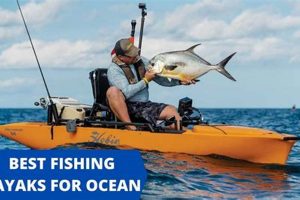
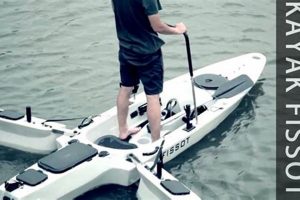
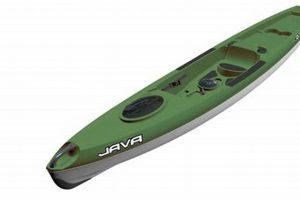
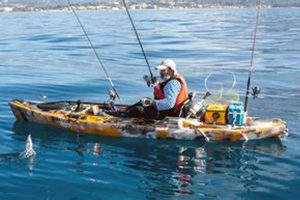
Efficient organization of fishing gear on a kayak is crucial for both safety and enjoyment. This involves strategically placing rods, tackle boxes, electronics, and other equipment to maximize space, ensure accessibility, and maintain stability on the water. For example, a well-planned system might include rod holders, crate systems, and waterproof bags tailored to specific kayak models.
Optimized gear management on a kayak contributes significantly to a successful fishing trip. A clutter-free deck reduces the risk of entanglement and allows for quick retrieval of necessary items. Additionally, proper weight distribution enhances the kayak’s stability and maneuverability. While traditional fishing often relies on larger vessels with ample storage, the growing popularity of kayak fishing has necessitated innovative solutions for limited space.
Several factors influence optimal storage configurations, including the type of kayak, fishing style, and prevailing conditions. Subsequent sections will explore various storage solutions, ranging from DIY modifications to commercially available products. These solutions will encompass rod management, tackle organization, and electronic device placement, offering a comprehensive guide to enhancing on-the-water experiences.
Kayak Fishing Storage Tips
Effective storage solutions are essential for a productive and enjoyable kayak fishing experience. These tips offer practical guidance for maximizing space and ensuring readily accessible equipment.
Tip 1: Prioritize Frequently Used Items: Keep lures, pliers, and other essential tools within easy reach. Utilize deck-mounted storage or readily accessible compartments.
Tip 2: Utilize Vertical Space: Install vertical rod holders to free up deck space and prevent rod entanglement.
Tip 3: Employ Dry Bags and Waterproof Containers: Protect electronics, phones, and other sensitive items from water damage. Clear dry bags facilitate quick identification of contents.
Tip 4: Consider a Crate System: Milk crates or purpose-built fishing crates offer versatile storage options and can be customized with rod holders and other attachments.
Tip 5: Distribute Weight Evenly: Maintain balance and stability by distributing gear evenly throughout the kayak. Avoid concentrating weight at either end.
Tip 6: Secure Loose Items: Use bungee cords or straps to secure gear and prevent loss or damage in rough conditions.
Tip 7: Choose Storage Solutions Based on Kayak Type: Sit-on-top kayaks offer different storage options compared to sit-inside models. Consider the kayak’s design when selecting storage solutions.
Tip 8: Regularly Evaluate and Adjust: After each trip, assess the effectiveness of the storage system and make adjustments as needed to optimize organization.
Implementing these strategies enhances safety, efficiency, and overall fishing success by streamlining gear management and creating a more organized on-the-water experience.
By incorporating these tips, anglers can focus on fishing rather than managing equipment, ultimately maximizing their time and enjoyment on the water.
1. Space Maximization

Space maximization is fundamental to effective kayak fishing storage. Limited deck space and storage compartments necessitate strategic organization to accommodate essential fishing gear. Efficient use of available space directly impacts both safety and fishing success. For example, utilizing vertical storage for rods frees up valuable deck space, minimizing the risk of entanglement and facilitating easier casting. Similarly, employing compact tackle boxes and strategically placing them within reach optimizes space utilization and improves workflow.
Prioritizing frequently used items and storing them in readily accessible locations contributes significantly to space maximization. Less frequently used gear can be stored in less accessible areas. Waterproof bags and containers not only protect sensitive equipment but also contribute to efficient space usage by allowing for flexible packing. Furthermore, understanding the kayak’s layout and utilizing purpose-built storage solutions, such as under-seat compartments and tank wells, can significantly enhance space optimization. Consider a sit-on-top kayak with integrated rod holders and a rear storage well. These features, combined with a strategically placed crate system, maximize space for tackle, safety equipment, and personal belongings.
Effective space maximization contributes directly to a safer and more productive fishing experience. A clutter-free deck improves stability and maneuverability, reducing the risk of accidents. Organized storage allows for quick retrieval of necessary equipment, minimizing distractions and maximizing fishing time. Ultimately, a well-planned storage system transforms the limited space of a kayak into a highly functional fishing platform. The challenge lies in balancing the need for equipment with the limitations of space, requiring careful consideration of individual fishing styles and needs.
2. Accessibility

Accessibility in kayak fishing storage directly impacts efficiency and safety. Rapid access to essential tools and equipment, such as pliers, line cutters, and frequently used lures, is crucial for maintaining fishing momentum and responding effectively to changing conditions. Fumbling through cluttered storage compartments wastes valuable fishing time and can create hazardous situations, particularly in challenging weather or when handling fish. Consider a scenario where a hooked fish makes a sudden run, requiring a quick adjustment of drag or access to a net. A well-organized and accessible storage system allows for immediate action, increasing the chances of landing the fish while minimizing the risk of line tangles or equipment loss. Conversely, poorly planned storage can lead to frustration, lost opportunities, and potential safety hazards.
Strategic placement of frequently used items is paramount for optimal accessibility. Deck-mounted storage solutions, such as readily accessible pouches and tool holders, keep essential gear within arm’s reach. Similarly, utilizing clear, waterproof bags allows for quick identification of contents without rummaging. For example, storing different lure types in separate, labeled bags simplifies lure selection, enhancing fishing efficiency. Furthermore, prioritizing storage locations based on frequency of use contributes to a streamlined and efficient workflow. Items used constantly should be positioned for immediate access, while less frequently used gear can be stored in less accessible compartments. Prioritizing accessibility minimizes distractions, allowing anglers to focus on the task at hand.
Optimizing accessibility is a critical component of effective kayak fishing storage. A well-designed system enhances both efficiency and safety, contributing directly to a more enjoyable and productive fishing experience. By prioritizing frequently used items and implementing strategic storage solutions, anglers can minimize distractions, maximize fishing time, and ensure a safe and rewarding experience on the water. Failing to prioritize accessibility not only hinders fishing success but also increases the risk of accidents or equipment loss, highlighting the practical significance of this crucial aspect of kayak fishing storage.
3. Safety
Safety is paramount in kayak fishing, and storage solutions play a crucial role. Improperly stowed gear can create hazardous situations, jeopardizing stability and increasing the risk of entanglement or equipment loss. A cluttered deck obstructs movement and hinders access to essential safety equipment like bilge pumps or emergency paddles. Loose items can shift unexpectedly, affecting the kayak’s balance and potentially leading to capsizing. For example, a misplaced fishing rod could snag on overhanging branches or submerged obstacles, causing the kayak to overturn. Similarly, unsecured tackle boxes can become projectiles in rough conditions, posing a risk of injury. Effective storage mitigates these risks by ensuring a clear deck, secure equipment, and easy access to essential safety gear.
Proper weight distribution is crucial for maintaining stability. Unevenly distributed gear can make the kayak difficult to control, increasing the likelihood of capsizing, especially in challenging conditions like strong winds or currents. A well-designed storage system allows for even weight distribution, promoting stability and maneuverability. For instance, distributing heavier items low and towards the center of the kayak enhances stability, while keeping lighter items higher up improves access without compromising balance. Furthermore, secure storage prevents gear from shifting during movement, further enhancing stability and reducing the risk of capsizing. This is particularly important in sit-on-top kayaks where gear is more exposed to the elements and prone to shifting.
A safe kayaking experience requires a well-planned and implemented storage strategy. Securely stowed equipment minimizes the risk of entanglement, improves stability, and ensures easy access to essential safety gear. Understanding the relationship between storage and safety is fundamental for responsible kayak fishing. Neglecting this aspect compromises not only fishing success but, more importantly, the angler’s well-being. By prioritizing safety through effective storage solutions, anglers can focus on enjoying their time on the water with peace of mind.
4. Gear Protection
Protecting fishing gear from the elements is essential for maintaining its functionality and longevity, particularly in the demanding environment of kayak fishing. Effective storage solutions play a critical role in safeguarding equipment from water damage, sun exposure, and physical impact. Proper gear protection ensures consistent performance, reduces replacement costs, and contributes to a more enjoyable and productive fishing experience.
- Waterproof Storage
Waterproofing is paramount in kayak fishing. Electronics, such as fish finders and GPS units, are particularly vulnerable to water damage. Waterproof cases and bags provide essential protection, safeguarding these valuable investments. Similarly, storing tackle, clothing, and other sensitive items in dry bags or waterproof containers prevents damage and ensures functionality. Employing waterproof storage solutions is a fundamental aspect of responsible kayak fishing, protecting gear from the inevitable exposure to water.
- UV Protection
Prolonged exposure to sunlight can degrade fishing lines, lures, and kayak components. UV-resistant storage solutions, such as tackle boxes with UV inhibitors and protective covers for kayaks, mitigate the damaging effects of the sun. Protecting gear from UV radiation extends its lifespan, reducing the need for frequent replacements. This consideration is especially important in regions with intense sunlight, where UV damage can significantly shorten the lifespan of exposed equipment.
- Impact Protection
Kayak fishing often involves navigating challenging environments, including rocky shorelines and shallow waters. Protecting gear from impact during transport and use is crucial. Padded compartments within storage bags and crates cushion sensitive equipment from bumps and vibrations. Similarly, securing rods and reels with straps or clips prevents them from shifting and impacting other gear or the kayak itself. Adequate impact protection safeguards equipment from damage, ensuring its reliability and extending its useful life.
- Corrosion Prevention
Saltwater environments pose a significant corrosion risk to metal components of fishing gear, including hooks, reels, and other hardware. Corrosion-resistant storage solutions, coupled with regular cleaning and maintenance, help mitigate this risk. Storing tackle in airtight containers with desiccant packs reduces humidity and inhibits corrosion. Similarly, rinsing gear with fresh water after each saltwater trip and applying corrosion inhibitors helps maintain its functionality and longevity. Addressing corrosion proactively is essential for preserving the integrity and value of fishing equipment.
Implementing these gear protection strategies as integral components of kayak fishing storage planning contributes significantly to the longevity and performance of equipment. By addressing waterproofing, UV protection, impact resistance, and corrosion prevention, anglers can safeguard their investments, enhance their fishing experience, and minimize the environmental impact associated with frequent gear replacement. A comprehensive approach to gear protection is a hallmark of responsible and effective kayak fishing storage planning.
5. Stability

Stability is a critical factor in kayak fishing, directly influencing safety and fishing effectiveness. Storage solutions significantly impact kayak stability, requiring careful planning and execution. A stable kayak provides a secure platform for casting, fighting fish, and navigating various water conditions. Compromised stability, often resulting from poorly planned storage, increases the risk of capsizing, especially when combined with external factors like wind, waves, or sudden movements. Understanding the relationship between storage and stability is fundamental for a safe and successful kayak fishing experience.
- Weight Distribution
Proper weight distribution is paramount for maintaining kayak stability. Concentrating weight at either end or unevenly distributing gear across the deck compromises balance and increases the risk of tipping. Distributing weight evenly, with heavier items positioned low and centrally, enhances stability. For example, placing a heavy tackle box near the center of the kayak, rather than at the bow or stern, improves balance. Similarly, distributing gear evenly across the deck prevents tilting and maintains a level platform. Effective weight distribution is crucial for minimizing the risk of capsizing and maximizing control, particularly in challenging conditions. Improper weight distribution not only affects stability but also hinders maneuverability, making it difficult to navigate effectively and respond to changing water conditions.
- Center of Gravity
Lowering the center of gravity enhances stability. Storing heavier items closer to the bottom of the kayak lowers the overall center of gravity, making it more resistant to tipping. For instance, placing heavier items in under-seat storage compartments or utilizing lower deck space contributes to a lower center of gravity. Conversely, storing heavy items on high decks or in elevated positions raises the center of gravity, making the kayak more susceptible to capsizing. Understanding and managing the center of gravity through strategic storage practices are crucial for maintaining balance and stability on the water. A lower center of gravity increases the kayak’s resistance to external forces, improving overall safety and control, especially in unpredictable conditions.
- Secure Storage
Securely stowed gear is essential for maintaining stability. Loose items can shift unexpectedly, altering the weight distribution and potentially causing the kayak to tip. Securing gear with straps, bungee cords, or dedicated storage compartments prevents movement and maintains a consistent center of gravity. This is particularly important in rough conditions or when making sudden maneuvers. For example, securing a tackle box within a designated compartment prevents it from sliding across the deck and destabilizing the kayak during a sharp turn. Similarly, securing rods and reels prevents them from shifting and affecting balance. Secure storage not only enhances stability but also protects gear from damage and prevents loss overboard.
- Freeboard
Freeboard, the distance between the waterline and the top edge of the kayak’s hull, significantly influences stability. Overloading a kayak reduces freeboard, making it more susceptible to swamping and capsizing. Effective storage management helps maintain adequate freeboard by preventing the kayak from sitting too low in the water. For example, choosing appropriate storage solutions and avoiding overpacking helps maintain freeboard. Similarly, distributing weight evenly prevents the kayak from dipping excessively at either end, preserving freeboard and enhancing stability. Maintaining adequate freeboard is crucial for navigating waves and chop, preventing water from entering the kayak and compromising stability.
Effective storage is intrinsically linked to kayak stability, affecting safety and fishing success. Careful consideration of weight distribution, center of gravity, secure storage, and freeboard is crucial for creating a stable and safe fishing platform. By prioritizing these factors, anglers can enhance their on-the-water experience, minimizing the risk of capsizing and maximizing fishing effectiveness. Understanding the interplay of these elements empowers anglers to make informed decisions about storage solutions, ultimately promoting a safe and enjoyable kayak fishing experience.
Frequently Asked Questions about Kayak Fishing Storage
Addressing common queries regarding kayak fishing storage provides valuable insights for enhancing on-the-water experiences. These FAQs offer practical guidance for optimizing gear organization and maximizing fishing efficiency.
Question 1: What are the most common storage solutions for kayak fishing?
Common storage solutions include rod holders, milk crates or specialized fishing crates, dry bags, tackle boxes, and mounting systems for electronics. Selection depends on individual needs and kayak type.
Question 2: How can weight distribution affect kayak stability?
Uneven weight distribution compromises stability, increasing the risk of capsizing. Distributing weight evenly, with heavier items positioned low and centrally, is crucial for maintaining balance.
Question 3: What are the best ways to protect electronic devices in a kayak?
Waterproof cases and dry bags offer essential protection for electronics. Securing these items to prevent loss or damage is also recommended.
Question 4: How can one maximize storage space in a smaller kayak?
Utilizing vertical space with rod holders and employing compact, stackable storage containers maximizes space in smaller kayaks. Prioritizing essential gear is also crucial.
Question 5: Are DIY storage solutions effective for kayak fishing?
DIY solutions can be effective and cost-efficient, provided they are securely constructed and do not compromise kayak stability or safety. Careful planning and execution are essential.
Question 6: How often should one reassess their kayak fishing storage setup?
Regular reassessment after each fishing trip is advisable. This allows for adjustments based on experience, ensuring optimal organization and efficiency.
Understanding these frequently asked questions contributes significantly to optimizing kayak fishing storage, leading to safer, more efficient, and ultimately, more enjoyable fishing experiences. Proper storage planning maximizes space utilization, protects valuable equipment, and enhances on-the-water safety.
Moving forward, practical examples and specific product recommendations will further illustrate effective storage solutions for various kayak fishing scenarios.
Conclusion
Effective kayak fishing storage solutions are crucial for maximizing both safety and fishing success. Strategic organization of gear, prioritizing accessibility and stability, and implementing appropriate gear protection measures contribute significantly to a more productive and enjoyable on-the-water experience. From utilizing vertical space and waterproof containers to distributing weight evenly and securing loose items, each aspect of storage planning plays a vital role. Furthermore, understanding the specific needs dictated by kayak type, fishing style, and environmental conditions allows for customization and optimization of storage strategies.
Ultimately, efficient kayak fishing storage transcends mere organization; it empowers anglers to focus on the art of fishing. By mitigating risks associated with cluttered decks, unstable kayaks, and damaged gear, anglers can fully immerse themselves in the pursuit of their passion. This commitment to thoughtful storage planning fosters a safer, more efficient, and ultimately more rewarding connection with the water.