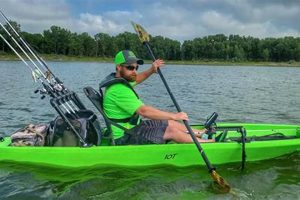
The sport of angling from a small, human-powered watercraft in the coastal waters surrounding Savannah, Georgia, offers a unique blend of recreation and engagement with nature. This activity allows close-up encounters with the regions diverse ecosystem, from the tranquil marshes to the open ocean. The shallow draft of these vessels grants access to areas unreachable by larger boats, creating opportunities to target a wide variety of fish species.
This style of fishing has gained popularity due to its affordability, accessibility, and environmentally friendly nature. It provides a low-impact way to experience the natural beauty of Savannah’s waterways while enjoying the challenge and reward of angling. Historically, small boats have been used for fishing in this region for centuries, but the modern iteration with specialized kayaks and equipment provides a new level of accessibility and enjoyment.
Exploring this topic further will cover key aspects such as popular fishing locations, target species, recommended equipment, safety considerations, and the relevant regulations for practicing this activity responsibly and sustainably in Savannah, Georgia.
Tips for Kayak Fishing in Savannah, Georgia
Successful angling from a kayak in Savannah’s waters requires preparation and adherence to best practices. The following tips offer guidance for a safe and productive experience.
Tip 1: Check the Tide Charts: Tidal flows significantly impact fishing conditions. Consulting tide charts before venturing out helps anglers determine optimal times for targeting specific species and navigating shallow areas.
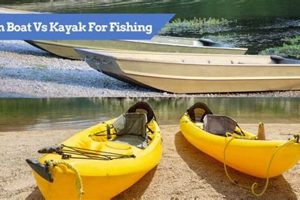
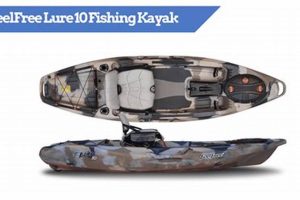
Tip 2: Choose the Right Kayak: Selecting a kayak appropriate for the intended fishing environment is crucial. Sit-on-top kayaks offer stability and ease of re-entry, while sit-inside kayaks provide better protection from the elements.
Tip 3: Pack Essential Gear: Essential equipment includes a personal flotation device, appropriate fishing tackle, a first-aid kit, communication devices, and navigation tools.
Tip 4: Be Aware of Weather Conditions: Monitoring weather forecasts before and during outings is crucial for safety. Sudden changes in weather can create hazardous conditions on the water.
Tip 5: Respect Wildlife and the Environment: Practicing catch-and-release fishing helps conserve fish populations. Proper disposal of fishing line and other waste minimizes environmental impact.
Tip 6: Familiarize oneself with Local Regulations: Understanding and adhering to local fishing regulations ensures a legal and ethical fishing experience.
Tip 7: Consider Guided Tours: Guided fishing tours offer valuable insights into local fishing spots and techniques, especially for those unfamiliar with the area.
By adhering to these tips, anglers can enhance their chances of a successful and enjoyable fishing trip while prioritizing safety and environmental responsibility.
These preparations contribute to a rewarding experience on Savannah’s waters.
1. Location Selection

Strategic location selection is paramount for successful kayak fishing in Savannah, Georgia. The diverse estuarine environment offers a range of habitats, each supporting different fish species and requiring specific angling techniques. Choosing the right location significantly impacts the overall fishing experience.
- Tidal Creeks and Rivers:
Tidal creeks and rivers, such as those found within the Skidaway Island State Park or the Little Tybee Island area, provide excellent opportunities for redfish, speckled trout, and flounder. These protected waterways offer calmer conditions ideal for kayak fishing, especially during higher tides when fish move into the flooded marsh grass. Understanding tidal flows and their influence on fish behavior is crucial for success in these locations.
- Inshore Islands and Sounds:
The waters surrounding Wassaw Island, Ossabaw Island, and other barrier islands offer access to larger game fish like sharks, tarpon, and cobia. These areas require more advanced kayaking skills due to potential exposure to wind, waves, and currents. Careful planning, including consideration of weather conditions and tide changes, is crucial for a safe and productive fishing trip.
- Salt Marshes and Flats:
The expansive salt marshes characteristic of the Savannah area offer prime habitat for redfish, particularly during flood tides. Navigating these shallow, often grassy areas requires a kayak with a shallow draft and the ability to pole or paddle quietly. Understanding the subtle signs of fish activity, such as tailing or wakes, is essential for success.
- Nearshore Reefs and Structures:
Artificial reefs and other nearshore structures attract a variety of species, including sheepshead, black drum, and snapper. These locations require precise boat handling due to potential currents and the need to position the kayak effectively near the structure. Specialized fishing techniques, such as bottom fishing or jigging, are often employed in these areas.
By carefully considering these diverse locations and their respective characteristics, anglers can maximize their chances of a successful kayak fishing trip in Savannah. Matching the chosen location with target species, tidal conditions, and personal kayaking skills is key to a rewarding experience. Understanding these interconnected elements enhances the enjoyment and productivity of angling in this rich coastal environment.
2. Tidal Influences

Tidal fluctuations significantly impact kayak fishing success in Savannah, Georgia. Understanding tidal currents, water levels, and their effects on fish behavior is crucial for optimizing fishing strategies and ensuring a safe and productive experience. The interplay of tides shapes the accessibility of fishing grounds and influences the feeding patterns of target species.
- Current Strength and Direction
Tidal currents dictate the movement of baitfish and, consequently, the predatory fish that pursue them. Strong incoming tides often bring baitfish into shallower areas, creating feeding opportunities for species like redfish and speckled trout. Outgoing tides can concentrate fish near creek mouths or inlets as they move back to deeper water. Anglers must consider current strength when selecting fishing locations and techniques, adjusting their approach based on the flow. For instance, drifting with the current allows for natural bait presentation, while anchoring upcurrent of structure can intercept migrating fish.
- Water Depth and Accessibility
Tidal variations dramatically alter water depths, particularly in shallow coastal marshes and flats. High tides grant access to areas otherwise unreachable by kayak, allowing anglers to explore the flooded marsh grass where fish seek refuge and forage. Low tides, conversely, can restrict access and concentrate fish in deeper channels or pools. Knowledge of tidal stages is essential for navigating safely and efficiently while maximizing access to prime fishing spots. Failing to account for tidal changes can lead to grounding or difficulty maneuvering the kayak.
- Fish Behavior and Feeding Patterns
Fish activity and feeding patterns are closely linked to tidal cycles. Many species, including redfish and flounder, become more active during periods of moving water, using the current to ambush prey. Understanding these feeding windows allows anglers to time their fishing trips for optimal results. For example, fishing during the first few hours of a rising or falling tide can be particularly productive. Slack tide, the period between tidal changes, often results in reduced fish activity.
- Safety Considerations
Tidal currents can create hazardous conditions for kayakers, especially in narrow channels or near inlets. Strong outgoing tides combined with wind can generate significant chop and increase the risk of capsizing. Anglers should always check tide charts and weather forecasts before venturing out and avoid areas with swift currents during adverse conditions. Understanding how tides affect navigation is crucial for a safe return, particularly in areas with shifting sandbars or shallows.
By carefully considering these tidal influences, kayak anglers in Savannah can significantly enhance their fishing success and overall experience. Understanding the dynamic relationship between tides and fish behavior allows for more strategic fishing and contributes to a safer and more rewarding time on the water. Integrating this knowledge with location selection and technique optimization is key to maximizing the potential of kayak fishing in this rich coastal ecosystem.
3. Kayak Choice
Kayak selection significantly impacts the effectiveness and enjoyment of kayak fishing in Savannah, Georgia. The diverse waterways around Savannah, ranging from calm tidal creeks to open ocean waters, necessitate careful consideration of kayak characteristics. Choosing the right vessel enhances stability, maneuverability, and overall fishing performance. An inappropriate kayak choice can compromise safety and limit access to prime fishing locations.
Several factors influence appropriate kayak selection. Stability is paramount, especially when casting, landing fish, or navigating choppy waters. Wider, flatter-bottomed kayaks generally offer greater stability. Maneuverability is crucial for navigating tight creeks, shallow flats, and areas with strong currents. Shorter kayaks with pronounced keels turn more easily. Storage capacity is essential for carrying fishing gear, tackle, and safety equipment. Kayaks with built-in rod holders, tackle storage compartments, and dry hatches offer enhanced convenience and organization. Finally, propulsion type impacts both speed and effort. Paddle kayaks provide a quiet, stealthy approach, while pedal-powered kayaks allow hands-free fishing and cover greater distances with less physical exertion.
For example, a stable sit-on-top kayak with ample storage is well-suited for fishing the calm waters of the Skidaway Narrows. Its stability enhances casting and retrieval, while the storage space accommodates tackle and safety gear. Conversely, a longer, more maneuverable sit-inside kayak might be preferred for navigating the open waters around the barrier islands, offering better tracking and protection from wind and waves. Matching the kayak’s characteristics to the specific fishing environment is key to a successful and enjoyable experience. Failure to select an appropriate vessel can lead to instability, difficulty maneuvering in challenging conditions, and limited access to productive fishing areas. Careful consideration of these factors ensures both safety and maximizes fishing opportunities within the diverse waterways of Savannah, Georgia.
4. Essential Gear

Appropriate gear is essential for a safe and productive kayak fishing experience in Savannah, Georgia. The coastal environment presents unique challenges and opportunities, necessitating specific equipment choices. Careful consideration of these factors contributes significantly to angler safety, comfort, and fishing success. Overlooking essential gear can compromise the trip and potentially lead to hazardous situations.
Safety Equipment: A personal flotation device (PFD) is paramount for all kayak anglers, regardless of skill level. Unexpected events, such as capsizing or encountering strong currents, underscore the importance of this life-saving device. A whistle and signaling mirror are crucial for attracting attention in emergencies. A first-aid kit equipped to handle common injuries, including cuts, hooks, and sunburns, should be readily accessible. Navigation tools, including a waterproof chart, GPS device, and compass, are vital for orientation, especially in unfamiliar waters or during changing weather conditions. A communication device, such as a VHF radio or waterproof cell phone, enables contact with emergency services or shore support if needed. Carrying a bilge pump and paddle float assists with recovery in the event of capsize.
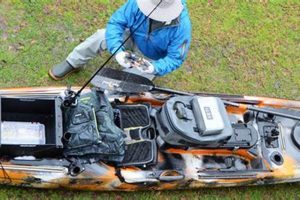
Fishing Gear: Rod and reel selection depends on target species and fishing techniques. Lighter tackle suits inshore species like redfish and speckled trout, while heavier gear is necessary for larger game fish found offshore. A selection of lures and baits appropriate for local species is essential. Tackle storage solutions, such as tackle boxes and trays, help maintain organization and prevent tangling. Landing nets and grips assist with safely bringing fish onboard. A cutting tool, like pliers or scissors, aids in removing hooks and cutting lines. Rod holders mounted on the kayak provide convenient storage and allow for hands-free paddling. Finally, an anchor or stake-out pole allows anglers to maintain position in desired fishing spots, particularly in current-prone areas.
Other Essentials: Appropriate clothing, including sun-protective attire, a hat, and polarized sunglasses, enhances comfort and protects against the elements. Dry bags or waterproof containers safeguard electronic devices, wallets, and other valuables from water damage. Adequate hydration is crucial, especially during warmer months, so carrying plenty of water or other hydrating beverages is essential. A cooler with ice preserves the catch and keeps food and drinks cold. A camera allows for capturing memorable moments and documenting catches. Finally, sunscreen and insect repellent protect against sunburn and insect bites, contributing to a more comfortable experience.
Careful consideration of these essential gear items contributes significantly to a safe, comfortable, and productive kayak fishing experience in Savannah, Georgia. Preparation for potential challenges ensures a positive and rewarding time on the water, allowing anglers to focus on enjoying the sport and the unique coastal environment. Prioritizing safety and functionality in gear selection enhances the overall experience and minimizes potential risks.
5. Safety Precautions

Safety is paramount when kayak fishing in Savannah, Georgia. The coastal environment presents inherent risks, including changing weather conditions, strong currents, and navigation hazards. Implementing appropriate safety precautions is crucial for mitigating these risks and ensuring a positive experience. Neglecting safety protocols can lead to serious incidents, compromising both personal well-being and the enjoyment of the activity.
- Weather Awareness
Coastal weather patterns in Savannah can change rapidly. Checking marine weather forecasts before embarking and continuously monitoring conditions during the trip are crucial. Sudden storms, strong winds, and lightning pose significant threats to kayakers. Having a plan for seeking shelter or returning to shore quickly is essential. Ignoring weather warnings can lead to dangerous situations, including capsizing or being caught far from shore in adverse conditions.
- Navigation Hazards
Savannah’s waterways contain numerous navigation hazards, including shallow areas, oyster beds, submerged debris, and strong currents. Understanding tidal flows and using navigational charts, GPS devices, and local knowledge are essential for avoiding these hazards. Collisions with submerged objects can damage the kayak and cause injury. Strong currents, particularly around inlets and during tidal changes, can quickly sweep kayakers into dangerous situations. Proper planning and awareness are crucial for safe navigation.
- Personal Flotation Devices (PFDs)
Wearing a properly fitted PFD is a non-negotiable safety precaution. Even strong swimmers can become incapacitated due to cold water, injury, or entanglement. A PFD provides essential buoyancy, increasing the chances of survival in the event of capsizing or falling overboard. Choosing a comfortable and appropriately sized PFD ensures it will be worn consistently throughout the fishing trip.
- Communication and Emergency Preparedness
Carrying a reliable communication device, such as a VHF radio or waterproof cell phone, allows for contacting emergency services or shore support if needed. Informing someone of the planned fishing route and estimated return time is crucial in case of an unforeseen event. Carrying a signaling device, like a whistle or flare, can attract attention in emergency situations. A well-stocked first-aid kit, including essential medications and supplies, is also important. Preparedness for potential emergencies is key to a safe and responsible kayak fishing experience.
Prioritizing these safety precautions significantly reduces the risks associated with kayak fishing in Savannah, Georgia. Careful planning, awareness of potential hazards, and appropriate equipment contribute to a safer and more enjoyable experience. By adhering to these guidelines, anglers can focus on the sport and appreciate the natural beauty of the coastal environment while minimizing the potential for accidents or injuries. Safety consciousness enhances the overall experience, allowing for a more rewarding and worry-free time on the water.
6. Target Species
Targeting specific fish species is a central aspect of kayak fishing in Savannah, Georgia. The diverse estuarine and nearshore environments support a rich variety of game fish, each with unique behavioral patterns and habitat preferences. Understanding these nuances allows anglers to select appropriate gear, techniques, and locations, maximizing their chances of a successful and rewarding fishing experience. Effective species targeting enhances the overall enjoyment and contributes to responsible angling practices.
- Redfish (Red Drum)
Redfish are a popular target species due to their abundance, fighting spirit, and accessibility from a kayak. They inhabit shallow grassy flats, tidal creeks, and oyster bars, making them ideal for kayak anglers. Techniques for targeting redfish include sight-fishing with artificial lures or live bait, as well as drifting or anchoring in areas with known redfish activity. Their distinctive bronze coloration and black spot near the tail make them readily identifiable. Understanding their feeding habits and preferred habitats is key to successful redfish angling.
- Spotted Seatrout (Speckled Trout)
Spotted seatrout, another prized game fish, are found in similar habitats to redfish, often sharing the same waters. They are ambush predators, preferring areas with structure, such as grass beds, oyster reefs, and docks. Effective techniques for targeting trout include using topwater lures, soft plastics, or live shrimp under a popping cork. Their aggressive strikes and acrobatic fights make them a thrilling target for kayak anglers. Knowledge of their feeding patterns and preferred locations enhances success rates.
- Flounder (Southern Flounder)
Flounder, known for their camouflage and bottom-dwelling habits, present a unique angling challenge. They inhabit sandy or muddy bottoms, often lying partially buried, waiting to ambush prey. Effective techniques include drifting live bait or slowly retrieving jigs or soft plastics along the bottom. Patience and a keen eye for subtle movements are essential for spotting flounder. Their unique flat body shape and ability to change color to match their surroundings make them masters of disguise.
- Other Species
Beyond these primary targets, kayak anglers in Savannah can pursue a variety of other species, including black drum, sheepshead, tarpon, sharks, and tripletail, depending on the season and location. Each species requires specific techniques and gear, offering diverse angling opportunities. Exploring different areas and employing varied approaches expands the potential for exciting encounters and broadens the overall fishing experience. The diversity of available species contributes to the richness and appeal of kayak fishing in this region.
The diverse range of target species available to kayak anglers in Savannah, Georgia, contributes significantly to the appeal of this activity. Matching fishing techniques and location selection to the specific target species enhances the chances of success and provides a more rewarding experience. Understanding the behavior, habitat preferences, and seasonal patterns of these fish is crucial for maximizing angling opportunities within the dynamic coastal ecosystem. This knowledge empowers anglers to target their desired species effectively and responsibly, contributing to the overall enjoyment and sustainability of kayak fishing in Savannah.
7. Local Regulations
Adhering to local regulations is essential for responsible and legal kayak fishing in Savannah, Georgia. These regulations aim to conserve fish populations, protect sensitive habitats, and ensure sustainable fishing practices for future generations. Understanding and complying with these rules is crucial for all anglers, regardless of experience level. Ignoring regulations can result in penalties, damage to the ecosystem, and jeopardize the long-term health of the fishery.
- Fishing Licenses and Permits
Obtaining the appropriate fishing license and any required permits is a fundamental requirement. Licenses are typically available through the Georgia Department of Natural Resources (GDNR) website or authorized vendors. Different license types exist, such as resident, non-resident, and saltwater shoreline licenses, each with specific eligibility criteria and associated fees. Anglers must possess the correct license for their residency status and intended fishing activity. Failure to do so can result in fines and legal repercussions.
- Size and Catch Limits
Regulations dictate minimum sizes and daily catch limits for various species. These restrictions aim to protect juvenile fish and maintain healthy breeding populations. Anglers must familiarize themselves with the specific size and catch limits for their target species and accurately measure and count their catch. Exceeding these limits can result in penalties and negatively impact the sustainability of the fishery. Information on current regulations is available through the GDNR website and publications.
- Closed Seasons and Restricted Areas
Certain species have closed seasons during spawning periods or other vulnerable times. Fishing for these species during closed seasons is prohibited. Additionally, some areas may be designated as protected habitats or sanctuaries where fishing is restricted or prohibited entirely. Respecting these closures and restrictions is crucial for safeguarding sensitive ecosystems and preserving fish populations. Information on closed seasons and restricted areas is available through official GDNR resources.
- Gear Restrictions
Regulations may restrict certain types of fishing gear or methods in specific areas or for specific species. For example, the use of gill nets or certain types of traps may be prohibited. Anglers must familiarize themselves with any gear restrictions applicable to their chosen fishing location and target species. Using prohibited gear can result in penalties and damage to the environment. Staying informed about current regulations ensures compliance and responsible fishing practices.
By understanding and adhering to these local regulations, kayak anglers contribute to the long-term health and sustainability of Savannah’s valuable fishery. Compliance ensures the continued enjoyment of this recreational activity for future generations. Responsible angling practices benefit both the environment and the angling community, preserving the ecological balance and ensuring the future of kayak fishing in Savannah, Georgia. Ignoring regulations not only risks penalties but also undermines the collective effort to maintain a healthy and thriving ecosystem.
Frequently Asked Questions
This section addresses common inquiries regarding kayak fishing in Savannah, Georgia. The information provided aims to clarify potential uncertainties and provide practical guidance for anglers.
Question 1: What are the prime locations for kayak fishing near Savannah?
The Skidaway Narrows, Little Tybee Island, and the waters surrounding the barrier islands (Wassaw, Ossabaw) are popular choices, each offering distinct fishing opportunities. Specific location choices should align with target species and angler experience levels.
Question 2: What type of kayak is recommended for fishing in Savannah?
Sit-on-top kayaks are generally preferred for their stability and ease of use, particularly for beginners. Longer, sit-inside kayaks might be suitable for experienced anglers seeking enhanced speed and tracking in open waters.
Question 3: What essential gear is needed for a safe and productive trip?
Essential gear includes a personal flotation device (PFD), appropriate fishing tackle, a first-aid kit, navigation tools (chart, GPS), communication device (VHF radio or cell phone), and signaling devices (whistle, mirror). Appropriate clothing, sun protection, and hydration supplies are also crucial.
Question 4: What are the primary target species for kayak anglers in Savannah?
Redfish, spotted seatrout, and flounder are popular targets. Other species, including black drum, sheepshead, sharks, and tarpon, can also be pursued depending on location and season.
Question 5: Are there specific regulations anglers must follow?
Anglers must possess a valid Georgia fishing license and adhere to all size and catch limits, closed seasons, and gear restrictions. Regulations are subject to change; therefore, checking current guidelines on the Georgia Department of Natural Resources website is essential.
Question 6: Are guided kayak fishing tours available in Savannah?
Several local outfitters offer guided kayak fishing tours, providing expert guidance, equipment, and access to productive fishing spots. Guided tours are particularly beneficial for newcomers to the area or those seeking specialized instruction.
Careful consideration of these frequently asked questions, combined with thorough planning and preparation, significantly enhances the likelihood of a safe, enjoyable, and productive kayak fishing experience in Savannah, Georgia. Prioritizing safety and adhering to local regulations are crucial for all anglers.
For further detailed information and resources, consult the Georgia Department of Natural Resources website and local fishing guides.
Kayak Fishing Savannah GA
This exploration of kayak fishing in Savannah, Georgia, has highlighted the unique blend of challenges and rewards inherent in this activity. From navigating tidal influences and selecting appropriate gear to understanding target species and adhering to local regulations, successful kayak angling requires careful planning and execution. The diverse ecosystem surrounding Savannah offers a rich tapestry of fishing opportunities, from the tranquil marshes to the open ocean, each demanding specific approaches and considerations.
The future of kayak fishing in Savannah rests on the continued practice of responsible angling. Respect for the environment, adherence to regulations, and a commitment to conservation ensure the sustainability of this valuable resource for generations to come. Through informed decision-making and a mindful approach, anglers can contribute to the preservation of this unique coastal ecosystem while experiencing the profound connection with nature that kayak fishing provides.