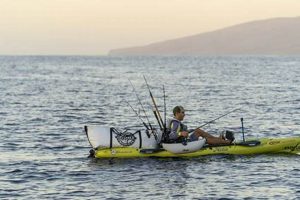
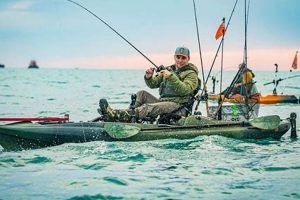
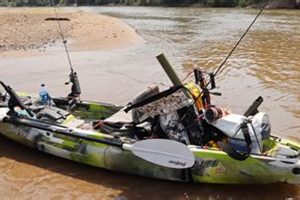
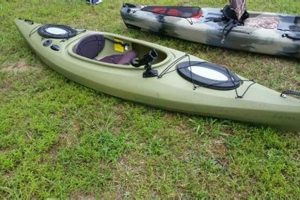
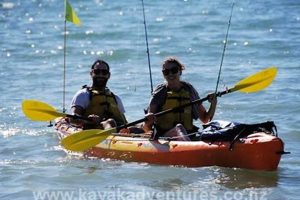
This pursuit involves angling for snook, a prized game fish, from a small, human-powered vessel. A specialized watercraft provides anglers with access to shallow-water habitats favored by these elusive predators, offering a stealthy approach and maneuverability in tight spaces such as mangroves and flats. This method allows for precision casting and intimate engagement with the natural environment.
The combination of sport, accessibility, and environmental consciousness makes this form of fishing increasingly popular. It allows anglers to explore otherwise inaccessible areas, minimizing disturbance to the ecosystem compared to larger, motorized boats. Historically, small boats and canoes have been employed for fishing in shallow waters, but the advent of modern, purpose-built kayaks designed for stability, storage, and specialized features has revolutionized this approach. This method provides an engaging and challenging way to connect with nature while pursuing a thrilling sport.
This article will delve deeper into various aspects of this specialized fishing style, including recommended equipment, suitable locations, effective techniques, and relevant conservation practices.
Tips for Successful Snook Angling from a Kayak
Optimal preparation and technique are crucial for a productive and enjoyable experience targeting snook from a kayak. The following tips offer valuable insights for anglers of all skill levels.
Tip 1: Choose the Right Kayak: Kayak selection significantly impacts stability and maneuverability. A sit-on-top design offers superior stability and ease of re-entry in the event of a capsize. Consider models specifically designed for fishing, often equipped with rod holders, storage compartments, and anchor trolleys.
Tip 2: Utilize Stealth and Observation: Snook are easily spooked. Approach fishing areas quietly, minimizing paddle splashes and noise. Observe the water carefully for signs of baitfish activity or snook themselves.
Tip 3: Master Shallow-Water Techniques: Employ techniques like poling or paddling quietly with a double-bladed paddle to navigate shallow flats and mangrove areas effectively. These methods minimize disturbance and maximize stealth.
Tip 4: Select Appropriate Tackle and Lures: Opt for light to medium tackle suitable for the size of snook targeted. Effective lures often mimic the local baitfish, including jigs, plugs, and live bait. Consider fluorocarbon leaders for their low visibility.
Tip 5: Understand Tides and Currents: Tidal movements significantly influence snook behavior and feeding patterns. Plan fishing trips around optimal tide stages, such as incoming or outgoing tides, when water movement concentrates baitfish and attracts snook.
Tip 6: Practice Proper Catch and Release Techniques: Snook are a valuable resource. Handle them carefully, minimizing air exposure and using appropriate tools for hook removal. Revive exhausted fish before releasing them to ensure their survival.
Tip 7: Prioritize Safety: Wear a personal flotation device (PFD) at all times. Carry essential safety equipment, including a whistle, signaling device, and first-aid kit. Inform someone of your fishing plans, including your intended location and return time.
By adhering to these guidelines, anglers can increase their chances of success while contributing to the conservation of this prized species. Effective planning and execution contribute not only to a successful fishing trip but also to a responsible and enjoyable experience on the water.
This knowledge forms a solid foundation for a successful and rewarding snook fishing experience from a kayak. The subsequent section will explore specific techniques for locating and enticing these elusive fish.
1. Kayak Selection

Kayak selection plays a pivotal role in successful snook angling. The chosen vessel directly impacts an angler’s ability to navigate shallow-water environments, approach fish stealthily, and manage fishing gear effectively. A stable platform is crucial for sight fishing and accurate casting, while maneuverability is essential for navigating tight spaces within mangrove forests and shallow flats. For instance, a shorter, wider kayak offers superior stability for stand-up fishing, but sacrifices some maneuverability compared to a longer, narrower design. Conversely, a longer, narrower kayak excels in tracking and covering distance but may be less stable, particularly in choppy conditions.
Matching kayak features to the specific fishing environment is paramount. In calm, open flats, a pedal-driven kayak allows for hands-free fishing and precise positioning. However, in tight mangrove tunnels or areas with submerged obstacles, a paddle kayak offers superior maneuverability. Consideration should also be given to features like rod holders, storage compartments, and anchor systems, which enhance fishing efficiency and organization. For example, recessed rod holders protect rods during transport and allow for quick access, while a well-placed anchor trolley system facilitates controlled drift fishing along shorelines and channels.
Selecting the appropriate kayak directly influences fishing success and overall enjoyment. Careful consideration of stability, maneuverability, and specialized features optimizes performance in the targeted environment. Understanding the nuances of various kayak designs empowers anglers to make informed decisions based on their specific needs and the demands of snook fishing habitats. This informed approach ultimately contributes to a more productive and rewarding angling experience.
2. Targeted Location

Targeted location selection is paramount in snook fishing from a kayak. Snook exhibit specific habitat preferences, and understanding these preferences directly influences angling success. These fish are often found in shallow, nearshore waters, including mangrove shorelines, grassy flats, and oyster bars. The kayak’s unique ability to access these shallow, often inaccessible areas provides a distinct advantage. For example, navigating the intricate channels within mangrove forests, where snook ambush prey, requires the maneuverability of a kayak. Similarly, silently approaching shallow flats where snook feed on crustaceans and baitfish necessitates the stealth offered by this small vessel. Targeting specific structures within these habitats, such as downed trees, docks, or rock formations, further refines location selection and increases the likelihood of encountering snook.
The interplay between targeted location and kayak selection is crucial. While a stable kayak is generally preferred for sight fishing in open flats, a shorter, more maneuverable kayak excels in navigating tight mangrove tunnels. For instance, in Florida’s Everglades National Park, anglers often choose kayaks designed for stability and shallow drafts to access backcountry areas teeming with snook. Conversely, fishing around bridge pilings or docks might favor a kayak with enhanced maneuverability for precise casting in confined spaces. Understanding these nuances allows anglers to tailor their approach and maximize their chances of success based on the specific characteristics of the chosen location.
Effective location targeting is thus integral to successful snook fishing from a kayak. It necessitates understanding snook behavior and habitat preferences while considering the kayak’s capabilities to access and navigate these areas effectively. This knowledge enables anglers to optimize their efforts, leading to a more productive and rewarding fishing experience. The subsequent discussion will delve into the essential gear required for this specialized fishing approach, further enhancing the angler’s preparedness and potential for success.
3. Essential Gear

Specialized equipment plays a crucial role in successful snook fishing from a kayak. Proper gear selection enhances angling effectiveness, improves safety, and contributes to a more enjoyable experience. The following essential gear components warrant careful consideration.
- Rods and Reels:
Rod and reel combinations should balance strength and sensitivity. Medium-light to medium-heavy spinning or baitcasting setups are generally suitable for snook fishing. A rod with sufficient backbone allows for casting heavier lures and battling strong fish, while sensitivity facilitates detecting subtle bites. Reels should be durable, corrosion-resistant, and spooled with appropriate line, typically braided line with a fluorocarbon leader. For example, a 7-foot medium-heavy spinning rod paired with a 4000-size spinning reel provides a versatile setup for a range of snook fishing scenarios.
- Tackle and Lures:
Tackle selection depends on the specific fishing techniques employed. Live bait, such as shrimp or pilchards, is often effective, requiring hooks, weights, and bobbers. Artificial lures, including jigs, plugs, and soft plastics, offer versatility and mimic common snook prey. Fluorocarbon leaders are crucial due to their low visibility in clear water. For instance, a jig tipped with a shrimp can be highly effective near structures, while a topwater plug can entice strikes in shallow flats.
- Safety Equipment:
Safety is paramount in kayak fishing. A personal flotation device (PFD) is essential and should be worn at all times. Additional safety gear includes a whistle, signaling device, first-aid kit, and a communication device such as a VHF radio or waterproof cell phone. A paddle leash prevents losing the paddle in the event of a capsize. These items contribute to a safe and prepared outing, crucial in remote or challenging environments.
- Kayak Accessories:
Specialized kayak accessories enhance fishing efficiency. An anchor system, such as an anchor trolley, allows for controlled drifting and positioning in desired locations. Rod holders secure rods and facilitate easy access. A fish finder aids in locating fish and identifying underwater structures. Storage compartments keep tackle organized and readily available. These accessories contribute to a more streamlined and productive fishing experience.
Careful selection and utilization of essential gear directly contribute to successful snook fishing from a kayak. Each component plays a vital role in enhancing angling effectiveness, ensuring safety, and optimizing the overall experience. The interplay between these elements empowers anglers to confidently pursue snook in their natural habitat while prioritizing preparedness and responsible angling practices.
4. Fishing Techniques
Effective fishing techniques are essential for successful snook angling from a kayak. The confined nature of a kayak and the shallow-water environments typically targeted necessitate specialized approaches. These techniques leverage the kayak’s stealth and maneuverability to maximize angling success while minimizing disturbance to the fish and their habitat. Understanding and applying these techniques is crucial for a productive and rewarding fishing experience.
- Drift Fishing:
Drift fishing involves allowing the kayak to drift naturally with the current or wind, presenting bait or lures to cover a wider area. This technique is particularly effective along shorelines, channels, and over flats where snook patrol for prey. Using an anchor trolley system provides control over drift speed and positioning. For instance, drifting a live shrimp along a mangrove edge during an outgoing tide can yield excellent results.
- Sight Fishing:
Sight fishing requires keen observation and precise casting. The angler visually locates snook in shallow water and casts a lure or bait ahead of the fish’s path. This technique demands accurate casting and a stealthy approach to avoid spooking the fish. Polarized sunglasses are essential for reducing glare and enhancing visibility in shallow water. For example, sight fishing for snook tailing in shallow flats during a high tide presents a challenging but rewarding opportunity.
- Structure Fishing:
Structure fishing focuses on targeting areas where snook are likely to ambush prey, such as docks, mangroves, rock formations, or downed trees. Anglers present lures or bait close to these structures, enticing snook to strike. This technique requires precise boat control and accurate casting to place the lure in the strike zone. For instance, casting a jig near submerged mangrove roots or dock pilings can be a highly productive technique.
- Topwater Fishing:
Topwater fishing employs lures designed to create surface disturbance, mimicking the action of fleeing baitfish. This technique is particularly effective during low-light conditions or when snook are actively feeding on the surface. The explosive strikes elicited by topwater lures provide an exhilarating angling experience. For example, using a walk-the-dog style topwater lure across a shallow flat at dawn or dusk can trigger aggressive strikes from snook.
These specialized fishing techniques, tailored to the unique characteristics of snook and the advantages offered by kayaks, are essential for maximizing angling success. Selecting and adapting these techniques based on environmental conditions, snook behavior, and targeted location significantly enhances the likelihood of a productive and enjoyable fishing trip. By understanding and applying these principles, anglers can elevate their snook fishing kayak experience to a new level of proficiency and enjoyment.
5. Safety Precautions

Safety precautions are paramount in snook fishing from a kayak. The environment presents inherent risks, and the angler’s isolated position necessitates careful planning and preparation. Ignoring safety protocols can lead to serious consequences, jeopardizing not only the fishing trip but also the angler’s well-being. A comprehensive understanding of potential hazards and appropriate safety measures is crucial for a responsible and enjoyable experience.
- Personal Flotation Devices (PFDs):
A PFD is the single most important piece of safety equipment. It provides buoyancy in the event of a capsize, significantly increasing the chances of survival. PFDs designed specifically for paddling offer comfort and freedom of movement while fishing. State and local regulations often mandate PFD usage, and even when not required, wearing one is a fundamental safety practice. Selecting a properly fitted and U.S. Coast Guard-approved PFD is crucial. For example, inflatable PFDs offer increased comfort but require regular maintenance and inspection.
- Communication Devices:
Maintaining communication is essential for summoning assistance in emergencies. A waterproof cell phone or a VHF radio allows contact with emergency services or shore-based contacts. Sharing float plans with a trusted individual, including intended fishing locations and estimated return times, adds another layer of safety. Regular communication updates can alert others to potential problems. For example, notifying a friend of a delayed return due to changing weather conditions can prevent unnecessary search and rescue efforts.
- Weather Awareness:
Checking weather forecasts before embarking on a fishing trip is crucial. Sudden changes in weather, especially strong winds or thunderstorms, can create hazardous conditions on the water. Monitoring weather conditions throughout the trip allows for timely adjustments to plans. For instance, being aware of approaching storms allows anglers to seek shelter or return to shore before conditions deteriorate. Having a backup plan, such as an alternate landing site or a designated safe haven, is essential.
- Navigation and Lighting:
Carrying navigational aids, such as a compass, GPS device, or nautical charts, helps maintain orientation, especially in unfamiliar waters or during low visibility conditions. Navigation lights are essential for fishing during low-light hours or in foggy conditions, enhancing visibility to other boaters and preventing collisions. Familiarizing oneself with local boating regulations and navigational markers is crucial for safe navigation. For example, understanding channel markers and restricted areas helps prevent grounding or collisions.
These safety precautions are inextricably linked to responsible snook fishing from a kayak. Adhering to these practices not only safeguards the angler’s well-being but also contributes to a more enjoyable and productive fishing experience. By prioritizing safety, anglers can fully appreciate the rewards of this unique angling pursuit while mitigating potential risks associated with the environment and the activity itself.
Frequently Asked Questions
This section addresses common inquiries regarding snook fishing from a kayak, providing concise and informative responses to enhance understanding and facilitate informed decision-making.
Question 1: What type of kayak is best suited for snook fishing?
Kayak selection depends on the specific fishing environment. Stable, sit-on-top kayaks are generally preferred for their stability and ease of re-entry. Shorter kayaks offer enhanced maneuverability in tight spaces like mangroves, while longer kayaks provide better tracking in open water. Pedal-driven kayaks allow hands-free fishing, while paddle kayaks offer greater versatility in shallow or obstructed areas.
Question 2: What is the best time of year to fish for snook from a kayak?
Snook can be caught year-round in many areas, but peak seasons vary depending on location. Warmer months generally offer better fishing opportunities, with spring and fall transitions often providing optimal conditions. Local fishing regulations and seasonal closures should always be consulted.
Question 3: What essential gear is needed for snook fishing from a kayak?
Essential gear includes a suitable kayak, paddle or pedals, appropriate rods and reels spooled with braided line and fluorocarbon leader, a selection of lures or live bait, a personal flotation device (PFD), safety equipment (whistle, signaling device, first-aid kit), and navigational aids (GPS, compass, charts). Kayak-specific accessories, such as an anchor trolley and rod holders, further enhance fishing efficiency.
Question 4: What are the most effective fishing techniques for snook from a kayak?
Effective techniques include drift fishing along shorelines and channels, sight fishing in shallow flats, structure fishing around docks and mangroves, and topwater fishing during low-light conditions or when snook are actively surface feeding. Adapting techniques to prevailing conditions and snook behavior is crucial for success.
Question 5: Are there any specific regulations regarding snook fishing?
Snook fishing regulations vary by location and often include size limits, bag limits, and seasonal closures. Consulting local fishing regulations before fishing is essential for compliance and conservation efforts. Up-to-date information can typically be found on local fish and wildlife agency websites.
Question 6: What safety precautions should be taken when kayak fishing for snook?
Essential safety precautions include always wearing a PFD, carrying communication devices (VHF radio or waterproof cell phone), checking weather forecasts before and during trips, informing someone of fishing plans, including location and return time, carrying navigation lights if fishing in low-light conditions, and being aware of tidal changes and currents.
Addressing these common questions provides valuable insights into various aspects of snook fishing from a kayak. This knowledge promotes a safer, more productive, and enjoyable angling experience while emphasizing responsible fishing practices and adherence to regulations.
This concludes the FAQ section. The following section will provide a comprehensive guide to choosing the right kayak for snook fishing, taking into account various factors such as hull design, propulsion systems, and specialized features.
Conclusion
This exploration of snook fishing from a kayak has highlighted the synergy between angler, equipment, and environment. Effective pursuit of this prized game fish necessitates careful consideration of kayak selection, targeted location, essential gear, appropriate fishing techniques, and, crucially, adherence to safety precautions. Understanding snook behavior and habitat preferences, coupled with informed decision-making regarding equipment and techniques, significantly enhances angling success while minimizing environmental impact. The specialized nature of this pursuit underscores the importance of preparedness, adaptability, and a commitment to conservation.
The future of this exhilarating sport rests on responsible angling practices and a continued appreciation for the delicate balance within these unique ecosystems. Anglers are encouraged to actively participate in conservation efforts, ensuring the sustainability of snook populations and the preservation of their natural habitats for generations to come. Through informed choices and a commitment to responsible angling, the pursuit of snook from a kayak can remain a rewarding and sustainable activity, fostering a deeper connection between angler and environment.