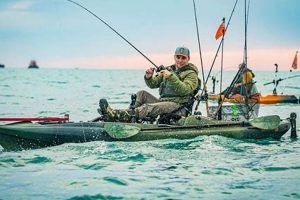
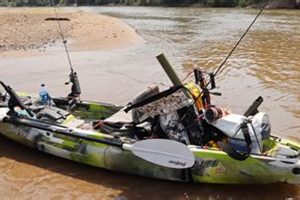
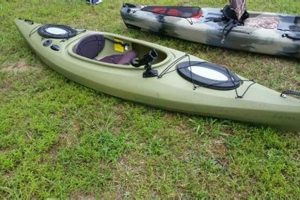
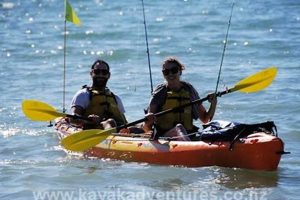
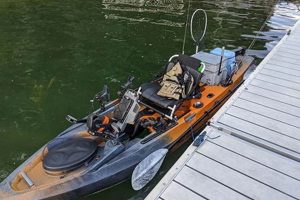
A facilitator of ocean fishing excursions using kayaks in Maui offers expertise in local waters, fish species, and angling techniques. This service typically includes providing necessary equipment like kayaks, paddles, fishing rods, and safety gear, as well as instruction and guidance on paddling techniques, fishing regulations, and responsible angling practices. Examples might involve trolling for pelagic fish, bottom fishing for reef dwellers, or targeting specific species depending on season and client preference.
Engaging such expertise provides several advantages. It enhances safety by offering guidance in navigating potentially challenging ocean conditions and ensuring compliance with local regulations. It increases the likelihood of a successful fishing experience by leveraging local knowledge of fish behavior, habitats, and effective techniques. Furthermore, it contributes to sustainable fishing practices through education and responsible catch-and-release protocols. Historically, fishing has been integral to Hawaiian culture, and these services offer a contemporary approach to experiencing this tradition, respecting both the environment and cultural heritage.
The following sections will explore various aspects of this specialized service in greater detail, including choosing the right provider, understanding local regulations, identifying target species, and maximizing the chances of a memorable fishing experience in Maui’s waters.
Tips for Kayak Fishing in Maui
Successful kayak fishing excursions require preparation and adherence to best practices. The following tips provide valuable insights for anglers seeking to maximize their experience in Maui’s waters.
Tip 1: Sun Protection is Crucial: The Hawaiian sun can be intense. Protective measures such as applying high-SPF sunscreen, wearing a wide-brimmed hat, and utilizing polarized sunglasses are essential.
Tip 2: Hydration is Key: Bring ample water. Physical exertion combined with the tropical climate necessitates consistent hydration throughout the fishing trip.
Tip 3: Understand Local Regulations: Familiarize oneself with current fishing regulations, including size and bag limits, permitted fishing areas, and any seasonal closures. This knowledge ensures compliance and contributes to sustainable fishing practices.
Tip 4: Respect Marine Life: Practice catch-and-release techniques whenever possible. Handle fish gently and minimize their time out of the water to promote their well-being.
Tip 5: Pack Light, Pack Smart: Storage space on a kayak is limited. Prioritize essential gear and avoid bringing unnecessary items that could clutter the kayak or add excessive weight.
Tip 6: Be Aware of Ocean Conditions: Check weather forecasts and sea conditions before embarking on a fishing trip. Be prepared for changing conditions and understand potential hazards like currents, winds, and swells.
Tip 7: Choose the Right Gear: Select fishing tackle appropriate for target species. Local outfitters or experienced guides can provide valuable recommendations on rod, reel, line, and lure selection.
Adhering to these guidelines enhances safety, respects the environment, and increases the likelihood of a productive and enjoyable fishing experience.
By following these practical tips, anglers can focus on the thrill of the catch while ensuring a safe and responsible approach to kayak fishing in Maui’s beautiful waters. The final section offers concluding remarks and encourages exploration of Maui’s unique angling opportunities.
1. Local Expertise

Effective kayak fishing in Maui relies heavily on local expertise. A guide possessing this knowledge offers a significant advantage, transforming a simple fishing trip into an immersive experience. This expertise encompasses a range of crucial elements that contribute to both fishing success and overall enjoyment.
- Intimate Knowledge of Fishing Grounds
Guides intimately familiar with Maui’s waters understand the nuances of various fishing locations. They possess knowledge of reefs, underwater structures, and migratory patterns, allowing them to pinpoint optimal spots for specific target species. This targeted approach maximizes fishing opportunities and minimizes wasted time searching unproductive areas. For example, a guide might know the precise location of a submerged rock formation that attracts schools of yellowfin tuna during a particular season.
- Understanding of Species Behavior
Local expertise extends beyond simply knowing where fish congregate. Experienced guides understand the behavioral patterns of different species, including their feeding habits, preferred baits, and responses to varying environmental conditions. This knowledge allows for tailored fishing techniques, increasing the likelihood of successful catches. For instance, a guide might understand the optimal drift fishing technique for targeting ulua based on tidal currents and prevailing winds.
- Navigational Proficiency and Safety
Navigating Maui’s coastal waters requires more than just basic kayaking skills. Local guides understand the subtleties of currents, tides, wind patterns, and potential hazards. This proficiency ensures safe passage, allowing anglers to focus on fishing rather than constantly battling challenging conditions. Furthermore, guides are equipped to handle unexpected situations, ensuring client safety in the event of equipment malfunction or changing weather.
- Awareness of Regulations and Conservation
Experienced guides maintain current knowledge of local fishing regulations, including licensing requirements, size and bag limits, and protected species. Their adherence to these rules promotes sustainable fishing practices, preserving Maui’s marine resources for future generations. They can also educate clients on responsible angling techniques, such as proper catch-and-release methods, minimizing environmental impact.
These facets of local expertise combine to provide a significantly enhanced fishing experience. By leveraging this knowledge, anglers gain access to prime fishing locations, utilize effective techniques, prioritize safety, and contribute to sustainable fishing practices. The difference between a novice angler and one guided by local expertise can be significant, impacting not only the number of catches but also the overall appreciation for Maui’s marine environment. This highlights the invaluable role of a knowledgeable guide in transforming a casual fishing trip into a truly enriching and successful experience.
2. Safety Practices

Client safety remains paramount for any reputable Maui kayak fishing guide. Implementing comprehensive safety practices distinguishes professional guides, ensuring not only a successful fishing experience but also a secure and enjoyable time on the water. These practices encompass a range of preventative measures and reactive protocols designed to mitigate potential risks inherent in the marine environment.
- Pre-Trip Briefings
Thorough pre-trip briefings are essential. These sessions cover fundamental safety procedures, including proper kayak handling, paddling techniques, emergency protocols, and an overview of potential hazards. A clear explanation of equipment usage, such as personal flotation devices (PFDs) and communication devices, is crucial. Addressing potential scenarios, such as capsizing or encountering adverse weather, prepares clients to react appropriately. For example, a guide might demonstrate proper re-entry techniques into a kayak after a capsize.
- Equipment Maintenance and Inspection
Maintaining kayaks and safety equipment in optimal condition is non-negotiable. Regular inspections ensure the integrity of kayaks, paddles, PFDs, and communication devices. Addressing any wear and tear promptly prevents equipment failure during excursions. This commitment to maintenance demonstrates a proactive approach to safety, minimizing the risk of incidents arising from faulty equipment. For instance, a guide should routinely check for leaks, cracks, or damage to kayaks and paddles.
- Monitoring Weather and Ocean Conditions
Continuous monitoring of weather forecasts and real-time ocean conditions is critical. Guides assess factors such as wind speed, wave height, currents, and visibility before and during each trip. Postponing or adjusting itineraries based on unfavorable conditions demonstrates a prioritization of safety over adherence to a fixed schedule. This adaptability minimizes exposure to potentially hazardous situations. For example, a guide might reschedule a trip if strong winds or large swells are predicted.
- Emergency Preparedness and Response
Establishing clear emergency protocols and possessing the skills to execute them effectively is fundamental. Guides should be trained in first aid, CPR, and marine rescue techniques. Carrying a well-stocked first aid kit and appropriate communication devices enables prompt response to emergencies. Regularly practicing emergency drills reinforces these procedures, ensuring efficient action in critical situations. For instance, a guide should know how to contact emergency services and administer first aid in case of injury.
These safety practices, implemented consistently and thoroughly, form the bedrock of responsible kayak fishing guidance in Maui. They demonstrate a commitment to client well-being, establishing trust and fostering a secure environment for anglers to enjoy their experience fully. By prioritizing safety, experienced guides elevate the overall quality of the fishing excursion, allowing clients to focus on the thrill of the catch with peace of mind. This dedication to safety distinguishes reputable guides and contributes significantly to the positive reputation of Maui’s kayak fishing industry.
3. Equipment Provided
The provision of appropriate equipment forms an integral component of a professional Maui kayak fishing guide service. This offering directly influences the overall quality, safety, and success of the fishing experience. The connection between equipment provided and the guide service itself is symbiotic, each element enhancing the effectiveness of the other. A guide’s expertise is amplified by access to high-quality, well-maintained gear, while the equipment’s utility is maximized through proper usage guided by an experienced professional. For example, providing high-quality fishing rods equipped with appropriate reels and lines tailored to local species significantly increases the likelihood of successful catches compared to using generic or substandard equipment. Similarly, providing stable, well-maintained kayaks designed for fishing enhances maneuverability and safety in open-water conditions. This contributes directly to client comfort and confidence, allowing them to focus on the fishing experience rather than managing unstable equipment.
Several factors underscore the importance of this equipment provision. Firstly, it eliminates the logistical burden on clients who may not have access to specialized fishing kayaks or appropriate tackle. Transporting such equipment, especially for visitors, can be challenging and expensive. Secondly, the provided equipment is typically selected based on its suitability for the local fishing conditions and target species. This ensures anglers have the right tools for the job, maximizing their chances of success. Specialized equipment, such as outriggers or fish finders, unavailable to most recreational anglers, can be provided by experienced guides, further enhancing the fishing experience. Finally, guides routinely inspect and maintain the equipment, ensuring it is in optimal working condition and safe for use. This reduces the risk of equipment failure, enhancing both safety and client confidence. For instance, a guide might equip kayaks with anchor systems specifically designed for the sandy or rocky bottoms prevalent in Maui’s fishing grounds, ensuring secure anchoring in varying conditions, a crucial aspect often overlooked by novice anglers.
Understanding the integral role of provided equipment in a Maui kayak fishing guide service emphasizes the value and professionalism associated with such offerings. It clarifies the distinction between a simple rental service and a guided experience, showcasing the comprehensive nature of a professional guide’s contribution. The provision of specialized, well-maintained equipment is not merely a convenience but a crucial factor that directly impacts safety, effectiveness, and overall enjoyment. It represents a tangible investment in client success and contributes to the development of sustainable, responsible, and rewarding fishing practices within Maui’s unique marine environment. This connection between equipment and expertise underscores the value proposition offered by professional guides, ensuring that clients not only catch fish but also gain valuable insights and appreciation for the art of kayak fishing.
4. Target Species Knowledge

Comprehensive knowledge of target species is a defining characteristic of a proficient Maui kayak fishing guide. This expertise directly influences fishing success and fosters a deeper appreciation for the marine ecosystem. Understanding the nuances of each species’ behavior, habitat preferences, and feeding patterns allows guides to tailor fishing strategies, maximizing catch rates while adhering to sustainable fishing practices. This knowledge base extends beyond mere identification, encompassing a detailed understanding of the ecological role each species plays within the broader marine environment. For instance, understanding the migratory patterns of pelagic fish like tuna or mahi-mahi allows a guide to position anglers in opportune locations based on seasonal movements and prevailing currents. Similarly, recognizing the preferred habitats of bottom-dwelling species like snapper or grouper enables targeted fishing approaches using specific bait and tackle configurations best suited to those environments.
- Species-Specific Techniques
Guides proficient in species-specific techniques enhance fishing success. This knowledge includes understanding the optimal bait or lure presentation, retrieval methods, and hook-setting techniques for each target species. For example, using live bait and a slow trolling technique might prove effective for attracting ono (wahoo), while a fast jigging action with brightly colored lures might be better suited for targeting kawakawa (little tunny). Applying the appropriate technique based on the target species significantly increases the chances of a successful hookup. This tailored approach also minimizes wasted effort and promotes efficient use of fishing time.
- Habitat and Distribution Awareness
Knowledge of target species’ habitat and distribution patterns is crucial for locating productive fishing grounds. Understanding the preferred depths, bottom structures, and proximity to reefs or other features allows guides to position anglers effectively. For example, targeting ulua (giant trevally) might involve fishing near rocky outcrops or reef edges where these predators ambush prey. Similarly, seeking out areas with sandy bottoms and scattered coral heads might increase the likelihood of encountering papio (young trevally) or other reef-dwelling species. This understanding of habitat preferences maximizes fishing opportunities and reduces time spent searching unproductive areas.
- Seasonal Variations and Migratory Patterns
Awareness of seasonal variations in fish behavior and migratory patterns is essential for effective planning. Guides adjust fishing strategies based on the time of year, targeting specific species during their peak seasons or migratory periods. For example, targeting aku (skipjack tuna) might be more productive during certain months when they migrate closer to shore. Similarly, understanding the spawning behavior of certain reef fish allows guides to avoid fishing in sensitive areas during critical reproductive periods, contributing to long-term sustainability. This awareness of seasonal influences ensures clients have realistic expectations and increases the likelihood of encountering desired species.
- Ethical Considerations and Conservation
Beyond simply catching fish, a knowledgeable guide emphasizes ethical considerations and conservation practices. This includes adhering to local fishing regulations, promoting catch-and-release principles for certain species, and educating clients about the importance of protecting vulnerable populations. For example, encouraging the release of undersized or breeding fish helps maintain healthy fish stocks. Similarly, promoting the use of barbless hooks minimizes injury to released fish, increasing their survival rate. This commitment to ethical angling practices reflects a responsible approach to fishing and fosters a greater appreciation for the marine environment.
This targeted species knowledge distinguishes a professional Maui kayak fishing guide from a casual angler. It represents a deep understanding of the marine ecosystem and its inhabitants, translating into enhanced fishing success, responsible angling practices, and a richer overall experience for clients. This expertise not only increases the likelihood of catching desired species but also fosters a greater respect for the delicate balance within Maui’s vibrant marine environment. The guide becomes more than just a facilitator of fishing; they become an educator and steward of the ocean, enriching the experience beyond simply the thrill of the catch. This deeper understanding enhances the overall value proposition of a guided fishing excursion, transforming it into an educational and ecologically conscious activity.
5. Sustainable Fishing

Sustainable fishing practices are integral to responsible Maui kayak fishing guidance. Maintaining healthy fish populations and preserving the marine ecosystem for future generations is paramount. A qualified guide demonstrates this commitment through adherence to regulations, employing conservation-minded techniques, and educating clients on the importance of environmental stewardship. This approach ensures the long-term viability of Maui’s fishing resources while providing enriching experiences for anglers.
- Adherence to Regulations
Strict adherence to local fishing regulations, including size and bag limits, seasonal closures, and permitted fishing areas, forms the foundation of sustainable fishing practices. Guides knowledgeable in these regulations ensure compliance, protecting vulnerable species and preserving breeding populations. For example, respecting seasonal closures for certain species allows them to reproduce undisturbed, contributing to long-term population health. Similarly, adhering to bag limits prevents overfishing and ensures equitable access to resources for all anglers. This commitment to regulatory compliance underscores a guide’s dedication to responsible fishing.
- Catch-and-Release Practices
Promoting catch-and-release practices, especially for non-target or undersized fish, minimizes stress on fish populations. Guides proficient in proper handling and release techniques ensure fish are returned to the water quickly and with minimal harm. Using barbless hooks further reduces injury, increasing the likelihood of survival. Educating clients on these techniques empowers them to participate actively in conservation efforts. This approach emphasizes the importance of preserving fish populations while still enjoying the sport of fishing.
- Minimizing Environmental Impact
Minimizing environmental impact through responsible kayaking and fishing practices is crucial for maintaining a healthy marine ecosystem. Guides trained in low-impact kayaking techniques minimize disturbance to sensitive habitats like coral reefs and seagrass beds. Proper disposal of fishing line and other refuse prevents pollution and protects marine life. Educating clients on the importance of avoiding contact with coral and other sensitive organisms further reduces potential harm. This commitment to environmental stewardship reflects a guide’s dedication to preserving Maui’s natural beauty.
- Educating Clients on Conservation
Educating clients about sustainable fishing practices and the importance of conservation extends the impact of responsible guiding beyond the immediate fishing trip. Guides who share their knowledge empower clients to become stewards of the marine environment. Explaining the ecological roles of different species, the interconnectedness of the ecosystem, and the long-term benefits of conservation fosters a deeper appreciation for the marine world. This educational component transforms the fishing experience into an opportunity for environmental awareness and responsible engagement with nature.
These combined efforts demonstrate the integral role of sustainable fishing practices within the framework of a responsible Maui kayak fishing guide service. By prioritizing conservation and environmental stewardship, guides not only provide enjoyable fishing experiences but also contribute actively to the long-term health and preservation of Maui’s invaluable marine resources. This commitment to sustainability elevates the guide’s role beyond simply catching fish, transforming them into educators and advocates for responsible interaction with the ocean. This approach ensures that future generations can continue to enjoy the beauty and bounty of Maui’s waters.

Proficient ocean navigation skills are indispensable for a Maui kayak fishing guide. These skills directly influence safety, effectiveness, and the overall quality of the fishing experience. Navigating Maui’s coastal waters presents unique challenges due to variable currents, wind patterns, and changing sea conditions. A guide’s ability to interpret these conditions, anticipate potential hazards, and adjust course accordingly ensures client safety and maximizes fishing opportunities. The interplay between ocean navigation skills and effective guidance is symbiotic; one enhances the efficacy of the other. For example, understanding tidal flows allows a guide to position kayaks strategically for optimal drift fishing, presenting bait or lures naturally within the current to attract target species. Similarly, recognizing wind patterns and wave behavior allows for efficient paddling, conserving client energy and minimizing exposure to potentially challenging conditions. This practical application of navigational knowledge optimizes the fishing experience while prioritizing safety.
Several factors underscore the practical significance of these skills. Firstly, accurate navigation ensures efficient use of fishing time. Guides familiar with local waters can quickly and safely reach productive fishing grounds, maximizing the time spent actively fishing rather than searching for suitable locations. Secondly, skilled navigation enhances safety by anticipating and mitigating potential hazards. Recognizing changing weather patterns, identifying areas with strong currents or rough seas, and understanding navigational markers are crucial for avoiding dangerous situations. For instance, a guide might navigate around a reef known for producing hazardous wave breaks during certain tidal conditions, ensuring client safety while still accessing productive fishing areas nearby. Finally, proficient navigation contributes to a more enjoyable and relaxing experience for clients. Confident and efficient navigation reduces anxiety and allows clients to focus on the fishing itself, enhancing their appreciation for the surrounding marine environment.
In summary, ocean navigation skills are not merely a supplementary component but a fundamental requirement for effective Maui kayak fishing guidance. These skills directly influence safety, efficiency, and overall client satisfaction. A guide’s ability to interpret and respond to dynamic ocean conditions distinguishes a professional service, ensuring a rewarding and secure experience for anglers of all skill levels. The intimate connection between ocean navigation and successful fishing highlights the comprehensive expertise required of a qualified guide, transforming a simple fishing trip into a well-informed and secure exploration of Maui’s unique marine environment.
7. Regulatory Compliance

Regulatory compliance forms a cornerstone of professional Maui kayak fishing guide services. Operating within established legal frameworks ensures the sustainability of marine resources, protects vulnerable species, and maintains the integrity of the fishing environment. A guide’s commitment to regulatory compliance demonstrates professionalism, ethical conduct, and a dedication to preserving Maui’s unique coastal ecosystem. This commitment directly influences client experience, fostering trust and promoting responsible angling practices. For example, adhering to catch size and bag limits prevents overfishing and ensures equitable access to resources for all. Similarly, respecting seasonal closures protects breeding populations, contributing to the long-term health of the fishery. Ignoring these regulations could lead to fines, license revocation, and damage to the marine ecosystem.
The practical significance of regulatory compliance extends beyond mere legal adherence. It fosters a culture of responsible fishing, educating clients on the importance of conservation and sustainable practices. Guides who prioritize compliance act as stewards of the environment, promoting a deeper understanding of the interconnectedness between fishing activities and ecosystem health. This educational aspect enriches the client experience, transforming a simple fishing trip into an opportunity for environmental awareness. For instance, explaining the rationale behind specific regulations, such as protecting endangered species or preserving spawning grounds, enhances client understanding and encourages active participation in conservation efforts. This proactive approach fosters a sense of shared responsibility, contributing to the long-term preservation of Maui’s marine resources.
In conclusion, regulatory compliance is not merely a legal obligation but an ethical imperative for Maui kayak fishing guides. It represents a commitment to sustainability, responsible angling, and the preservation of a valuable ecosystem. Guides who prioritize compliance not only operate within legal boundaries but also cultivate a culture of respect for the marine environment. This dedication enhances the client experience, fostering trust, promoting ethical conduct, and transforming a recreational activity into an opportunity for environmental stewardship. This understanding underscores the professional integrity and ecological consciousness expected of reputable guide services operating within Maui’s unique coastal waters.
Frequently Asked Questions
This section addresses common inquiries regarding guided kayak fishing excursions in Maui. Understanding these points clarifies expectations and assists in planning a successful and enjoyable experience.
Question 1: What level of fishing experience is required?
No prior fishing experience is necessary. Guides provide instruction and assistance throughout the excursion, catering to anglers of all skill levels, from novice to experienced.
Question 2: What type of fish can one expect to catch?
Target species vary depending on season and location but may include pelagic fish such as mahi-mahi, ono (wahoo), and tuna, as well as reef-dwelling species like snapper and trevally.
Question 3: What is typically included in the guide service?
Services typically include all necessary kayaking and fishing equipment, including kayaks, paddles, rods, reels, bait or lures, and safety gear. Instruction, guidance, and local expertise are also integral components.
Question 4: What should one bring on a kayak fishing excursion?
Essential items include sunscreen, a hat, sunglasses, water, and appropriate clothing. A waterproof bag for personal belongings is recommended.
Question 5: Are there any physical requirements or restrictions?
Participants should possess a reasonable level of fitness and comfort on the water. Weight restrictions may apply depending on the kayak capacity. Certain medical conditions may require consultation with a physician prior to participation.
Question 6: What happens in case of inclement weather?
Trips are typically rescheduled in case of unsafe weather conditions. Guides prioritize client safety and monitor weather forecasts closely.
Careful consideration of these points ensures a well-informed approach to planning a kayak fishing excursion. Addressing these common concerns promotes a safe, enjoyable, and successful experience on the waters of Maui.
The following section explores testimonials from previous clients, providing further insights into the guided kayak fishing experience.
Maui Kayak Fishing Guide
Exploration of the Maui kayak fishing guide service reveals a multifaceted offering, encompassing far more than simply catching fish. Key elements highlighted include the critical role of local expertise, encompassing intimate knowledge of fishing grounds, species behavior, and navigational proficiency. Emphasis on comprehensive safety practices, including pre-trip briefings, equipment maintenance, and emergency preparedness, underscores a commitment to client well-being. Provision of specialized equipment tailored to target species and local conditions enhances fishing success and convenience. Deep understanding of target species’ behavior, habitat preferences, and seasonal variations further optimizes fishing strategies. Furthermore, a commitment to sustainable fishing practices, including adherence to regulations, catch-and-release protocols, and environmental stewardship, demonstrates responsible engagement with Maui’s marine ecosystem. Finally, expert navigation skills ensure efficient and safe passage through Maui’s dynamic coastal waters.
Successful integration of these components elevates the Maui kayak fishing guide service beyond a simple recreational pursuit. It represents an immersive experience, fostering appreciation for the marine environment, promoting responsible angling practices, and maximizing the likelihood of a memorable fishing adventure. Potential clients considering such an experience are encouraged to carefully evaluate these key aspects to ensure selection of a service aligning with their individual needs and expectations. The future of this specialized service depends on continued adherence to these principles, ensuring the long-term sustainability of Maui’s valuable marine resources and providing enriching experiences for anglers for generations to come.