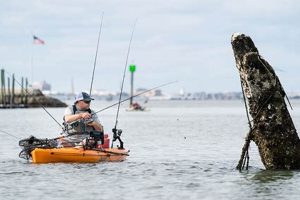
Organizations dedicated to angling from kayaks offer camaraderie, shared knowledge, and organized events for enthusiasts throughout the Lone Star State. These groups often provide resources such as fishing location recommendations, safety tips, and conservation best practices. An example might be a group organizing a guided fishing trip on a Texas reservoir or holding a workshop on kayak outfitting for fishing.
Membership in such associations offers numerous advantages. Networking opportunities allow anglers to connect with others who share their passion, fostering a sense of community. Collective knowledge and experience shared within the group can significantly enhance individual fishing skills. Furthermore, these clubs often advocate for responsible fishing practices and environmental stewardship, contributing to the preservation of Texas waterways. The growth of these organizations reflects the increasing popularity of kayak angling, a sport that offers a unique and accessible way to experience the diverse aquatic environments of Texas.
This exploration will delve further into specific aspects of these organizations, including types of memberships, benefits of joining, finding local clubs, and the role they play in promoting responsible angling and conservation efforts.
Kayak Fishing Tips
Safe and successful kayak angling requires preparation and adherence to best practices. These guidelines offer valuable insights for both novice and experienced anglers.
Tip 1: Prioritize Safety Gear: Always wear a personal flotation device (PFD). Carry a whistle for emergencies and a waterproof communication device. Inform someone of planned fishing locations and estimated return times.
Tip 2: Understand Water Conditions: Check weather forecasts and water conditions before embarking on any fishing trip. Be aware of currents, tides, and potential hazards like submerged debris.
Tip 3: Plan and Organize Gear: Securely store fishing tackle, rods, and other equipment within the kayak to prevent loss or interference with paddling. Utilize dry bags for essential items like phones and wallets.
Tip 4: Practice Kayak Control: Develop proficient paddling and maneuvering skills before venturing into open water or challenging conditions. Consider taking a kayak fishing course to enhance techniques.
Tip 5: Respect Wildlife and the Environment: Practice catch-and-release whenever possible. Adhere to all fishing regulations and licensing requirements. Pack out any trash and avoid disturbing natural habitats.
Tip 6: Learn Basic Kayak Maintenance: Regularly inspect and maintain the kayak, including checking for leaks, wear and tear, and proper functioning of all components. This ensures longevity and safe operation.
Tip 7: Choose Appropriate Fishing Gear: Select rods, reels, and tackle suited for the target species and the kayak fishing environment. Consider using shorter rods and specialized kayak fishing lures.
Adhering to these guidelines enhances both safety and enjoyment on the water. Proper preparation and responsible practices contribute to a positive kayak fishing experience.
By following these tips, anglers can maximize their chances of success while prioritizing safety and environmental responsibility. This focus on preparedness and ethical practices ensures the continued enjoyment of kayak fishing for generations to come.
1. Community

A strong sense of community is a defining characteristic of kayak fishing clubs in Texas. These organizations foster connections among individuals who share a passion for angling and the outdoors. The communal aspect extends beyond simply sharing a hobby; it creates a network of support, learning, and shared experiences.
- Shared Experiences:
Participating in group fishing trips, tournaments, and social gatherings creates lasting bonds among members. These shared experiences often lead to deeper connections and strengthen the overall sense of community. For example, a club trip to the Texas coast can create camaraderie among members as they navigate the waters and share their catches.
- Mentorship and Skill Development:
Experienced anglers within the club often mentor newcomers, sharing their knowledge and expertise. This exchange of information fosters skill development and accelerates the learning curve for less experienced members. A seasoned angler demonstrating proper casting techniques from a kayak provides a valuable learning opportunity within the club setting.
- Conservation and Advocacy:
Clubs frequently engage in conservation efforts and advocate for responsible fishing practices. This shared commitment to protecting Texas waterways strengthens the community bond and contributes to the long-term health of the environment. A club organizing a river cleanup event exemplifies this collective action and shared concern for conservation.
- Social Connections:
Beyond fishing, clubs often organize social events, creating opportunities for members to connect on a personal level. These gatherings strengthen the community bonds and extend the sense of belonging beyond the water. A club picnic or holiday gathering reinforces the social connections and builds stronger relationships within the group.
These interwoven facets of community within kayak fishing clubs contribute significantly to the overall experience. The connections forged through shared experiences, mentorship, conservation efforts, and social interaction create a supportive and enriching environment for all members. This sense of belonging enhances the individual enjoyment of kayak fishing while simultaneously contributing to the broader angling community and the preservation of Texas’s aquatic ecosystems.
The collective wisdom within kayak fishing clubs acts as a vital resource, enriching member experiences and contributing to overall success on the water. This shared knowledge base, accumulated through combined experience and open communication, provides a significant advantage for anglers of all skill levels.
- Fishing Spot Insights:
Members readily exchange information regarding productive fishing locations, including details about specific species, optimal times to fish, and effective techniques. This shared intelligence reduces the time spent scouting unproductive areas and increases the likelihood of successful catches. For example, experienced members might share GPS coordinates of productive honey holes or advise on the best lures to use in particular areas.
- Kayak and Gear Expertise:
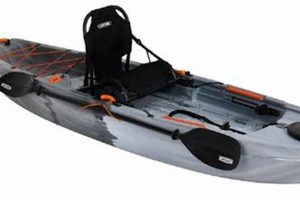
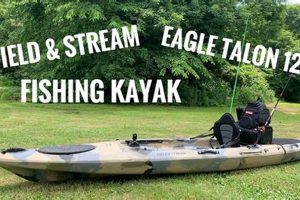
The diverse range of kayak and gear preferences within a club creates a valuable pool of knowledge. Members offer advice on kayak selection, rigging techniques, and essential gear, helping others make informed decisions and optimize their setups. This shared expertise can save newcomers time and money by avoiding costly mistakes or unnecessary purchases. A member might recommend a specific kayak model based on its stability and suitability for fishing in Texas bays.
- Safety and Navigation Best Practices:
Experienced members often share valuable safety tips and navigation techniques. This information can be crucial for navigating challenging waters, handling adverse weather conditions, and ensuring a safe and enjoyable fishing experience. A member might share local knowledge about tides, currents, or potential hazards, enhancing the safety of group outings.
- Conservation and Ethical Practices:
Knowledge sharing within clubs extends to promoting responsible fishing practices and conservation efforts. Members discuss ethical catch-and-release techniques, advocate for habitat preservation, and share information about relevant regulations. This collective commitment to sustainability benefits the environment and ensures the long-term health of Texas fisheries. A club might hold workshops on proper fish handling techniques or organize cleanup events to remove debris from local waterways.
This continuous exchange of information within kayak fishing clubs significantly enhances the overall angling experience. The shared knowledge base empowers members with valuable insights, improves fishing success, and fosters a culture of responsible angling. This collective wisdom, passed down and continually refined through shared experiences, contributes to the thriving kayak fishing community and the preservation of Texas aquatic ecosystems.
3. Organized Trips

Organized trips constitute a cornerstone of kayak fishing clubs in Texas, providing structured opportunities for members to experience the diverse waterways and pursue their shared passion for angling. These excursions offer advantages beyond individual fishing trips, fostering camaraderie, skill development, and a deeper appreciation for the natural environment.
- Destination Exploration:
Club trips often target prime fishing locations throughout Texas, from inland lakes and rivers to coastal bays and estuaries. These organized excursions provide access to a wider range of fishing environments than individuals might explore independently. A club trip might focus on exploring the diverse fishing opportunities within the Lower Laguna Madre or targeting specific species in the reservoirs of Central Texas. This facilitated exploration expands members’ fishing horizons and introduces them to new angling challenges.
- Enhanced Safety and Support:
Group trips enhance safety through collective vigilance and shared responsibility. Experienced members provide guidance and support to less experienced anglers, fostering a secure environment for all participants. In case of emergencies or unforeseen circumstances, the group dynamic offers immediate assistance. A designated trip leader with knowledge of the area and safety procedures ensures a more secure and enjoyable experience for all members.
- Skill Development and Knowledge Sharing:
Organized trips create ideal platforms for skill development and knowledge exchange. Experienced anglers share techniques, offer advice on tackle selection, and demonstrate effective fishing strategies in real-world scenarios. This on-the-water mentorship accelerates learning and enhances the overall fishing prowess of club members. A seasoned angler might demonstrate drift fishing techniques for targeting redfish in a coastal flat, providing a practical learning experience for other participants.
- Community Building and Networking:
Shared experiences during organized trips forge stronger bonds among club members. The collaborative nature of these excursions fosters camaraderie, strengthens friendships, and builds a sense of community within the club. Sharing stories, celebrating catches, and overcoming challenges together create lasting memories and solidify the social fabric of the group. A post-trip gathering for sharing stories and photos further reinforces the social bonds within the club.
Organized trips represent a fundamental element of the kayak fishing club experience in Texas. These excursions offer a unique blend of adventure, learning, and social interaction, enriching members’ angling journeys and contributing to the vibrancy of the kayak fishing community. By facilitating access to diverse fishing grounds, promoting safety, fostering skill development, and strengthening social connections, organized trips exemplify the collective benefits of belonging to a kayak fishing club.
4. Conservation Efforts

Conservation efforts represent a significant aspect of many kayak fishing clubs in Texas. Recognizing the importance of preserving aquatic ecosystems for future generations, these organizations actively promote responsible angling practices and environmental stewardship. This commitment to conservation strengthens the connection between anglers and the natural resources they enjoy.
- Habitat Restoration:
Clubs frequently participate in habitat restoration projects, contributing directly to the health of Texas waterways. Activities might include planting native vegetation along shorelines, removing invasive species, or participating in cleanup events to remove debris from rivers and lakes. A club might partner with a local conservation organization to restore oyster reefs, which provide essential habitat for numerous fish species.
- Advocacy for Responsible Fishing Practices:
Clubs advocate for responsible fishing practices among their members and the broader angling community. This includes promoting catch-and-release fishing, adhering to size and bag limits, and using appropriate fishing gear. Educational workshops and outreach programs help disseminate best practices and ensure the long-term sustainability of fish populations. A club might host a seminar on proper catch-and-release techniques, emphasizing the importance of minimizing stress on released fish.
- Water Quality Monitoring:
Some clubs engage in water quality monitoring programs, collecting data on factors such as dissolved oxygen, temperature, and pH levels. This information helps track the health of aquatic ecosystems and identify potential threats to water quality. Collected data can be shared with environmental agencies or research institutions to contribute to broader conservation efforts. A club might collaborate with a university research team to monitor water quality in a local river system, providing valuable data for scientific analysis.
- Education and Outreach:
Clubs often conduct educational programs to raise awareness about conservation issues among members and the public. These initiatives might include workshops on invasive species, presentations on the importance of riparian zones, or outreach events at local schools. By increasing public understanding of environmental challenges, clubs contribute to a broader culture of conservation. A club might organize a public presentation on the impact of pollution on local fisheries, raising awareness and encouraging community involvement in conservation efforts.
These multifaceted conservation efforts undertaken by kayak fishing clubs demonstrate a deep commitment to environmental stewardship. By actively participating in habitat restoration, advocating for responsible fishing, monitoring water quality, and conducting educational outreach, these organizations contribute significantly to the preservation of Texas aquatic ecosystems. This proactive approach ensures the long-term health of these valuable natural resources and strengthens the bond between anglers and the environment they cherish.
5. Skill Development

Kayak fishing clubs in Texas provide structured environments conducive to skill development in angling techniques specific to kayak fishing. This specialized instruction often bridges the gap between general fishing knowledge and the nuanced skills required for success on the water from a kayak. The benefits extend beyond simply catching more fish, encompassing improved safety practices and a deeper understanding of the aquatic environment.
Casting accuracy and precision become paramount when fishing from the limited space of a kayak. Clubs often offer workshops and on-the-water practice sessions focused on developing these crucial skills. Learning to manage fishing rods and tackle effectively within the confines of a kayak is another skill enhanced through club activities. Furthermore, clubs frequently share knowledge about species-specific techniques, such as targeting redfish in shallow flats or using specialized rigs for catfish in rivers. For example, a club might organize a workshop led by an expert on using topwater lures for bass from a kayak, providing practical instruction and hands-on experience.
Improved kayak handling skills are crucial for both safety and fishing success. Clubs often organize training sessions on maneuvering kayaks effectively in different water conditions, including currents, wind, and waves. Learning to position the kayak strategically for optimal casting angles and maintaining stability while reeling in fish are key skills honed through club activities and mentorship. This focus on skill development fosters confidence and competence on the water, contributing to safer and more productive fishing experiences. Ultimately, skill development within kayak fishing clubs empowers anglers to engage with the sport more effectively, safely, and sustainably.
Frequently Asked Questions
This section addresses common inquiries regarding kayak fishing clubs in Texas, providing concise and informative responses.
Question 1: What are the typical membership fees for kayak fishing clubs in Texas?
Membership fees vary depending on the specific club and the benefits offered. Annual dues can range from nominal fees to more substantial amounts, often reflecting the level of organized activities, resources, and insurance coverage provided. Prospective members should contact individual clubs directly to inquire about specific costs.
Question 2: How can one find a local kayak fishing club in Texas?
Online searches using keywords like “kayak fishing clubs near me” or “Texas kayak fishing organizations” can yield relevant results. Social media platforms and online forums dedicated to fishing can also provide valuable leads and connections to local clubs. Additionally, checking with local kayak retailers or outfitters might offer information on nearby clubs.
Question 3: What are the primary benefits of joining a kayak fishing club?
Key advantages include access to a community of like-minded anglers, shared knowledge and resources, organized fishing trips, and opportunities for skill development. Clubs often offer discounts on gear and services, as well as advocacy for responsible fishing practices and conservation efforts. The collective experience and camaraderie within a club enhance the overall kayak fishing experience.
Question 4: Do kayak fishing clubs provide instruction for beginners?
Many clubs offer introductory courses or workshops on kayak fishing basics, covering topics like kayak selection, paddling techniques, safety procedures, and basic fishing skills. Experienced members often mentor newcomers, providing valuable guidance and support. The level of instruction varies among clubs, so it’s recommended to inquire about specific offerings.
Question 5: Are there competitive fishing tournaments organized by kayak fishing clubs?
Numerous clubs organize fishing tournaments, providing members with opportunities to test their skills and compete in a friendly environment. These tournaments can range from small, local events to larger, regional competitions. Participation in tournaments fosters camaraderie and adds an element of friendly competition to the kayak fishing experience.
Question 6: What type of insurance is recommended for kayak anglers participating in club activities?
While not always mandatory, carrying liability insurance and ensuring adequate coverage for the kayak and associated gear are recommended. Some clubs might require specific insurance levels for participation in organized events. Consulting with an insurance provider specializing in outdoor recreational activities can help determine appropriate coverage.
Understanding these key aspects of kayak fishing clubs helps potential members make informed decisions about joining and maximizes the benefits of club membership.
Exploring the specific activities and offerings of individual clubs further clarifies the opportunities available within the Texas kayak fishing community.
Kayak Fishing Clubs Texas
This exploration has highlighted the multifaceted nature of kayak fishing clubs in Texas. From fostering a strong sense of community to providing valuable resources for skill development and conservation, these organizations offer significant benefits to anglers throughout the state. The emphasis on shared knowledge, organized trips, and responsible angling practices underscores the collective commitment to enriching the kayak fishing experience while preserving Texas waterways.
The continued growth and evolution of kayak fishing clubs suggest a promising future for the sport. As more individuals discover the unique rewards of kayak angling, these organizations will play an increasingly vital role in fostering camaraderie, promoting responsible practices, and ensuring the long-term health of aquatic ecosystems. Engaging with these clubs offers an opportunity not only to enhance individual angling skills but also to contribute to the broader kayak fishing community and the preservation of Texas’s natural heritage.