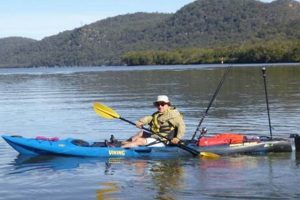
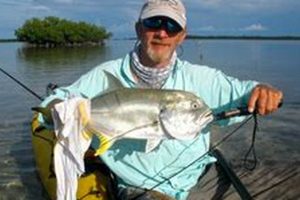
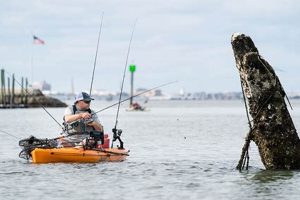
Organizations dedicated to anglers who prefer using kayaks in Florida’s waters offer a blend of camaraderie, shared expertise, and organized excursions. These groups typically provide members with resources such as fishing location recommendations, technique advice, and safety guidelines specifically tailored to kayak angling. For example, a club might organize a guided trip to a secluded mangrove estuary known for its snook population.
Joining such a community offers numerous advantages, including enhanced safety through group outings, access to local knowledge, and opportunities for skill development. The collective experience of members can provide valuable insights into fishing spots, tackle selection, and effective techniques. Historically, these groups have played a role in advocating for responsible fishing practices and conservation efforts, contributing to the preservation of Floridas aquatic ecosystems.
This article will delve further into the landscape of these angler organizations within the state, exploring various aspects such as club structures, membership benefits, popular fishing destinations, and the broader impact on Florida’s recreational fishing community.
Kayak Fishing Tips for Florida
Safe and successful kayak fishing in Florida requires careful planning and preparation. The following tips offer guidance for anglers of all experience levels.
Tip 1: Prioritize Safety Equipment: Always wear a personal flotation device (PFD). Carry a whistle, signaling mirror, and VHF radio for emergencies. A first-aid kit and a fully charged mobile phone in a waterproof bag are also essential.
Tip 2: Check Weather Forecasts: Florida’s weather can change rapidly. Monitor marine forecasts before heading out and be prepared to adjust plans if necessary. Wind, lightning, and sudden storms can create hazardous conditions on the water.
Tip 3: Plan Your Fishing Route: Research potential fishing spots and map out a route, considering tides, currents, and potential hazards like shallow areas or boat traffic. Sharing this plan with someone on shore is a prudent safety measure.
Tip 4: Understand Local Regulations: Familiarize oneself with fishing license requirements, size and catch limits, and any specific regulations for the targeted species. Respecting these rules ensures the sustainability of Florida’s fisheries.
Tip 5: Equip the Kayak Appropriately: Securely mount rod holders, tackle storage, and an anchor trolley system. Consider adding a fish finder and GPS for enhanced navigation and fish location. Ensure all equipment is properly secured to prevent loss in case of capsizing.
Tip 6: Practice Kayak Handling: Develop proficiency in paddling, maneuvering, and recovering from a capsize in calm waters before venturing into more challenging conditions. Understanding kayak stability enhances safety and fishing effectiveness.
Tip 7: Respect Wildlife and the Environment: Practice catch-and-release whenever possible. Minimize disturbance to marine life and their habitats. Dispose of fishing line and other waste responsibly to protect Florida’s natural beauty.
Adhering to these guidelines promotes a safer and more enjoyable fishing experience while contributing to the long-term health of Florida’s aquatic ecosystems. These practices enable anglers to maximize their time on the water while minimizing risks.
By incorporating these tips into fishing practices, anglers contribute to a safer and more sustainable fishing environment for all.
1. Community
A core principle of kayak fishing clubs in Florida revolves around fostering a strong sense of community. This shared interest in kayak angling forms the foundation for connections between individuals, creating an environment of mutual support and shared learning. The community aspect extends beyond simply fishing together; it encompasses a range of social interactions and collaborative activities that enrich the overall experience.
- Shared Experiences:
Participating in organized fishing trips, tournaments, and social gatherings creates opportunities for shared experiences. These events build bonds between members, fostering a sense of belonging and mutual respect. For example, a club trip to the Everglades creates a shared memory and strengthens connections within the group. These experiences often lead to lasting friendships built on a common passion.
- Mentorship and Skill Development:
Experienced anglers within the community often provide guidance and mentorship to newer members. This exchange of knowledge strengthens the overall skill level of the group and contributes to individual growth. A novice angler learning casting techniques from a seasoned club member exemplifies this benefit. This knowledge transfer perpetuates best practices within the community.
- Local Knowledge and Resource Sharing:
Clubs often serve as hubs for sharing local knowledge about fishing spots, tides, weather patterns, and effective techniques. This pooled information enhances the fishing success of all members and reduces the learning curve for newcomers. Access to a club’s collective knowledge base about productive fishing grounds in the Indian River Lagoon provides a significant advantage. The collective wisdom of the group benefits individual members.
- Conservation and Advocacy:
Community involvement in conservation initiatives and advocacy for responsible fishing practices strengthens the club’s impact on preserving Florida’s aquatic ecosystems. Participating in coastal cleanups or advocating for improved water quality demonstrates the community’s commitment to environmental stewardship. Collective action amplifies the clubs voice in promoting responsible fishing.
The sense of community within kayak fishing clubs in Florida provides a significant value proposition that extends beyond the individual fishing experience. Through shared experiences, mentorship, resource sharing, and collective action, these communities contribute to a more enriching, safer, and sustainable kayak fishing environment for all members, while also playing a positive role in protecting Floridas natural resources. This interconnectedness strengthens the individual angler’s experience and contributes to the overall health of the kayak fishing culture within the state.
Within the context of kayak fishing clubs in Florida, shared expertise represents a cornerstone of the community’s value. The collective knowledge base, accumulated through diverse experiences and individual specializations, provides a significant advantage for members. This collaborative learning environment fosters skill development, improves fishing success, and promotes safer practices on the water.
- Tackle and Equipment Selection
Members benefit from the collective knowledge regarding appropriate rods, reels, lines, lures, and other equipment specific to Florida’s diverse fishing environments. An angler targeting tarpon can learn from another member’s experience with specific rod and reel combinations. Sharing insights on kayak modifications and rigging techniques further enhances the effectiveness of fishing setups. This exchange optimizes individual gear choices and contributes to improved angling outcomes.
- Fishing Techniques and Strategies
Expertise in diverse fishing techniques, from trolling to sight casting, becomes accessible through the shared knowledge within the club. A novice angler can gain valuable insights into fly fishing techniques specific to Florida’s saltwater flats from experienced club members. Sharing successful strategies for targeting specific species, such as snook or redfish, enhances the overall success rate of the group. This collaborative learning accelerates skill development and expands the angling repertoire of individual members.
- Navigation and Safety Procedures
Knowledge of local waterways, navigation hazards, and safe kayaking practices is crucial for successful and safe outings. Experienced members can share valuable information about navigating challenging areas like mangrove tunnels or dealing with strong currents. Sharing best practices for launching and landing kayaks in various conditions enhances overall safety. This shared knowledge mitigates risks and contributes to a safer fishing environment for all members.
- Conservation and Environmental Awareness
Understanding local regulations, catch-and-release best practices, and environmentally responsible fishing techniques ensures the sustainability of Florida’s fisheries. Sharing information about fish identification, size limits, and protected species promotes responsible angling practices within the club. Discussions on minimizing environmental impact through proper waste disposal and respecting marine habitats reinforce a conservation-minded approach. This shared commitment to environmental stewardship contributes to the long-term health of Floridas aquatic ecosystems.
The shared expertise within kayak fishing clubs in Florida forms a dynamic learning environment that significantly enhances the individual and collective fishing experience. By leveraging this resource, members gain access to a wealth of knowledge, ultimately leading to improved angling skills, increased fishing success, enhanced safety, and a stronger commitment to preserving Floridas valuable aquatic resources. This collaborative approach fosters a culture of continuous learning and strengthens the overall kayak fishing community.
3. Organized Trips

Organized trips constitute a central activity within kayak fishing clubs in Florida, offering members structured opportunities to explore diverse fishing locations, learn from experienced anglers, and foster camaraderie. These excursions provide a framework for safe and productive fishing adventures, enhancing the overall club experience and contributing to the development of individual angling skills. They range from day trips to local estuaries to multi-day expeditions to remote locations, catering to varying skill levels and interests.
- Exploration of New Fishing Grounds
Organized trips provide access to a wider range of fishing locations, expanding members’ horizons beyond their usual fishing spots. A club trip to the Florida Keys might introduce anglers to new species and fishing techniques. Experienced members often share their knowledge of local hotspots and productive areas, increasing the likelihood of successful catches. This exploration fosters a sense of adventure and expands the fishing knowledge base of participants.
- Enhanced Safety and Support
Group outings enhance safety by providing a network of support in case of emergencies or unforeseen circumstances. Paddling in a group increases visibility and offers assistance if someone experiences difficulties. Experienced guides or club members often lead these trips, providing valuable guidance on navigation, weather conditions, and local hazards. This structured approach mitigates risks and promotes a safer fishing environment.
- Skill Development and Learning Opportunities
Organized trips provide structured learning opportunities, allowing members to observe and learn from more experienced anglers. Observing different casting techniques, lure presentations, and fish-fighting strategies in a real-world setting accelerates skill development. Group discussions and on-the-water demonstrations provide valuable insights that enhance individual angling proficiency. This collaborative learning environment fosters continuous improvement and strengthens the overall skill level of the club.
- Social Interaction and Camaraderie
Shared experiences during organized trips create opportunities for social interaction and bonding among club members. Sharing meals, swapping stories, and celebrating successful catches strengthens the sense of community within the club. These social connections enhance the overall club experience and create lasting friendships built on a common passion for kayak fishing. This camaraderie contributes to a positive and supportive club atmosphere.
Organized trips serve as a vital component of kayak fishing clubs in Florida, offering a multifaceted approach to enhancing the angling experience. By combining exploration, safety, skill development, and social interaction, these excursions enrich the individual angler’s journey while strengthening the bonds within the club community. This structured approach to kayak fishing contributes to a more fulfilling and rewarding experience for all participants, solidifying the value proposition of club membership.
4. Safety
Safety within the context of kayak fishing clubs in Florida is paramount. The inherent risks associated with on-water activities necessitate a proactive and comprehensive approach to safety protocols and practices. Kayak fishing clubs often prioritize safety by providing resources, training, and a supportive community that fosters a culture of responsible angling. This focus on safety enhances the overall experience and contributes to a more secure environment for all members.
- Education and Training
Clubs frequently offer safety courses, workshops, and on-water training sessions covering topics such as paddling techniques, self-rescue procedures, navigation, and emergency preparedness. These educational resources equip members with the necessary skills and knowledge to handle various on-water situations effectively. Practicing capsize recovery drills in a controlled environment provides valuable experience that can prove crucial in a real-world scenario. This emphasis on education empowers members to make informed decisions and react appropriately to potential hazards.
- Group Outings and Buddy Systems
Fishing in groups and utilizing the buddy system significantly enhances safety. Maintaining visual contact with other kayakers and having a designated partner provides immediate assistance in case of emergencies. Group outings often include experienced members or designated safety leaders who can offer guidance and support, especially in challenging conditions or unfamiliar waters. Paddling in a group also increases visibility to other boaters, reducing the risk of collisions. This collaborative approach fosters a safer environment for all participants.
- Communication and Emergency Procedures
Clubs establish communication protocols and emergency procedures to ensure a swift and coordinated response in critical situations. Members are often encouraged to carry VHF radios, mobile phones in waterproof cases, and signaling devices like whistles or flares. Establishing clear communication channels before and during outings facilitates quick responses to emergencies. Regularly reviewing emergency procedures, such as contacting the Coast Guard or local authorities, ensures preparedness in unforeseen circumstances. This proactive approach minimizes response times and improves outcomes in emergency situations.
- Equipment and Gear Checks
Promoting the use of appropriate safety equipment, such as personal flotation devices (PFDs), and conducting regular gear checks reinforces a culture of safety within the club. Clubs often provide guidelines on essential safety gear, including first-aid kits, navigation lights, and bilge pumps. Encouraging members to inspect their kayaks and equipment before each outing helps identify potential issues that could compromise safety. This emphasis on preparedness reduces the likelihood of equipment failures and enhances overall safety on the water.
The prioritization of safety within kayak fishing clubs in Florida contributes significantly to a more secure and enjoyable experience for all members. By fostering a culture of safety through education, group activities, established procedures, and equipment checks, these clubs mitigate risks associated with on-water activities. This proactive approach empowers members to make informed decisions, respond effectively to challenges, and enjoy the sport of kayak fishing with greater confidence and peace of mind. This commitment to safety distinguishes responsible clubs and reinforces the importance of community in promoting a safe and enjoyable fishing environment.
5. Conservation

Conservation plays a vital role within the framework of kayak fishing clubs in Florida. These organizations recognize the importance of preserving the state’s delicate aquatic ecosystems for future generations of anglers. Clubs often actively promote conservation efforts, educating members about responsible fishing practices and engaging in initiatives that protect Florida’s diverse marine environments. This commitment to conservation aligns with the long-term interests of the kayak fishing community and contributes to the sustainability of the sport.
- Habitat Preservation
Kayak fishing clubs frequently participate in habitat restoration projects, focusing on crucial areas like mangrove forests, seagrass beds, and coastal wetlands. These habitats serve as nurseries for numerous fish species and play a vital role in maintaining the health of Florida’s coastal ecosystems. Participating in mangrove planting initiatives or shoreline cleanups directly contributes to habitat preservation. These efforts ensure the long-term health of fish populations and the overall integrity of the aquatic environment.
- Responsible Fishing Practices
Promoting catch-and-release fishing, adhering to size and bag limits, and using appropriate fishing gear are essential aspects of responsible angling. Clubs often educate members about best practices for handling fish, minimizing stress during catch and release, and avoiding damage to sensitive habitats. Advocating for the use of circle hooks and barbless lures reduces injury to fish. These responsible practices contribute to healthy fish populations and the sustainability of the sport.
- Water Quality Advocacy
Recognizing the impact of water quality on fish populations and overall ecosystem health, kayak fishing clubs frequently engage in advocacy efforts to protect Florida’s waterways. Supporting initiatives to reduce pollution from runoff, promoting responsible boating practices, and participating in water quality monitoring programs are examples of such efforts. Advocating for stricter regulations on industrial discharge protects sensitive aquatic environments. Clean water is essential for healthy fish populations and a thriving fishing community.
- Education and Outreach
Educating members and the wider community about conservation issues is a key function of many kayak fishing clubs. Organizing workshops, guest speaker presentations, and educational outings raises awareness about the importance of conservation and encourages responsible environmental stewardship. Participating in educational outreach programs at local schools or community events informs the public about the importance of protecting Florida’s aquatic resources. This educational outreach fosters a culture of conservation and strengthens community involvement in protecting the environment.
Through active involvement in habitat preservation, promotion of responsible fishing practices, advocacy for improved water quality, and educational outreach, kayak fishing clubs in Florida demonstrate a significant commitment to conservation. These efforts contribute directly to the long-term health of Florida’s aquatic ecosystems and the sustainability of the sport. This dedication to conservation reinforces the value of these clubs within the broader fishing community and underscores their role as stewards of Florida’s natural resources. By integrating conservation principles into their activities, these clubs ensure that future generations can continue to enjoy the unique experience of kayak fishing in Florida’s diverse and vibrant waters.
6. Advocacy
Advocacy represents a crucial function of kayak fishing clubs in Florida, extending their influence beyond recreational activities to actively engage in protecting and promoting the interests of the kayak fishing community and the health of Florida’s aquatic ecosystems. These clubs recognize that effective advocacy is essential for ensuring continued access to fishing grounds, promoting responsible resource management, and safeguarding the long-term sustainability of the sport. This involvement translates into tangible actions that influence policy decisions and contribute to the preservation of Florida’s natural resources.
A primary focus of advocacy efforts revolves around access to public waters. Kayak fishing clubs often engage with local, state, and federal agencies to ensure continued access to fishing areas, advocating for policies that prioritize public access and responsible recreational use. For example, a club might advocate for improved launch facilities or challenge restrictions that limit access to certain waterways. Similarly, advocacy plays a vital role in shaping regulations related to fishing practices, such as size and bag limits, seasonal closures, and permitted gear. Clubs often work with regulatory bodies to ensure that regulations are based on sound scientific data and reflect the needs of both the environment and the fishing community. A club might advocate for stricter regulations on commercial fishing practices that impact recreational fishing opportunities or support policies that promote sustainable fisheries management. In addition to access and regulations, advocacy extends to environmental protection. Clubs frequently engage in initiatives to protect water quality, preserve critical habitats, and advocate for responsible resource management practices. A club might actively participate in coastal cleanups, support legislation to reduce pollution, or advocate for the protection of sensitive mangrove ecosystems. These collective actions contribute to the overall health of Florida’s aquatic environment and the sustainability of kayak fishing.
Effective advocacy requires organization, collaboration, and a clear understanding of the political landscape. Kayak fishing clubs leverage their collective voice to influence decision-making processes, ensuring that the interests of the kayak fishing community are represented. Through active participation in public hearings, engagement with elected officials, and collaboration with other conservation organizations, these clubs amplify their impact and contribute to meaningful change. This proactive approach to advocacy distinguishes responsible kayak fishing clubs and reinforces their commitment to preserving Florida’s valuable natural resources for current and future generations. The ability to effectively advocate for their interests and the health of the environment ensures the long-term viability of kayak fishing in Florida.
7. Camaraderie
Camaraderie forms a significant component of kayak fishing clubs in Florida, contributing substantially to member satisfaction and the overall success of these organizations. The shared passion for kayak fishing provides a natural foundation for strong social bonds, fostering a sense of community that extends beyond the water. This camaraderie arises from shared experiences, mutual support, and the collective pursuit of a common interest. For example, enduring challenging weather conditions together during a fishing trip can forge strong bonds between members, creating lasting connections. Similarly, celebrating a successful catch with fellow club members amplifies the sense of achievement and reinforces the shared enjoyment of the sport.
The practical significance of camaraderie within these clubs is multifaceted. It contributes to increased member retention, as individuals are more likely to remain active in a club where they feel a sense of belonging and connection. Furthermore, camaraderie enhances the overall enjoyment of kayak fishing, transforming individual pursuits into shared experiences. The supportive environment fostered by camaraderie encourages members to share knowledge and skills, benefiting both novice and experienced anglers. A seasoned angler offering guidance to a newcomer on selecting appropriate lures exemplifies the positive impact of this supportive atmosphere. This exchange of information enhances the overall skill level of the club and contributes to individual growth. Moreover, camaraderie strengthens the club’s ability to advocate for shared interests, such as access to fishing grounds and conservation initiatives. A united front, driven by strong social bonds, amplifies the club’s voice and effectiveness in pursuing these goals.
In summary, camaraderie serves as a vital element within kayak fishing clubs in Florida. It fosters a strong sense of community, enhances member satisfaction, and contributes to the overall success of the organization. Recognizing the importance of camaraderie allows club leaders to cultivate a positive and supportive environment, maximizing the benefits of membership and strengthening the club’s impact within the broader kayak fishing community. This understanding underscores the value of social connections within recreational pursuits and highlights the role of shared experiences in building strong and enduring communities. This, in turn, contributes to the growth and sustainability of kayak fishing as a recreational activity in Florida.
Frequently Asked Questions about Kayak Fishing Clubs in Florida
This FAQ section addresses common inquiries regarding kayak fishing clubs in Florida, providing concise and informative responses to assist individuals interested in joining or learning more about these organizations. The information presented aims to clarify potential misconceptions and offer practical insights into the club experience.
Question 1: What are the typical membership fees associated with kayak fishing clubs in Florida?
Membership fees vary considerably, depending on the club’s size, location, and offered benefits. Annual fees can range from modest sums to more substantial amounts. Prospective members are encouraged to contact individual clubs directly to inquire about specific fee structures.
Question 2: Do individuals need to own a kayak to join a club?
While most members own kayaks, some clubs offer rental options or opportunities to participate in group outings using club-owned vessels. Inquiring about kayak availability is recommended when contacting a club.
Question 3: Are there clubs catering to specific skill levels or fishing interests within Florida?
Many clubs cater to diverse skill levels, welcoming anglers from beginners to seasoned professionals. Some clubs might focus on particular fishing styles, such as fly fishing or tournament angling. Researching individual club profiles can help identify organizations aligning with specific interests.
Question 4: How can one locate kayak fishing clubs in a specific region of Florida?
Online searches using keywords like “kayak fishing clubs [region name]” can yield relevant results. Utilizing online forums or social media groups dedicated to kayak fishing can also connect individuals with local clubs. Local tackle shops often serve as valuable resources for information on nearby clubs.
Question 5: What are the primary benefits of joining a kayak fishing club in Florida?
Key benefits include enhanced safety through group outings, access to local knowledge and fishing expertise, skill development through shared learning, and the opportunity to build camaraderie within a community of like-minded individuals. Clubs also often advocate for conservation efforts and responsible fishing practices.
Question 6: How often do kayak fishing clubs in Florida typically organize group outings or events?
The frequency of organized activities varies by club. Some clubs organize weekly or monthly outings, while others focus on larger events several times a year. Checking with individual clubs about their activity schedules is recommended.
Understanding these key aspects of kayak fishing clubs in Florida helps potential members make informed decisions about joining an organization. This information empowers individuals to select a club that aligns with their interests, skill levels, and desired level of engagement.
For those interested in further exploring the world of kayak fishing in Florida, the subsequent sections of this article delve deeper into specific topics, offering valuable insights and resources.
Kayak Fishing Clubs Florida
This exploration of kayak fishing clubs in Florida has highlighted their multifaceted nature, extending beyond simply recreational pursuits. These organizations foster community, promote skill development through shared expertise, enhance safety through organized trips, and advocate for conservation efforts crucial to preserving Florida’s aquatic ecosystems. The camaraderie fostered within these clubs enriches the individual angling experience while contributing to a collective commitment to responsible and sustainable fishing practices. From enhancing angling prowess to promoting environmental stewardship, these clubs represent a valuable asset within Florida’s vibrant fishing community.
The future of kayak fishing in Florida relies on the continued dedication of these clubs to fostering responsible angling practices and advocating for the preservation of the state’s aquatic resources. Potential members are encouraged to explore the diverse landscape of kayak fishing clubs across Florida to discover an organization aligning with individual interests and aspirations. Active participation in these communities contributes not only to personal enjoyment but also to the long-term health and sustainability of kayak fishing in the state. The collective efforts of these clubs will play a crucial role in ensuring that future generations can continue to enjoy the unique and rewarding experience of kayak fishing in Florida’s diverse waters.