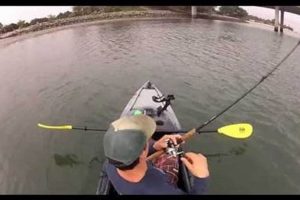
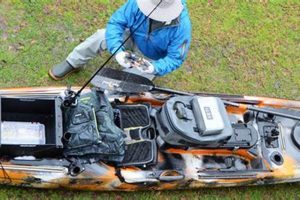
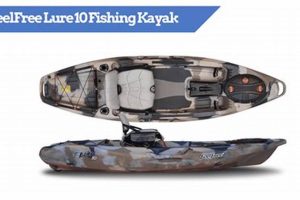
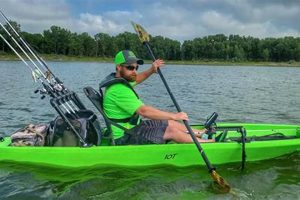
Compact, purpose-built vessels designed for angling in sheltered waters like ponds, lakes, and slow-moving rivers offer anglers a portable and maneuverable platform. These watercraft are typically shorter and narrower than recreational or touring kayaks, prioritizing ease of transport and storage. An example would be a sit-on-top model under 10 feet in length equipped with rod holders and storage compartments for tackle.
The advantages of these smaller craft include increased agility, enabling anglers to navigate tight spaces and shallow areas often inaccessible to larger boats. Their lighter weight simplifies car-topping and hand-carrying, expanding fishing opportunities to remote locations. Historically, smaller watercraft have played a crucial role in fishing cultures worldwide, evolving from traditional designs to incorporate modern materials and features that enhance stability and performance. This evolution caters to a growing demand for accessible and versatile fishing platforms.
Further exploration will delve into the key features, selection criteria, and various uses of these specialized vessels. Topics will encompass hull design, propulsion systems, essential accessories, and safety considerations for anglers.
Tips for Utilizing Compact Fishing Kayaks
Effective use of compact fishing kayaks maximizes their advantages while ensuring safety and efficiency on the water. The following tips offer guidance for anglers of all skill levels.
Tip 1: Prioritize Stability: Select a model with a stable hull design, especially for beginners. Wider beams and flatter bottoms generally offer greater initial stability. Consider adding outriggers or stabilizers for enhanced balance.
Tip 2: Optimize Storage Space: Utilize available storage compartments efficiently. Dry bags and waterproof containers protect essential gear from moisture. Minimize clutter to maintain balance and maneuverability.
Tip 3: Choose Appropriate Paddles: Shorter paddles are recommended for smaller kayaks to prevent interference with the angler and surrounding gear. Consider lightweight, adjustable paddles for customized comfort and performance.
Tip 4: Plan Fishing Locations Strategically: Compact kayaks are ideal for sheltered waters. Research potential locations beforehand, considering factors like wind, currents, and accessibility. Avoid areas with heavy boat traffic or strong waves.
Tip 5: Practice Essential Safety Procedures: Always wear a personal flotation device (PFD). Carry a whistle, signaling device, and communication tools. Inform someone of your fishing plans, including location and estimated return time.
Tip 6: Master Basic Kayaking Techniques: Practice paddling, turning, and maneuvering in calm water before venturing into more challenging environments. Familiarize oneself with self-rescue techniques in case of capsizing.
Tip 7: Respect the Environment: Adhere to “leave no trace” principles. Pack out all trash and fishing line. Avoid disturbing wildlife and sensitive habitats. Observe local fishing regulations.
By adhering to these guidelines, anglers can enhance their fishing experience while prioritizing safety and environmental responsibility. These considerations contribute to successful and enjoyable outings on the water.
These practical tips lay a foundation for safe and successful angling from compact kayaks. A deeper understanding of these vessels and their applications will further enhance on-water experiences.
1. Portability

Portability represents a defining characteristic of compact fishing kayaks, directly influencing their appeal and practicality. Reduced length and width, coupled with lighter construction materials, contribute to easier transport and storage. This inherent portability expands angling opportunities, granting access to remote or otherwise inaccessible waterways. Consider, for instance, a small, inflatable fishing kayak that can be packed into a backpack and hiked to a secluded mountain lake. This contrasts sharply with the logistical challenges presented by larger, heavier vessels requiring trailers and boat ramps.
The practical significance of this portability extends beyond simply reaching a fishing destination. It simplifies storage in smaller spaces, such as apartments or garages with limited capacity. It also reduces the reliance on specialized vehicles for transport. A compact kayak can often be car-topped or carried by a single individual, eliminating the need for a trailer and the associated costs and complexities. This ease of transport and storage makes spontaneous fishing trips more feasible and encourages more frequent engagement with the sport.
In summary, portability significantly enhances the versatility and accessibility of compact fishing kayaks. While trade-offs may exist concerning storage capacity or stability compared to larger vessels, the ability to easily transport and store these smaller craft opens a world of fishing possibilities, particularly for those with limited storage space or transportation options. This core attribute directly contributes to the growing popularity of compact kayaks amongst anglers seeking efficient and convenient access to the water.
2. Stability

Stability in a compact fishing kayak directly impacts angling effectiveness and safety. A stable platform allows anglers to cast, reel, and land fish without compromising balance. It also provides a secure feeling, particularly in challenging conditions such as wind or current. A less stable kayak can lead to difficulties with casting accuracy, fish handling, and even capsizing, potentially resulting in lost gear or personal injury. The relationship between stability and kayak dimensions is crucial; shorter, narrower hulls tend to be less stable than longer, wider ones. Design features like wider beams, flatter bottoms, and outriggers can enhance stability in smaller kayaks.
Consider the scenario of an angler hooking a large fish in a compact kayak. A stable hull allows the angler to focus on fighting the fish without constantly worrying about tipping over. Conversely, in a less stable kayak, the same scenario could easily lead to a capsize. Another example is fly fishing, which often involves standing and casting. A stable platform is essential for maintaining balance during these maneuvers. Practical applications of this understanding include choosing a kayak with appropriate stability features for the intended fishing environment and angler experience level. Beginners might prioritize stability over maneuverability, opting for wider, flatter-hulled designs, while more experienced anglers might choose narrower kayaks for increased speed and agility, accepting a trade-off in stability.
In summary, stability is a critical factor to consider when selecting a compact fishing kayak. It directly influences angling performance, safety, and overall enjoyment on the water. Understanding the relationship between stability and hull design, coupled with a realistic assessment of one’s skill level and intended fishing environment, allows for informed decisions that maximize both safety and fishing success. Choosing a kayak with appropriate stability features can prevent accidents and enhance the overall fishing experience.
3. Maneuverability
Maneuverability represents a key advantage of compact fishing kayaks, particularly in environments where agility and precise boat control are paramount. Smaller hulls and lighter weights translate to nimble performance, enabling anglers to navigate tight spaces, shallow waters, and complex shorelines often inaccessible to larger vessels. This enhanced maneuverability allows for precise positioning in prime fishing locations, such as alongside weed beds, beneath overhanging branches, or within narrow creeks. Consider a shallow, winding river choked with fallen logs. A compact kayak can deftly weave through these obstacles, granting access to secluded pools teeming with fish, while a larger boat would be restricted by its size and draft.
The practical implications of this maneuverability extend beyond mere access. It allows anglers to react quickly to changing fish behavior or water conditions. A quick turn or a subtle shift in position can be the difference between landing a trophy fish and losing it. This agility also proves beneficial in windy conditions, where smaller kayaks are less susceptible to being blown off course. Furthermore, the reduced effort required to maneuver a compact kayak contributes to reduced fatigue, allowing for longer and more productive fishing trips. This advantage is particularly relevant in situations requiring frequent paddling and adjustments, such as navigating swift currents or exploring intricate waterways.
In summary, maneuverability significantly contributes to the effectiveness and versatility of compact fishing kayaks. Their nimble nature allows anglers to exploit a wider range of fishing environments and react efficiently to dynamic situations on the water. While larger kayaks might offer advantages in terms of stability and storage, the agility of compact designs provides a distinct advantage in specific scenarios, contributing to their appeal among anglers seeking access to challenging or confined waterways. This characteristic, coupled with other attributes like portability, establishes compact kayaks as valuable tools for anglers seeking to maximize their fishing opportunities.
4. Storage Capacity
Storage capacity in compact fishing kayaks presents inherent limitations, necessitating careful consideration of gear selection and organization. The reduced size of these vessels directly restricts the volume and type of equipment that can be carried. This constraint requires anglers to prioritize essential items and adopt efficient packing strategies. For example, a compact kayak may only accommodate one or two tackle boxes, necessitating careful selection of lures and terminal tackle. Larger items like coolers or bait buckets may require downsizing or exclusion altogether. Understanding this limitation is crucial for planning successful fishing trips and avoiding overloading the kayak, which can compromise stability and safety.
The practical implications of limited storage capacity extend beyond simply choosing which gear to bring. Effective organization becomes paramount. Utilizing dry bags, waterproof containers, and specialized kayak storage compartments can maximize available space and protect essential gear from moisture. Consider an angler venturing into remote waters. Limited storage necessitates careful planning and prioritization of safety equipment, first-aid supplies, and essential fishing gear. Carrying excess or unnecessary items could jeopardize safety and performance. The ability to efficiently organize and access gear within the confined space of a compact kayak contributes directly to a successful and enjoyable fishing experience.
In summary, limited storage capacity represents a key consideration when utilizing compact fishing kayaks. This constraint requires anglers to adopt a minimalist approach to gear selection and prioritize efficient organization. While the reduced storage capacity may present challenges, it encourages thoughtful planning and prioritization, contributing to a more streamlined and focused fishing experience. Understanding and adapting to these limitations allows anglers to maximize the advantages of compact kayaks without compromising safety or effectiveness on the water.
5. Affordability

Affordability often distinguishes compact fishing kayaks, making them an attractive entry point for individuals new to kayak angling or those seeking a cost-effective option. Lower manufacturing costs associated with smaller sizes and simpler designs typically translate to lower retail prices compared to larger, more feature-rich models. This relative affordability expands access to the sport, removing a significant financial barrier that might otherwise deter potential participants. For example, a basic compact fishing kayak can often be purchased for a fraction of the price of a high-end touring or sea kayak. This allows individuals with limited budgets to experience the joys of kayak fishing without a substantial initial investment.
The practical significance of this affordability extends beyond initial purchase costs. Smaller kayaks often require less expensive accessories and gear. Shorter paddles, smaller life vests, and compact anchors contribute to overall cost savings. Furthermore, transportation costs are typically lower due to the ease of car-topping or transporting smaller kayaks without specialized trailers. Consider an angler on a tight budget. A compact kayak allows participation in the sport without incurring the significant expenses associated with larger vessels, such as storage fees, trailer maintenance, and boat ramp fees. This cost-effectiveness can be particularly appealing to younger anglers, families, or individuals exploring the sport for the first time.
In summary, affordability represents a compelling advantage of compact fishing kayaks. Lower purchase prices, reduced accessory costs, and simplified transportation contribute to a more accessible and budget-friendly angling experience. While certain compromises may exist concerning storage capacity or long-distance performance, the financial accessibility of compact kayaks expands participation in the sport and provides a cost-effective pathway for individuals seeking to explore kayak angling without a substantial financial commitment. This attribute, combined with other advantages like portability and maneuverability, solidifies the position of compact fishing kayaks as versatile and valuable tools for anglers of all experience levels and budgetary constraints.
6. Specialized Features

Specialized features distinguish fishing kayaks from recreational models, enhancing their functionality and angler effectiveness. These features, often integrated into compact designs, cater specifically to the demands of angling, optimizing performance and convenience on the water. Understanding these specialized adaptations is crucial for selecting a kayak that aligns with individual fishing styles and target species.
- Rod Holders
Rod holders, typically flush-mounted or adjustable, secure fishing rods while paddling, trolling, or handling fish. Multiple rod holders allow anglers to employ diverse fishing techniques or target different species simultaneously. A kayak designed for trolling might feature angled rod holders positioned for optimal line spread, while a kayak intended for casting might include adjustable holders that accommodate various rod lengths and casting styles. Integrated rod holders streamline fishing processes and prevent rod loss or damage, contributing to a more efficient and enjoyable angling experience.
- Tackle Storage
Dedicated tackle storage compartments, ranging from small trays to larger hatches, keep essential fishing gear organized and accessible. Waterproof compartments protect sensitive items like electronics and tackle boxes from moisture. A well-designed storage system allows anglers to quickly locate and deploy lures, hooks, and other necessities, maximizing fishing time and minimizing clutter. Consider a compact kayak equipped with a recessed tackle tray within easy reach of the angler’s seat. This feature allows for efficient lure changes and prevents the need to constantly reach into larger storage compartments, streamlining the fishing process.
- Anchor Systems
Integrated anchor systems, including anchor trolleys and cleats, allow anglers to maintain position in desired fishing locations, particularly in current or wind. Anchor trolleys enable controlled drifting and precise positioning along shorelines or underwater structures. A kayak designed for river fishing might feature a retractable anchor trolley system that allows the angler to adjust position and control drift speed along a specific current seam. This capability maximizes fishing effectiveness by maintaining optimal presentation of bait or lures.
- Paddle Holders/Leashes
Paddle holders or leashes secure paddles when not in use, preventing loss and freeing hands for fishing activities. This feature proves especially valuable when fighting fish or landing catches. A secure paddle holder prevents the paddle from drifting away while an angler is engaged in handling a fish, ensuring it remains readily available without the risk of losing it in the water. This simple feature enhances safety and convenience, contributing to a smoother and more focused fishing experience.
These specialized features, seamlessly integrated into compact fishing kayak designs, elevate angling performance and enhance overall enjoyment on the water. The strategic selection and utilization of these features contribute significantly to fishing success, demonstrating the thoughtful design considerations that cater specifically to the needs of kayak anglers. By understanding the function and application of these specialized features, anglers can optimize their equipment choices and maximize their effectiveness on the water, whether targeting specific species or exploring diverse fishing environments. The combination of these features with the inherent portability and maneuverability of compact kayaks creates a powerful platform for anglers seeking efficient and rewarding fishing experiences.
Frequently Asked Questions
This section addresses common inquiries regarding compact fishing kayaks, providing concise and informative responses to assist in informed decision-making.
Question 1: What defines a “compact” fishing kayak?
Compact fishing kayaks typically measure under 12 feet in length, prioritizing portability and maneuverability over storage capacity and open-water performance. This compact size facilitates easier transport and storage, making them suitable for anglers with limited space or those seeking access to smaller waterways.
Question 2: Are compact fishing kayaks suitable for beginners?
Many compact models offer excellent stability, making them suitable for beginners. However, careful consideration of hull design and individual comfort levels remains crucial. Wider, flatter-bottomed hulls generally provide greater initial stability. Testing different models before purchase is recommended.
Question 3: What are the limitations of compact fishing kayaks?
Limited storage capacity and reduced suitability for rough water conditions represent primary limitations. Careful gear selection and prioritization are essential. Compact kayaks are generally best suited for calm waters such as ponds, lakes, and slow-moving rivers.
Question 4: How does one transport a compact fishing kayak?
Due to their lighter weight and shorter length, compact kayaks can often be car-topped, transported in the bed of a truck, or even carried short distances. Roof racks, kayak carts, and specialized carriers facilitate transport and minimize physical strain.
Question 5: What essential safety gear should accompany compact kayak fishing excursions?
Essential safety gear includes a personal flotation device (PFD), a whistle, a signaling device, and communication tools. Informing someone of fishing plans, including location and estimated return time, is also highly recommended.
Question 6: How does one choose the right compact fishing kayak?
Selecting the right kayak involves considering individual fishing styles, target species, and intended fishing environments. Factors such as stability, maneuverability, storage capacity, and specialized features should align with specific angling needs. Researching different models, reading reviews, and consulting with experienced anglers can inform decision-making.
Understanding these key aspects of compact fishing kayaks empowers anglers to make informed decisions based on individual needs and preferences. Careful consideration of these factors contributes to a safer, more efficient, and ultimately more rewarding fishing experience.
The following section will delve into specific models and brands of compact fishing kayaks, providing further guidance in the selection process.
Compact Fishing Kayaks
Compact fishing kayaks offer distinct advantages for anglers seeking portability, maneuverability, and affordability. Their specialized features, tailored for angling, enhance fishing effectiveness in specific environments. However, inherent limitations regarding storage capacity and open-water suitability necessitate careful consideration of individual needs and intended uses. The selection process hinges upon a balanced assessment of these factors, prioritizing stability, portability, and specialized features based on angler experience and target waterways.
The evolution of compact fishing kayaks reflects a growing demand for efficient and accessible angling platforms. As technology advances and design innovations continue, these specialized vessels will likely play an increasingly prominent role in the future of fishing, providing anglers with versatile tools for exploring diverse waterways and pursuing their passion with greater efficiency and enjoyment. Careful consideration of the factors outlined herein empowers informed decisions and contributes to safe and successful angling experiences.