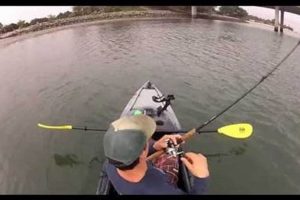
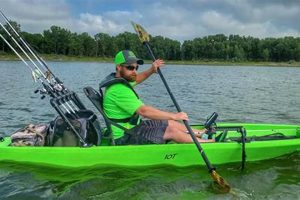
This activity involves angling from a small, human-powered vessel in the waters surrounding Tampa, Florida. It combines the quiet, close-to-the-water experience of kayaking with the pursuit of various fish species. Imagine gliding through calm mangrove tunnels or navigating shallow flats, casting a line for snook, redfish, or tarpon. This method offers a unique perspective and access to areas often inaccessible to larger motorized boats.
The shallow-water access provided by these small vessels opens opportunities for anglers to target species that thrive in these environments. Additionally, the quiet approach afforded by paddling minimizes disturbance to fish, potentially increasing catch rates. Historically, small, non-motorized boats have been used for fishing in the Tampa Bay area, reflecting both practical necessity and a desire for a closer connection with nature. This rich history connects modern practitioners with a long tradition of fishing in the region.
This exploration will delve further into specific locations, tackle and techniques, regulations, and other essential information for anyone interested in experiencing the unique blend of outdoor recreation and angling that this pastime offers in the Tampa Bay region.
Tips for Kayak Fishing in Tampa
Careful planning and preparation contribute significantly to a successful and enjoyable fishing excursion. The following tips offer valuable insights for anglers of all skill levels.
Tip 1: Check Weather and Tide Charts: Wind and tide conditions dramatically impact fishing success and safety. Consult local forecasts before heading out and plan accordingly. Strong winds can make paddling challenging, while tides dictate fish movement and feeding patterns.
Tip 2: Choose the Right Kayak: Sit-on-top kayaks are generally preferred for fishing due to their stability and ease of access to gear. Consider factors like storage capacity and hull design based on the intended fishing location.
Tip 3: Prioritize Safety Equipment: A personal flotation device (PFD) is essential. Carry a whistle, signaling device, and a first-aid kit. Inform someone of your fishing plan and estimated return time.
Tip 4: Use Appropriate Tackle and Gear: Light to medium tackle is often suitable for inshore species. Pack a variety of lures and baits to adapt to changing conditions. Consider a rod holder and anchor system for hands-free fishing.
Tip 5: Understand Local Regulations: Obtain the necessary fishing licenses and familiarize oneself with size and catch limits for targeted species. Respect protected areas and adhere to responsible fishing practices.
Tip 6: Practice Kayak Control: Before venturing into open water, practice paddling and maneuvering the kayak. Learn basic strokes for efficient movement and control in various conditions.
Tip 7: Be Mindful of the Environment: Pack out all trash and avoid disturbing wildlife. Minimize noise and maintain a respectful distance from other anglers and boaters.
By adhering to these guidelines, anglers can maximize their chances of a productive and enjoyable fishing experience while prioritizing safety and environmental responsibility.
These tips provide a solid foundation for successful outings. Further exploration into specific locations, target species, and advanced techniques will enhance angling proficiency in the Tampa Bay area.
1. Location Selection

Location selection is paramount for successful kayak fishing in Tampa. The diverse estuarine environment offers a range of habitats, each supporting different species and requiring specific angling approaches. Choosing a location aligned with target species and angler experience significantly impacts fishing outcomes. For example, anglers seeking snook might choose mangrove-lined shorelines or creek mouths, while those targeting redfish might prefer shallow grass flats. Matching location to target species and angler skill level increases the likelihood of a productive and enjoyable experience. Understanding the nuances of each locationwater depth, bottom structure, tidal currents, and prevalent forageallows anglers to optimize tackle and techniques.
Tampa Bay offers a variety of distinct fishing locations, each with unique characteristics. Cockroach Bay, known for its oyster bars and mangrove tunnels, provides excellent opportunities for redfish and snook. Weedon Island Preserve, with its extensive seagrass beds, attracts trout and redfish. The Hillsborough River offers freshwater species like largemouth bass and catfish. Selecting locations based on target species, prevailing conditions, and personal preferences is crucial for maximizing fishing success. Accessing online maps, nautical charts, and local fishing reports provides valuable insights into potential fishing spots and their specific features.
Strategic location selection is therefore an integral component of successful kayak fishing in Tampa. It requires careful consideration of target species, angler experience, and prevailing environmental conditions. Understanding the interplay of these factors, combined with knowledge of specific locations within Tampa Bay, empowers anglers to make informed decisions that enhance their chances of a rewarding fishing experience. This pre-trip planning significantly contributes to overall success and underscores the importance of location selection in kayak fishing.
2. Targeted Species

The diverse fish populations of Tampa Bay directly influence targeted species selection in kayak fishing. This selection, in turn, shapes the overall angling experience, impacting location choices, tackle, and techniques. Anglers pursuing tarpon, for example, might focus on deeper channels or bridges during their migratory runs, utilizing heavier tackle and specific baitfish. Conversely, those targeting snook might explore mangrove shorelines and shallow flats with lighter tackle and lures that mimic small crustaceans or baitfish. This connection between targeted species and location highlights the importance of understanding fish behavior and habitat preferences.
Specific examples further illustrate this connection. Redfish, known for their tailing behavior in shallow flats, require a stealthy approach and precise casts. Kayak anglers can effectively target these areas due to their shallow draft and quiet maneuverability. Similarly, speckled trout often congregate around oyster bars and seagrass beds, requiring anglers to adapt their techniques and lure choices accordingly. Knowledge of preferred habitats, feeding patterns, and seasonal movements of targeted species significantly enhances angling success. This understanding allows for informed decisions regarding location selection, bait and lure choices, and overall fishing strategy.
Matching targeted species to appropriate locations, tackle, and techniques is crucial for successful kayak fishing in Tampa Bay. This informed approach maximizes angling opportunities while minimizing environmental impact. Challenges such as changing weather patterns and tidal influences require adaptability and further emphasize the importance of understanding the interconnectedness of targeted species, location, and angling techniques. Effectively targeting specific species enhances not only fishing success but also fosters a deeper appreciation for the complex ecosystem of Tampa Bay.
3. Kayak Choice

Kayak selection significantly impacts the experience of kayak fishing in Tampa Bay. The diverse environments and targeted species require careful consideration of kayak design, features, and capabilities. Stability, maneuverability, and storage capacity are key factors influencing angling success and overall enjoyment. Choosing a kayak suited to the specific conditions and fishing style enhances efficiency and safety on the water. For example, navigating shallow mangrove creeks necessitates a maneuverable kayak with a shallow draft, while offshore fishing demands a stable, seaworthy vessel with ample storage for gear and supplies.
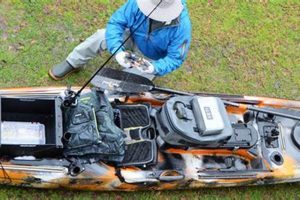
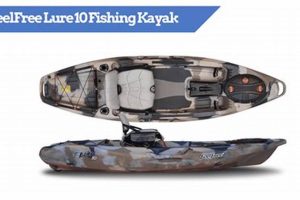
Different kayak types offer distinct advantages for specific fishing scenarios. Sit-on-top kayaks, known for their stability and self-bailing design, are well-suited for inshore fishing in calmer waters. Their open design allows for easy access to gear and facilitates casting and retrieving. Sit-in kayaks, offering greater protection from the elements and enhanced paddling efficiency, are suitable for longer excursions or colder conditions. Specialized fishing kayaks often feature built-in rod holders, anchor trolleys, and live wells, further enhancing angling functionality. Matching kayak type to individual needs and preferences ensures a comfortable and productive fishing experience.
Appropriate kayak selection optimizes fishing success and safety in Tampa Bay’s diverse waters. Considering factors such as stability, maneuverability, storage, and intended fishing location ensures a compatible vessel. Choosing the right kayak contributes significantly to overall enjoyment and enhances the ability to effectively target specific species in their preferred habitats. The interplay between kayak choice and fishing location underscores the importance of careful planning and preparation for any kayak fishing excursion in Tampa Bay.
4. Essential Gear

Appropriate gear selection directly impacts safety and success in kayak fishing within Tampa Bay. The unique demands of this activity necessitate specific equipment choices to enhance angling effectiveness, ensure angler comfort, and prioritize safety on the water. Understanding the function and importance of essential gear contributes significantly to a positive and productive fishing experience.
- Paddles and Personal Flotation Device (PFD)
A high-quality paddle, appropriately sized for the angler and kayak, ensures efficient propulsion and maneuverability. A comfortable and properly fitted PFD is a non-negotiable safety requirement, providing essential buoyancy in case of capsizing or unexpected emergencies. These items are fundamental for safe and effective kayak operation.
- Rods, Reels, and Tackle
Rod and reel selection depends on targeted species and fishing techniques. Lighter tackle is often preferred for inshore species like snook and redfish, while heavier gear may be necessary for larger game fish like tarpon. A selection of lures, hooks, lines, and weights allows anglers to adapt to varying conditions and target different species effectively.
- Safety and Navigation Equipment
Essential safety equipment includes a whistle, signaling device (mirror or flare), and a first-aid kit. A waterproof GPS device or chartplotter assists with navigation, especially in unfamiliar waters or challenging conditions. These items enhance safety and preparedness on the water.
- Storage and Organization
Dry bags or waterproof containers protect essential gear, electronics, and personal items from water damage. A well-organized tackle box or storage system streamlines access to lures and terminal tackle, maximizing fishing efficiency. Proper storage ensures gear remains readily available and in optimal condition.
The interplay between these essential gear components contributes significantly to a successful and safe kayak fishing experience in Tampa Bay. Proper gear selection enhances angling effectiveness, minimizes potential risks, and maximizes enjoyment on the water. By understanding the function and importance of each item, anglers can make informed decisions that contribute to a positive and productive outing.
5. Safety Precautions
Safety precautions are paramount in kayak fishing within Tampa Bay. The dynamic environment, characterized by changing weather, varying tides, and potential boat traffic, necessitates a proactive approach to risk management. Neglecting safety protocols can lead to serious consequences, ranging from minor injuries to life-threatening situations. A comprehensive understanding of potential hazards and the implementation of appropriate safety measures are crucial for mitigating risks and ensuring an enjoyable fishing experience.
Several factors contribute to the importance of safety precautions. Sudden weather changes, common in the Tampa Bay area, can create hazardous conditions for kayakers. Strong winds and thunderstorms can generate choppy waters, increasing the risk of capsizing. Tidal currents, particularly around inlets and bridges, can create strong flows that challenge even experienced paddlers. Boat traffic, including large vessels with limited visibility of smaller kayaks, presents another significant hazard. Understanding these potential risks and implementing preventative measures is essential for a safe outing. Wearing a personal flotation device (PFD), carrying a whistle and signaling device, checking weather forecasts before departure, and informing someone of the float plan are critical safety practices. Practical examples underscore the importance of these precautions. A PFD can provide essential buoyancy if a kayak capsizes due to unexpected waves or a collision. A whistle and signaling device can attract attention in case of an emergency or disorientation. Prior knowledge of weather conditions allows anglers to avoid potentially dangerous situations altogether.
In conclusion, prioritizing safety precautions is non-negotiable for kayak fishing in Tampa Bay. The dynamic environment and inherent risks associated with on-water activities necessitate a proactive approach to risk management. Implementing appropriate safety measures, understanding potential hazards, and making informed decisions significantly reduce the likelihood of incidents. This proactive approach ensures not only angler safety but also contributes to a more enjoyable and productive fishing experience. Challenges such as changing weather patterns and navigating busy waterways reinforce the critical importance of continuous vigilance and adherence to established safety protocols.
6. Tidal Influence

Tidal influence exerts a significant impact on kayak fishing success within Tampa Bay. Fish behavior, feeding patterns, and accessibility to prime fishing locations are directly correlated with tidal fluctuations. Understanding tidal cycles and their effects on the local ecosystem is crucial for maximizing angling opportunities. Incoming tides flood shallow flats and mangrove shorelines, providing access to areas otherwise unreachable by kayak. These rising waters often stimulate fish activity, creating prime feeding windows. Conversely, outgoing tides concentrate fish in deeper channels and troughs, requiring anglers to adjust their locations and techniques accordingly. This dynamic interplay between tides and fish behavior necessitates strategic planning and adaptation.
Practical examples highlight the significance of tidal influence. Redfish, a popular target species in Tampa Bay, often “tail” in shallow flats during flood tides, actively feeding on crustaceans and small baitfish exposed by the rising water. Snook, another prized gamefish, ambush prey along mangrove shorelines and near creek mouths during incoming tides. Understanding these patterns allows anglers to position themselves strategically for optimal presentations. Ignoring tidal influence can lead to unproductive fishing trips, highlighting the practical significance of incorporating tidal data into pre-fishing planning. Resources such as tide charts, online tide prediction tools, and local fishing reports provide valuable information for anticipating tidal movements and their associated impacts on fishing conditions.
In summary, tidal influence represents a critical factor in kayak fishing success within Tampa Bay. The dynamic relationship between tidal fluctuations and fish behavior necessitates an informed approach to location selection, timing, and angling techniques. Challenges such as rapidly changing tides and unpredictable weather patterns underscore the importance of continuous assessment and adaptation on the water. Integrating tidal knowledge into pre-fishing planning and on-the-water decision-making processes significantly enhances angling opportunities and contributes to a more productive and rewarding kayak fishing experience.
7. Local Regulations
Adherence to local regulations is essential for responsible and sustainable kayak fishing in Tampa. These regulations, designed to protect fish populations and maintain the health of the aquatic ecosystem, govern aspects such as licensing requirements, catch limits, size restrictions, and permitted fishing areas. Compliance ensures the long-term viability of this recreational activity and preserves the natural resources of Tampa Bay for future generations. Ignoring these regulations can result in penalties and contribute to the degradation of the local environment.
- Fishing Licenses
Obtaining the appropriate fishing license is a fundamental requirement for all anglers in Tampa Bay. Different licenses exist for residents and non-residents, and specific endorsements may be required for saltwater fishing. Licenses can be obtained online, from authorized retailers, or through the Florida Fish and Wildlife Conservation Commission (FWC). Failure to possess a valid license can result in fines and legal repercussions.
- Catch Limits and Size Restrictions
Regulations dictate catch limits and size restrictions for various species. These limits are designed to prevent overfishing and protect breeding populations. For example, redfish have specific slot size limits, meaning only fish within a certain size range can be harvested. Exceeding catch limits or keeping undersized or oversized fish violates regulations and can result in penalties. Consulting the FWC regulations website provides up-to-date information on specific species regulations.
- Permitted Fishing Areas and Closed Seasons
Certain areas within Tampa Bay may be designated as protected habitats or sanctuaries where fishing is prohibited or restricted. Closed seasons, designed to protect spawning fish, may also apply to specific species. Understanding these spatial and temporal restrictions is essential for legal and responsible fishing. Nautical charts, online maps, and local fishing regulations provide information on designated fishing areas and applicable closures.
- Responsible Fishing Practices
Beyond specific regulations, responsible fishing practices contribute to the overall health of the ecosystem. Proper catch-and-release techniques minimize stress on released fish, increasing their chances of survival. Avoiding fishing in sensitive habitats, such as seagrass beds, helps protect these vital nurseries. Disposing of fishing line and other debris properly prevents entanglement and pollution. These practices, while not always legally mandated, demonstrate respect for the environment and contribute to the sustainability of the fishery.
Understanding and adhering to these local regulations are crucial for ethical and sustainable kayak fishing in Tampa Bay. Compliance protects fish populations, preserves the integrity of the ecosystem, and ensures the continued enjoyment of this recreational activity for future generations. These regulations, combined with responsible fishing practices, contribute to the long-term health and viability of Tampa Bay’s valuable fishery resources. Disregarding regulations not only carries legal ramifications but also undermines conservation efforts and jeopardizes the future of this popular pastime.
Frequently Asked Questions
This section addresses common inquiries regarding kayak fishing in Tampa Bay, providing concise and informative responses to facilitate informed decision-making and enhance the overall fishing experience.
Question 1: What are the prime locations for kayak fishing in Tampa Bay?
Locations like Cockroach Bay, Weedon Island Preserve, and the Hillsborough River offer diverse fishing opportunities. Specific location choices depend on targeted species and angler experience. Researching various locations and consulting local fishing reports provides valuable insights.
Question 2: What essential gear is required for kayak fishing in Tampa?
Essential gear includes a kayak appropriate for the intended fishing location, a paddle, a PFD, fishing rods and reels, tackle suited to target species, safety equipment (whistle, signaling device, first-aid kit), and navigation aids (GPS or charts). Proper gear selection enhances safety and fishing success.
Question 3: What are the primary target species for kayak anglers in Tampa Bay?
Popular target species include snook, redfish, trout, tarpon, and snapper. Species selection influences location choice, tackle, and fishing techniques. Understanding fish behavior and habitat preferences increases angling success.
Question 4: How does tidal influence affect kayak fishing in Tampa Bay?
Tidal fluctuations significantly impact fish behavior and feeding patterns. Incoming tides flood shallow flats and stimulate fish activity, while outgoing tides concentrate fish in deeper channels. Consulting tide charts and understanding tidal influence optimizes fishing strategies.
Question 5: What safety precautions should kayak anglers observe in Tampa Bay?
Essential safety precautions include wearing a PFD, carrying a whistle and signaling device, checking weather forecasts, informing someone of the fishing plan, and being aware of boat traffic. Prioritizing safety minimizes risks and ensures an enjoyable outing.
Question 6: Where can one find information on local fishing regulations and licensing requirements?
The Florida Fish and Wildlife Conservation Commission (FWC) website provides comprehensive information on fishing regulations, licensing requirements, catch limits, size restrictions, and closed seasons. Adhering to these regulations is crucial for responsible and legal fishing.
Understanding these key aspects contributes to a safe, productive, and enjoyable kayak fishing experience in Tampa Bay. Thorough preparation and adherence to safety guidelines and regulations enhance angling success while preserving the local ecosystem.
This information provides a foundation for successful kayak fishing in Tampa Bay. Further exploration into advanced techniques, specific species-targeting strategies, and local resources will enhance angling proficiency and overall enjoyment.
Kayak Fishing Tampa
This exploration has provided a comprehensive overview of kayak fishing in Tampa Bay, encompassing key aspects such as location selection, targeted species, essential gear, safety precautions, tidal influence, and local regulations. Understanding these interconnected elements is crucial for maximizing angling success, ensuring angler safety, and promoting responsible fishing practices. The diverse ecosystem of Tampa Bay offers unique opportunities for anglers to engage with the natural environment while pursuing a variety of fish species. Strategic planning, informed decision-making, and respect for the local environment contribute significantly to a rewarding kayak fishing experience.
Kayak fishing in Tampa Bay represents a dynamic interplay between angler skill, environmental awareness, and the pursuit of a rewarding recreational experience. The information presented here serves as a foundation for informed participation in this activity. Continued exploration of advanced techniques, specific species-targeting strategies, and evolving local conditions will further enhance angling proficiency and promote sustainable engagement with this valuable coastal resource. The future of kayak fishing in Tampa Bay relies on responsible practices and a commitment to preserving the ecological integrity of this unique environment.