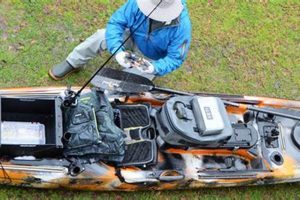
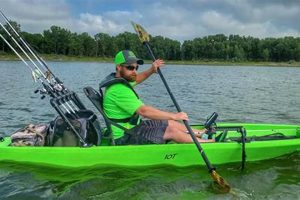
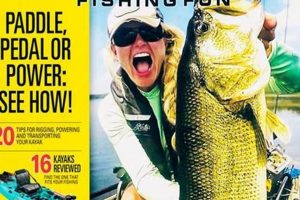
This pursuit combines the thrill of angling with the unique perspective and access provided by kayaks in the Pacific waters off the Oregon coast. It offers anglers the opportunity to target a variety of species, from rockfish and lingcod near shore to salmon and albacore further offshore, depending on the season and location. Specialized equipment, including fishing kayaks outfitted with rod holders, fish finders, and safety gear, is typically employed.
The activity provides a close-to-nature experience, allowing anglers to explore diverse marine environments while engaging in a sustainable and challenging form of fishing. Historically, indigenous peoples of the region utilized watercraft for fishing, demonstrating a long-standing connection between humans and the ocean in this area. The modern iteration with specialized kayaks allows for greater range and access to fishing grounds, contributing to its increasing popularity as a recreational and sporting activity. It fosters an appreciation for the marine ecosystem and promotes responsible stewardship of coastal resources.
Further exploration of this topic will cover essential safety considerations, recommended equipment and techniques, popular fishing locations along the Oregon coast, and relevant regulations governing this activity.
Tips for Pacific Northwest Kayak Angling
Preparation and adherence to safety guidelines are crucial for a successful and safe experience. The following tips provide valuable insights for anglers venturing into Oregon’s coastal waters.
Tip 1: Check Weather and Ocean Conditions: Prior to departure, consult marine forecasts for wind speed, wave height, and swell direction. Postponing trips due to unfavorable conditions prioritizes angler safety.
Tip 2: File a Float Plan: Inform someone on shore of the intended fishing location, launch time, and expected return. This ensures a timely response in case of emergencies.
Tip 3: Wear Appropriate Safety Gear: A personal flotation device (PFD) is essential. A wetsuit or drysuit provides thermal protection in cold Pacific waters. Carrying a VHF radio enables communication in emergencies.
Tip 4: Equip the Kayak Properly: Securely mount rod holders, fish finders, and other essential gear. Ensure proper storage for catches and equipment to maintain stability. Carry a bilge pump and paddle leash.
Tip 5: Practice Self-Rescue Techniques: Re-entering a kayak in open water requires skill. Practicing self-rescue and assisted rescue techniques in calm conditions prepares anglers for unexpected situations.
Tip 6: Respect Wildlife and the Environment: Observe wildlife from a safe distance and avoid disturbing marine habitats. Adhere to catch and release guidelines when appropriate. Pack out all trash and fishing line.
Tip 7: Be Aware of Regulations: Obtain the necessary fishing licenses and familiarize oneself with regulations regarding catch limits, size restrictions, and prohibited areas.
Adherence to these guidelines significantly enhances angler safety and contributes to a positive and sustainable experience on the water. Careful planning and responsible practices allow for enjoyment of the unique opportunities offered by this Pacific Northwest pursuit.
By considering these tips and engaging in thorough preparation, anglers can maximize their chances of a safe and rewarding experience while contributing to the preservation of Oregon’s coastal ecosystems. This focus on safety and responsibility ensures the continued enjoyment of this unique activity for generations to come.
1. Safety Equipment

Safety equipment is paramount for ocean kayak fishing in Oregon due to the dynamic and sometimes unpredictable nature of the Pacific Ocean. Proper equipment mitigates risks and ensures angler well-being, allowing for a focused and enjoyable fishing experience.
- Personal Flotation Device (PFD)
A properly fitted PFD is non-negotiable. It provides essential buoyancy in case of capsizing or unexpected immersion in cold water, increasing survival chances significantly. Oregon law requires PFDs on all human-powered vessels. Type III PFDs, designed for paddling and offering greater freedom of movement, are generally preferred for kayak fishing.
- Communication Devices
Reliable communication is crucial for summoning assistance in emergencies. A VHF radio, preferably waterproof and with a dedicated distress channel, allows direct contact with the Coast Guard and other vessels. Cell phones, while useful, may have limited reception in offshore areas and should not be relied upon solely. Signaling devices like flares and whistles provide additional means of attracting attention.
- Navigation and Visibility Aids
Navigating the Oregon coast requires awareness of location and potential hazards. A chartplotter or GPS device aids in position tracking and route planning. A compass provides directional guidance in case of electronic failures. Carrying a waterproof flashlight or headlamp enhances visibility in low-light conditions or fog. Reflective tape on the kayak and PFD improves visibility to other vessels.
- Safety Accessories
Essential safety accessories further enhance preparedness on the water. A bilge pump and paddle leash prevent loss of critical equipment in the event of a capsize. A first-aid kit equipped for marine-specific injuries provides immediate care for minor injuries. A knife, readily accessible on the PFD, allows for cutting fishing line or other entanglements. Carrying a signaling mirror and a whistle adds further layers of redundancy to emergency communication.
The combination of these safety elements contributes significantly to a secure and responsible approach to ocean kayak fishing in Oregon. Prioritizing safety enhances the overall fishing experience and promotes responsible enjoyment of this demanding yet rewarding pursuit.
2. Ocean Conditions
Ocean conditions exert a significant influence on the feasibility and safety of kayak fishing along the Oregon coast. Understanding and respecting these conditions is crucial for a successful and safe experience. Neglecting these factors can expose anglers to substantial risks, impacting both the enjoyment and outcome of fishing trips. This section explores key facets of ocean conditions relevant to kayak angling in Oregon.
- Swells
Swells, generated by distant weather systems, contribute significantly to wave height and period. Large swells, particularly combined with local wind waves, create challenging conditions for kayak anglers. Steep, closely spaced swells can capsize kayaks, while long-period swells can create strong currents and unpredictable wave behavior near shore. Monitoring swell forecasts is essential for safe trip planning.
- Tides
Tidal fluctuations affect water depth, current strength, and access to fishing grounds. Incoming tides can create favorable currents for accessing shallow areas or inlets, while outgoing tides can enhance fishing in channels and river mouths. Strong tidal currents, especially near headlands and constrictions, present navigational challenges for kayakers. Understanding local tide charts is crucial for planning launch and retrieval times, as well as for identifying productive fishing areas.
- Wind
Wind significantly impacts kayak handling and angler safety. Strong onshore winds can create challenging paddling conditions and increase the risk of capsizing. Offshore winds, while seemingly calm near shore, can quickly carry kayakers further out to sea, making return difficult. Checking wind forecasts, particularly considering the potential for rapid changes, is crucial before embarking on a kayak fishing trip.
- Currents
Ocean currents, influenced by tides, wind, and bathymetry, can create complex and dynamic water movement. These currents impact kayak navigation and the drift of fishing lines. Strong currents can make holding position difficult, especially when fishing near structure. Understanding local current patterns and their interaction with tides and wind is essential for efficient and safe kayak fishing. Consulting current charts and local knowledge provides valuable insights for navigating these dynamic waters.
Careful consideration of these interconnected ocean conditions is fundamental for safe and productive kayak fishing in Oregon. Planning trips around favorable conditions, monitoring forecasts, and possessing a strong understanding of local dynamics significantly enhance both safety and the likelihood of angling success. This proactive approach allows anglers to fully appreciate the unique opportunities offered by the Oregon coast while minimizing potential risks associated with dynamic ocean environments.
3. Kayak Selection

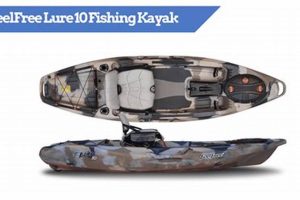
Kayak selection significantly influences the safety and effectiveness of ocean kayak fishing along the Oregon coast. The chosen vessel must contend with variable conditions including wind, swells, currents, and potential encounters with marine wildlife. Stability, maneuverability, and storage capacity are key considerations. An inappropriate kayak can compromise safety, limit access to fishing grounds, and reduce overall enjoyment. For instance, a short, recreational kayak lacks the stability and tracking required for open ocean conditions, potentially leading to capsizing or difficulty maintaining position in currents. Conversely, a longer, purpose-built fishing kayak with a stable hull design and ample storage provides a safer and more effective platform for tackling Oregon’s coastal waters.
Several kayak types are suitable for Oregon ocean kayak fishing, each offering distinct advantages and disadvantages. Sit-on-top kayaks, favored for their self-bailing design and ease of re-entry after a capsize, excel in rougher conditions. Sit-in kayaks, offering greater protection from the elements and a drier ride, are well-suited for colder waters and calmer days. Inflatable kayaks, while offering portability and affordability, may be less suitable for demanding ocean conditions. Pedal-powered kayaks allow anglers to maintain position and cover greater distances without paddling, freeing hands for fishing. Within each category, factors such as length, width, hull design, and weight capacity influence performance and suitability for specific fishing styles and locations.
Selecting the appropriate kayak for Oregon ocean kayak fishing necessitates careful consideration of individual needs, experience level, and target fishing locations. Prioritizing stability and seaworthiness enhances safety in challenging conditions. Adequate storage accommodates essential gear, catches, and safety equipment. Evaluating kayak features against anticipated conditions ensures a balanced approach between performance, comfort, and safety. Ultimately, a well-chosen kayak contributes significantly to a successful and rewarding Oregon ocean kayak fishing experience.
4. Target Species

Target species selection significantly influences the techniques, equipment, and location choices for ocean kayak fishing in Oregon. The diverse marine ecosystem off the Oregon coast supports a variety of fish species, each with unique habitat preferences and behavioral patterns. Understanding these characteristics allows anglers to optimize their approach, increasing the likelihood of a successful and rewarding fishing experience. Matching fishing methods to target species ensures efficient use of time and resources while promoting ethical and sustainable fishing practices.
- Rockfish
Rockfish comprise a diverse group of species inhabiting rocky reefs and kelp forests along the Oregon coast. Commonly targeted species include black rockfish, blue rockfish, and canary rockfish. Their preference for structure makes them accessible to kayak anglers fishing near shore. Techniques such as bottom fishing with jigs or bait are effective for targeting rockfish. Regulations regarding species-specific catch limits and depth restrictions are in place to ensure sustainable rockfish populations.
- Lingcod
Lingcod, another demersal species, often share habitat with rockfish. They are prized for their size and fighting ability, making them a popular target for kayak anglers. Lingcod are ambush predators, often found near rocky structures or wrecks. Large jigs, swimbaits, and live bait are effective for enticing lingcod strikes. Regulations regarding size limits and seasons aim to protect breeding populations and maintain sustainable lingcod fisheries.
- Salmon
Salmon species, including Chinook and Coho, migrate along the Oregon coast, offering seasonal fishing opportunities for kayak anglers. Trolling with downriggers or flashers and hoochies is a common technique for targeting salmon. Identifying areas with favorable currents and baitfish concentrations increases the chances of encountering migrating salmon. Regulations regarding salmon fishing vary by season and species, requiring anglers to stay informed about current rules and licensing requirements.
- Albacore Tuna
Albacore tuna, a pelagic species, migrate offshore during warmer months, providing opportunities for experienced kayak anglers. Trolling with cedar plugs or feathers is a common technique for targeting albacore. These excursions require specialized kayaks equipped for open ocean conditions and longer distances. Anglers pursuing albacore must be prepared for challenging weather and sea conditions, prioritizing safety and navigational skills. Regulations regarding albacore catch limits contribute to the sustainable management of this valuable fishery.
By understanding the behavior, habitat preferences, and applicable regulations for each target species, kayak anglers can refine their techniques and maximize their chances of success. This knowledge contributes to a more informed and rewarding fishing experience, promoting both ethical angling practices and the long-term health of Oregon’s coastal fisheries. Furthermore, adapting fishing strategies to specific target species allows anglers to experience the full diversity of Oregon’s marine ecosystem, from nearshore reefs to open ocean waters.
5. Fishing Techniques
Fishing techniques employed in Oregon ocean kayak fishing adapt to the targeted species, prevailing conditions, and the unique challenges presented by the kayak angling environment. Effective techniques maximize catch potential while prioritizing safety and minimizing environmental impact. Understanding these methods and their appropriate application contributes significantly to a successful and rewarding experience. Choosing the correct technique, coupled with appropriate tackle and knowledge of local fish behavior, enhances angling success while promoting responsible fishing practices.
- Trolling
Trolling involves dragging lures or bait behind a moving kayak. This technique effectively covers water, targeting pelagic species such as salmon and albacore tuna. Downriggers allow precise depth control, presenting lures at the desired level in the water column. Flashers and hoochies, combined with bait or artificial lures, attract salmon. Cedar plugs and feathers are commonly used for albacore. Trolling speed and direction adapt to target species and current conditions.
- Bottom Fishing
Bottom fishing targets species inhabiting nearshore reefs and rocky structures, such as rockfish and lingcod. This technique employs weighted lures or bait presented near the seabed. Jigs, often tipped with bait, effectively attract rockfish and lingcod. Heavy tackle and strong line are necessary to extract these powerful fish from their rocky habitat. Knowledge of local bottom structure and depth contours enhances effectiveness.
- Jigging
Jigging involves vertically presenting lures, often metal jigs, to attract fish. This technique effectively targets species holding near structure or suspended in the water column. Rapid, erratic movements of the jig mimic the action of injured baitfish, enticing strikes from rockfish, lingcod, and other predatory species. Varying jigging techniques, such as lift-and-drop or yo-yo retrieves, cater to specific species and conditions.
- Drift Fishing
Drift fishing involves allowing the kayak to drift with the current or wind while presenting bait or lures. This technique effectively covers water and targets a variety of species, including surfperch, greenling, and flatfish. Live bait, such as sand crabs or pile worms, is commonly used for drift fishing. Weighting the line ensures proper presentation at the desired depth. Adjusting drift speed and direction optimizes coverage and presentation.
These techniques, adapted to the specific conditions and target species encountered in Oregon ocean kayak fishing, provide anglers with a diverse toolkit for maximizing their success. Proper technique selection, combined with appropriate tackle and a strong understanding of fish behavior, enhances the overall experience while promoting responsible and sustainable fishing practices. The dynamic nature of ocean kayak fishing necessitates adaptability and a willingness to adjust techniques based on prevailing conditions and observed fish activity.
Frequently Asked Questions
This section addresses common inquiries regarding ocean kayak fishing in Oregon, providing concise and informative responses to facilitate informed decision-making and enhance safety awareness.
Question 1: What are the essential safety precautions for ocean kayak fishing in Oregon?
Essential precautions include wearing a personal flotation device (PFD), carrying a VHF radio, checking weather forecasts, filing a float plan, and possessing self-rescue skills. Cold water protection through wetsuits or drysuits is also critical.
Question 2: What type of kayak is best suited for ocean fishing in Oregon?
Longer, sit-on-top kayaks designed for stability in rougher conditions are generally preferred. Key features include ample storage, rod holders, and rudder systems. Kayak selection should align with individual experience and target fishing locations.
Question 3: What fishing licenses and regulations are applicable to ocean kayak fishing in Oregon?
A valid Oregon fishing license and adherence to all associated regulations are mandatory. Regulations encompass catch limits, size restrictions, and species-specific seasons. Information is available through the Oregon Department of Fish and Wildlife.
Question 4: What are the most common target species for kayak anglers in Oregon?
Common targets include rockfish, lingcod, salmon, and albacore tuna. Species availability varies seasonally and by location. Understanding target species’ habitat preferences informs location choices and fishing techniques.
Question 5: Where are popular launch sites for ocean kayak fishing along the Oregon coast?
Popular launch sites vary based on target species and prevailing conditions. Protected bays and estuaries offer calmer launch points, while more experienced anglers may access open ocean areas from designated beaches. Local knowledge and careful assessment of launch conditions are crucial.
Question 6: What are the potential hazards associated with ocean kayak fishing in Oregon?
Potential hazards include changing weather conditions, strong currents, large swells, capsizing, interactions with marine wildlife, and hypothermia. Thorough preparation, adherence to safety guidelines, and continuous awareness of surrounding conditions mitigate these risks.
Prioritizing safety, understanding local regulations, and possessing appropriate equipment contributes significantly to a rewarding and safe experience. Continuous learning and adaptation to dynamic ocean conditions are essential for responsible and successful kayak angling.
Beyond these FAQs, further exploration can delve into specific aspects of Oregon ocean kayak fishing, such as advanced techniques, species-specific tackle selection, or detailed regional guides for optimal fishing locations.
Conclusion
This exploration of Oregon ocean kayak fishing has highlighted the multifaceted nature of this pursuit. From essential safety considerations and equipment choices to understanding ocean conditions and employing effective fishing techniques, successful kayak angling requires careful planning and execution. The diverse range of target species, from nearshore rockfish to open-ocean albacore, offers anglers a unique and rewarding experience. Respect for the marine environment, adherence to regulations, and continuous learning remain paramount for the sustainable enjoyment of this activity.
The Oregon coast presents both opportunities and challenges for kayak anglers. By prioritizing safety, understanding the dynamic interplay of ocean conditions and species behavior, and adopting responsible fishing practices, anglers can experience the profound rewards of this demanding pursuit. The future of Oregon ocean kayak fishing relies on a collective commitment to conservation and ethical angling, ensuring the continued health of the marine ecosystem and the preservation of this unique recreational opportunity.