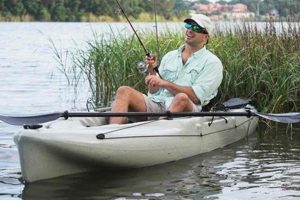
![Best Kayak Fishing Videos on YouTube [2024] | Certified Kayak Fishing Instructor – Learn Kayak Angling with Expert Guidance](data:image/svg+xml;base64,PHN2ZyB4bWxucz0iaHR0cDovL3d3dy53My5vcmcvMjAwMC9zdmciIHdpZHRoPSI0NzQiIGhlaWdodD0iMjY2IiB2aWV3Qm94PSIwIDAgNDc0IDI2NiI+PHJlY3Qgd2lkdGg9IjEwMCUiIGhlaWdodD0iMTAwJSIgc3R5bGU9ImZpbGw6I2NmZDRkYjtmaWxsLW9wYWNpdHk6IDAuMTsiLz48L3N2Zz4= "Kayak Fishing") Kayak Fishing Videos on YouTube [2024]" width="100%" style="margin-right: 8px;margin-bottom: 8px;" />
Kayak Fishing Videos on YouTube [2024]" width="100%" style="margin-right: 8px;margin-bottom: 8px;" />Videos showcasing angling from kayaks have become a prominent genre on the online video platform. This content typically features anglers demonstrating techniques, reviewing equipment, exploring different waterways, and documenting their catches. Examples include tutorials on rigging specific lures for kayak fishing, comparisons of various kayak models, and footage of fishing trips to diverse locations.
This digital content offers a valuable resource for both novice and experienced kayak anglers. It provides readily accessible information on a wide range of topics, from basic paddling and safety procedures to advanced fishing strategies. The visual format allows viewers to observe techniques in action, promoting a deeper understanding than written instructions alone. Historically, information sharing within the fishing community relied heavily on print media and local clubs. Online video platforms have democratized knowledge dissemination, connecting a global audience and facilitating rapid growth in the sport’s popularity.
This article will delve further into the multifaceted world of this online video genre, exploring topics such as the most popular channels, the evolution of content trends, and the impact of these videos on the kayak fishing community. It will also examine the role of technology in enhancing both the viewing experience and the practice of kayak fishing itself.
Tips for Kayak Fishing
This section offers practical advice gleaned from expert anglers featured on online video platforms, covering essential aspects of kayak fishing, from pre-trip planning to on-the-water techniques.
Tip 1: Prioritize Safety: Always wear a personal flotation device (PFD). Check weather forecasts and water conditions before embarking. Carry a communication device and inform someone of your planned route and return time.
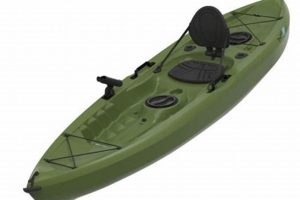
Tip 2: Choose the Right Kayak: Kayak selection depends on fishing style and target species. Sit-on-top kayaks offer stability and ease of access, while sit-inside kayaks provide better protection from the elements. Consider factors such as storage capacity, maneuverability, and weight capacity.
Tip 3: Master Basic Paddling Strokes: Efficient paddling conserves energy and allows anglers to cover more water. Practice forward, reverse, and turning strokes to navigate effectively and position the kayak for optimal casting.
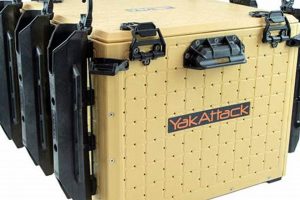
Tip 4: Organize Tackle and Gear: Utilize tackle boxes and storage solutions designed for kayak fishing. Keep essential gear within easy reach and secure loose items to prevent loss or entanglement.
Tip 5: Understand Fish Behavior: Research the target species and their preferred habitats. Consider factors such as water temperature, depth, and structure when selecting fishing locations.
Tip 6: Practice Casting Techniques: Refine casting accuracy and distance from a seated position. Consider using shorter rods and specialized kayak fishing techniques to improve casting control.
Tip 7: Respect the Environment: Practice catch-and-release whenever possible. Adhere to local fishing regulations and minimize impact on the natural environment.
By implementing these tips, anglers can enhance their kayak fishing experience, improving safety, efficiency, and overall success on the water.
These tips provide a solid foundation for a successful and enjoyable kayak fishing experience. The following section will conclude this exploration by summarizing key takeaways and offering further resources.
1. Informative Tutorials

Informative tutorials constitute a cornerstone of kayak fishing content on YouTube. These videos provide structured instruction on various aspects of the sport, catering to anglers of all skill levels. From basic paddling techniques to advanced rigging strategies, tutorials offer valuable knowledge and contribute significantly to the growth and accessibility of kayak fishing.
- Kayak Selection and Setup
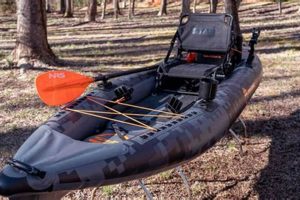
Tutorials focusing on kayak selection guide viewers through the process of choosing the right vessel for their needs. Factors such as hull design, stability, storage capacity, and propulsion systems are often discussed. These videos may also cover outfitting a kayak with fishing-specific accessories, like rod holders, fish finders, and anchor trolleys. Real-world examples demonstrate how different kayak features perform in various fishing scenarios, empowering viewers to make informed purchasing decisions and optimize their on-the-water experience.
- Paddling and Navigation Techniques
Efficient paddling is essential for covering water and reaching productive fishing spots. Tutorials dedicated to paddling techniques demonstrate proper stroke mechanics, maneuvering in different conditions (wind, current, waves), and utilizing navigational tools like GPS and charts. Examples often include on-the-water demonstrations, highlighting the impact of various paddling techniques on speed, stability, and stealth. This knowledge is crucial for maximizing fishing time and ensuring angler safety.
- Rigging and Fishing Techniques
Targeting specific fish species from a kayak often requires specialized rigging and fishing techniques. Tutorials on this topic cover knot tying, lure selection, bait presentation, and fish fighting strategies. Viewers can learn how to rig different types of fishing lines, choose appropriate hooks and weights, and present lures effectively in various water depths and structures. Demonstrations of effective techniques, combined with explanations of fish behavior, enhance viewers’ understanding and improve their chances of success.
- Safety Procedures and Emergency Preparedness
Safety is paramount in kayak fishing. Tutorials dedicated to safety procedures cover topics such as wearing personal flotation devices (PFDs), checking weather forecasts, carrying communication devices, and practicing self-rescue techniques. These videos often showcase real-life scenarios and demonstrate the importance of preparedness in preventing accidents and handling emergencies effectively. This focus on safety reinforces responsible angling practices and contributes to a positive and sustainable kayak fishing community.
The availability of these informative tutorials on YouTube has significantly lowered the barrier to entry for aspiring kayak anglers. The platform’s accessibility and visual learning format make it an invaluable resource for both beginners and experienced anglers seeking to refine their skills, explore new techniques, and ultimately enhance their enjoyment of the sport.
2. Equipment Reviews

Equipment reviews constitute a significant segment of kayak fishing content on YouTube, serving as a valuable resource for anglers researching and evaluating gear. These reviews provide in-depth analyses of various products, from kayaks and paddles to fishing rods, reels, and electronics. The impact of these reviews extends beyond simple product demonstrations, influencing purchasing decisions and shaping consumer perceptions within the kayak fishing community. The cause-and-effect relationship between these reviews and consumer behavior is evident; positive reviews often lead to increased product demand, while negative reviews can steer consumers toward alternative options. For example, a comprehensive review showcasing the stability and maneuverability of a specific kayak model can directly influence its sales among viewers seeking those attributes.
The importance of equipment reviews within the broader context of kayak fishing on YouTube lies in their ability to provide unbiased assessments and practical insights. Reviewers often test products in real-world fishing scenarios, demonstrating their performance under various conditions. This practical approach offers viewers a more realistic understanding of a product’s capabilities than traditional advertising. Furthermore, many reviewers focus on specific niches within kayak fishing, such as targeting certain species or fishing in particular environments. This specialization allows viewers to find reviews tailored to their individual needs and preferences. For instance, an angler targeting bass in shallow rivers would benefit from reviews focusing on kayaks designed for maneuverability in tight spaces, rather than those designed for open ocean fishing. This targeted approach enhances the practical significance of these reviews for the viewer.
In summary, equipment reviews on YouTube play a crucial role in informing purchasing decisions within the kayak fishing community. The combination of practical demonstrations, unbiased assessments, and niche specialization empowers viewers to select the most suitable gear for their specific fishing styles and target species. This, in turn, contributes to a more informed and prepared angling community, enhancing both the safety and enjoyment of the sport. One challenge, however, lies in discerning genuinely unbiased reviews from sponsored content, requiring viewers to critically evaluate the source and methodology of each review. This critical approach ensures that viewers can make informed decisions based on credible information.
3. Location Showcases

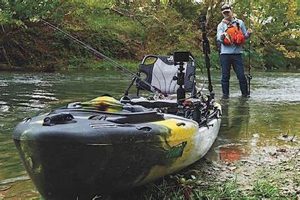
Location showcases represent a compelling facet of kayak fishing content on YouTube. These videos transcend mere fishing demonstrations; they offer virtual explorations of diverse waterways, highlighting the inherent connection between angling and the natural environment. This connection fosters a deeper appreciation for the sport and inspires viewers to discover new fishing destinations. The cause-and-effect relationship between location showcases and viewer engagement is significant. Visually appealing footage of pristine lakes, winding rivers, and coastal estuaries can pique viewers’ interest and motivate them to explore similar locations. For example, a video showcasing kayak fishing in a remote mountain lake might inspire viewers to research access points, fishing regulations, and necessary gear for their own expeditions. The practical significance of this connection lies in its potential to expand angling horizons and promote responsible exploration of natural environments.
The importance of location showcases as a component of kayak fishing content on YouTube stems from their ability to provide valuable context. A video demonstrating specific fishing techniques gains added relevance when presented within the context of a particular location. Viewers gain insights into the relationship between the environment, target species, and effective fishing strategies. For instance, a video demonstrating fly fishing techniques for trout in a fast-flowing river provides more practical value than a generic tutorial detached from a specific environment. Furthermore, location showcases can highlight the ecological diversity of different waterways, promoting awareness of conservation efforts and responsible fishing practices. A video showcasing the unique flora and fauna of a mangrove estuary can educate viewers about the importance of preserving these delicate ecosystems. This educational aspect adds depth and social relevance to kayak fishing content.
In summary, location showcases contribute significantly to the richness and educational value of kayak fishing content on YouTube. They inspire exploration, provide valuable context for fishing techniques, and promote environmental awareness. The challenge, however, lies in balancing the allure of showcasing pristine locations with the responsibility of preventing overfishing and environmental damage. Content creators must consider the potential impact of their videos and encourage viewers to practice sustainable angling and respect the natural world. This mindful approach ensures that location showcases serve not only as entertainment but also as tools for promoting responsible engagement with the environment.
4. Fishing Techniques

Effective fishing techniques are central to successful kayak angling, and YouTube serves as a comprehensive platform for learning and refining these skills. Videos offer detailed demonstrations and explanations of various techniques, enabling anglers to adapt their approaches based on target species, water conditions, and kayak-specific limitations. This accessibility to diverse instructional content contributes significantly to the growth and development of kayak fishing expertise.
- Casting Techniques from a Kayak
Casting from a seated position in a kayak presents unique challenges compared to shore fishing. Videos demonstrate techniques for maximizing casting distance and accuracy while maintaining balance and stability. Examples include underhand casts, sidearm casts, and specialized kayak fishing rods designed for confined spaces. Mastering these techniques is crucial for effectively presenting lures or bait to target fish without compromising angler safety.
- Trolling from a Kayak
Trolling involves dragging lures or bait behind a moving kayak. Videos demonstrate techniques for controlling trolling speed, selecting appropriate lures for different depths, and using rod holders and other equipment to manage multiple lines. Examples include trolling for various species like trout, salmon, or walleye. This technique allows anglers to cover larger areas and target specific depths or structures, maximizing their chances of encountering fish.
- Drift Fishing from a Kayak
Drift fishing involves allowing the kayak to move naturally with the current while presenting bait or lures. Videos demonstrate techniques for controlling drift speed, positioning the kayak in relation to current seams and eddies, and detecting bites while managing the kayak’s movement. Examples include drift fishing for catfish in rivers or targeting bottom-dwelling species in lakes. This technique requires precise boat control and a keen understanding of water flow dynamics.
- Anchor Positioning and Kayak Control
Maintaining position in a kayak while fishing is crucial for presenting bait effectively and fighting hooked fish. Videos demonstrate techniques for deploying and retrieving anchors, utilizing drift socks or stake-out poles, and positioning the kayak in relation to wind, current, and structure. Examples include anchoring in a specific spot to target a school of fish or utilizing a drift sock to maintain a controlled drift along a riverbank. Precise kayak control enhances fishing efficiency and ensures angler safety.
The availability of instructional videos on these diverse fishing techniques contributes significantly to the utility and appeal of kayak fishing content on YouTube. By providing anglers with readily accessible knowledge and visual demonstrations, these videos empower viewers to improve their skills, adapt to various fishing scenarios, and ultimately enhance their on-the-water success and enjoyment. Furthermore, these videos often feature experienced anglers sharing their insights and expertise, fostering a sense of community and mentorship within the broader kayak fishing world.
5. Catch Documentation
Catch documentation forms an integral component of kayak fishing content on YouTube, serving as both a record of angling success and a valuable source of information for the broader community. This documentation goes beyond simply displaying captured fish; it provides insights into effective techniques, successful locations, and the overall kayak fishing experience. The practice of documenting catches has evolved alongside the growth of online video platforms, transforming from personal logs to shared knowledge resources that shape angling practices and foster community engagement.
- Visual Evidence and Storytelling
Videos showcasing catches provide visual evidence of successful fishing trips, validating the effectiveness of techniques and equipment used. This visual element enhances storytelling, allowing anglers to share their experiences in a more engaging and relatable manner. For example, a video documenting the capture of a largemouth bass might include footage of the strike, the fight, and the eventual landing of the fish, creating a compelling narrative that resonates with viewers. This visual storytelling aspect contributes significantly to the appeal and entertainment value of kayak fishing content.
- Species Identification and Data Collection
Catch documentation often includes details about the species caught, their size, and the location of capture. This information contributes to a collective database of angling data, providing insights into fish distribution, population dynamics, and the effectiveness of different fishing strategies. For example, documenting the consistent capture of a specific species in a particular area can indicate a healthy population and inform management decisions. This data collection aspect adds a scientific dimension to catch documentation, promoting a deeper understanding of aquatic ecosystems.
- Technique Validation and Community Learning
Sharing details about the techniques and equipment used to capture fish allows viewers to learn from successful anglers. This knowledge sharing fosters community learning and encourages experimentation with different approaches. For example, a video documenting the capture of a trout using a specific fly fishing technique can inspire other anglers to try that technique in similar environments. This validation of effective techniques accelerates the development of angling skills within the community and promotes continuous improvement.
- Ethical Considerations and Conservation Awareness
Responsible catch documentation emphasizes ethical handling practices and promotes conservation awareness. Videos often showcase proper fish handling techniques, catch-and-release protocols, and adherence to local fishing regulations. For example, a video documenting the release of a trophy fish highlights the importance of conservation and encourages responsible angling practices. This focus on ethical considerations fosters a culture of respect for the environment and contributes to the long-term sustainability of kayak fishing.
In conclusion, catch documentation plays a multifaceted role in kayak fishing content on YouTube. It serves as a record of achievement, a source of information, a platform for storytelling, and a tool for promoting ethical angling practices. By combining visual narratives with valuable data and educational insights, catch documentation elevates the online kayak fishing experience, fostering a sense of community and contributing to a deeper appreciation for the sport and the environment it encompasses.
6. Community Interaction

Community interaction forms a vital aspect of kayak fishing content on YouTube, transforming the platform from a passive viewing experience into a dynamic hub for knowledge sharing, collaborative learning, and social connection among anglers. This interaction fosters a sense of belonging within the broader kayak fishing community, transcends geographical boundaries, and facilitates a continuous exchange of information that enriches the overall angling experience. The cause-and-effect relationship between community interaction and content engagement is substantial. Active participation in comment sections, online forums, and social media groups strengthens the connection between content creators and their audience, leading to increased viewership, enhanced content relevance, and a more vibrant online community. For example, a creator responding to viewer questions about specific fishing techniques fosters a sense of reciprocal engagement and encourages further interaction.
The importance of community interaction as a component of kayak fishing on YouTube lies in its ability to democratize knowledge and promote inclusivity. Experienced anglers can share their expertise with beginners, offering advice, answering questions, and providing valuable insights that might otherwise be inaccessible. This mentorship dynamic accelerates skill development and fosters a supportive learning environment. Furthermore, community interaction enables anglers to connect with others who share their passion for kayak fishing, regardless of geographical location. This virtual camaraderie strengthens the sense of community and encourages collaboration, such as organizing group fishing trips or sharing local fishing reports. For instance, anglers in different regions can exchange information about seasonal fishing patterns, effective lure choices, and local regulations, enhancing their individual fishing experiences through collective knowledge. This practical application underscores the value of community interaction in expanding angling horizons and fostering a more informed and connected community.
In summary, community interaction plays a crucial role in shaping the online kayak fishing experience. It fosters knowledge sharing, promotes inclusivity, strengthens social connections, and enhances content relevance. The challenge, however, lies in maintaining a positive and respectful online environment. Content creators and community moderators must actively address issues such as misinformation, negativity, and inappropriate behavior to ensure that the platform remains a welcoming and productive space for all members. This proactive approach is essential for nurturing a thriving online community that contributes positively to the growth and enjoyment of kayak fishing.
7. Safety Guidelines

Safety guidelines constitute a critical aspect of kayak fishing content on YouTube, serving as a vital resource for promoting responsible angling practices and mitigating risks inherent in the sport. This focus on safety reinforces the importance of preparedness, responsible decision-making, and a proactive approach to risk management. The cause-and-effect relationship between readily accessible safety information and angler behavior is significant. Clear and concise safety guidelines presented through videos can influence viewer behavior, promoting safer practices on the water and potentially preventing accidents. For example, a video demonstrating proper techniques for self-rescue in the event of a capsize can empower viewers to react effectively in such a situation, potentially averting a dangerous outcome. The practical significance of this connection lies in its potential to reduce accidents and promote a culture of safety within the kayak fishing community.
The importance of safety guidelines as a component of kayak fishing content on YouTube stems from the platform’s reach and accessibility. Videos provide a highly effective medium for communicating safety information, combining visual demonstrations with clear explanations to enhance viewer comprehension and retention. Furthermore, safety guidelines presented within the context of specific fishing scenarios gain added relevance. For example, a video discussing cold-water safety protocols within the context of winter kayak fishing provides more practical value than generic safety tips detached from a specific environment. This targeted approach maximizes the impact of safety messages and enhances their practical application. Addressing specific risks associated with various locations, such as navigating strong currents or dealing with unpredictable weather conditions, further reinforces the importance of location-specific safety considerations. Practical demonstrations of essential safety equipment, like personal flotation devices (PFDs), flares, and communication devices, enhance viewer understanding of their function and importance in emergency situations.
In summary, safety guidelines play a vital role in promoting responsible kayak fishing practices within the online community. The accessible nature of YouTube videos, combined with targeted safety information and practical demonstrations, empowers viewers to make informed decisions, mitigate risks, and enhance their overall safety on the water. The challenge, however, lies in ensuring consistent dissemination and reinforcement of these guidelines. Content creators must prioritize safety messaging and integrate it seamlessly into their videos to maximize its impact and cultivate a culture of safety consciousness within the kayak fishing community. This ongoing effort contributes significantly to the long-term well-being of anglers and the sustainable enjoyment of the sport.
Frequently Asked Questions
This FAQ section addresses common inquiries regarding kayak fishing information found on YouTube, aiming to clarify potential misconceptions and provide viewers with practical guidance.
Question 1: How reliable is the information presented in kayak fishing videos on YouTube?
Information reliability varies depending on the source. Viewers should critically evaluate the credibility of each channel by considering factors such as the presenter’s experience, demonstrated expertise, and alignment with established safety guidelines. Cross-referencing information with reputable angling organizations and seeking professional instruction when necessary can further enhance safety and knowledge development.
Question 2: Can one learn kayak fishing solely from watching YouTube videos?
While videos offer valuable insights and demonstrations, they should not be considered a replacement for practical experience and professional guidance, especially regarding safety procedures. Combining online learning with on-the-water practice under the supervision of experienced instructors is crucial for developing comprehensive skills and ensuring safe angling practices.
Question 3: What are the most important safety precautions to consider before embarking on a kayak fishing trip?
Essential precautions include wearing a personal flotation device (PFD), checking weather forecasts and water conditions, informing someone of the trip plan, carrying a communication device, and possessing basic navigation skills. Thorough pre-trip planning significantly mitigates potential risks.
Question 4: How does one choose the right kayak for fishing?
Kayak selection depends on individual fishing styles, target species, and the type of water being fished. Factors such as stability, maneuverability, storage capacity, and compatibility with fishing accessories should influence the decision-making process. Researching different kayak models and seeking expert advice can aid in selecting the most suitable vessel.
Question 5: Are there specific fishing regulations one needs to be aware of when kayak fishing?
Fishing regulations vary by location and may include licensing requirements, catch limits, size restrictions, and permitted fishing methods. Anglers are responsible for researching and adhering to all applicable regulations in their area. Consulting local authorities or reputable angling organizations provides up-to-date information.
Question 6: How can viewers contribute responsibly to the online kayak fishing community?
Responsible participation includes sharing accurate information, respecting diverse perspectives, adhering to online community guidelines, and promoting ethical angling practices. Constructive engagement fosters a positive and supportive environment for all community members.
By critically evaluating information, prioritizing safety, and engaging responsibly, viewers can maximize the benefits of online resources while contributing positively to the kayak fishing community.
The following section will delve deeper into specific kayak fishing techniques, offering practical advice for enhancing on-the-water success.
Conclusion
This exploration has examined the multifaceted nature of kayak fishing content on YouTube, highlighting its significance as a resource for education, community building, and promoting the sport. Key aspects analyzed include informative tutorials covering techniques and safety procedures, equipment reviews influencing purchasing decisions, location showcases inspiring exploration, detailed explanations of fishing techniques, catch documentation validating methods and promoting ethical practices, community interaction fostering knowledge sharing, and safety guidelines emphasizing responsible angling. The analysis reveals a dynamic online ecosystem that caters to diverse interests within the kayak fishing community.
The increasing popularity of kayak fishing videos underscores the evolving landscape of angling information dissemination. This digital platform democratizes access to knowledge, connects a global community of anglers, and shapes the future of the sport. Continued growth and development of this online resource hold significant potential for enhancing angling skills, promoting conservation awareness, and fostering a deeper appreciation for the natural environment. Responsible content creation and community engagement remain crucial for ensuring the positive and sustainable evolution of kayak fishing on YouTube.