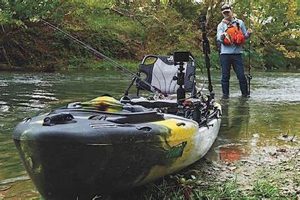
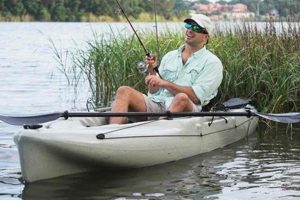
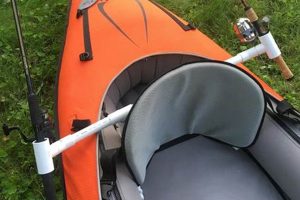
The sport of angling from a small, human-powered watercraft offers unique opportunities in Arizona’s diverse aquatic environments. This activity allows access to otherwise difficult-to-reach areas, providing close-to-the-water experiences for anglers pursuing various freshwater species.
Arizona’s numerous lakes and rivers create a rich environment for this pursuit. From high-elevation alpine lakes to desert reservoirs, the state’s varied topography allows anglers to target species such as bass, trout, catfish, and crappie. This approach to fishing promotes a low-impact, sustainable interaction with the natural world, and its increasing popularity contributes to local economies through tourism and recreational spending. The relatively low barrier to entry makes it accessible to a broad range of individuals, further increasing participation.
The following sections will delve deeper into specific locations, equipment recommendations, necessary permits and regulations, and strategies for a successful and enjoyable experience on Arizona’s waters.
Tips for Kayak Angling in Arizona
Successful outings require preparation and awareness. These tips offer guidance for a safe and productive experience on Arizona’s waters.
Tip 1: Research Location and Regulations: Prior investigation of fishing regulations, water access points, and species presence at the chosen destination is crucial. Local governing bodies provide specific rules regarding licenses, catch limits, and allowed fishing methods.
Tip 2: Prioritize Safety Equipment: A personal flotation device (PFD) is essential and should be worn at all times. Carrying a whistle, signaling device, and first-aid kit is recommended. Checking weather forecasts before departure and being aware of changing conditions on the water is critical.
Tip 3: Choose Appropriate Gear: Kayak selection depends on the intended fishing environment. Stable, sit-on-top kayaks are generally preferred. Rods and reels should be chosen based on target species. Essential tackle includes appropriate hooks, lines, lures, and bait.
Tip 4: Plan for Sun and Heat: Arizona’s climate presents unique challenges. Sun protection, including sunscreen, hats, and polarized sunglasses, is vital. Hydration is crucial; ample water should be carried. Fishing during cooler parts of the day can enhance comfort and fish activity.
Tip 5: Practice Kayak Control: Maneuvering a kayak while fishing requires practice. Learning basic paddling strokes and understanding how wind and current affect kayak position is important for maintaining control and reaching desired fishing spots.
Tip 6: Respect Wildlife and the Environment: Practice catch-and-release principles whenever possible. Properly dispose of fishing line and other waste materials. Minimize disturbance to shoreline vegetation and wildlife habitats.
Careful planning and responsible practices contribute to a rewarding and sustainable fishing experience, preserving Arizona’s natural resources for future generations.
By incorporating these tips into pre-fishing preparations, anglers can maximize their chances of success and ensure a safe and enjoyable time on the water. The subsequent section will detail specific fishing locations throughout Arizona.
1. Location Selection

Location selection significantly impacts the success and overall experience of kayak fishing in Arizona. The diverse aquatic environments across the state offer unique opportunities and challenges, requiring careful consideration of factors such as target species, water conditions, accessibility, and potential hazards. Choosing a location aligned with angler skill level and desired fishing style is essential.
For example, anglers seeking largemouth bass might choose Lake Pleasant, a large reservoir known for its bass population and relatively calm waters, suitable for various kayak types. Conversely, pursuing trout in the Verde River necessitates a maneuverable kayak designed for river currents and shallower depths. The Colorado River below Glen Canyon Dam offers opportunities for catching rainbow trout but requires experience navigating faster currents and potentially challenging water conditions. Similarly, Patagonia Lake, known for its crappie and bass fishing, presents a different set of conditions and requires specific tackle and techniques. Researching the specific regulations and access points for each location beforehand is crucial for a smooth and legal fishing trip.
Effective location selection optimizes fishing success and enhances safety. Understanding the specific characteristics of a chosen location, including water depth, current flow, potential obstacles, and prevalent fish species, allows anglers to select appropriate gear, employ effective fishing strategies, and mitigate potential risks. Careful planning and informed decision-making related to location contribute significantly to a positive and productive kayak fishing experience in Arizona.
2. Kayak Choice

Appropriate kayak selection is crucial for a successful and enjoyable kayak fishing experience in Arizona. The diverse water bodies across the state, ranging from calm lakes to flowing rivers, necessitate careful consideration of kayak design, features, and stability to ensure optimal performance and angler safety. Matching the kayak to the intended fishing environment and personal preferences significantly impacts maneuverability, comfort, and overall fishing success.
- Hull Design
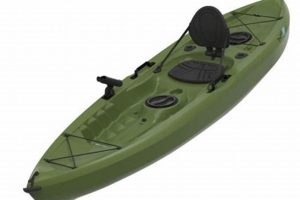
Hull design significantly influences kayak performance. Sit-on-top kayaks, known for stability and ease of entry/exit, are generally preferred for lake fishing and calmer waters. Their open design allows for easy casting and provides ample storage. Sit-in kayaks, offering greater protection from the elements and increased speed, are better suited for river fishing and colder conditions. However, they require more skill to maneuver and can be more challenging to recover from a capsize. Choosing the appropriate hull designwhether a flat-bottom for stability, a rounded hull for maneuverability, or a pontoon hull for maximum stabilitydirectly impacts fishing efficacy and safety in Arizona’s diverse waters.
- Length and Width
Kayak dimensions directly correlate with stability and tracking. Shorter, wider kayaks offer enhanced stability, ideal for calm lakes and stand-up fishing. Longer, narrower kayaks provide better tracking and speed, making them suitable for covering greater distances on larger lakes or navigating rivers. In Arizona, where conditions can vary significantly, selecting the appropriate length and width is crucial for maintaining balance in varied water conditions and efficiently reaching desired fishing spots.
- Weight Capacity
Weight capacity determines the maximum load a kayak can safely carry, including angler weight, gear, and any potential catch. Exceeding the weight capacity compromises stability and increases the risk of capsizing. Anglers planning to carry substantial fishing gear or targeting larger fish species in Arizona must select a kayak with adequate weight capacity to ensure safe and stable operation.
- Features and Accessories
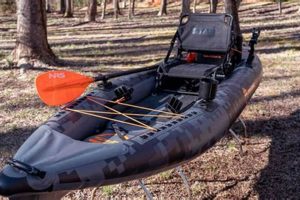
Specialized features enhance the kayak fishing experience. Rod holders, anchor trolleys, and integrated storage compartments facilitate efficient gear management and improve angler comfort. Features like rudder systems enhance maneuverability, particularly in windy or current-driven conditions commonly encountered on Arizona waters. Careful consideration of these features contributes significantly to a more organized and productive fishing trip.
Choosing the right kayak is fundamental to successful kayak fishing in Arizona. Balancing stability, maneuverability, and features specific to the intended fishing environment optimizes angler performance and safety. Careful evaluation of hull design, dimensions, weight capacity, and available features ensures a comfortable and productive experience on the water, allowing anglers to fully enjoy Arizonas diverse fishing opportunities.
3. Essential Gear

Appropriate gear selection significantly impacts safety and success in kayak fishing within Arizona’s diverse aquatic environments. From personal safety equipment to specialized fishing tackle, each item plays a crucial role in ensuring a productive and enjoyable experience. Understanding the function and importance of essential gear allows anglers to prepare adequately for the unique challenges and opportunities presented by Arizona’s waters.
- Personal Flotation Device (PFD)
A properly fitted PFD is paramount for safety. Arizona law requires all watercraft, including kayaks, to have a US Coast Guard-approved PFD onboard for each occupant. Wearing a PFD at all times, especially in unpredictable desert conditions, significantly mitigates risks associated with unexpected capsizing or immersion. Choosing a PFD designed for paddling allows for comfortable movement and casting while providing essential buoyancy.
- Paddle and Leash
A high-quality paddle, appropriate for kayak length and angler height, ensures efficient propulsion and maneuverability. A paddle leash prevents loss in the event of a capsize, a crucial consideration, especially in flowing water or larger lakes. Choosing a lightweight yet durable paddle minimizes fatigue during long fishing trips on Arizona waters.
- Fishing Tackle and Equipment
Rods, reels, lines, hooks, lures, and bait should be selected based on target species and fishing location. Lighter tackle is often suitable for species like trout and crappie, while heavier gear is necessary for larger fish like bass or catfish. Incorporating tackle specific to Arizona’s prevalent species, like bass jigs or trout spinners, enhances fishing success. A tackle box or bag keeps equipment organized and accessible within the limited space of a kayak.
- Safety and Navigation Tools
Essential safety equipment includes a whistle for signaling, a waterproof first-aid kit for minor injuries, and a communication device (e.g., waterproof cell phone or VHF radio) for emergencies. Navigation tools, such as a GPS unit or chart plotter, are valuable, particularly on larger bodies of water like Lake Powell or Roosevelt Lake. Checking weather conditions before departure and being aware of changing conditions on the water are crucial safety practices.
Careful selection and proper utilization of essential gear directly contribute to a safe and successful kayak fishing experience in Arizona. Prioritizing safety equipment, choosing appropriate fishing tackle, and utilizing navigation tools enhance angler preparedness and mitigate potential risks, allowing for a more focused and enjoyable time on the water. By understanding the importance of each piece of gear and its specific function, anglers can confidently explore the diverse fishing opportunities that Arizona offers.
4. Safety Precautions

Safety precautions are paramount for kayak fishing in Arizona, where diverse water conditions and remote locations present inherent risks. Prioritizing safety ensures angler well-being and allows for a more focused and enjoyable fishing experience. Understanding and implementing appropriate safety measures are crucial for mitigating potential hazards and responding effectively to unforeseen circumstances on the water.
- Personal Flotation Devices (PFDs)
Wearing a U.S. Coast Guard-approved PFD is not only legally mandated but also essential for survival in the event of capsizing or accidental immersion. Arizona’s waters, ranging from swift rivers to deep lakes, necessitate consistent PFD use. Selecting a comfortable and appropriately sized PFD, designed for paddling, ensures unrestricted movement while fishing.
- Weather Awareness and Monitoring
Arizona’s weather can change rapidly, posing challenges for anglers on the water. Checking weather forecasts before embarking and consistently monitoring conditions during outings are crucial. Sudden storms, strong winds, and extreme heat can create hazardous situations. Having a plan for seeking shelter or returning to shore in case of inclement weather is essential.
- Communication and Signaling Devices
Carrying communication and signaling devices facilitates emergency contact and increases the likelihood of prompt assistance if needed. A waterproof cell phone, VHF radio, or personal locator beacon (PLB) allows for communication with emergency services or other boaters. A whistle can signal distress in situations where electronic devices are unavailable or malfunctioning.
- Sun and Heat Protection
Arizona’s intense sun and heat pose significant risks to anglers. Prolonged exposure can lead to dehydration, heat exhaustion, and sunburn. Wearing appropriate clothing, including wide-brimmed hats and long-sleeved shirts, applying sunscreen regularly, and carrying ample water are essential precautions. Planning fishing trips during cooler parts of the day can also mitigate heat-related risks.
Implementing these safety precautions significantly enhances angler safety and preparedness during kayak fishing trips in Arizona. Careful planning, appropriate gear selection, and consistent adherence to safety guidelines contribute to a more enjoyable and secure experience on the water, allowing anglers to focus on fishing while minimizing potential risks.
5. Fishing Regulations
Adhering to fishing regulations established by the Arizona Game and Fish Department (AGFD) is essential for the sustainability of the state’s aquatic ecosystems and the continued enjoyment of kayak fishing. These regulations govern various aspects of recreational fishing, ensuring responsible practices and protecting fish populations. Understanding and complying with these rules is crucial for all anglers, regardless of fishing platform, including those engaging in kayak fishing throughout Arizona.
- Licenses and Permits
Possessing a valid fishing license is mandatory for anyone fishing in Arizona waters. Different license types exist, including resident and non-resident licenses, as well as special licenses for specific species. Anglers must obtain the appropriate license before fishing from a kayak and carry it with them while on the water. Information on license types, fees, and purchasing options is available on the AGFD website.
- Catch Limits and Size Restrictions
Regulations stipulate catch limits for different species, helping to maintain healthy fish populations. Size restrictions, specifying minimum and/or maximum lengths for certain species, protect younger fish and breeding-sized adults. Anglers must be aware of these limits and adhere to them strictly. Measuring catches accurately and releasing fish that do not meet size requirements ensures compliance.
- Allowed Fishing Methods and Gear
Regulations may restrict specific fishing methods and gear types in certain areas or for specific species. For example, some waters may prohibit the use of live bait, while others may restrict the number of hooks or lines allowed. Kayak anglers must be familiar with these restrictions and utilize permitted methods and gear. Information on allowed fishing methods is available through the AGFD.
- Designated Fishing Areas and Closures
Certain areas may be designated as catch-and-release only, artificial lure only, or may be closed entirely to fishing for specific periods to protect vulnerable fish populations during spawning seasons or other critical periods. Kayak anglers must respect these designations and fish only in permitted areas. Information regarding closures and restricted areas can be found on the AGFD website and through local fishing regulations.
Compliance with fishing regulations is a fundamental aspect of responsible kayak fishing in Arizona. By understanding and adhering to these rules, anglers contribute to the long-term health of fish populations and the preservation of fishing opportunities for future generations. Observing catch limits, using permitted gear and methods, respecting closed areas, and carrying a valid license are essential practices for ethical and sustainable kayak fishing in the state. Ignoring regulations can result in fines and jeopardize the privilege of fishing in Arizona’s diverse waters.
6. Target Species

Target species selection significantly influences kayak fishing strategies and location choices in Arizona. The diverse fish populations across the state’s various aquatic environments offer unique angling opportunities. Understanding the habitat preferences, feeding behaviors, and seasonal patterns of target species allows anglers to optimize their approach and maximize their chances of success. This knowledge also contributes to responsible fishing practices, ensuring minimal impact on fish populations and preserving the ecological balance of Arizona’s waterways.
- Largemouth Bass
Largemouth bass, a popular target species in Arizona, inhabit lakes and reservoirs, preferring structures like submerged vegetation, rocky outcrops, and fallen trees. Anglers often target them using lures that mimic baitfish or crawfish, employing techniques like casting and retrieving along weed lines or structure edges. Understanding seasonal patterns, such as their preference for shallower waters during spawning season, enhances angling success. Lakes like Pleasant, Roosevelt, and Havasu are known for their largemouth bass populations.
- Rainbow Trout
Rainbow trout thrive in Arizona’s cooler, higher elevation streams, rivers, and lakes. They are often found in areas with good water flow and oxygen levels. Anglers typically target them using lures like spinners, spoons, and flies, or bait such as worms and PowerBait. Understanding their feeding habits, which vary with water temperature and insect hatches, is crucial for successful trout fishing. The Verde River, Lee’s Ferry below Glen Canyon Dam, and Oak Creek are popular destinations for rainbow trout fishing.
- Channel Catfish
Channel catfish are prevalent in many of Arizona’s lakes and rivers. They are bottom-dwelling fish and are often found in deeper water or near structures. Anglers typically target them using bait such as stinkbait, chicken liver, or prepared catfish baits. Understanding their scavenging nature and preference for murky water conditions enhances angling success. Lake Pleasant, Saguaro Lake, and the lower Colorado River are known for their channel catfish populations.
- Crappie
Crappie are a popular panfish species found in many Arizona lakes and reservoirs. They often congregate around submerged structures like brush piles, docks, and standing timber. Anglers target them using small jigs, minnows, or other small lures fished under a bobber or vertically jigged near structure. Understanding their schooling behavior and preference for deeper water during warmer months improves fishing success. Patagonia Lake, Alamo Lake, and Bartlett Lake are productive crappie fisheries.
Targeting specific species in Arizona requires an understanding of their individual habitat preferences, feeding behaviors, and seasonal patterns. This knowledge informs location choices, kayak selection (stability for lake fishing versus maneuverability for rivers), and the choice of appropriate fishing gear and techniques. By aligning these factors, kayak anglers can enhance their fishing experience and contribute to the sustainable management of Arizonas diverse fish populations.
7. Environmental Awareness

Environmental awareness is integral to responsible kayak fishing in Arizona. Minimizing impact on the delicate balance of aquatic ecosystems ensures their preservation for future generations and contributes to the overall health and sustainability of these valuable natural resources. Practicing Leave No Trace principles and understanding the interconnectedness of human actions with the natural world are crucial for all kayak anglers.
- Aquatic Ecosystem Preservation
Kayak fishing offers a low-impact method of interacting with aquatic environments compared to motorized boats. However, responsible practices, such as avoiding disturbing nesting sites of riparian birds or stirring up sediment in spawning beds, are crucial. Understanding the life cycles of aquatic organisms and the potential impacts of fishing activities on their habitats fosters environmental stewardship. Protecting sensitive areas, like shallow-water nurseries, ensures the long-term health of these ecosystems.
- Waste Management and Pollution Prevention
Proper disposal of fishing line, hooks, and other waste materials is vital. Discarded fishing line poses a significant threat to wildlife, especially birds and turtles, which can become entangled. Avoiding the use of lead tackle minimizes the risk of lead poisoning in aquatic organisms. Carrying reusable containers for food and water minimizes plastic waste entering waterways. Proper waste management practices help preserve the pristine nature of Arizona’s aquatic environments.
- Respect for Wildlife and Habitats
Observing wildlife from a respectful distance minimizes disturbance and stress to animals. Avoiding close approaches to nesting areas or feeding grounds allows animals to continue their natural behaviors undisturbed. Practicing catch-and-release fishing, when appropriate, promotes healthy fish populations. Handling fish carefully minimizes injury and increases their chances of survival upon release. Respectful interaction with wildlife enhances the overall kayaking experience and contributes to the preservation of Arizona’s biodiversity.
- Invasive Species Awareness
Invasive species pose a significant threat to native aquatic ecosystems. Anglers should be vigilant in preventing the spread of invasive plants and animals by cleaning their kayaks and gear thoroughly after each fishing trip. Removing any visible plant matter or clinging organisms, draining bilge water, and allowing kayaks to dry completely before entering a new water body helps prevent cross-contamination. Reporting any suspected invasive species sightings to the AGFD aids in early detection and management efforts.
By integrating these principles of environmental awareness into their fishing practices, kayak anglers contribute significantly to the conservation of Arizonas aquatic ecosystems. Responsible behavior ensures the continued health and vitality of these environments, preserving their natural beauty and supporting the diverse array of species that inhabit them. This commitment to environmental stewardship ultimately benefits both the natural world and future generations of anglers who will enjoy these resources.
Frequently Asked Questions
This section addresses common inquiries regarding kayak fishing in Arizona, providing concise and informative responses to assist anglers in planning and executing successful outings.
Question 1: What are the most popular species to target while kayak fishing in Arizona?
Popular targets include largemouth bass, smallmouth bass, crappie, channel catfish, flathead catfish, sunfish, and trout species like rainbow and brown trout, depending on the specific water body and season. Researching prevalent species in the intended fishing location is recommended.
Question 2: Are there specific regulations regarding kayak fishing in Arizona?
Standard fishing regulations, including licensing requirements, catch limits, and size restrictions, apply to all fishing methods, including kayak fishing. Regulations are enforced by the Arizona Game and Fish Department (AGFD). Consulting the AGFD website or contacting local offices provides the most up-to-date information.
Question 3: What safety precautions are essential for kayak fishing in Arizona?
Essential precautions include wearing a personal flotation device (PFD), carrying a whistle and communication device, checking weather forecasts before departure, being aware of potential hazards like fluctuating water levels and strong winds, and informing someone of fishing plans and estimated return time.
Question 4: What essential gear is recommended for kayak fishing in Arizona?
Essential gear includes a properly fitted PFD, a suitable paddle and leash, appropriate fishing rods, reels, and tackle, a first-aid kit, sun protection (hat, sunglasses, sunscreen), ample water, and navigation tools (GPS, map, compass). Specific gear requirements may vary based on target species and location.
Question 5: Where can suitable kayaks for fishing be purchased or rented in Arizona?
Numerous sporting goods stores, outdoor retailers, and dedicated kayak outfitters throughout Arizona offer fishing kayaks for purchase or rent. Online marketplaces also provide options for acquiring new or used kayaks. Researching local options and comparing prices and features are recommended.
Question 6: What are the primary advantages of kayak fishing compared to fishing from shore or a motorboat?
Kayak fishing provides access to shallow, secluded areas often inaccessible to larger boats, offering a stealthier approach for targeting fish. It’s environmentally friendly, promoting a closer connection with nature. It is also generally less expensive than owning and operating a motorboat, while providing greater mobility and range compared to shore fishing.
Careful planning and preparation are essential for safe and enjoyable kayak fishing excursions. Understanding regulations, prioritizing safety, and selecting appropriate gear enhance angling experiences on Arizona’s diverse waterways.
For further information, consult the Arizona Game and Fish Department website or contact local fishing organizations.
Kayak Fishing Arizona
This exploration of angling from human-powered watercraft in Arizona has highlighted the diverse opportunities available statewide. From high-desert lakes to flowing rivers, the unique combination of landscape and aquatic environments provides anglers with varied experiences. Key considerations for success and safety include appropriate kayak selection, adherence to regulations, essential gear utilization, and environmental awareness. Informed preparation and responsible practices are crucial for maximizing enjoyment and minimizing impact on these valuable natural resources.
The continued growth and popularity of this activity underscore its accessibility and appeal. As more individuals discover the rewards of this close-to-nature pursuit, responsible stewardship and informed participation will become increasingly vital for preserving Arizona’s aquatic ecosystems and ensuring the future of this rewarding recreational activity.