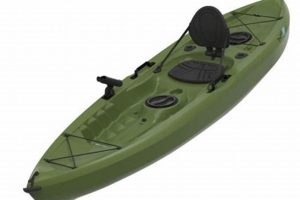
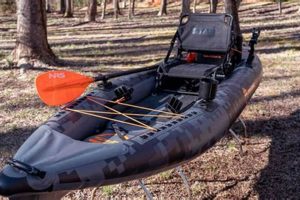
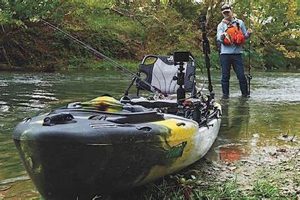
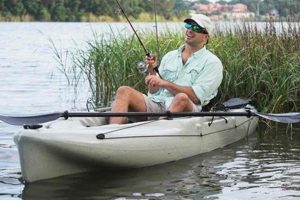
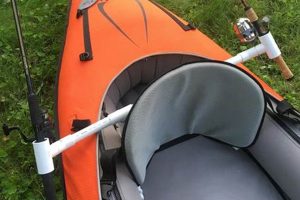
This activity involves angling from a small, human-powered watercraft in the waters surrounding Wellington, New Zealand. It offers a unique blend of recreation, sport, and connection with nature. Anglers can access shallow waters and secluded spots unreachable by larger vessels, increasing the likelihood of encountering diverse marine life. For example, launching from one of the many boat ramps allows access to various fishing grounds within Wellington Harbour or along the exposed south coast.
The sheltered waters of Wellington Harbour provide a relatively safe and accessible environment for both novice and experienced anglers. The region’s rich biodiversity offers opportunities to catch a variety of species, contributing to the local economy through tourism and recreational spending. Historically, small boats have played a vital role in fishing practices around Wellington, evolving from traditional Mori waka to modern kayaks equipped with specialized fishing gear. This enduring connection to the water highlights the importance of sustainable fishing practices to preserve the marine environment for future generations.
The following sections will explore specific locations, techniques, equipment, and regulations relevant to anglers in the Wellington region. Further topics will cover safety considerations, responsible fishing practices, and the unique challenges and rewards this activity presents.
Tips for Kayak Angling in Wellington
Successful angling from a kayak in Wellington requires preparation and awareness of specific local conditions. The following tips offer guidance for a safe and productive experience.
Tip 1: Check the marine weather forecast. Wellington’s weather can change rapidly. Consulting forecasts before departure is crucial for safety and comfort. Pay attention to wind speed, direction, and swell height.
Tip 2: Choose appropriate safety gear. A life jacket is essential. Carrying a communication device, such as a VHF radio or a waterproofed mobile phone, allows contact in emergencies. A signaling device, like a flare, is also recommended.
Tip 3: Plan the fishing route. Consider tides, currents, and potential access points. Familiarize oneself with local regulations regarding fishing zones and species limits. Having a map and compass or GPS device is advisable.
Tip 4: Secure equipment effectively. Rods, reels, tackle boxes, and other gear should be securely fastened to the kayak to prevent loss in the event of a capsize. Utilizing appropriate storage solutions ensures accessibility while maintaining stability.
Tip 5: Practice paddling and kayak control before venturing out. Gaining experience in handling a kayak, especially in varying wind and water conditions, improves stability and safety during the fishing trip. Practice self-rescue techniques.
Tip 6: Respect the environment. Adhere to sustainable fishing practices. Avoid disturbing wildlife and dispose of waste responsibly. Be mindful of other water users.
Tip 7: Dress for the conditions. Wellington’s waters can be cold, even in summer. Layering clothing provides flexibility and protection from the elements. Waterproof outerwear is recommended.
Careful planning and adherence to safety guidelines contribute significantly to a positive experience on the water. These precautions enhance both enjoyment and success while minimizing potential risks.
By understanding the specific challenges and opportunities presented by Wellington’s waters, anglers can maximize their chances of a rewarding and memorable fishing trip. The following section offers further information on local resources and regulations.
1. Safety Equipment

Safeguarding against unforeseen circumstances is paramount in kayak fishing, particularly in Wellington’s dynamic marine environment. Proper safety equipment contributes significantly to angler well-being and successful outings. The following facets highlight essential safety considerations.
- Personal Flotation Device (PFD)
A correctly fitted PFD is non-negotiable. It provides essential buoyancy in the event of capsize or unexpected immersion. Wellington’s cool waters necessitate a PFD designed for thermal protection. Automatic inflatable PFDs offer comfort but require regular maintenance checks.
- Communication Devices
Maintaining communication capabilities is crucial for summoning assistance if necessary. A waterproof VHF radio enables direct contact with maritime authorities. Mobile phones, stored in waterproof cases, offer an alternative, though network coverage may be limited in some areas. Signaling devices, like flares or personal locator beacons (PLBs), provide additional means of attracting attention in emergencies.
- Navigation and Visibility Aids
Navigating Wellington’s waters requires appropriate tools. A chart, compass, or GPS device aids in route planning and orientation. Carrying a waterproof flashlight or headlamp assists in low-light conditions. Attaching reflective tape or lights to the kayak enhances visibility to other vessels, especially during early morning or evening fishing trips.
- Safety Gear Storage
Effective stowage of safety equipment ensures accessibility in critical situations. PFDs must be worn at all times. Communication devices and signaling equipment should be stored in readily accessible, waterproof compartments. Regularly inspecting and maintaining all safety gear ensures proper functionality when needed.
Prioritizing safety equipment contributes significantly to a positive and secure kayak fishing experience in Wellington. Comprehensive preparation empowers anglers to manage unforeseen situations effectively, fostering confidence and enjoyment on the water. Understanding the specific conditions and potential hazards within Wellington’s waters underscores the importance of appropriate safety measures.
2. Weather Conditions

Weather conditions significantly influence kayak fishing in Wellington. Understanding and adapting to prevailing weather patterns is crucial for both safety and fishing success. Ignoring weather forecasts can lead to hazardous situations and unproductive trips. Careful consideration of wind, waves, and temperature ensures a safe and enjoyable experience.
- Wind
Wellington is known for its strong and changeable winds. Onshore winds can create challenging launching and landing conditions, while offshore winds, while potentially creating calmer waters near shore, can quickly carry kayakers far out to sea. Checking wind forecasts from reliable sources, such as the MetService, is crucial before venturing out. Understanding wind direction and speed helps determine suitable launch locations and safe fishing areas.
- Waves and Swell
Swell height and direction impact kayak stability and angler comfort. Large swells, common along Wellington’s exposed south coast, can easily capsize a kayak. Harbour conditions are generally calmer, offering more protection from ocean swells. Monitoring swell forecasts, alongside wind predictions, informs decisions about suitable fishing locations and safe paddling conditions. It is vital to avoid areas where waves break directly onto rocks or reefs.
- Temperature and Precipitation
Wellington’s weather can change rapidly, impacting angler comfort and safety. Cold air and water temperatures can lead to hypothermia, especially in situations of immersion. Dressing in layers and wearing appropriate waterproof gear is essential. Sudden changes in temperature, coupled with precipitation, can create challenging fishing conditions. Monitoring forecasts for temperature fluctuations and rainfall helps anglers prepare adequately.
- Visibility
Fog, mist, and rain can significantly reduce visibility, increasing the risk of collisions with other vessels. Reduced visibility also makes navigation more challenging. Checking forecasts for visibility conditions is crucial, particularly when fishing in areas with significant boat traffic. Carrying navigation lights and wearing bright clothing enhances visibility in low-light or foggy conditions.
Careful consideration of these weather factors is essential for safe and successful kayak fishing in Wellington. Assessing conditions before heading out allows anglers to make informed decisions about launch locations, fishing areas, and appropriate safety precautions. Regularly checking forecasts and adapting to changing weather patterns contributes significantly to an enjoyable and productive fishing experience. Ignoring these factors can compromise safety and jeopardize the overall success of the trip.
3. Tidal Movements

Tidal movements exert a significant influence on kayak fishing in Wellington. Understanding tidal cycles, currents, and their effects on fish behavior is essential for optimizing fishing success and ensuring angler safety. Ignoring tidal influences can lead to unproductive fishing trips and potentially hazardous situations. Careful consideration of tidal flows allows anglers to effectively target specific species and navigate coastal waters safely.
- Current Strength and Direction
Tidal currents in Wellington can be strong, particularly around headlands and through narrow channels. These currents affect kayak positioning and drift, requiring adjustments in paddling technique and fishing strategy. Strong currents can make paddling against the tide challenging, necessitating careful planning of routes and fishing locations. Understanding current direction is crucial for presenting baits or lures effectively and maximizing fishing success. For example, fishing near structures where currents concentrate baitfish can improve the chances of attracting larger predatory species.
- Tidal Stage and Fish Behavior
Different fish species exhibit varying activity levels throughout the tidal cycle. Some species prefer feeding during slack tide (the period of minimal water movement between high and low tide), while others become more active during the flood or ebb tide. Understanding these patterns enables anglers to target specific species effectively. For instance, snapper are often more active during a rising tide, while kahawai may be found feeding aggressively in current lines during an ebb tide. Matching fishing techniques and bait choices to the tidal stage and target species maximizes fishing opportunities.
- Water Depth and Access
Tidal changes significantly affect water depth, particularly in shallow bays and estuaries. Low tide can restrict access to certain areas, exposing shallow reefs or sandbars that impede kayak navigation. Understanding tidal levels helps anglers plan routes and access preferred fishing spots. Consulting tide charts ensures safe passage and avoids grounding the kayak. Moreover, changes in water depth influence fish distribution, requiring anglers to adapt their fishing strategies according to tidal stage.
- Safety Considerations Related to Tides
Strong tidal currents can create hazardous conditions for kayakers, especially when combined with wind and waves. Paddling against strong currents can be physically demanding and increase the risk of fatigue. Unexpected changes in tidal flow can quickly push kayakers into dangerous areas or create challenging conditions for returning to shore. Being aware of tidal predictions and understanding how currents interact with local topography is crucial for maintaining safe navigation. Avoiding areas with strong currents or navigating them during periods of slack tide minimizes potential risks.
Considering tidal movements is integral to successful and safe kayak fishing in Wellington. Understanding the interplay between tidal currents, fish behavior, and water depth enables anglers to optimize their fishing strategies and navigate the coastal environment effectively. By incorporating tidal predictions into planning processes, anglers enhance their chances of a rewarding and safe fishing experience while minimizing potential risks associated with dynamic tidal conditions.
4. Fishing Regulations
Adhering to fishing regulations is essential for the sustainability of Wellington’s fisheries and the enjoyment of future generations. Compliance ensures the protection of vulnerable species and the preservation of marine ecosystems. Regulations apply equally to all fishing methods, including kayak angling, and ignorance is not a valid excuse for non-compliance. Understanding and following these rules contributes directly to the long-term health of Wellington’s marine environment.
- Size and Catch Limits
Regulations stipulate minimum sizes for specific fish species, allowing juveniles to mature and reproduce. Catch limits restrict the number of fish an individual can take, preventing overfishing. These limits vary by species and location and are subject to change. Anglers must familiarize themselves with current regulations before fishing. For example, exceeding the daily limit for snapper or retaining undersized blue cod carries significant penalties.
- Restricted Fishing Methods and Areas
Certain fishing methods, such as the use of set nets or explosives, are prohibited to protect fish populations and minimize environmental impact. Specific areas, such as marine reserves or breeding grounds, may be closed to fishing entirely or have specific restrictions. Kayak anglers must be aware of these restrictions and ensure they fish only in permitted areas using legal methods. Fishing within a designated marine reserve, even unintentionally, constitutes a serious offense.
- Licensing Requirements
Fishing in New Zealand often requires a fishing license, which contributes to fishery management and research. Licenses can be obtained online or from authorized retailers. Kayak anglers are subject to the same licensing requirements as other anglers, and failure to possess a valid license while fishing can result in fines. It’s crucial to ensure the license covers the correct region and fishing method.
- Protected Species
Some species are fully protected and must be returned to the water immediately, even if accidentally caught. These protections aim to conserve vulnerable or endangered populations. Examples include Hector’s dolphins and certain species of sharks. Kayak anglers should familiarize themselves with protected species and handle them with care during release. Accurate identification is crucial, and if uncertain, treating the fish as protected is the best course of action.
Compliance with fishing regulations is fundamental to responsible kayak angling in Wellington. Understanding and adhering to these rules ensures the sustainability of local fisheries and the ongoing enjoyment of this activity. By respecting size and catch limits, using permitted methods, fishing in designated areas, obtaining the required licenses, and protecting vulnerable species, kayak anglers actively contribute to the health and preservation of Wellington’s marine environment. Regularly reviewing current regulations is essential, as they can be subject to change.
5. Kayak Stability

Kayak stability plays a crucial role in successful kayak fishing within Wellington’s waters. The region’s diverse marine environments, ranging from the sheltered harbour to the exposed south coast, present varying conditions that directly impact kayak stability. Maintaining balance while casting, reeling, and landing fish is essential for angler safety and fishing effectiveness. Compromised stability increases the risk of capsize, potentially leading to gear loss and dangerous situations, particularly in challenging conditions. A stable platform allows anglers to focus on fishing techniques and respond effectively to fish strikes without constantly battling to maintain balance.
Several factors influence kayak stability, including hull design, kayak width, and weight distribution. Wider kayaks generally offer greater initial stability, making them suitable for calmer waters and less experienced anglers. Longer, narrower kayaks tend to track better and handle rougher conditions but require more skill to maintain balance. Proper weight distribution within the kayak is crucial for optimizing stability. Positioning heavier items lower and towards the center enhances balance and prevents tipping. Wellington’s frequently windy conditions necessitate careful consideration of kayak stability. Strong gusts can easily destabilize a poorly balanced kayak, highlighting the importance of appropriate kayak selection and proper gear stowage. For example, attempting to stand and cast in a narrow kayak in choppy conditions within Wellington Harbour greatly increases the likelihood of capsize.
Understanding the relationship between kayak stability and the specific conditions encountered in Wellington’s waters is essential for angler safety and fishing success. Choosing a kayak with appropriate stability characteristics for the intended fishing environment contributes significantly to a positive and productive experience. Proper weight distribution and adherence to safe paddling practices further enhance stability, allowing anglers to focus on fishing rather than maintaining balance. Ignoring these factors can compromise safety and diminish the overall enjoyment of kayak fishing in Wellington.
6. Target Species
Target species selection significantly influences equipment choices, fishing locations, and techniques employed in kayak fishing around Wellington. The region’s diverse marine environment supports a variety of species, each with specific habitat preferences and behavioral patterns. Understanding these nuances allows anglers to optimize their approach and maximize their chances of success. For instance, targeting snapper, a popular species in Wellington Harbour, might involve fishing near reefs or structures using heavier tackle and bait such as pilchards or squid. Conversely, pursuing kingfish along the exposed coasts requires specialized gear, including heavier rods and reels, and often involves trolling or live bait fishing. Matching tackle, techniques, and location to the target species is crucial for effective kayak angling.
Consideration of target species also dictates specific launch sites and navigational strategies. Targeting species inhabiting shallow, sheltered bays within Wellington Harbour necessitates launching from nearby ramps or beaches, while pursuing pelagic fish like tuna or marlin requires venturing further offshore from locations like Mana or Makara. Understanding the distribution and migratory patterns of target species informs these decisions. Furthermore, specific legal restrictions, such as size and catch limits, apply to different species, requiring anglers to familiarize themselves with relevant regulations before fishing. Adhering to these regulations contributes to the sustainability of Wellington’s fisheries. For example, knowing the minimum legal size for tarakihi and possessing the appropriate measuring tools ensures compliance and responsible fishing practices.
Successful kayak angling in Wellington relies heavily on accurate target species identification and an understanding of their behavior. This knowledge allows anglers to select appropriate gear, choose productive fishing locations, employ effective techniques, and comply with relevant regulations. By considering the specific characteristics of target species, anglers enhance their chances of a rewarding fishing experience while contributing to the long-term health of the local marine ecosystem. Ignoring these factors can lead to unproductive trips and potentially unsustainable fishing practices.
7. Suitable Locations

Suitable locations are integral to successful kayak fishing in Wellington. The region offers diverse fishing grounds, each with unique characteristics influencing species presence, accessibility, and safety considerations. Choosing an appropriate location based on target species, prevailing conditions, and angler experience is crucial. Launching from a sheltered bay within Wellington Harbour, for example, provides a suitable environment for targeting snapper or flounder, particularly for less experienced kayakers. Conversely, venturing along the more exposed south coast, launching from areas like Owhiro Bay or Breaker Bay, offers opportunities to encounter pelagic species such as kingfish or kahawai but requires careful consideration of swell and wind conditions. Matching location choice to both target species and prevailing conditions maximizes fishing success and ensures angler safety.
Accessibility plays a significant role in location selection. Some areas, like parts of the Wellington south coast, require longer paddles or specific launching expertise due to rocky shorelines or limited access points. Others, such as Oriental Bay or Evans Bay within the harbour, offer easier launching options and calmer conditions, making them more suitable for novice kayakers or those seeking a less strenuous experience. Considering factors like parking availability, launching facilities, and proximity to target fishing grounds streamlines the logistical aspects of kayak fishing. Understanding these access considerations enables efficient planning and reduces potential difficulties. For instance, launching from a site with limited parking during peak season can significantly impact the overall fishing experience.
Selecting suitable locations requires careful evaluation of prevailing conditions and potential hazards. Wellington’s changeable weather necessitates constant vigilance regarding wind, swell, and tide. Launching from an exposed location during strong onshore winds or large swells can create dangerous situations. Similarly, fishing near reefs or rocky outcrops during an outgoing tide increases the risk of grounding or capsize. Consulting marine forecasts and tide charts before selecting a location is paramount for angler safety. Furthermore, awareness of local regulations regarding fishing zones and protected areas is crucial. Fishing in restricted areas can result in penalties and damage sensitive marine ecosystems. A comprehensive understanding of location-specific factors, including access, prevailing conditions, and regulations, contributes significantly to safe and successful kayak fishing in Wellington. Ignoring these factors can compromise both angler safety and the sustainability of the local fishery.
Frequently Asked Questions
This section addresses common inquiries regarding kayak fishing in Wellington, providing concise and informative responses to assist anglers in planning safe and productive fishing trips.
Question 1: What are the essential safety precautions for kayak fishing in Wellington?
Essential safety measures include wearing a Personal Flotation Device (PFD), carrying communication devices (VHF radio or mobile phone in a waterproof case), checking marine weather forecasts before departure, informing someone of the intended fishing plan, and carrying appropriate safety gear (flares, signaling devices). Regularly inspecting and maintaining safety equipment ensures proper functionality when needed. Adhering to these precautions minimizes risks associated with Wellington’s dynamic marine environment.
Question 2: Where are suitable launch sites for kayak fishing in Wellington Harbour?
Suitable launch sites within Wellington Harbour include public boat ramps at locations like Evans Bay, Oriental Bay, and Seaview Marina. Several beaches also offer launching possibilities, though careful consideration of tide and swell conditions is necessary. Choosing a launch site with convenient parking and proximity to target fishing areas enhances the overall experience. Access considerations may vary depending on specific location and time of year.
Question 3: What target species are commonly sought by kayak anglers in Wellington?
Commonly targeted species include snapper, blue cod, kahawai, and kingfish. Specific locations and techniques vary depending on target species. Snapper are often found around reefs and structures, while kahawai and kingfish may be encountered near drop-offs or along the coast. Understanding species-specific behavior and habitat preferences increases fishing success.
Question 4: Are there specific fishing regulations applicable to kayak anglers in Wellington?
Fishing regulations, including size and catch limits, apply equally to all fishing methods, including kayak angling. Specific regulations vary by species and location. Consulting the official New Zealand fishing regulations before embarking on a fishing trip ensures compliance and promotes sustainable fishing practices. Ignorance of these regulations is not considered a valid excuse for non-compliance.
Question 5: What impact do tidal movements have on kayak fishing in Wellington?
Tidal currents significantly influence fish behavior and access to certain fishing grounds. Understanding tidal cycles and their impact on target species improves fishing success. Strong currents, especially around headlands, can affect kayak positioning and require careful navigation. Consulting tide charts before planning a fishing trip enhances safety and efficiency.
Question 6: What type of kayak is recommended for fishing in Wellington’s waters?
Kayak choice depends on individual experience and intended fishing locations. Stable, sit-on-top kayaks are generally recommended for beginners and fishing in calmer waters like Wellington Harbour. Longer, sit-in kayaks offer better tracking and performance in rougher conditions along the exposed coasts but require greater paddling skill and experience. Consideration of factors like storage capacity, stability, and maneuverability informs appropriate kayak selection.
Careful consideration of these frequently asked questions contributes significantly to a safe, enjoyable, and productive kayak fishing experience in Wellington. Further information on specific regulations, safety guidelines, and local resources can be found on the Department of Conservation website and other relevant platforms.
The following section provides further details about local resources and contact information for relevant organizations.
Kayak Fishing Wellington
This exploration of kayak angling within the Wellington region has highlighted key elements crucial for a safe and rewarding experience. Factors such as weather conditions, tidal movements, safety equipment, fishing regulations, kayak stability, target species selection, and suitable locations all contribute significantly to successful outings. Emphasis has been placed on the importance of careful planning, adherence to safety guidelines, and respect for the marine environment. Understanding the interplay of these factors empowers anglers to make informed decisions, maximizing both enjoyment and success while minimizing potential risks.
The dynamic coastal environment surrounding Wellington presents unique opportunities and challenges for kayak anglers. Careful consideration of the information presented here, coupled with ongoing learning and responsible practices, ensures the sustainability of this activity and the preservation of the region’s valuable marine resources for future generations. Continued exploration of specific techniques, local knowledge, and evolving best practices will further enhance the kayak fishing experience within this vibrant and rewarding environment.