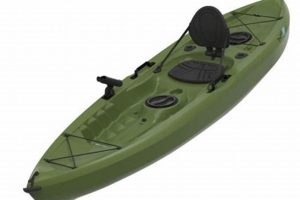
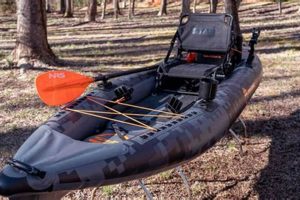
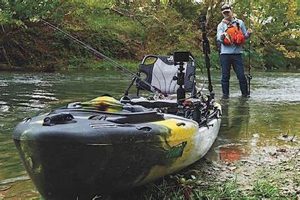
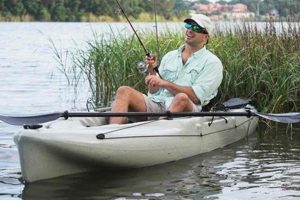
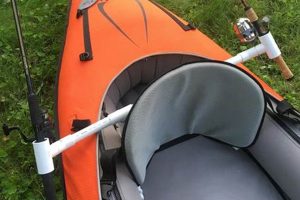
High-quality angling kayaks designed for stability, comfort, and specialized features represent a significant advancement in the sport of fishing. These watercraft often incorporate features like rod holders, tackle storage, and even livewells, enhancing the angler’s experience and efficiency. For example, a kayak might boast a pedal-driven propulsion system, freeing the angler’s hands for casting and reeling.
These specialized vessels offer significant advantages over traditional fishing boats. Their smaller size allows access to shallow waters and tighter spaces inaccessible to larger craft, opening up new fishing grounds. Furthermore, their quiet operation minimizes disturbance to fish, increasing the likelihood of a successful catch. The evolution from basic recreational kayaks to these purpose-built fishing platforms reflects a growing demand for specialized equipment that caters to the needs of serious anglers.
The following sections will delve deeper into specific features, popular models, and essential accessories, providing a comprehensive guide to selecting and utilizing the ideal fishing kayak.
Tips for Selecting and Using Fishing Kayaks
Choosing and utilizing a fishing kayak effectively requires careful consideration of several factors. The following tips offer guidance for maximizing one’s angling experience.
Tip 1: Stability is Paramount: Prioritize stability, especially for anglers who stand while fishing. Wider kayaks with flatter hulls generally offer greater stability than narrower, V-shaped hulls. Consider testing kayak stability before purchase.
Tip 2: Propulsion Matters: Evaluate different propulsion systems. Paddle kayaks offer excellent exercise and maneuverability. Pedal-driven kayaks free hands for fishing, while motor-powered kayaks cover greater distances quickly.
Tip 3: Storage Capacity is Key: Ample storage is crucial for tackle, gear, and catches. Consider kayaks with built-in storage compartments, rod holders, and bungee cords for securing equipment.
Tip 4: Comfort Enhances the Experience: A comfortable seat and adjustable footrests are essential, particularly for longer fishing trips. Look for adjustable seating systems and ample legroom.
Tip 5: Consider the Fishing Environment: Choose a kayak suited to the target fishing environment. Shorter kayaks are maneuverable in rivers and creeks, while longer kayaks track better in open water or lakes.
Tip 6: Safety First: Always wear a personal flotation device (PFD) and carry essential safety equipment, including a whistle, signaling device, and first-aid kit.
Tip 7: Practice Makes Perfect: Practice paddling and maneuvering the kayak before venturing into challenging waters. Familiarize oneself with its handling characteristics in various conditions.
By considering these factors, anglers can select a fishing kayak that enhances their experience on the water, allowing for efficient and enjoyable fishing trips.
The information provided herein offers valuable insights into selecting and using fishing kayaks effectively. Consult additional resources and expert advice for further guidance tailored to specific fishing needs.
1. Stability

Stability is a paramount consideration when selecting a fishing kayak, directly impacting angler safety and fishing effectiveness. A stable platform allows for comfortable casting, reeling, and landing fish, especially in challenging conditions. It also enables anglers to stand for better visibility and casting leverage. This section explores the key facets contributing to kayak stability.
- Hull Design:
Hull design significantly influences stability. Wider, flatter hulls generally provide greater initial stability, resisting tipping. Pontoon-style hulls offer exceptional stability, while V-shaped hulls, though less stable initially, often provide better tracking and maneuverability in open water. A kayak’s hull design should align with the intended fishing environment and angler preferences.
- Center of Gravity:
A lower center of gravity contributes to greater stability. Kayaks with a wider beam and lower profile tend to have a lower center of gravity, making them more resistant to tipping. Proper weight distribution within the kayak also plays a crucial role. Keeping heavier items low and centered enhances stability.
- Kayak Width and Length:
Wider kayaks inherently offer more stability than narrower kayaks. Longer kayaks generally track better in a straight line but can be less maneuverable. Shorter kayaks are more agile but may sacrifice some stability. The optimal length and width depend on the intended use and fishing environment.
- Water Conditions:
Calm, flat water requires less stability than rough or choppy conditions. Anglers fishing in open water or areas prone to wind and waves should prioritize stability when selecting a kayak. Understanding the prevailing water conditions in the target fishing area is essential for choosing a suitable vessel.
Ultimately, the optimal level of stability depends on individual angler needs and preferences. Prioritizing stability ensures a safe and enjoyable fishing experience, allowing anglers to focus on the sport rather than maintaining balance. Choosing a kayak with appropriate stability features contributes significantly to overall fishing success and enjoyment on the water.
2. Propulsion
Propulsion systems represent a critical aspect of fishing kayak design, directly influencing maneuverability, speed, and overall fishing effectiveness. Efficient propulsion allows anglers to cover more water, access desirable fishing spots, and conserve energy for the actual fishing. This section examines various propulsion methods commonly found in fishing kayaks.
- Paddle Propulsion:
Traditional paddle propulsion offers excellent control and maneuverability, especially in tight spaces or shallow water. It allows for precise adjustments in position and speed. However, paddling requires physical exertion, which can fatigue anglers, particularly during long trips or in challenging conditions. Different paddle designs and kayaking techniques can optimize efficiency and reduce fatigue.
- Pedal Propulsion:
Pedal-driven kayaks utilize leg power for propulsion, freeing hands for fishing. This hands-free operation is advantageous for techniques like trolling or casting. Pedal systems offer a blend of speed and efficiency, allowing anglers to cover greater distances with less exertion than paddling. Fin designs and drive mechanisms vary, impacting performance and maintenance requirements.
- Motor Propulsion:
Motorized kayaks offer the greatest speed and range, ideal for covering vast distances or navigating strong currents. Electric motors are increasingly popular due to their quiet operation and environmental friendliness. However, motors add weight and complexity to the kayak and require battery management. Regulations regarding motorized kayaks vary by location.
- Combination Systems:
Some kayaks offer hybrid propulsion systems, combining paddle and pedal or paddle and motor options. This versatility allows anglers to adapt to different fishing environments and conditions. For example, an angler might use a motor for long-distance travel and then switch to paddle power for navigating shallow areas or approaching fish stealthily.
The choice of propulsion system depends on individual fishing styles, target environments, and desired levels of exertion. Carefully evaluating the advantages and disadvantages of each method ensures selection of a kayak optimized for specific angling needs and preferences. The right propulsion system significantly enhances the overall fishing experience, facilitating access to prime fishing locations and maximizing time spent actively fishing.
3. Storage

Ample and well-designed storage is integral to the effectiveness and enjoyment derived from fishing kayaks. These specialized vessels must accommodate not only fishing gear but also personal items, safety equipment, and often the catch itself. Insufficient or poorly planned storage can lead to a cluttered, disorganized kayak, hindering access to essential equipment and compromising both safety and fishing success. For instance, an angler unable to quickly locate a specific lure or tool loses valuable fishing time, while tangled lines and loose gear can create hazardous situations. Dedicated storage compartments for tackle boxes, rods, and other fishing accessories maintain order and efficiency, contributing to a more streamlined and productive angling experience. Similarly, dry storage compartments safeguard sensitive electronics and personal belongings from water damage.
Several storage features distinguish well-equipped fishing kayaks. Recessed storage wells, often located within the hull or deck, offer secure storage for larger items. Tank wells, typically situated at the bow or stern, provide convenient storage for crates, coolers, or even live bait tanks. Rod holders, either flush-mounted or adjustable, secure rods while paddling or when not in use, freeing hands and preventing rod loss. Smaller compartments, often located near the seating area, offer quick access to frequently used items like pliers, knives, or sunscreen. Bungee cord systems provide additional storage for items like paddles or extra clothing, ensuring they remain secure yet readily accessible.
The strategic placement and accessibility of storage compartments significantly impact kayak performance and angler efficiency. Well-organized storage minimizes clutter, reduces distractions, and allows anglers to focus on fishing. It contributes to a safer, more enjoyable, and ultimately more successful angling experience. Evaluating storage options is therefore a critical step in selecting a fishing kayak tailored to individual needs and fishing styles. Careful consideration of storage capacity and configuration ensures a vessel equipped to handle the demands of various fishing environments and techniques.
4. Comfort

Comfort plays a pivotal role in the overall experience of using a fishing kayak, directly influencing angler endurance, focus, and ultimately, fishing success. Discomfort, whether stemming from an inadequately designed seat, limited legroom, or exposure to the elements, can detract significantly from the enjoyment and productivity of a fishing trip. A comfortable angler can maintain focus on the task at hand, reacting quickly to bites and effectively managing fishing gear, while discomfort can lead to fatigue, distraction, and diminished performance. For example, an angler experiencing back pain from a poorly supportive seat is less likely to maintain optimal casting technique or react swiftly to a hooked fish. Conversely, a comfortable and well-supported angler can fish for extended periods, maximizing opportunities for a successful catch.
Several factors contribute to comfort in fishing kayaks. Seat design is paramount, with adjustable backrests, breathable fabrics, and ample cushioning contributing significantly to angler comfort. Sufficient legroom and adjustable footrests allow anglers to maintain a comfortable posture, reducing fatigue and promoting circulation. The kayak’s stability also plays a role, as a stable platform minimizes the need for constant adjustments and balance corrections, further enhancing comfort. Features like integrated cup holders, storage compartments within easy reach, and strategically placed rod holders contribute to a more organized and comfortable cockpit, allowing anglers to focus on fishing rather than managing gear. Furthermore, accessories like weather protection, such as spray skirts and sun shades, can enhance comfort by mitigating the effects of sun, wind, and water.
Prioritizing comfort in fishing kayak selection contributes directly to a more enjoyable and productive fishing experience. An angler free from discomfort can fully immerse themselves in the sport, maximizing focus, endurance, and responsiveness. The practical significance of this understanding lies in the ability to select a kayak equipped with the features that prioritize comfort and promote optimal fishing performance. Understanding the connection between comfort and effective angling allows for informed decisions regarding kayak design, accessories, and overall setup, contributing to a more rewarding and successful experience on the water.
5. Features

The defining characteristics of high-performance fishing kayaksoften described colloquially as “cool”directly correlate with the features they incorporate. These features, ranging from specialized storage solutions to advanced propulsion systems, transform a standard kayak into a purpose-built fishing platform. Cause and effect relationships are clearly evident: integrated rod holders facilitate hands-free fishing, livewells maintain bait viability, and comfortable seating enhances endurance during long fishing trips. The presence and quality of these features directly impact fishing effectiveness and overall enjoyment. For instance, a kayak equipped with a fish finder and GPS navigation system offers a significant advantage over one lacking such technology, particularly in unfamiliar waters or when targeting specific species. Similarly, strategically placed rod holders and tackle storage compartments streamline access to essential equipment, promoting efficiency and reducing wasted time.
Features represent a critical component in distinguishing standard recreational kayaks from dedicated fishing kayaks. They cater specifically to the needs of anglers, enhancing both convenience and fishing success. Consider the example of a kayak designed with a pedal-drive system. This feature frees the angler’s hands for casting and reeling, offering a significant advantage over traditional paddle kayaks, particularly in situations requiring quick reactions or precise lure control. Another example is the incorporation of specialized storage compartments designed to accommodate tackle boxes, fishing rods, and other essential gear. Such dedicated storage solutions promote organization, efficiency, and safety, differentiating a well-equipped fishing kayak from a generic recreational model. These features contribute directly to a more streamlined and productive fishing experience, enhancing angler performance and overall satisfaction.
The practical significance of understanding the relationship between features and fishing kayak performance is substantial. It empowers informed decision-making during kayak selection, enabling anglers to choose vessels optimized for their specific needs and fishing styles. Recognizing the impact of features on aspects such as stability, maneuverability, and fishing efficiency allows anglers to invest in equipment that enhances their experience on the water. While budgetary constraints can present challenges, prioritizing essential features aligned with individual fishing goals ultimately leads to a more rewarding and successful pursuit. A well-equipped fishing kayak becomes an extension of the angler’s skillset, facilitating improved performance, increased comfort, and a deeper connection with the sport.
6. Durability
Durability stands as a critical factor in evaluating fishing kayaks, particularly those designed for demanding environments and rigorous use. A durable kayak withstands the rigors of transport, launching, and navigating various water conditions, ensuring longevity and reliable performance over time. Inferior construction can lead to premature wear and tear, leaks, structural damage, and ultimately, a compromised fishing experience. A durable kayak represents a long-term investment, providing reliable performance and minimizing the need for frequent repairs or replacements. This translates to more time spent fishing and less time addressing equipment issues.
- Material Selection:
Kayak durability hinges significantly on the materials used in its construction. High-density polyethylene (HDPE) is a common choice due to its impact resistance and UV stability. Thermoformed ABS and composite materials, such as fiberglass and carbon fiber, offer higher strength-to-weight ratios but often come at a premium cost. Material selection dictates the kayak’s ability to withstand impacts, abrasion, and prolonged exposure to sunlight and water.
- Construction Methods:
Construction methods influence a kayak’s structural integrity and resistance to leaks. Rotomolded kayaks, created by melting and molding plastic within a rotating mold, generally offer excellent durability and impact resistance. Thermoformed kayaks, formed by heating and shaping sheets of plastic, can provide a lighter and stiffer hull but may be more susceptible to cracking or damage from sharp impacts. Properly sealed seams and fittings are essential for preventing leaks and ensuring long-term watertightness.
- Hardware and Fittings:
Hardware, including handles, latches, and deck rigging, contributes significantly to overall durability. High-quality, corrosion-resistant stainless steel or marine-grade hardware withstands the harsh marine environment. Well-designed and securely attached fittings ensure long-term functionality and prevent failure during use. Handles should be robust enough to withstand the stresses of lifting and carrying a fully loaded kayak.
- UV Resistance:
Prolonged exposure to sunlight can degrade certain plastics, causing fading, brittleness, and reduced structural integrity. UV-resistant materials and coatings protect kayaks from the damaging effects of the sun, extending their lifespan and maintaining their appearance. Regularly storing the kayak out of direct sunlight further contributes to its long-term durability.
A durable fishing kayak withstands the inevitable bumps, scrapes, and exposure to the elements inherent in the sport. Investing in a kayak built with durable materials and sound construction methods ensures long-term reliability and minimizes downtime due to repairs. This translates to more time on the water pursuing fishing passions and fewer interruptions caused by equipment failures. Durability is a defining characteristic of a high-quality fishing kayak, directly impacting its value, performance, and overall contribution to a positive angling experience.
Frequently Asked Questions
This section addresses common inquiries regarding specialized fishing kayaks, providing concise and informative responses to facilitate informed decision-making.
Question 1: What differentiates a fishing kayak from a recreational kayak?
Fishing kayaks incorporate specialized features tailored to angling, including rod holders, tackle storage, and often elevated seating positions for improved casting. They often prioritize stability over speed, catering to the specific needs of anglers.
Question 2: How crucial is stability in a fishing kayak?
Stability is paramount, particularly for anglers who stand while fishing. A stable platform ensures safe casting, reeling, and landing fish, minimizing the risk of capsizing. Wider kayaks with flatter hulls generally offer enhanced stability.
Question 3: What propulsion methods are available for fishing kayaks?
Propulsion options include traditional paddles, pedal-driven systems that free hands for fishing, and electric motors for increased speed and range. Each method presents advantages and disadvantages depending on fishing style and environment.
Question 4: How much storage space is typically available in a fishing kayak?
Storage capacity varies significantly among models. Anglers should assess their gear requirements and select a kayak with sufficient storage for tackle boxes, rods, personal items, and potentially the day’s catch. Dedicated storage compartments enhance organization and efficiency.
Question 5: What factors contribute to comfort in a fishing kayak?
Comfort features such as adjustable seating systems, ample legroom, and supportive backrests contribute to angler endurance and enjoyment, especially during long fishing trips. Features like integrated cup holders and strategically placed storage compartments further enhance comfort and convenience.
Question 6: What are the typical price ranges for fishing kayaks?
Prices vary significantly based on features, materials, and propulsion systems. Entry-level fishing kayaks may start around several hundred dollars, while high-end models equipped with advanced features can exceed several thousand dollars. Evaluating individual needs and budget constraints guides appropriate selection.
Understanding these key aspects of fishing kayak selection empowers anglers to make informed decisions based on individual needs and preferences. Prioritizing stability, appropriate propulsion, ample storage, and comfort features contribute significantly to a positive and productive fishing experience.
For further information regarding specific models and features, consult detailed product reviews and expert resources. The next section will delve into the best fishing kayak brands and models available in the market.
Conclusion
Specialized fishing kayaks represent a significant advancement in angling technology, offering distinct advantages over traditional fishing craft. The convergence of stability, specialized features, and efficient propulsion systems creates a platform optimized for diverse fishing environments and techniques. Careful consideration of factors such as hull design, storage capacity, comfort features, and propulsion methods empowers anglers to select vessels tailored to individual needs and preferences. Durability and material selection directly impact long-term performance and value, influencing the overall cost-benefit analysis.
The evolution of fishing kayak design reflects a growing appreciation for the sport’s nuanced demands. As technology continues to advance, further refinements in kayak design, materials, and features are anticipated, promising enhanced performance, increased comfort, and ultimately, a more immersive and rewarding connection with the aquatic environment. Selecting the appropriate vessel unlocks new possibilities in angling, facilitating access to previously inaccessible fishing grounds and optimizing the pursuit of targeted species. The informed selection of a high-quality fishing kayak represents an investment in the future of one’s angling endeavors.