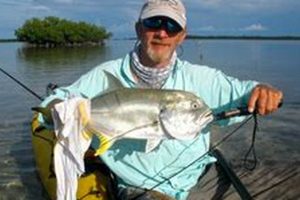
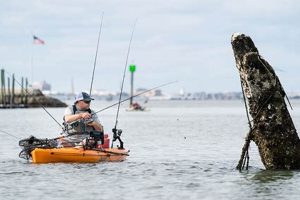
This activity involves angling from a small, human-powered watercraft within the Mosquito Lagoon, a shallow-water estuary located on Florida’s east coast. The lagoon’s diverse ecosystem, featuring seagrass beds, mangrove shorelines, and oyster bars, provides habitat for a variety of fish species, making it a popular destination for anglers. A typical outing might involve paddling through the calm waters, casting lines for redfish, trout, or snook, and enjoying the surrounding natural beauty.
The shallow waters and abundant fish populations make the lagoon accessible and productive for anglers of all skill levels. Its sheltered environment offers a relatively calm paddling experience, even for beginners. Historically, the lagoon has played a significant role in the region’s fishing culture, providing sustenance and recreation for generations. This continuing tradition underscores the area’s importance for both ecological and economic reasons.
Further exploration will cover topics such as recommended equipment, effective fishing techniques, optimal times to visit, relevant regulations, and conservation efforts within the lagoon ecosystem. This information will equip prospective anglers with the knowledge and resources necessary for a successful and enjoyable experience.
Tips for a Successful Outing
Preparation and awareness are crucial for a productive and enjoyable experience on the water. The following tips offer valuable insights for anglers.
Tip 1: Research and understand local regulations. License requirements and catch limits are in place to protect fish populations and ensure sustainable fishing practices. Consulting official resources before embarking on an outing is essential.
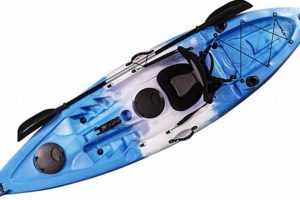
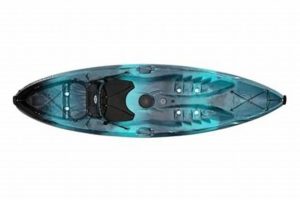
Tip 2: Utilize a shallow-draft watercraft. The shallow nature of the lagoon necessitates a vessel suited to navigating these conditions. Specialized kayaks designed for fishing offer stability and maneuverability in such environments.
Tip 3: Employ appropriate fishing techniques. Casting techniques tailored to shallow water and specific target species will maximize success. Researching effective methods for the lagoon’s prevalent fish is recommended.
Tip 4: Prioritize safety precautions. Wearing a personal flotation device and carrying essential safety equipment are paramount. Checking weather conditions before departure and being mindful of changing tides is also crucial.
Tip 5: Respect the environment. Practicing catch-and-release fishing helps preserve fish populations. Proper disposal of fishing line and other waste minimizes environmental impact.
Tip 6: Plan for tidal fluctuations. Water levels and currents within the lagoon vary significantly with tidal changes. Understanding these patterns can influence fishing strategy and access to certain areas.
Tip 7: Consider engaging a local guide. Experienced guides possess in-depth knowledge of the lagoon’s ecosystem and effective fishing techniques. Their expertise can significantly enhance the overall experience.
By adhering to these guidelines, anglers can increase their chances of a successful and rewarding experience while contributing to the long-term health of the lagoon ecosystem.
This information provides a foundation for planning a productive fishing trip. A concluding section will offer additional resources and insights for maximizing enjoyment on the water.
1. Quiet Approach

A quiet approach is paramount for successful angling in Mosquito Lagoon’s shallow waters from a kayak. Fish in this environment are easily spooked by noise and disturbances. Kayaks, by their nature, offer a stealthy advantage over motorized boats. Paddling smoothly and minimizing unnecessary movements allows anglers to approach fish without alarming them. The gentle gliding motion of a kayak creates minimal surface disturbance, further enhancing the stealth aspect. This quiet approach increases the likelihood of fish remaining in the area, improving opportunities for observation and presentation of lures or bait.
Consider the redfish, a popular target species in the lagoon. Redfish are known to inhabit shallow flats and seagrass beds, areas highly sensitive to noise disruption. A noisy approach would scatter these fish, making them significantly more challenging to target. Conversely, a quiet approach with a kayak allows anglers to drift into casting range undetected, increasing the chances of a successful hookup. This principle applies to other species inhabiting the lagoon, such as speckled trout and snook, which also favor quiet, shallow-water environments. Employing a silent approach, therefore, becomes a decisive factor in angling success within this ecosystem.
Minimizing noise extends beyond paddling technique. Avoiding loud conversations, sudden movements, and the clattering of equipment contributes significantly to maintaining a stealthy presence. Anglers who prioritize a quiet approach gain a distinct advantage in Mosquito Lagoon, maximizing their chances of encountering undisturbed fish and achieving a successful fishing experience. This underscores the importance of noise discipline as an integral component of effective kayak fishing strategies within this unique and sensitive ecosystem.
2. Shallow-Draft Vessel
Shallow-draft vessels are essential for effective navigation and fishing within Mosquito Lagoon. The lagoon’s average depth is remarkably shallow, often less than three feet, with extensive areas even shallower, particularly across flats and near shorelines. This characteristic necessitates watercraft capable of operating effectively in such conditions. Kayaks, known for their shallow drafts, offer a distinct advantage, allowing anglers to access areas inaccessible to deeper-draft boats. This expanded access opens up prime fishing grounds often holding higher concentrations of target species.
Consider the pursuit of redfish tailing in mere inches of water over a shallow flat. A traditional, deeper-draft boat would be grounded and unable to reach these fish. A kayak, however, can silently glide through these shallows, granting anglers access to these feeding zones. Similarly, navigating the intricate network of shallow creeks and channels winding through the lagoon’s mangrove islands requires a shallow-draft vessel. Kayaks excel in these environments, allowing anglers to explore otherwise unreachable habitats teeming with fish like speckled trout and snook.
The shallow draft of a kayak also offers advantages beyond mere access. It contributes to a stealthier approach. Less hull displacement minimizes disturbance to the water, reducing noise and pressure waves that can spook fish. This is particularly crucial in the clear, shallow waters of Mosquito Lagoon where fish are highly sensitive to disturbances. The ability to navigate quietly and unobtrusively enhances angling success significantly. Therefore, the selection of a shallow-draft vessel, such as a kayak, is not merely a matter of convenience but a fundamental component of effective fishing strategies within the Mosquito Lagoon ecosystem. This understanding equips anglers to make informed choices regarding their equipment, optimizing their chances of a productive and rewarding fishing experience.
3. Species-Specific Tackle
Employing species-specific tackle significantly enhances angling success within Mosquito Lagoon’s diverse ecosystem. This involves selecting appropriate rods, reels, lines, lures, and terminal tackle tailored to the target species’ behavior and habitat preferences. The lagoon’s fish community exhibits a wide range of feeding habits and habitat utilization, necessitating specialized approaches. For example, targeting redfish in the shallow grass flats requires different gear than pursuing black drum around oyster bars or bridges.
Redfish, often found tailing in shallow water, respond well to weedless spoons, soft plastic jerkbaits, and topwater lures. These presentations mimic the crabs, shrimp, and small fish comprising their diet. A medium-heavy rod with a fast action tip paired with a 2500-3000 size spinning reel spooled with 10-15 lb braided line provides the power and sensitivity needed to effectively present these lures and handle these powerful fish. Conversely, black drum, often found near structure, require heavier tackle and different bait presentations. A stout rod and reel combination spooled with 20-30 lb line, along with cut bait or shrimp presented near the bottom, proves more effective for these bottom-feeding fish. Similarly, speckled trout, frequently found in deeper pockets and channels, respond well to lighter tackle and lures like soft plastic jigs or suspending twitchbaits.
Matching tackle to the target species maximizes angling effectiveness by increasing the likelihood of enticing a strike and successfully landing the fish. It also contributes to conservation efforts by minimizing the stress on fish during the fight and reducing the likelihood of lost tackle. Understanding the target species’ behavior and dietary preferences allows anglers to select the appropriate presentation, increasing the chance of a successful hookup. Furthermore, using the correct tackle for the species’ size and fighting ability ensures a balanced and sporting fight, minimizing the risk of injury to both the fish and the angler. Therefore, species-specific tackle selection represents a crucial factor in successful and responsible angling within the Mosquito Lagoon ecosystem.
4. Tidal Awareness
Tidal awareness is a crucial element for successful kayak fishing in Mosquito Lagoon. The lagoon’s shallow nature and intricate network of channels and flats are significantly influenced by tidal fluctuations. Water depth, current strength, and access to specific areas change dramatically throughout the tidal cycle. Understanding these changes allows anglers to predict fish movement, optimize lure presentations, and navigate safely and effectively. Incoming tides flood the flats, bringing baitfish and predators closer to the shoreline, while outgoing tides concentrate fish in deeper channels and pools. Ignoring tidal influence can lead to unproductive fishing trips, navigational challenges, or even stranding.
For example, during a rising tide, redfish often move onto flooded flats to feed on crabs and other invertebrates. Anglers aware of this pattern can position themselves near the edges of these flats and target these fish with shallow-running lures or bait. Conversely, during a falling tide, redfish retreat to deeper channels or potholes. Knowing this allows anglers to adjust their strategy and target these areas. Similarly, strong outgoing currents create ideal ambush points for speckled trout. Anglers who understand how to position themselves and present their lures in these currents have a higher chance of success. Conversely, attempting to paddle against a strong outgoing tide can be challenging and inefficient, highlighting the practical significance of tidal awareness for kayak anglers.
In summary, tidal awareness empowers anglers to make informed decisions regarding location selection, presentation techniques, and navigation. This understanding significantly enhances fishing success and safety within the dynamic environment of Mosquito Lagoon. Failure to consider tidal influences can negatively impact the overall fishing experience. By consulting tide charts, observing water movement, and understanding how fish behavior relates to tidal changes, kayak anglers can maximize their opportunities for a productive and rewarding outing.
5. Conservation Practices

Maintaining the health and vitality of Mosquito Lagoon is essential for the long-term sustainability of its diverse ecosystem and the recreational opportunities it provides, including kayak fishing. Conservation practices play a crucial role in preserving this delicate environment, ensuring its continued enjoyment for future generations. Implementing responsible angling techniques and actively participating in conservation efforts contribute directly to the lagoon’s preservation.
- Catch-and-Release Fishing
Practicing catch-and-release fishing minimizes the impact on fish populations. Carefully handling fish, using appropriate tackle and hooks, and minimizing air exposure contribute to their survival after release. This practice ensures the continued abundance and diversity of fish species within the lagoon, preserving the resource for future angling experiences.
- Proper Waste Disposal
Proper disposal of fishing line, hooks, and other waste materials prevents pollution and protects wildlife. Discarded fishing line can entangle birds, turtles, and other marine animals, causing injury or death. Collecting and properly disposing of all waste materials minimizes the environmental impact of angling activities.
- Respecting Wildlife and Habitats
Avoiding disturbing nesting birds, sea turtles, and other wildlife contributes to their well-being and the overall health of the ecosystem. Paddling quietly and maintaining a safe distance from wildlife minimizes disruption to their natural behaviors. Avoiding sensitive habitats, such as seagrass beds and mangrove shorelines, helps preserve these vital components of the lagoon ecosystem.
- Supporting Conservation Initiatives
Supporting local conservation organizations and participating in habitat restoration projects contribute directly to the lagoon’s long-term health. These initiatives often focus on restoring seagrass beds, removing invasive species, and improving water quality. Active participation in these efforts enhances the lagoon’s ecological integrity and supports the sustainability of kayak fishing opportunities.
By integrating these conservation practices into kayak fishing outings, anglers actively contribute to the preservation of Mosquito Lagoon. These actions ensure the continued health and productivity of the ecosystem, safeguarding this valuable resource for future generations of anglers and maintaining the delicate balance of nature within this unique and vibrant environment.
Frequently Asked Questions
This section addresses common inquiries regarding angling within Mosquito Lagoon from a kayak, providing concise and informative responses.
Question 1: What are the primary target species for kayak anglers in Mosquito Lagoon?
Redfish, speckled trout, and snook are among the most sought-after species. Black drum, flounder, and various other species also inhabit the lagoon, offering diverse angling opportunities.
Question 2: Is a fishing license required?
A valid Florida fishing license is required for all anglers, unless exempt due to age or residency status. Specific license requirements vary, and consulting the Florida Fish and Wildlife Conservation Commission (FWC) website for current regulations is recommended.
Question 3: What type of kayak is best suited for fishing in Mosquito Lagoon?
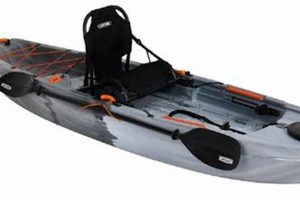
Sit-on-top kayaks designed for fishing are generally preferred due to their stability, maneuverability, and specialized features like rod holders and storage compartments. The shallow-draft nature of these kayaks is ideal for navigating the lagoon’s shallow waters.
Question 4: Are there specific regulations regarding fishing methods or tackle?
Regulations regarding fishing methods, tackle restrictions, and catch limits vary by species and season. Consulting the FWC website or contacting local bait and tackle shops for current regulations is essential before embarking on a fishing trip.
Question 5: What are the optimal times to fish in Mosquito Lagoon?
Fishing can be productive throughout the year, but certain seasons and tidal conditions offer improved opportunities. Fall and spring generally offer favorable fishing conditions. Understanding tidal influence and its impact on fish behavior is crucial for optimizing fishing success.
Question 6: Are guided fishing trips available in Mosquito Lagoon?
Numerous licensed fishing guides offer specialized kayak fishing trips in Mosquito Lagoon. Engaging a guide provides valuable insights into local fishing techniques, optimal locations, and current regulations, enhancing the overall fishing experience.
Understanding these key aspects enhances angler preparedness and promotes a successful and enjoyable fishing experience within the Mosquito Lagoon ecosystem.
This concludes the frequently asked questions section. The following section will offer additional resources and information pertinent to planning a successful fishing outing.
Kayak Fishing Mosquito Lagoon
Exploration of kayak fishing within Mosquito Lagoon reveals the intricate interplay between angler, environment, and target species. Shallow-draft vessels provide access to otherwise inaccessible areas, while a quiet approach maximizes angling success in the clear, shallow waters. Species-specific tackle selection and tidal awareness are crucial for optimizing fishing effectiveness. Prioritizing conservation practices ensures the lagoon’s ecological integrity and the sustainability of this unique fishery.
Mosquito Lagoon offers a rewarding angling experience for those prepared to navigate its complexities. Respecting the environment, understanding fish behavior, and employing appropriate techniques contribute to a fulfilling and sustainable pursuit. The lagoon’s future health and continued recreational opportunities rely on the responsible actions of those who choose to explore its waters. Continued exploration and mindful engagement will ensure the preservation of this valuable ecosystem for future generations.