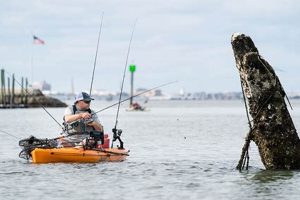
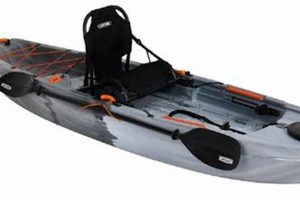
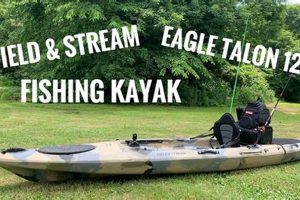
Videos showcasing angling from kayaks have become a prominent subgenre within the online angling community. These videos typically document fishing excursions from a kayak, offering viewers perspectives from launching and paddling to the actual fishing techniques employed and the catches made. Example content includes demonstrations of specific kayak fishing setups, reviews of related gear, and explorations of various fishing locations accessible by kayak.
This type of content provides valuable resources for both novice and experienced kayak anglers. Viewers can learn effective paddling and fishing techniques, discover new fishing spots, and gain insights into appropriate safety precautions. The accessibility of this information democratizes knowledge sharing within the fishing community and facilitates broader participation in the sport. Historically, information on specialized angling techniques was often confined to small, local communities or expensive publications. Online video platforms have revolutionized how this knowledge is disseminated, fostering a global community and enabling wider adoption of specialized approaches like kayak fishing.
This growing body of video content can be further examined through the lenses of equipment choices, popular fishing species targeted from kayaks, and the evolution of kayak fishing techniques. Additionally, examining viewer engagement metrics can provide valuable insights into current trends and the overall impact of this online content on the popularity and accessibility of kayak angling.
Tips for Kayak Fishing
Successful kayak angling requires careful planning and execution. The following tips offer guidance for enhancing safety and maximizing catch potential.
Tip 1: Prioritize Stability: Selecting a kayak with ample stability is paramount, especially for beginners. Wider kayaks offer greater stability than narrower designs. Consider stability needs based on intended fishing locations and conditions.
Tip 2: Master Paddle Strokes: Proficiency in basic paddle strokes is crucial for efficient navigation and positioning. Practicing various strokes before fishing excursions enhances control and minimizes fatigue.
Tip 3: Plan Gear Placement: Organizing fishing gear strategically within the kayak optimizes accessibility and prevents entanglement. Prioritize readily accessible storage for frequently used items.
Tip 4: Employ Appropriate Anchoring Techniques: Utilizing a suitable anchor system prevents drifting and maintains desired fishing positions. Anchor selection should consider the type of bottom and prevailing currents.
Tip 5: Observe Weather Conditions: Checking weather forecasts before embarking on a kayak fishing trip is essential for safety. Avoid fishing in adverse conditions such as strong winds or lightning storms.
Tip 6: Practice Catch and Release Techniques: Handling fish with care and employing appropriate catch and release techniques helps conserve fish populations. Minimizing handling time and using appropriate tools minimizes stress on the fish.
Tip 7: Wear a Personal Flotation Device: Wearing a personal flotation device (PFD) is a non-negotiable safety measure. A properly fitted PFD increases chances of survival in the event of capsizing.
Adhering to these guidelines promotes a safer and more productive kayak fishing experience. Careful preparation contributes significantly to both angler safety and environmental stewardship.
By understanding and applying these tips, individuals can move towards more advanced techniques and specialized approaches to kayak angling.
1. Kayak Fishing Demonstrations

Kayak fishing demonstrations constitute a significant portion of “fishing in a kayak YouTube” content. These demonstrations provide practical instruction on various techniques, ranging from basic paddling and maneuvering to advanced fishing strategies specific to kayaks. The cause-and-effect relationship is clear: the demand for practical kayak fishing knowledge drives the creation of demonstration videos, which in turn fosters greater participation in the sport. Demonstrations serve as valuable learning resources for individuals seeking to improve their skills or learn new techniques. For example, a video demonstrating how to rig a kayak for trolling can directly influence a viewer’s approach to their next fishing trip.
The practical significance of understanding the role of demonstrations lies in their ability to translate theoretical knowledge into actionable skills. Viewers can observe proper techniques, understand the nuances of equipment usage, and gain a visual understanding of effective strategies. Examples include demonstrations of how to cast effectively from a seated position, manage fishing lines in a confined space, and land fish safely without compromising stability. These practical applications enhance the viewer’s overall fishing experience, contributing to increased success and enjoyment. Furthermore, clear and concise demonstrations promote safe practices, mitigating potential risks associated with kayak fishing.
In summary, kayak fishing demonstrations play a crucial role in the “fishing in a kayak YouTube” ecosystem. They offer valuable learning opportunities for anglers of all skill levels, contributing to improved techniques, safer practices, and increased enjoyment of the sport. The readily accessible nature of these demonstrations via online platforms democratizes knowledge sharing and fosters a global community of kayak anglers. However, viewers should critically evaluate the credibility of information sources and seek guidance from reputable experts within the community.
2. Gear Reviews and Comparisons

Gear reviews and comparisons constitute a cornerstone of the “fishing in a kayak YouTube” landscape. The symbiotic relationship between product innovation and consumer demand drives the creation of these videos. Manufacturers seek platforms to showcase new products, while anglers require reliable information to make informed purchasing decisions. This dynamic creates a valuable resource for the kayak fishing community. Reviews offer insights into the performance characteristics of various rods, reels, kayaks, paddles, and other specialized equipment. Comparisons facilitate direct evaluation of competing products, enabling viewers to assess features, benefits, and potential drawbacks before investing. For instance, a comparison video analyzing the stability of different kayak hulls can directly influence an angler’s choice, ultimately impacting their on-the-water experience.
The practical significance of understanding this content lies in its ability to empower consumers. Detailed reviews can highlight critical factors such as a rod’s sensitivity, a reel’s drag system, or a kayak’s maneuverability. Comparisons provide side-by-side analyses, allowing viewers to weigh trade-offs and select gear tailored to specific fishing styles and target species. Examples include reviews of fish finders optimized for kayak use, comparisons of different anchoring systems, and analyses of specialized fishing apparel designed for comfort and functionality in a kayak environment. Access to this information contributes to improved fishing experiences, enhanced safety, and optimized gear selection. However, viewers should critically evaluate the objectivity and potential biases present in online reviews, considering factors such as sponsorship disclosures and reviewer expertise.
In summary, gear reviews and comparisons play a vital role within the “fishing in a kayak YouTube” ecosystem. They provide valuable information that empowers anglers to make informed decisions about their equipment, ultimately impacting their success, safety, and overall enjoyment on the water. This content contributes to a more informed and discerning kayak fishing community. However, the potential for biased or sponsored content underscores the importance of critical evaluation and reliance on reputable sources. This nuanced understanding fosters responsible consumption and supports informed decision-making within the broader context of kayak fishing.
3. Location scouting and exploration

Location scouting and exploration represent integral components of the “fishing in a kayak YouTube” genre. These activities directly influence angling success and contribute significantly to the richness and diversity of online content. Exploring new fishing grounds and sharing these discoveries with online audiences expands the collective knowledge base within the kayak fishing community. This fuels further exploration and promotes a sense of adventure and discovery within the sport.
- Accessing Remote Fishing Spots
Kayaks provide access to shallow waters, secluded coves, and upstream stretches of rivers often inaccessible to larger boats. This unique advantage allows anglers to explore previously unfished areas and potentially discover productive new fishing spots. Videos documenting these explorations provide valuable insights for other kayak anglers, showcasing the accessibility and potential rewards of venturing off the beaten path. Examples include navigating narrow creeks, paddling through mangrove tunnels, and exploring upstream river sections.
- Sharing GPS Coordinates and Waypoints
Many kayak fishing YouTubers share GPS coordinates and waypoints of productive fishing locations, creating valuable resources for their viewers. This information exchange fosters a sense of community and allows anglers to benefit from the collective knowledge of the online kayak fishing community. Ethical considerations regarding the potential impact on fish populations and the preservation of sensitive ecosystems are important factors to address when sharing location information.
- Documenting Underwater Topography and Structure
Utilizing underwater cameras and sonar technology, kayak anglers can document the underwater topography and structure of fishing locations. This information provides valuable insights into fish behavior and habitat preferences. Sharing this data enhances viewers’ understanding of fish ecology and informs strategic decisions about lure selection and presentation. Examples include identifying submerged vegetation, locating drop-offs, and pinpointing rocky reefs.
- Showcasing the Natural Beauty of Fishing Locations
Beyond the practical aspects of fishing, many videos emphasize the scenic beauty and tranquility of kayak fishing locations. These captivating visuals contribute to the appeal of the sport and promote an appreciation for the natural environment. Showcasing pristine waterways and diverse ecosystems encourages responsible angling practices and fosters a sense of stewardship among viewers. Examples include paddling through crystal-clear waters, capturing stunning sunsets from a kayak, and observing wildlife in their natural habitat.
These facets of location scouting and exploration enrich the “fishing in a kayak YouTube” experience. They contribute to improved angling success, foster community engagement, and promote environmental awareness. By showcasing the diverse possibilities and inherent adventures associated with exploring new fishing grounds, these videos inspire viewers to expand their own horizons and contribute to the ongoing evolution of kayak angling. This exploration contributes significantly to the overall appeal and educational value of the content, further solidifying its position as a valuable resource for both novice and experienced kayak anglers.
4. Species-specific techniques

Species-specific techniques represent a crucial aspect of “fishing in a kayak YouTube,” directly influencing angling success and shaping the content landscape. Different fish species exhibit distinct behaviors, habitat preferences, and feeding patterns. Therefore, employing tailored techniques maximizes catch rates and provides viewers with targeted information relevant to their desired species. This specialization contributes to a more nuanced and informative online experience for kayak anglers.
- Targeting Bass in Shallow Cover
Bass often inhabit shallow, vegetated areas. Kayak anglers leverage this by employing techniques like flipping and pitching, presenting lures precisely under overhanging branches or within weed beds. Videos demonstrating these techniques showcase the advantages of a kayak’s maneuverability in tight spaces and its stealthy approach, minimizing disturbance to fish in shallow water.
- Trolling for Offshore Pelagic Species
Kayaks equipped with trolling motors and outriggers enable anglers to target pelagic species like tuna and mahi-mahi in offshore waters. Videos demonstrating offshore kayak trolling techniques highlight specialized equipment and safety considerations, expanding the perceived boundaries of kayak fishing and demonstrating its versatility. They often showcase the thrill and challenge of battling large, powerful fish from a small vessel.
- Drift Fishing for River Species
Drift fishing from a kayak offers a dynamic approach to targeting river species like catfish and trout. Anglers control their drift using paddles and fins, presenting bait or lures naturally along current seams and eddies. Videos demonstrating drift fishing techniques emphasize reading water currents, selecting appropriate tackle, and maintaining precise boat control, showcasing the adaptability of kayaks in river environments.
- Sight Fishing for Redfish in Shallow Flats
Shallow saltwater flats provide opportunities for sight fishing redfish from a kayak. Anglers use polarized sunglasses to spot fish and then make precise casts with lures or flies. Videos demonstrating sight fishing techniques highlight the stealth and low profile of kayaks, enabling close approaches to wary fish without spooking them. They often showcase the visual thrill of observing fish behavior and executing targeted presentations.
The exploration of species-specific techniques enriches the “fishing in a kayak YouTube” experience. These videos provide valuable insights for anglers seeking to refine their skills and target particular species. By showcasing diverse approaches and highlighting the adaptability of kayaks across various fishing environments, this specialized content caters to a broad audience within the kayak angling community. Furthermore, it underscores the importance of understanding fish behavior and adapting techniques accordingly, promoting responsible and ethical fishing practices.
5. Safety guidelines and best practices
Safety guidelines and best practices are paramount within the “fishing in a kayak YouTube” sphere. This content category directly addresses the inherent risks associated with on-the-water activities, particularly in small vessels like kayaks. The cause-and-effect relationship is evident: increased awareness of safety protocols leads to reduced accident rates and promotes responsible angling practices. This focus on safety enhances the overall sustainability and positive image of kayak fishing. Several key areas are consistently highlighted within this content category.
Videos often emphasize the importance of wearing a personal flotation device (PFD) at all times. Demonstrations of proper PFD fit and usage reinforce this message. Additional safety gear recommendations frequently include communication devices, such as VHF radios or waterproof cell phones, and signaling equipment like flares or whistles. These tools become critical in emergency situations, enabling rapid communication and increasing the likelihood of timely assistance. Furthermore, content creators often stress the importance of checking weather forecasts before embarking on fishing trips, highlighting the potential dangers of sudden storms or adverse weather conditions.
Practical applications of safety guidelines are frequently demonstrated through scenario-based videos. Examples include self-rescue techniques after capsizing, proper paddle usage to avoid strain or injury, and safe anchoring procedures in various water conditions. Understanding these practices equips viewers with the skills and knowledge to react effectively in unforeseen circumstances, minimizing potential risks. Furthermore, videos often address the importance of informing someone about planned fishing locations and estimated return times, adding another layer of safety and preparedness. This comprehensive approach to safety education within the “fishing in a kayak YouTube” community fosters a culture of responsible angling and contributes to a safer environment for all participants. The consistent promotion of safety guidelines reinforces the importance of prioritizing well-being alongside the enjoyment of kayak fishing.
6. Community building and interaction
Community building and interaction represent integral aspects of the “fishing in a kayak YouTube” phenomenon. Online platforms facilitate connections among individuals who share a passion for kayak angling. This sense of community fosters knowledge sharing, encourages camaraderie, and contributes to the overall growth and evolution of the sport. The cause-and-effect relationship is evident: online interactions translate into real-world connections, fostering a supportive and collaborative environment among kayak anglers. The importance of community building as a component of “fishing in a kayak YouTube” lies in its ability to create a network of shared experiences and resources. Real-life examples include organized kayak fishing meetups, group trips to explore new fishing locations, and online forums dedicated to discussing specific techniques or gear recommendations. These interactions expand the boundaries of the online community, translating digital connections into tangible experiences. The practical significance of understanding this connection lies in its ability to enhance individual anglers’ experiences and promote a sense of belonging within a larger community. This sense of shared passion fosters a supportive environment for both novice and experienced kayak anglers, contributing to the continued growth and diversification of the sport.
Further analysis reveals the multifaceted nature of community building within “fishing in a kayak YouTube.” Comment sections on videos often serve as hubs for discussion, where viewers share tips, ask questions, and offer encouragement. This dynamic exchange of information contributes to the collective knowledge base within the community, fostering continuous learning and improvement. Furthermore, social media groups dedicated to kayak fishing provide platforms for anglers to connect, share their experiences, and organize events. These platforms amplify the sense of community and facilitate collaboration among individuals who might not otherwise interact. Examples include local kayak fishing clubs organizing cleanup events, experienced anglers offering mentorship to beginners, and online forums dedicated to discussing species-specific techniques or regional fishing regulations. These practical applications of community building enhance the overall kayak fishing experience, promoting camaraderie, safety, and responsible angling practices.
In summary, community building and interaction play a pivotal role in the “fishing in a kayak YouTube” ecosystem. These online connections foster a sense of belonging, facilitate knowledge sharing, and contribute to the overall growth and positive development of kayak angling. While online platforms offer convenient avenues for interaction, the true strength of the community lies in its ability to translate digital connections into real-world relationships and shared experiences. This dynamic interaction between the online and offline realms enriches individual anglers’ experiences and fosters a supportive and collaborative environment for the continued evolution of kayak fishing. Recognizing the importance of community building within this context strengthens the foundation of the sport and promotes its sustainable growth for future generations of kayak anglers.
7. Catch documentation and storytelling
Catch documentation and storytelling represent fundamental components of “fishing in a kayak YouTube,” transforming simple fishing trips into engaging narratives. This connection stems from the inherent human desire to share experiences and celebrate achievements. Documenting catches provides tangible proof of angling success, while storytelling adds context, emotion, and personal perspective. This combination elevates fishing videos beyond mere instructional content, creating compelling narratives that resonate with viewers. The cause-and-effect relationship is clear: the act of documenting and sharing catches fuels engagement within the online community, fostering a sense of shared experience and inspiring others to pursue similar adventures. The importance of catch documentation and storytelling as components of “fishing in a kayak YouTube” lies in their ability to create a sense of vicarious participation. Viewers experience the thrill of the catch through the angler’s lens, connecting with the narrative on an emotional level. Real-life examples include videos showcasing a challenging battle with a trophy fish, highlighting the angler’s perseverance and strategic decision-making, or documenting a memorable fishing trip with friends, emphasizing the camaraderie and shared enjoyment of the experience. The practical significance of understanding this connection lies in its potential to inspire and motivate viewers. Witnessing others’ successes and hearing their stories can encourage novice anglers to try new techniques, explore different fishing locations, and ultimately, experience the joys of kayak fishing firsthand.
Further analysis reveals the multifaceted nature of catch documentation and storytelling within “fishing in a kayak YouTube.” Detailed descriptions of fishing conditions, lure choices, and fighting techniques provide valuable insights for other anglers. Sharing these details enhances the educational value of the content, contributing to the collective knowledge base within the community. Moreover, incorporating elements of personal narrative, such as reflections on the challenges faced or the lessons learned during a fishing trip, adds depth and authenticity to the storytelling. Examples include recounting a humorous anecdote about a near-miss with an obstacle, describing the awe-inspiring sight of a leaping fish, or sharing the satisfaction of releasing a prized catch back into its natural habitat. These personal touches create a stronger connection between the content creator and the audience, fostering a sense of shared passion and mutual respect. Furthermore, the use of high-quality video and audio enhances the viewing experience, capturing the beauty of the environment and the intensity of the action. Creative editing techniques, such as slow-motion replays of key moments or time-lapses of a fishing trip, add visual interest and further engage the viewer.
In summary, catch documentation and storytelling play a crucial role in shaping the “fishing in a kayak YouTube” landscape. These elements transform simple fishing videos into compelling narratives, fostering community engagement, providing educational value, and inspiring others to experience the joys of kayak angling. The ability to effectively document and share catches elevates the content beyond mere documentation, creating a rich tapestry of personal experiences, practical knowledge, and shared passion. This nuanced understanding contributes to a more vibrant and engaging online community, strengthening the bonds among kayak anglers and promoting the continued growth and evolution of the sport. The power of storytelling within this context underscores the human element at the heart of “fishing in a kayak YouTube,” reminding us that fishing is not just about the catch, but also about the experiences, the challenges, and the stories we share along the way.
Frequently Asked Questions about Kayak Fishing
This FAQ section addresses common inquiries regarding kayak fishing, providing concise and informative responses to enhance understanding and promote safe and successful angling practices.
Question 1: What type of kayak is best suited for fishing?
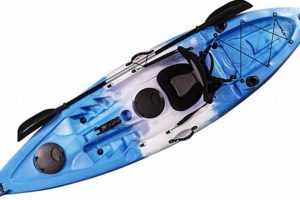
Kayak selection depends on individual needs and fishing environments. Sit-on-top kayaks offer stability and ease of re-entry after capsizing, making them suitable for beginners. Sit-in kayaks provide greater protection from the elements and enhanced paddling efficiency, often preferred by experienced anglers. Fishing-specific kayaks typically feature specialized accessories like rod holders, tackle storage, and anchor systems.
Question 2: What essential safety equipment is recommended for kayak fishing?
A personal flotation device (PFD) is paramount. Additional safety gear includes a whistle, visual distress signals, a communication device (VHF radio or waterproof cell phone), and a first-aid kit. A leash connecting essential gear to the kayak prevents loss in the event of capsizing.
Question 3: How does one choose appropriate fishing gear for kayak angling?
Rod and reel selection depends on targeted species and fishing techniques. Shorter rods offer better maneuverability in a kayak’s confined space. Consider braided fishing line for its strength and sensitivity. Lure selection should align with target species preferences.
Question 4: What are effective techniques for maintaining stability while fishing from a kayak?
Maintaining a low center of gravity enhances stability. Distribute weight evenly within the kayak. Avoid sudden movements or leaning too far over the side. Practice paddling and maneuvering in calm water to develop balance and control.
Question 5: How does one locate productive fishing spots from a kayak?
Consult local fishing reports and maps for potential fishing areas. Observe water conditions, such as current breaks, weed beds, and submerged structures, which often attract fish. Utilize fish finders or depth sounders to identify underwater features and locate fish concentrations. Respect private property and adhere to local fishing regulations.
Question 6: What are appropriate catch-and-release practices for kayak fishing?
Minimize handling time to reduce stress on the fish. Use wet hands or a landing net to support the fish. Remove hooks quickly and carefully. Revive the fish in the water before releasing it. Avoid fishing during periods of extreme heat or cold, when fish are more vulnerable.
Prioritizing safety and ethical angling practices contributes significantly to a positive and sustainable kayak fishing experience. Continuous learning and adaptation to specific fishing environments further enhance angling success and enjoyment.
Exploring advanced techniques and specialized approaches to kayak angling provides avenues for further development within the sport.
Conclusion
Exploration of “fishing in a kayak YouTube” reveals a dynamic intersection of angling, technology, and community. Analysis demonstrates significant value derived from readily accessible instructional content, gear reviews, and shared experiences. Key benefits include enhanced angling skills, improved safety practices, and broader participation within the sport. The democratization of knowledge through online platforms empowers individuals to engage more effectively with kayak fishing. Furthermore, the growth of online communities fosters connection, collaboration, and a shared appreciation for responsible angling practices.
The evolving landscape of “fishing in a kayak YouTube” presents opportunities for continued growth and innovation. As technology advances and content creation diversifies, potential exists for enhanced educational resources, improved safety standards, and greater accessibility within the sport. Continued emphasis on responsible angling practices and environmental stewardship will remain crucial for the sustainable development of kayak fishing. The future of “fishing in a kayak YouTube” rests on the collective commitment to fostering a positive and inclusive online environment, promoting ethical angling, and inspiring future generations of kayak anglers.