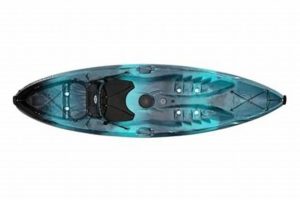
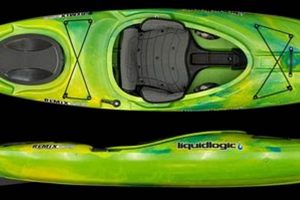
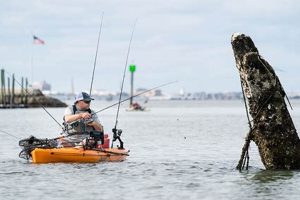
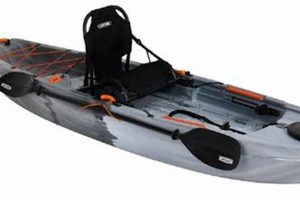
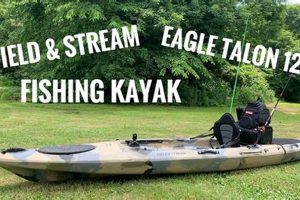
Angling from a small, human-powered vessel offers a unique blend of sport and tranquility. This method enables access to shallow, secluded waters often unreachable by larger craft, creating opportunities for diverse catches and closer communion with nature. For example, navigating quiet creeks and inlets allows anglers to target species like bass, trout, and panfish with minimal disturbance.
This approach to angling presents several advantages. Its low environmental impact makes it a sustainable fishing practice. The portability and affordability of these small vessels broaden accessibility for individuals across various budgets and physical capabilities. Historically, small boats have been integral to fishing cultures worldwide, demonstrating a longstanding connection between humans and their aquatic environments. This enduring popularity underscores the activity’s enduring appeal and its continued relevance in modern recreational fishing.
This discussion will further explore specific techniques, equipment choices, and safety considerations essential for successful and enjoyable outings on the water.
Tips for Kayak Angling
Successful kayak angling requires careful planning and execution. The following tips offer guidance for enhancing safety and optimizing fishing success.
Tip 1: Prioritize Safety Equipment: Always wear a personal flotation device (PFD). Carry a whistle, signaling device, and first-aid kit. Inform someone of the planned fishing location and estimated return time.
Tip 2: Select Appropriate Gear: Choose a kayak designed for stability and fishing features. Use rods and reels suited for the target species and environment. Pack tackle and tools in a waterproof container.
Tip 3: Understand Water Conditions: Check weather forecasts and tide charts before departing. Be aware of currents, wind patterns, and potential hazards such as submerged obstacles.
Tip 4: Practice Paddle Techniques: Master basic paddling strokes for efficient movement and maneuvering. Learn how to position the kayak effectively for casting and retrieving lines.
Tip 5: Respect Wildlife and the Environment: Practice catch-and-release whenever possible. Adhere to local fishing regulations and leave no trace behind. Dispose of fishing line and other waste responsibly.
Tip 6: Employ Stealth Tactics: Minimize noise and movement to avoid disturbing fish. Approach fishing areas slowly and quietly. Utilize camouflage and natural cover to blend in with the surroundings.
Tip 7: Be Prepared for Changing Conditions: Pack extra layers of clothing and rain gear. Carry ample water and snacks to maintain energy levels throughout the fishing trip.
Adhering to these guidelines promotes a safe and rewarding experience, allowing anglers to fully enjoy the challenges and rewards inherent in this specialized form of fishing.
By implementing these practices, anglers can maximize their chances of success while minimizing risks. The next section will delve into specific techniques for targeting popular game fish from a kayak.
1. Kayak Selection (Johnson Models)

Appropriate kayak selection is paramount for successful fishing excursions, especially when considering models offered by Johnson Outdoors. The chosen vessel directly impacts stability, maneuverability, and overall fishing experience. A thorough understanding of available Johnson kayak models and their respective features allows anglers to optimize their time on the water.
- Hull Design and Stability
Hull design dictates a kayak’s performance characteristics. Flat-bottomed hulls offer excellent stability, ideal for calm waters and stand-up fishing, while V-shaped hulls provide better tracking and speed in open water but sacrifice stability. Johnson Outdoors offers a range of hull designs catering to diverse fishing styles and conditions. Understanding the nuances of each design allows anglers to select the optimal platform for their needs. For example, a Big Fish 105 offers added stability for larger anglers.
- Length and Weight Capacity
Kayak length and weight capacity are crucial factors influencing performance and safety. Longer kayaks track better and offer more storage, but are less maneuverable. Weight capacity dictates the maximum load the kayak can safely carry, including angler weight, gear, and potential catch. Selecting a Johnson kayak with appropriate length and weight capacity ensures stability and efficient handling on the water. A shorter, lighter kayak like the Bite offers enhanced maneuverability, ideal for navigating tight spaces.
- Fishing-Specific Features
Many Johnson kayaks incorporate fishing-specific features that enhance angler convenience and success. These may include rod holders, tackle storage compartments, anchor systems, and transducer mounts for fish finders. Evaluating these features and selecting a model equipped with the necessary amenities optimizes fishing efficiency and comfort. For instance, the Sportsman 106 features multiple rod holders and ample storage.
- Propulsion Systems
Johnson kayaks offer various propulsion systems, each with advantages and disadvantages. Paddle kayaks require physical exertion but offer quiet operation, while pedal-powered models provide hands-free fishing and increased speed. Motorized kayaks cover larger distances quickly, but require additional maintenance and fuel. Choosing the appropriate propulsion system aligns with individual preferences and fishing styles. For longer distances, the Bespoke might be favored for its motor compatibility.
Careful consideration of these factors when selecting a Johnson kayak model directly impacts fishing success and enjoyment. By aligning kayak characteristics with individual needs and target fishing environments, anglers can optimize their on-the-water experience. Understanding the interplay between kayak selection and other essential elements like fishing gear and target species further refines the decision-making process.
2. Fishing Gear Compatibility

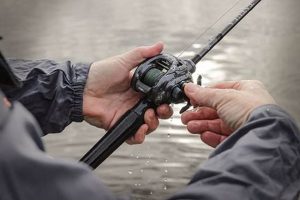
Fishing gear compatibility significantly impacts the effectiveness and enjoyment of kayak angling, particularly when using Johnson Outdoors models. Careful consideration of rod length, reel type, line weight, and lure selection ensures a balanced and efficient setup tailored to the kayak’s size and the target species. For example, shorter rods (5-7 feet) are generally preferred in kayaks due to limited space and casting restrictions. Longer rods, while offering greater casting distance, can be cumbersome and difficult to manage within the confines of a kayak’s cockpit, especially models like the Johnson Sportsman 106 or the more compact Bite. Baitcasting reels, while powerful, require more casting practice and may lead to backlash in tight spaces. Spinning reels, offering easier casting and less susceptibility to tangling, are often favored by kayak anglers.
Line weight and lure selection must also align with target species and fishing environment. Heavier lines are necessary for larger fish and stronger currents, while lighter lines offer better sensitivity for finesse fishing techniques. Lure choice depends on the target species and water conditions. Topwater lures are effective in shallow areas or when fish are actively surface feeding, while crankbaits and jigs can be used to target fish at various depths. Adapting gear choices to the specific Johnson kayak model, for example, utilizing the rod holders integrated into the gunwales of the Big Fish 105 or the flush-mounted rod holders of the Scanoe models, improves organization and accessibility. Understanding the interplay between kayak design, fishing gear selection, and target species optimizes angling success and enhances overall enjoyment.
Optimizing fishing gear compatibility within the context of Johnson kayak fishing involves considering the vessel’s features alongside target species and fishing techniques. Challenges may include limited storage space and the need for specialized equipment, such as anchor trolleys or drift socks, to maintain position in moving water. Addressing these challenges through careful planning and gear selection contributes significantly to a more productive and enjoyable kayak fishing experience, ultimately maximizing the advantages offered by Johnson Outdoors kayak models.
3. Target Species Considerations

Target species considerations are paramount when planning a Johnson kayak fishing excursion. The chosen species dictates location selection, kayak configuration, and appropriate fishing techniques. Understanding the habits and habitat preferences of target fish significantly influences the overall success and enjoyment of a fishing trip. Different species require different approaches, and aligning these with the capabilities of a Johnson kayak maximizes angling opportunities.
- Habitat Preferences
Fish species exhibit specific habitat preferences influencing kayak selection and fishing location. Bass, for example, often inhabit shallow, vegetated areas, making a stable, maneuverable kayak like the Johnson Big Fish 105 ideal for navigating these environments. Trout, on the other hand, prefer cooler, clearer streams and rivers, requiring a kayak capable of handling moving water and accessing tighter spaces. Understanding these preferences allows anglers to choose appropriate Johnson kayak models and effectively target their desired species.
- Feeding Habits
Knowledge of target species’ feeding habits informs lure selection and presentation techniques. Bass, known for their aggressive feeding behavior, respond well to a variety of lures, including topwater baits, crankbaits, and spinnerbaits. Trout, however, are often more selective, requiring finesse presentations with smaller lures and lighter lines. Matching fishing techniques to the feeding habits of the target species increases the likelihood of successful catches from a Johnson kayak.
- Seasonal Patterns
Fish behavior varies seasonally, influencing location choice and fishing strategies. During warmer months, many species move to shallower waters, creating opportunities for sight fishing and topwater presentations. As water temperatures cool, fish often retreat to deeper areas, requiring adjustments in fishing techniques and lure selection. Understanding seasonal patterns optimizes fishing efforts and ensures successful outings in a Johnson kayak throughout the year.
- Local Regulations
Adhering to local fishing regulations concerning size and catch limits for specific species is essential for responsible angling. Regulations vary by location and season, requiring anglers to stay informed and comply with specific rules. Respecting these regulations contributes to sustainable fishing practices and ensures the long-term health of fish populations, crucial for continued enjoyment of Johnson kayak fishing experiences.
By carefully considering target species characteristics, anglers can effectively leverage the versatility of Johnson kayaks to maximize their fishing success. Aligning kayak choice, fishing techniques, and location selection with the specific needs of the target species ensures a more rewarding and enjoyable experience on the water. This detailed approach to species consideration reinforces the connection between angler knowledge and effective utilization of Johnson Outdoors equipment.
4. Waterway Accessibility

Waterway accessibility significantly impacts the practicality and enjoyment of kayak fishing, particularly when utilizing Johnson Outdoors models. Accessing suitable launch points and navigating diverse water conditions are crucial factors influencing fishing success and overall experience. Understanding how waterway characteristics interact with kayak features allows anglers to effectively plan trips and maximize their time on the water.
- Launch Point Suitability
Suitable launch points are essential for safe and convenient kayak entry and exit. Factors such as shoreline slope, water depth, and presence of obstacles influence launch point selection. Gentle slopes and shallow, obstacle-free entry points simplify launching and landing, especially for larger Johnson kayak models like the Big Fish 105. Alternatively, experienced anglers using smaller, more maneuverable models like the Bite might access tighter, more challenging launch areas. Careful evaluation of launch point conditions ensures a smooth start and finish to the fishing trip.
- Water Conditions and Kayak Performance
Prevailing water conditions, including current strength, wind patterns, and tidal fluctuations, directly impact kayak handling and fishing effectiveness. Strong currents or windy conditions can challenge stability and maneuverability, particularly for less experienced kayakers. Johnson kayak models with enhanced tracking and stability features, such as the Sportsman 106, perform better in challenging conditions. Understanding how water conditions interact with kayak performance allows anglers to choose suitable locations and adjust fishing strategies accordingly.
- Navigational Challenges and Kayak Features
Navigational challenges, including shallow water, submerged obstacles, and dense vegetation, require careful planning and appropriate kayak selection. Shallow-draft kayaks, like certain Johnson models designed for fishing in shallow environments, provide access to areas inaccessible to larger boats. Maneuverable kayaks are advantageous for navigating tight spaces and avoiding obstacles. Understanding the interplay between navigational challenges and kayak features ensures anglers can effectively explore their chosen waterways.
- Transportation and Portability
Transportation and portability considerations influence waterway accessibility and overall fishing logistics. Johnson kayaks, ranging in size and weight, offer varying degrees of portability. Smaller, lighter models are easier to transport and launch from remote locations, while larger models might require specialized trailers or roof racks. Considering transportation logistics and kayak portability during trip planning expands access to diverse fishing locations.
Careful consideration of waterway accessibility factors enhances the overall Johnson kayak fishing experience. By understanding the interplay between launch point suitability, water conditions, navigational challenges, and kayak features, anglers can effectively plan trips and maximize their time on the water. Prioritizing waterway accessibility ensures safe and enjoyable fishing excursions, ultimately contributing to the rewarding nature of angling from a Johnson kayak.
5. Safety Precautions

Safety precautions are paramount in kayak fishing, particularly when using Johnson Outdoors models. The inherent risks associated with on-the-water activities necessitate a proactive approach to safety, ensuring angler well-being and fostering responsible enjoyment of the sport. Neglecting safety protocols can lead to serious consequences, ranging from minor injuries to life-threatening situations. For instance, failure to wear a personal flotation device (PFD) can result in drowning if an angler capsizes, a scenario easily amplified by unpredictable weather conditions or unexpected encounters with underwater obstacles. Similarly, inadequate preparation for changing weather patterns can lead to hypothermia or heatstroke, highlighting the importance of proper clothing and hydration. A clear understanding of safety procedures and their practical application contributes significantly to accident prevention and enhances the overall kayak fishing experience, specifically when using Johnson kayaks.
Practical safety measures encompass a range of considerations. Regularly checking weather forecasts and water conditions prior to embarking on a fishing trip allows anglers to anticipate potential hazards and make informed decisions regarding trip viability. Carrying essential safety equipment, including a PFD, whistle, signaling device, and first-aid kit, equips anglers to respond effectively in emergencies. Informing someone of the planned fishing location and estimated return time provides an additional layer of security, enabling timely assistance if needed. Furthermore, understanding the specific features and limitations of the chosen Johnson kayak model, such as weight capacity and stability characteristics, contributes to safe operation and reduces the risk of capsizing. For example, exceeding the weight capacity of a Johnson Big Fish 105 can compromise stability, increasing the likelihood of an accident. Practical application of these safety measures demonstrates a commitment to responsible angling and fosters a culture of safety within the kayak fishing community.
Integrating safety precautions into every aspect of Johnson kayak fishing creates a foundation for enjoyable and incident-free outings. While inherent risks exist in any on-the-water activity, proactive safety measures mitigate these risks and enhance angler well-being. Challenges may include complacency or underestimation of potential hazards, particularly in familiar environments. However, consistent adherence to safety protocols, regardless of perceived experience level or perceived risk, reinforces a culture of preparedness and responsibility, ultimately contributing to the long-term sustainability and enjoyment of kayak fishing using Johnson Outdoors products.
6. Maintenance and Care

Proper maintenance and care are essential for maximizing the lifespan and performance of Johnson kayaks, ensuring long-term enjoyment and value. Neglecting routine maintenance can lead to premature wear and tear, compromising structural integrity, and diminishing performance. For instance, failing to rinse a kayak after use, especially in saltwater environments, can lead to corrosion of metal components and degradation of the hull material. Similarly, improper storage, such as prolonged exposure to direct sunlight, can cause fading and weakening of the kayak’s plastic. Consistent maintenance practices safeguard against these issues, preserving the kayak’s condition and ensuring its readiness for future fishing excursions. This proactive approach to maintenance directly translates to sustained performance and continued enjoyment of Johnson kayak fishing.
Practical maintenance involves several key procedures. Regular cleaning with mild soap and water removes dirt, grime, and saltwater residue, protecting the kayak’s finish and preventing corrosion. Inspecting the hull for cracks, scratches, or other damage allows for timely repairs, preventing further deterioration. Proper storage, ideally in a shaded, dry location, protects the kayak from harmful UV exposure and environmental elements. Furthermore, periodic lubrication of moving parts, such as rudder cables and pedal drive systems, ensures smooth operation and prevents premature wear. Addressing these maintenance tasks routinely minimizes the likelihood of unexpected issues on the water, enhancing safety and maximizing the lifespan of the Johnson kayak. This proactive maintenance regimen reinforces the connection between responsible ownership and sustained enjoyment of kayak fishing.
Integrating regular maintenance and care into Johnson kayak ownership routines contributes significantly to the long-term value and performance of these specialized fishing vessels. While occasional repairs might be necessary due to normal wear and tear or unforeseen incidents, consistent maintenance minimizes the frequency and severity of such repairs. Challenges may include dedicating the necessary time and resources to maintenance tasks. However, recognizing the direct correlation between proper care and sustained performance underscores the importance of these practices. Ultimately, a proactive approach to maintenance ensures that Johnson kayaks remain reliable and enjoyable fishing platforms for years to come, fostering a sustainable and rewarding angling experience.
Frequently Asked Questions
This section addresses common inquiries regarding kayak fishing, specifically relating to Johnson Outdoors products, offering concise and informative responses to facilitate informed decision-making and enhance understanding of this specialized angling method.
Question 1: What advantages do Johnson kayaks offer for fishing?
Johnson kayaks offer several fishing-specific advantages, including stability-enhancing hull designs, integrated rod holders and tackle storage, and compatibility with various propulsion systems, catering to diverse angling styles and preferences.
Question 2: Which Johnson kayak model is best suited for beginners?
The optimal Johnson kayak for beginners depends on individual needs and intended fishing environments. Stable, user-friendly models like the Big Fish 105 or the Sportsman 106 are often recommended for novice anglers due to their ease of handling and ample features.
Question 3: How does one maintain a Johnson kayak properly?
Proper maintenance includes regular cleaning with mild soap and water, inspection for damage, proper storage in a shaded area, and periodic lubrication of moving parts. These practices prolong kayak lifespan and maintain performance.
Question 4: Are Johnson kayaks suitable for ocean fishing?
Certain Johnson kayak models, particularly those designed for open water and featuring enhanced stability and tracking, are suitable for ocean fishing, provided appropriate safety precautions and adherence to local regulations are observed.
Question 5: What safety equipment is essential for kayak fishing?
Essential safety equipment includes a personal flotation device (PFD), whistle, signaling device, first-aid kit, and communication device. Informing someone of the planned fishing location and estimated return time is also crucial.
Question 6: Where can one find authorized Johnson kayak dealers or service centers?
Authorized dealers and service centers can be located through the official Johnson Outdoors website dealer locator or by contacting Johnson Outdoors customer service directly.
Addressing these frequently asked questions provides a foundational understanding of key aspects related to Johnson kayak fishing. Thorough research and preparation contribute significantly to a safe and enjoyable experience on the water.
For further information regarding specific Johnson kayak models, features, or accessories, consult the official Johnson Outdoors resources or authorized dealers.
Conclusion
Careful consideration of kayak selection, gear compatibility, target species, waterway accessibility, safety precautions, and maintenance practices are essential for successful and enjoyable kayak angling experiences. An informed approach, emphasizing preparation and responsible angling practices, maximizes the benefits offered by specialized fishing kayaks, particularly models manufactured by Johnson Outdoors. Understanding the interplay between these elements empowers anglers to optimize their time on the water and contributes to the long-term sustainability of this rewarding recreational activity. Emphasis on appropriate equipment selection, aligned with individual needs and target fishing environments, directly impacts angling success and overall satisfaction. Furthermore, prioritizing safety considerations and adhering to established best practices ensures angler well-being and fosters a culture of responsible kayak fishing.
The evolving landscape of kayak angling presents continuous opportunities for refinement and innovation. Anglers are encouraged to seek further knowledge and refine their techniques to enhance their skills and deepen their appreciation for this specialized pursuit. Continued exploration of advanced techniques, innovative equipment, and emerging technologies will undoubtedly shape the future of kayak fishing, promising enhanced experiences and fostering a greater connection with the aquatic environment. Ultimately, responsible engagement with this evolving landscape ensures the enduring appeal and sustainability of kayak angling for future generations.