This activity involves angling from a small, human-powered watercraft within the brackish waters of a large Texas estuary. It offers a unique blend of sport and connection with nature, allowing access to shallow-water habitats often inaccessible to larger vessels. Anglers typically target species like speckled trout, redfish, flounder, and black drum.
The shallow, protected areas of this particular estuary provide excellent nursery grounds for numerous fish species, making it a productive and popular location for anglers. Utilizing kayaks grants anglers access to these areas with minimal disturbance to the environment and offers a stealthy approach for targeting fish. Furthermore, this mode of fishing offers a cost-effective and physically engaging alternative to motorized boating, allowing for a deeper immersion in the natural surroundings. Historically, small boats and canoes have been used for fishing in these waters, and modern kayak fishing builds on this tradition while incorporating contemporary techniques and equipment.
Further exploration of this subject will encompass topics such as recommended equipment, suitable locations within the bay system, effective fishing techniques, safety considerations, and relevant regulations.
Tips for Kayak Fishing in Galveston Bay
Successful angling in Galveston Bay from a kayak requires preparation and understanding of the environment. These tips offer guidance for a safe and productive experience.
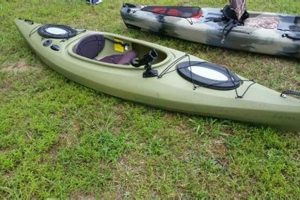
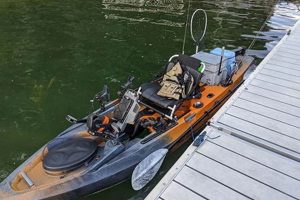
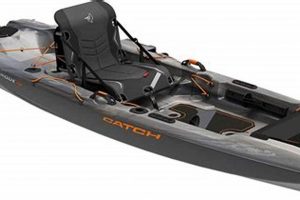
Tip 1: Choose the Right Kayak: Select a kayak designed for stability and fishing, preferably with features like rod holders and storage compartments. Sit-on-top kayaks are generally preferred for their self-bailing capabilities and ease of entry and exit.
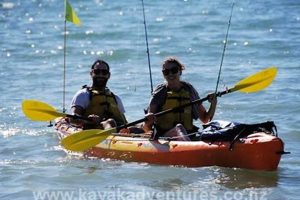
Tip 2: Prioritize Safety Equipment: Always wear a personal flotation device (PFD). Carry a whistle, signaling mirror, and a waterproof VHF radio for communication in emergencies. A first-aid kit and essential tools should also be readily accessible.
Tip 3: Plan According to Tides and Weather: Monitor weather forecasts and tidal charts carefully. Wind and currents can significantly impact kayak handling. Avoid venturing out in conditions exceeding one’s skill level.
Tip 4: Employ Effective Fishing Techniques: Drift fishing with live bait is a common tactic. Artificial lures, such as topwater plugs and soft plastics, can also be effective. Knowledge of local fish behavior and preferred habitats improves success rates.
Tip 5: Respect the Environment: Practice catch-and-release whenever possible, especially with undersized or breeding fish. Properly dispose of fishing line and other waste. Avoid disturbing sensitive habitats like seagrass beds.
Tip 6: Be Aware of Boat Traffic: Larger vessels may have limited visibility of kayaks. Maintain awareness of surroundings and use bright clothing or flags to increase visibility. Follow navigational rules and give larger boats ample space.
Tip 7: File a Float Plan: Inform someone on shore of intended fishing locations and estimated return time. This ensures a quicker response in case of unexpected delays or emergencies.
Adhering to these guidelines enhances safety, improves fishing success, and fosters responsible enjoyment of the Galveston Bay ecosystem. Planning and preparation are key elements of a positive experience.
These tips provide a starting point for those venturing into the realm of kayak angling within Galveston Bay. Further research and experience will contribute to a deeper understanding of this rewarding pursuit.
1. Species Variety
The diverse fish populations within Galveston Bay are a significant attraction for kayak anglers. This variety provides numerous sporting opportunities and contributes to the overall appeal of this estuarine environment. Understanding the prevalent species and their habitats is crucial for successful angling.
- Speckled Trout (Spotted Seatrout)
A highly sought-after game fish, speckled trout thrive in Galveston Bay’s grassy flats and oyster reefs. Their elusive nature and aggressive strikes make them a challenging and rewarding target. Their presence contributes significantly to the bay’s popularity as a fishing destination.
- Redfish (Red Drum)
Redfish are another prized species found throughout Galveston Bay. They inhabit similar areas to speckled trout and are known for their powerful runs and acrobatic fights. Their distinct copper color and black spot near the tail make them easily identifiable.
- Flounder (Southern Flounder)
Flounder are bottom-dwelling flatfish that blend seamlessly with the sandy or muddy bottom of the bay. Anglers often target them using live bait or lures presented near the seabed. Their unique camouflage and subtle movements add an element of challenge to their pursuit.
- Black Drum
Black drum are known for their size and strength, often found near oyster reefs and other structures. They provide a thrilling challenge for anglers seeking larger quarry. Their presence adds another dimension to the bay’s diverse fish community.
This diverse range of species, combined with the accessibility offered by kayak fishing, makes Galveston Bay a prime location for anglers of all skill levels. The opportunity to target multiple species within a single outing enhances the overall fishing experience.
2. Shallow Water Access

Shallow water access represents a defining characteristic of kayak fishing in Galveston Bay, directly influencing its popularity and effectiveness. The bay’s extensive shallow flats, backwater marshes, and protected coves provide ideal habitat for numerous fish species, yet remain largely inaccessible to traditional motorized boats. Kayaks, with their shallow draft and maneuverability, grant anglers entry to these productive areas, significantly expanding fishing opportunities. This accessibility fosters a closer connection with the estuarine environment, allowing anglers to explore areas teeming with life often unseen from deeper waters. For example, the shallows surrounding Galveston Island and the numerous bayous feeding into the bay offer prime redfish and speckled trout habitat readily accessible by kayak.
The advantage of shallow water access extends beyond mere reachability. It enables a stealthier approach, minimizing disturbance to fish in their natural environment. Kayaks allow anglers to quietly drift through shallow grass beds or along oyster reefs, presenting lures or bait with minimal disruption. This subtle approach often proves more effective than the noise and commotion associated with larger vessels. Furthermore, the shallow water environment itself contributes to fishing success. The warmer, shallower waters promote increased biological activity, attracting baitfish and subsequently, larger predatory species. This concentration of life in shallow areas makes them prime feeding grounds, enhancing the likelihood of successful catches.
Understanding the significance of shallow water access is fundamental to successful kayak fishing in Galveston Bay. It highlights the symbiotic relationship between the environment and the chosen fishing platform. Recognizing this connection allows anglers to leverage the kayak’s unique capabilities to effectively target specific species within their preferred habitats, resulting in a more rewarding and productive fishing experience. However, navigating shallow waters requires careful attention to tides and potential hazards such as submerged oyster reefs or shallow sandbars, underscoring the importance of careful planning and navigation.
3. Kayak Selection

Appropriate kayak selection significantly impacts the overall experience and success of kayak fishing in Galveston Bay. The bay’s diverse environment, ranging from calm, protected inlets to open, wind-exposed areas, necessitates careful consideration of kayak characteristics. Stability, maneuverability, storage capacity, and comfort are key factors influencing performance and angler safety. Choosing the right kayak directly impacts the ability to effectively access desired fishing locations, manage challenging conditions, and ultimately, enjoy a productive and safe outing. For example, a longer, narrower kayak may be suitable for paddling greater distances in open water, while a shorter, wider kayak offers enhanced stability when fishing in shallow, wind-affected areas.
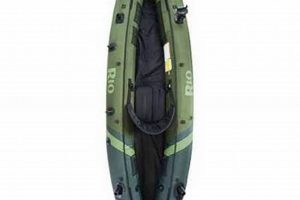
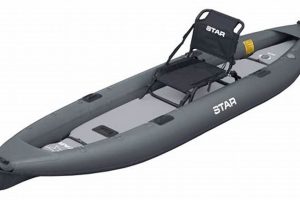
Several kayak types prove suitable for Galveston Bay fishing. Sit-on-top kayaks, known for their self-bailing capabilities and ease of entry and exit, are popular choices, particularly for less experienced anglers. Their open design allows for easy movement and access to gear. Sit-in kayaks offer greater protection from the elements and increased storage options, though they require more experience to manage in the event of a capsize. Inflatable kayaks, while offering portability and affordability, may be less suitable for consistent use in the bay due to their susceptibility to wind and currents. Further considerations include specialized fishing kayaks equipped with features like rod holders, anchor trolleys, and live wells, enhancing angling efficiency. The choice ultimately depends on individual fishing style, target species, and the specific areas of the bay being fished. A kayak angler targeting redfish in shallow marsh grass, for instance, will benefit from a stable, maneuverable sit-on-top, while an angler pursuing speckled trout in open bay waters might prefer a longer, faster sit-in kayak.
Careful kayak selection, based on individual needs and the specific conditions of Galveston Bay, is a prerequisite for a successful and enjoyable fishing experience. Prioritizing stability, maneuverability, and appropriate features maximizes access to productive fishing grounds and enhances angler comfort and safety. Investing time in researching and selecting the right kayak, considering factors like hull design, length, width, and weight capacity, is paramount to a rewarding experience on the water. Ignoring these considerations can lead to difficulties in navigating the bay’s varied conditions, potentially compromising safety and diminishing fishing success.
4. Safety Precautions
Safety precautions are paramount for kayak fishing in Galveston Bay. The dynamic environment, characterized by changing weather, boat traffic, and shallow-water hazards, necessitates careful planning and adherence to safety guidelines. Neglecting these precautions can jeopardize angler well-being and detract from the overall fishing experience. A comprehensive understanding of potential risks and proactive safety measures significantly contributes to a positive and incident-free outing.
- Personal Flotation Devices (PFDs)
Wearing a properly fitted PFD is non-negotiable. PFDs provide essential buoyancy in the event of capsizing or accidental immersion, particularly in cold water conditions. Inflatable PFDs offer increased comfort for extended wear but require regular inspection and maintenance. A PFD’s role in potential rescue scenarios is critical, increasing visibility and providing flotation until assistance arrives.
- Weather Monitoring and Awareness
Galveston Bay’s weather can change rapidly. Checking marine forecasts before embarking and remaining vigilant throughout the fishing trip is essential. Sudden storms, strong winds, and changing tides can create hazardous conditions for kayakers. Postponing trips due to adverse weather demonstrates responsible decision-making and prioritizes angler safety. Portable weather radios and smartphone apps provide real-time updates and alerts, enhancing situational awareness.
- Navigation and Communication
Carrying a waterproof chart, compass, or GPS device aids navigation, especially in unfamiliar areas or during periods of reduced visibility. A fully charged mobile phone in a waterproof case allows communication in emergencies. A VHF radio provides direct contact with the Coast Guard and other boaters, facilitating swift response in distress situations. Pre-planning routes and informing someone ashore of the intended fishing location and return time enhances safety protocols.
- Hazard Awareness
Shallow water hazards, including oyster reefs, submerged debris, and shallow sandbars, pose risks to kayak stability. Careful navigation and awareness of tidal fluctuations minimize the risk of grounding or collision. Strong currents and boat wakes can also create challenging conditions. Maintaining a safe distance from motorized vessels and understanding navigational rules minimizes potential conflicts and ensures angler safety. Carrying a paddle leash prevents loss of the primary means of propulsion in the event of a capsize.
These safety precautions, when implemented diligently, significantly mitigate risks associated with kayak fishing in Galveston Bay. Prioritizing safety enhances the overall experience, allowing anglers to focus on enjoying the sport and the unique environment. Regularly reviewing and practicing safety procedures fosters a culture of preparedness and responsible angling. Ultimately, responsible angling practices benefit both the individual and the long-term health of the bay ecosystem.
5. Tidal Considerations
Tidal influence is a critical factor in kayak fishing within Galveston Bay. The bay’s tidal fluctuations significantly impact water depth, current strength, and fish behavior, necessitating careful planning and adaptation by anglers. Understanding tidal patterns and their effects is essential for maximizing fishing success and ensuring safe navigation. Ignoring tidal considerations can lead to unproductive fishing trips, navigational challenges, and potentially hazardous situations. For example, launching a kayak during an outgoing tide without considering water depth can result in grounding or difficulty returning to the launch site. Conversely, fishing during peak tidal flow can make anchoring challenging and necessitate adjustments in fishing techniques.
Tidal currents influence fish movement and feeding patterns. Incoming tides often bring baitfish and larger predatory species closer to shorelines and into shallow flats, creating prime feeding opportunities. Outgoing tides can concentrate fish in channels and deeper holes as they follow receding waters. Anglers can leverage this knowledge to strategically position themselves for optimal fishing success. For instance, fishing near creek mouths or oyster reefs during an incoming tide can prove highly productive as fish move into these areas to ambush prey. Similarly, targeting deeper channels during an outgoing tide can yield positive results as fish congregate in these areas. Furthermore, understanding tidal flow allows anglers to predict drift patterns, facilitating effective drift fishing techniques. By positioning the kayak upstream of target areas, anglers can allow the current to carry their bait or lures naturally through prime fishing zones.
Successful kayak fishing in Galveston Bay requires integrating tidal knowledge into the overall fishing strategy. Consulting tide charts, observing water movement, and understanding how tides interact with specific fishing locations are crucial components of successful angling. This understanding enables anglers to predict fish behavior, optimize fishing techniques, and navigate safely within the dynamic bay environment. Challenges such as strong currents during peak tidal flows can be mitigated by choosing sheltered fishing locations or adjusting anchoring strategies. Ultimately, incorporating tidal considerations enhances angling effectiveness and promotes a safer and more rewarding experience on the water.
Frequently Asked Questions
This section addresses common inquiries regarding kayak fishing in Galveston Bay, providing concise and informative responses to enhance understanding and preparedness.
Question 1: What are the most common fish species targeted by kayak anglers in Galveston Bay?
Speckled trout, redfish, flounder, and black drum are frequently targeted, though other species like sheepshead and croaker are also present.
Question 2: Are there specific regulations or license requirements for kayak fishing in Galveston Bay?
A valid Texas fishing license is required, and all state fishing regulations, including size and bag limits, must be adhered to. Specific regulations may apply to certain areas or species.
Question 3: What safety equipment is essential for kayak fishing in the bay?
A personal flotation device (PFD), whistle, signaling mirror, and a waterproof VHF radio are crucial. A first-aid kit, navigation tools, and appropriate clothing for varying weather conditions are also recommended.
Question 4: How do tides and currents affect kayak fishing in Galveston Bay?
Tides and currents influence fish movement and feeding patterns. Understanding tidal charts and local current patterns is essential for effective fishing and safe navigation. Strong currents can create challenging paddling conditions, particularly in shallow areas.
Question 5: What are the recommended launch points for kayak fishing in Galveston Bay?
Numerous public boat ramps and kayak launch sites provide access to the bay. Selecting a launch point depends on desired fishing locations and prevailing wind and tide conditions. Researching launch sites beforehand is advised.
Question 6: Are guided fishing trips available for those new to kayak fishing in Galveston Bay?
Several local outfitters and guides offer guided kayak fishing trips catering to various skill levels. Guided trips provide valuable insights into local fishing techniques, productive locations, and essential safety considerations.
Careful consideration of these frequently asked questions enhances angler preparedness and contributes to a safer and more productive fishing experience within Galveston Bay. Pre-trip planning, including research and adherence to safety guidelines, is strongly encouraged.
Further exploration of these topics and other relevant information sources will enhance understanding and facilitate a more rewarding experience.
Kayak Fishing Galveston Bay
This exploration of kayak fishing within Galveston Bay has highlighted key aspects of this popular pursuit. From the diverse species inhabiting its waters to the unique advantage of shallow-water access, the bay offers exceptional angling opportunities. Careful kayak selection, informed by individual needs and the bay’s varied conditions, is essential. Prioritizing safety through proper equipment, weather awareness, and navigational planning remains paramount. Understanding tidal influences and their impact on fish behavior maximizes angling success. Ultimately, responsible angling practices, combined with a thorough understanding of the bay environment, contribute to both rewarding fishing experiences and the long-term health of this valuable ecosystem.
Galveston Bay presents a dynamic and rewarding environment for kayak anglers. Continued exploration of its diverse fishing grounds, coupled with a commitment to responsible angling practices, promises enriching experiences for years to come. The future of this unique fishery relies on the collective stewardship of all who partake in its bounty. Further research, careful preparation, and a respect for the natural environment will ensure the continued vitality of kayak fishing within Galveston Bay.