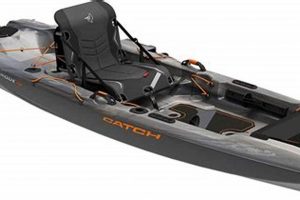
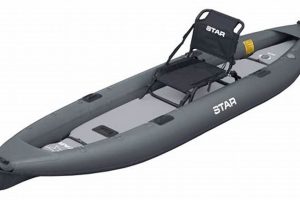
This simple method of angling involves deploying a fishing line directly from the hands, without the aid of a rod or reel, from a small, human-powered boat. It’s a direct, tactile approach, allowing the angler to feel the fish strike and fight. This method is often employed for smaller species or in situations where minimalism and portability are prioritized, such as when storage space is limited.
The accessibility and low cost of this technique make it an excellent entry point for aspiring anglers. Requiring minimal equipment, it encourages a deeper connection with the sport and the environment. Historically, it represents a fundamental form of fishing practiced across cultures for centuries, highlighting its enduring effectiveness and simplicity. The technique’s compact nature makes it particularly well-suited to kayak angling, allowing for effortless maneuverability and a focus on the surrounding waters.
The following sections delve into specific aspects of this fishing method, including recommended equipment, suitable species, ideal locations, and essential techniques for a successful and enjoyable experience.
Tips for Kayak Handlining
Effective handlining from a kayak requires attention to specific techniques and practices. These tips offer guidance for a safe and productive experience.
Tip 1: Choose appropriate line and hooks. Line strength should match the target species. Smaller hooks are generally preferred for smaller fish, while larger hooks are necessary for larger, more powerful species. Braided line offers greater sensitivity, allowing for better detection of subtle bites.
Tip 2: Secure the line. A simple cleat or jam cleat affixed to the kayak provides a secure point to manage the line, preventing accidental loss or tangles, particularly crucial when fighting a strong fish.
Tip 3: Employ a proper grip. Gloves provide a firm grip and protect hands from line burn during a strong run. Using a cloth or specialized fishing gloves enhances grip and protects hands from abrasion.
Tip 4: Control the line. Maintain a controlled release and retrieval of the line to avoid tangles and maintain contact with the fish. This involves carefully paying out line while feeling for bites and smoothly retrieving line while fighting a fish.
Tip 5: Understand kayak positioning. Anchor in a promising spot or utilize the kayak’s maneuverability to follow fish. Consider wind and current to maintain an optimal fishing position. A stable kayak position maximizes control and minimizes the risk of capsizing.
Tip 6: Practice catch and release. When releasing fish, handle them gently and minimize air exposure. Use appropriate tools, such as pliers or dehookers, for quick and safe hook removal. This preserves fish populations and promotes sustainable fishing practices.
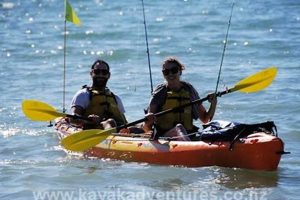
Tip 7: Prioritize safety. Wear a personal flotation device and be aware of weather conditions and potential hazards. Carry a whistle or signaling device for emergencies. A float plan shared with someone on shore enhances safety.
By following these tips, anglers can significantly increase their chances of success and enjoyment while handlining from a kayak. These practices contribute to a safer and more rewarding angling experience.
This information serves as a starting point for those interested in this unique fishing method. Further research and practice are encouraged for continued improvement and enjoyment.
1. Kayak Stability

Kayak stability plays a crucial role in successful handline fishing. A stable platform allows anglers to focus on detecting bites, setting hooks, and fighting fish without the distraction of constant balance adjustments. Compromised stability not only reduces fishing effectiveness but also poses safety risks, particularly when dealing with strong fish or challenging weather conditions. The following facets detail the importance of stability in various aspects of this fishing method.
- Impact on Bite Detection
A stable kayak enables anglers to perceive subtle bites readily transmitted through the line. Constant rocking or swaying can mask these delicate sensations, leading to missed opportunities. A solid, balanced platform amplifies sensitivity to fish activity, a key element in handline fishing where direct contact with the line is paramount.
- Hookset Effectiveness
Setting the hook effectively requires a firm, controlled motion. Kayak instability hinders this action, reducing the power and precision of the hookset. A stable platform provides the necessary leverage and balance to drive the hook securely into the fish’s mouth, increasing the chances of a successful landing.
- Fighting Fish from a Stable Position
A strong fish can exert considerable force, testing both the angler’s skill and the kayak’s stability. A stable platform allows the angler to absorb these forces, maintain control of the line, and avoid capsizing. This is especially critical in open water or when dealing with larger species.
- Safety Considerations
Stability is paramount for safety, especially when fishing in challenging conditions. A stable kayak minimizes the risk of capsizing during unexpected movements, such as a sudden strike or a shift in weight while handling fish. This is particularly important when fishing alone or in adverse weather.
Considering these elements, kayak stability emerges as a fundamental aspect of handline fishing. A stable platform enhances not only fishing effectiveness but also overall safety, contributing to a more enjoyable and successful experience. Choosing a kayak design that prioritizes stability significantly improves the angler’s ability to focus on the nuances of handline fishing while minimizing risks.
2. Line Management

Effective line management is crucial for successful handline fishing from a kayak. It directly impacts fishing efficiency, catch rate, and safety. Proper techniques prevent tangles, ensure accurate bait presentation, and facilitate efficient hooksets. This section explores essential aspects of line management specific to this fishing method.
- Avoiding Tangles
Tangles disrupt fishing and can lead to lost opportunities. Maintaining a controlled line release and retrieval, especially in the confined space of a kayak, is essential. Smooth, deliberate movements prevent line from overrunning or knotting. Regularly checking the line for kinks or potential snarls proactively addresses issues before they escalate, ensuring uninterrupted fishing.
- Controlling Depth and Presentation
Line management dictates bait depth and presentation, crucial factors in attracting fish. Paying out line slowly and steadily allows for precise depth control. Feeling the weight of the sinker and the movement of the bait through the water provides feedback, allowing adjustments to the presentation to target specific species or water columns. This level of control enhances fishing effectiveness and improves the chances of a successful catch.
- Facilitating Effective Hooksets
A direct connection to the line enables immediate detection of bites. Maintaining proper line tension allows for swift, decisive hooksets. Slack line reduces sensitivity to bites and hinders effective hook penetration. Proper line management ensures a solid connection between angler and fish, maximizing the chances of a secure hookup.
- Ensuring Safe Line Retrieval
Retrieving line smoothly and efficiently prevents injuries and maintains fishing momentum. Using a gloved hand protects against line burns, especially with strong fish or abrasive lines. Controlling the line’s path during retrieval minimizes the risk of tangles and snags. Efficient line management ensures a continuous fishing rhythm, maximizing time spent with bait in the water.
Proficient line management is integral to successful handline fishing from a kayak. These techniques contribute not only to fishing efficiency but also to safety and overall enjoyment. Mastering these skills allows anglers to focus on the core elements of fishing feeling the bite, setting the hook, and the thrill of the fight while minimizing distractions and maximizing their chances of success.
3. Species Targeting

Species targeting is a critical aspect of handline fishing from a kayak. Selecting appropriate target species maximizes catch potential while respecting conservation regulations and promoting sustainable fishing practices. Understanding the habitat, behavior, and feeding patterns of different species allows anglers to tailor their approach, increasing the likelihood of success. This involves selecting appropriate bait, fishing at the correct depth, and presenting the offering in a manner likely to attract the desired species. Effective species targeting contributes to a more rewarding and responsible fishing experience.
- Matching Bait to Species
Bait selection directly influences the types of fish attracted. Live bait, such as worms or minnows, often proves effective for panfish and smaller predatory species. Cut bait or prepared baits can target larger species like catfish or saltwater species. Matching the bait to the target species’ preferred food source significantly increases the chances of a successful catch. For instance, using small jigs tipped with grubs is a proven tactic for attracting panfish, while larger chunks of cut bait might be more enticing for catfish.
- Targeting Specific Depths and Habitats
Different species inhabit different depths and areas within a body of water. Bottom-dwelling species like catfish are often found near the bottom, while pelagic species like mackerel prefer open water. Understanding these habitat preferences informs decisions regarding fishing depth and location. Adjusting the amount of line deployed allows anglers to target specific water columns where the target species is most likely to reside. This might involve fishing close to the bottom for groundfish or suspending bait higher in the water column for species that feed nearer the surface.
- Considering Seasonal Patterns and Behavior
Fish behavior and distribution change throughout the year, influenced by factors such as water temperature, spawning cycles, and food availability. Understanding these seasonal patterns is essential for effective species targeting. For example, during spawning seasons, certain species might congregate in shallower waters, offering prime opportunities for handline anglers. Adapting fishing strategies to these seasonal changes maximizes the chances of encountering the target species.
- Adhering to Regulations and Conservation Practices
Species targeting necessitates awareness of local fishing regulations, including size limits, catch limits, and protected species. Adhering to these regulations ensures sustainable fishing practices and preserves fish populations for future generations. Responsible anglers prioritize conservation and actively contribute to the long-term health of aquatic ecosystems. This includes properly handling and releasing undersized or unwanted fish and avoiding targeting vulnerable or protected species.
Effective species targeting is an integral part of successful handline fishing from a kayak. By understanding the nuances of fish behavior, habitat preferences, and seasonal patterns, anglers can significantly improve their catch rates while simultaneously promoting responsible and sustainable fishing practices. This knowledge empowers anglers to make informed decisions about bait selection, fishing location, and depth, leading to a more rewarding and environmentally conscious angling experience.
4. Location Scouting
Location scouting is paramount for successful handline fishing from a kayak. The chosen location directly influences catch potential and overall fishing experience. Factors such as water depth, structure, currents, and species presence dictate site suitability. Understanding these elements enables anglers to select productive areas maximizing their chances of encountering target species. For instance, rocky outcrops or submerged vegetation often attract smaller fish, creating foraging opportunities for larger predatory species. Areas with moderate current often concentrate baitfish, drawing in game fish. Prior knowledge of local fish populations and their preferred habitats significantly enhances location selection. Utilizing resources like nautical charts, local fishing reports, and online forums provides valuable insights. Observing natural signs, such as bird activity or baitfish schools, further refines location selection. Thorough scouting transforms a general fishing trip into a targeted pursuit, increasing the probability of a successful and satisfying outing.
Scouting from a kayak offers unique advantages. The low profile and maneuverability allow access to shallow, secluded areas often inaccessible to larger vessels. This enables exploration of diverse habitats and identification of subtle clues often overlooked from a distance. Quietly paddling along shorelines or drifting through inlets provides opportunities to observe fish behavior and identify potential hotspots. Paying attention to changes in depth, bottom composition, and water clarity offers valuable insights into fish distribution. Integrating these observations with prior knowledge of species preferences and seasonal patterns significantly enhances location selection. Effective scouting from a kayak transforms the vessel from simply a mode of transportation into an active tool for increasing fishing success.
Effective location scouting optimizes handline fishing from a kayak. It allows anglers to target specific species in their preferred habitats, increasing catch rates and enhancing overall fishing experience. Combining thorough pre-trip research with on-the-water observation maximizes scouting effectiveness. By understanding the interplay between location, species, and behavior, anglers transform a passive fishing experience into a strategic pursuit, enhancing both the challenge and the reward. This focused approach elevates handline fishing from a simple pastime into a more engaging and productive endeavor.
5. Safety Precautions
Safety is paramount when handline fishing from a kayak. The environment presents inherent risks, and the specific techniques involved require careful consideration to mitigate potential hazards. Overlooking safety precautions can lead to accidents, injuries, or even fatalities. Understanding and implementing appropriate safety measures ensures an enjoyable and incident-free fishing experience. The following facets detail essential safety precautions for this activity.
- Personal Flotation Devices (PFDs)
Wearing a properly fitted PFD is non-negotiable. Kayak anglers are legally required to wear PFDs in many jurisdictions, and even where not mandated, their use is strongly advised. A PFD provides essential buoyancy in the event of capsizing, significantly increasing the chances of survival. Choosing a comfortable, well-maintained PFD, specifically designed for kayaking, ensures freedom of movement while providing optimal flotation.
- Weather Awareness
Checking weather forecasts before embarking on a fishing trip is crucial. Sudden changes in weather conditions, such as strong winds, thunderstorms, or fog, can create hazardous situations on the water. Being aware of potential weather changes allows anglers to make informed decisions about whether to proceed or postpone the trip. Carrying a waterproof VHF radio or mobile phone in a waterproof case enables communication in case of emergencies or unexpected weather events.
- Kayak Stability and Capacity
Understanding the stability limitations of the kayak is essential. Exceeding the kayak’s weight capacity compromises stability, increasing the risk of capsizing. Distributing weight evenly within the kayak enhances stability and maneuverability. Avoiding sudden movements or leaning too far over the side minimizes the risk of tipping. Practicing self-rescue techniques, such as re-entering the kayak after a capsize, equips anglers with essential skills in case of an emergency.
- Line Management and Hook Handling
Proper line management minimizes the risk of tangles and snags, which can create dangerous situations, especially when handling fish. Using appropriate tools, such as pliers or dehookers, reduces the risk of hook injuries. Wearing gloves provides additional protection against line cuts and fish spines. Careful hook handling and line management contribute to a safer and more efficient fishing experience.
Adhering to these safety precautions is fundamental to responsible handline fishing from a kayak. These measures mitigate risks inherent in the activity, ensuring the angler’s well-being and allowing for a more enjoyable and focused fishing experience. Prioritizing safety transforms the experience from a potentially hazardous undertaking into a rewarding and secure pursuit. Preparation and awareness create the foundation for a safe and successful outing on the water.
6. Minimalist Gear
The inherent simplicity of handline fishing from a kayak lends itself perfectly to a minimalist gear approach. Reduced equipment enhances the activity’s portability, simplifies logistics, and allows for a deeper connection with the fishing experience. This approach emphasizes functionality and efficiency, eliminating superfluous items that add weight, complexity, and cost. The following facets explore the core components of a minimalist handline fishing setup.
- Essential Tackle
A minimalist tackle selection includes a few essential items: a spool of line appropriate for the target species, a selection of hooks in varying sizes, weights or sinkers for depth control, and a cutting tool. These basic components provide everything needed to effectively fish from a kayak without excessive gear. For example, a spool of braided line offers strength and sensitivity, while a small selection of circle hooks minimizes injury to released fish. A few split shot weights provide adequate depth control without adding unnecessary bulk.
- Kayak Considerations
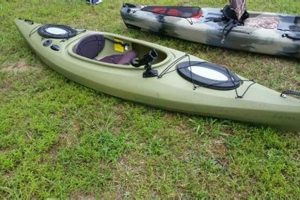
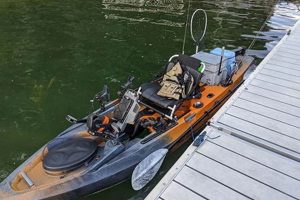
While the kayak itself is not considered tackle, its features contribute to the minimalist approach. A smaller, lighter kayak enhances portability and maneuverability, particularly when launching and landing in remote locations. Essential features like a comfortable seat and strategically placed rod holders (which can be adapted for line storage) contribute to an efficient and enjoyable fishing experience without requiring specialized fishing kayaks.
- Optional Accessories
While a minimalist approach prioritizes essentials, a few optional accessories can enhance the experience without compromising simplicity. A small knife for cutting bait or line, a pair of pliers for hook removal, and a waterproof container for storing tackle and personal items add functionality without significant weight or bulk. A simple fish gripper can aid in handling fish safely and efficiently. These additions enhance functionality and safety without deviating from the minimalist ethos.
- Benefits of Minimalism
The benefits of a minimalist approach extend beyond mere simplicity. Reduced gear equates to lower costs, easier transport and storage, and increased focus on the fishing experience itself. This uncluttered approach allows anglers to fully appreciate the tactile nature of handline fishing, fostering a deeper connection with the environment and the sport. The absence of complex gear eliminates distractions, allowing anglers to concentrate on the feel of the line, the movement of the water, and the subtle indications of a fish taking the bait.
Minimalist gear complements handline fishing from a kayak, emphasizing simplicity and efficiency. By focusing on essential tackle and minimizing superfluous equipment, anglers enhance portability, reduce costs, and foster a more direct connection with the fishing experience. This approach aligns perfectly with the fundamental nature of handline fishing, emphasizing the tactile connection between angler and fish, and the immersive experience of fishing from a kayak. This minimalist philosophy allows for a deeper appreciation of the sport, promoting a more mindful and rewarding connection with the aquatic environment.
7. Direct Engagement

Direct engagement distinguishes handline fishing from other angling methods. The absence of a rod and reel creates an intimate connection between angler and fish, enhancing the tactile experience and amplifying the thrill of the catch. This direct link provides immediate feedback, allowing anglers to perceive subtle takes, adjust bait presentation, and feel the full force of the fish’s fight. This heightened sensitivity fosters a deeper understanding of fish behavior and underwater conditions. The following facets explore the components and implications of this direct engagement.
- Heightened Sensitivity
Eliminating the mechanical mediation of a rod and reel intensifies sensory feedback. Anglers perceive subtle vibrations and tugs transmitted directly through the line, enabling detection of faint bites often missed with conventional tackle. This heightened sensitivity amplifies the angler’s awareness of underwater activity, providing valuable insights into fish behavior and environmental conditions. Feeling the subtle tap of a small fish nibbling at the bait or the powerful surge of a larger fish striking creates an immersive connection with the underwater world.
- Enhanced Fish-Fighting Experience
The direct connection to the fish during the fight magnifies the experience. Anglers feel the full force of every run and headshake, requiring skillful line management and physical exertion to subdue the catch. This visceral connection transforms the fight into a physical contest, heightening the thrill of the catch and fostering a deeper respect for the fish’s power and resilience. The angler becomes an active participant in the struggle, rather than a detached observer.
- Improved Bait Control and Presentation
Handline fishing offers precise control over bait presentation. Anglers can subtly manipulate the bait’s movement, mimicking natural behavior and enticing strikes. This direct manipulation allows for precise depth control and adjustments to presentation based on current, structure, and observed fish behavior. The angler becomes an active participant in attracting fish, rather than relying solely on the bait’s inherent appeal.
- Deeper Connection with the Environment
The simplicity of handline fishing fosters a closer connection with the natural environment. The absence of complex gear encourages anglers to focus on the surrounding sights, sounds, and sensations of the water. This heightened awareness amplifies the immersive nature of the experience, fostering a deeper appreciation for the aquatic ecosystem and the interconnectedness of its inhabitants. The angler becomes an integral part of the environment, rather than a detached observer.
Direct engagement defines the handline fishing experience from a kayak. This heightened connection with the fish and the environment transforms a simple fishing trip into a richly immersive and rewarding pursuit. The tactile nature of this method fosters a deeper understanding of fish behavior, underwater conditions, and the delicate balance of the aquatic ecosystem. It’s this direct engagement that sets handline fishing apart, offering a unique and profoundly satisfying angling experience.
Frequently Asked Questions
This section addresses common inquiries regarding handline fishing from a kayak, providing concise and informative responses to clarify potential uncertainties and enhance understanding of this unique angling method.
Question 1: What are the advantages of handline fishing from a kayak compared to using a rod and reel?
Handline fishing offers enhanced sensitivity, a more direct fighting experience, increased portability, and lower equipment costs. It fosters a closer connection with the fish and the environment, appealing to anglers seeking a simplified and more tactile approach.
Question 2: Is handline fishing from a kayak suitable for beginners?
Its simplicity makes it an excellent entry point. The minimal equipment and straightforward technique allow novice anglers to focus on fundamental fishing principles without the complexities of managing a rod and reel. However, mastering line management and hook setting requires practice.
Question 3: What types of fish can be effectively targeted using handline fishing from a kayak?
Numerous species can be targeted, including panfish, catfish, smaller saltwater species, and even larger game fish depending on location and technique. Bait selection and fishing depth are key factors influencing species targeting.
Question 4: What safety precautions are essential when handline fishing from a kayak?
Wearing a personal flotation device (PFD) is crucial. Checking weather forecasts, understanding kayak stability limitations, practicing proper line management, and carrying essential safety equipment are vital for a safe and enjoyable experience.
Question 5: What essential equipment is required for handline fishing from a kayak?
The basic setup requires minimal equipment: a spool of fishing line, assorted hooks, weights, and a cutting tool. Optional additions include a small knife, pliers, a fish gripper, and a waterproof container for tackle and personal items.
Question 6: How does one locate productive fishing spots when handline fishing from a kayak?
Researching local fishing reports, studying nautical charts, observing natural signs such as bird activity or baitfish schools, and exploring potential areas from the kayak itself contribute to effective location scouting.
Understanding these frequently asked questions equips prospective handline anglers with essential knowledge for a safe, successful, and enjoyable experience on the water. This information clarifies potential uncertainties and underscores the unique advantages of this accessible and rewarding fishing method.
For further exploration, the following sections offer detailed insights into specific aspects of handline fishing from a kayak.
Hand Line Fishing from Kayak
This exploration of handline fishing from a kayak has highlighted its unique advantages: heightened sensitivity, direct engagement with the fish, minimalist gear requirements, and enhanced portability. These attributes combine to offer a richly rewarding and accessible angling experience, suitable for both novice and experienced anglers. Effective handline fishing necessitates careful consideration of several key aspects: kayak stability, line management, species targeting, location scouting, and, crucially, safety precautions. Understanding these elements optimizes fishing success and ensures a safe and enjoyable experience on the water.
Handline fishing from a kayak represents a return to the fundamental principles of angling. It offers a direct, tactile connection with the aquatic environment, fostering a deeper appreciation for the sport and the natural world. This method encourages mindful engagement with the surroundings, promoting a more profound understanding of fish behavior and aquatic ecosystems. This timeless technique offers a unique and rewarding pathway to explore the world of angling, inviting exploration and discovery for years to come.