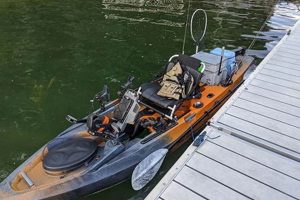
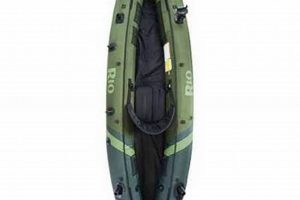
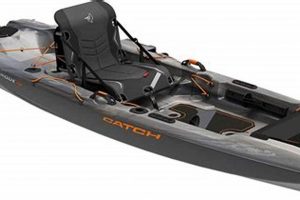
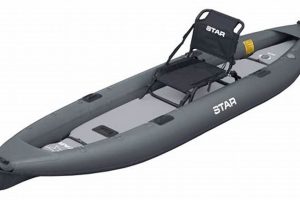
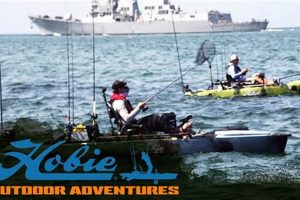
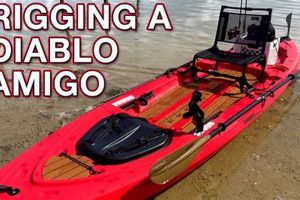
An inaugural angling experience from a kayak presents unique opportunities and challenges. This involves equipping a kayak for fishing and employing techniques specific to the vessel’s stability and mobility. It differs significantly from shore or boat fishing, demanding specialized equipment and an understanding of kayak handling in various water conditions.
This initial experience offers a blend of angling and paddling, providing access to shallow, secluded waters often unreachable by larger vessels. It fosters a closer connection with nature and offers a physically engaging pursuit. Historically, kayaks have been used for fishing for centuries by various cultures, evolving from a primary means of sustenance to a popular recreational activity.
The subsequent sections will delve into essential gear, safety precautions, paddling techniques, ideal locations, and ethical considerations for a successful and enjoyable introductory kayak fishing excursion.
Tips for an Inaugural Kayak Angling Excursion
Preparation and awareness are crucial for a safe and productive initial kayak fishing trip. These tips offer guidance for a successful experience.
Tip 1: Prioritize Stability. Begin with a wider, more stable kayak, especially in calm, shallow waters. This reduces the likelihood of capsizing, particularly for inexperienced paddlers.
Tip 2: Pack Light. Kayaks have limited storage. Focus on essential fishing gear and safety equipment, avoiding unnecessary items that add weight and clutter.
Tip 3: Practice Paddling and Maneuvering. Gain familiarity with basic paddling strokes and turning techniques before venturing out to fish. This allows for easier navigation and control, particularly in currents or wind.
Tip 4: Understand Local Regulations. Research fishing licenses, permitted areas, and catch limits beforehand. Compliance with regulations ensures responsible angling practices.
Tip 5: Check Weather Conditions. Wind, rain, and fluctuating temperatures can significantly impact safety and comfort. Postpone trips if conditions are unfavorable.
Tip 6: Wear a Personal Flotation Device. A life jacket is paramount for safety, even in calm waters. Unexpected situations can occur, and a PFD significantly increases survival chances.
Tip 7: Inform Someone of Your Plans. Share your intended location, launch time, and expected return with a friend or family member. This allows for assistance in case of emergencies.
By adhering to these guidelines, anglers can enhance their safety, increase their chances of success, and lay the foundation for enjoyable future kayak fishing adventures.
These preparatory steps contribute to a positive initial experience and encourage further exploration of this rewarding pursuit.
1. Safety

Safety is paramount for an inaugural kayak fishing experience. Neglecting safety precautions can lead to serious consequences, transforming a recreational activity into a hazardous situation. Understanding and mitigating potential risks ensures a positive and enjoyable introduction to this sport.
- Personal Flotation Devices (PFDs)
A PFD is the single most important piece of safety equipment. Even in calm, shallow water, unexpected events such as capsizing or sudden illness can occur. A properly fitted PFD provides essential buoyancy, increasing the chances of survival. Inflatable PFDs are comfortable options, but require regular maintenance and inspection to ensure proper function.
- Weather Awareness
Weather conditions significantly impact kayak fishing safety. Wind, rain, and changes in temperature can create challenging paddling conditions and increase the risk of hypothermia. Checking forecasts before embarking and continuously monitoring conditions during the trip are crucial safety measures. Postponing a trip due to adverse weather is always preferable to risking an incident on the water.
- Communication Devices
Carrying a waterproof communication device, such as a VHF radio or a cell phone in a waterproof case, enables contact with emergency services or other boaters in case of distress. Sharing trip plans, including launch location and expected return time, with someone on shore adds another layer of safety, ensuring assistance can be summoned if necessary.
- Navigation and Awareness
Understanding basic navigation principles and being aware of potential hazards, such as submerged obstacles, changing tides, and boat traffic, are critical for safe kayak fishing. Carrying a chart or map of the area and utilizing a compass or GPS device can assist in staying oriented and avoiding hazardous situations. Remaining vigilant and aware of the surroundings is crucial for identifying and avoiding potential dangers.
By prioritizing these safety considerations, individuals embarking on their first kayak fishing trip can significantly mitigate potential risks. This proactive approach fosters confidence and allows for a more enjoyable and fulfilling experience, ensuring a positive introduction to the sport.
2. Planning
Meticulous planning is crucial for a successful inaugural kayak fishing excursion. A well-structured plan mitigates potential risks, optimizes fishing time, and enhances the overall experience. Overlooking planning can lead to avoidable complications, impacting both safety and enjoyment.
- Location Selection
Choosing an appropriate location involves considering factors such as water conditions, accessibility, target species, and local regulations. Calm, shallow waters with minimal boat traffic are ideal for beginners. Researching potential fishing spots beforehand, including access points, parking availability, and any specific rules or restrictions, ensures a smoother experience. Utilizing online resources, local fishing reports, and consulting with experienced anglers can provide valuable insights for selecting a suitable location.
- Gear Preparation
Assembling the necessary equipment requires careful consideration. Essential items include a properly fitted personal flotation device, appropriate fishing rods and reels, tackle suited to the target species, a landing net, and a dry bag for personal belongings. Organizing and packing gear in advance ensures everything is readily accessible and minimizes time spent searching for items on the water. Checking equipment for functionality and making any necessary repairs before the trip prevents potential setbacks during the outing.
- Trip Logistics
Planning trip logistics involves determining launch times, estimated fishing duration, and potential return times. Factoring in travel time to and from the launch site, accounting for anticipated fishing time, and establishing a realistic return schedule contributes to a well-structured trip. Informing someone of the planned itinerary, including location details and estimated return, adds a critical safety layer in case of unforeseen circumstances or emergencies.
- Contingency Planning
Developing contingency plans addresses potential challenges, such as changing weather conditions, equipment malfunctions, or unexpected delays. Having a backup plan for inclement weather, carrying essential repair tools, and packing extra food and water ensures preparedness for unforeseen circumstances. Anticipating potential problems and developing solutions beforehand allows for a more adaptable and resilient approach, minimizing disruptions to the fishing trip.
Thorough planning transforms a first-time kayak fishing experience from a potentially challenging undertaking into a more manageable and rewarding adventure. Attention to these key planning elements promotes safety, maximizes fishing time, and ultimately contributes to a more positive and enjoyable introductory experience.
3. Equipment

Appropriate equipment selection significantly impacts the success and enjoyment of an inaugural kayak fishing experience. Inadequate or improperly chosen gear can lead to frustration, discomfort, and even compromise safety. A thoughtful approach to equipment acquisition ensures a more positive and productive introduction to the sport.
Essential equipment falls into several categories. A stable kayak, designed for fishing, provides a platform for casting and reeling. A comfortable personal flotation device (PFD) is non-negotiable for safety. Rods and reels suited to the target species and fishing style are crucial for effective angling. A well-stocked tackle box, containing hooks, lines, sinkers, lures, and other terminal tackle, allows for adaptability to varying fishing conditions. Additional equipment includes a paddle, anchor, landing net, and a dry bag for storing personal items and electronics. For example, choosing a shorter, lighter rod facilitates casting from a seated position, while a kayak with rod holders and storage compartments enhances organization and convenience.
Understanding the function and importance of each piece of equipment allows for informed decisions. Prioritizing quality and suitability over cost can lead to greater long-term satisfaction and reduce the need for frequent upgrades. Researching product reviews, seeking advice from experienced kayak anglers, and considering individual needs and preferences contribute to selecting the most appropriate gear. This proactive approach minimizes potential frustrations, enhances safety, and ultimately fosters a more positive and rewarding first-time kayak fishing experience. Investing in appropriate equipment contributes significantly to a safe, comfortable, and successful outing.
4. Technique
Effective technique is fundamental to a successful and enjoyable inaugural kayak fishing experience. Proper paddling technique ensures efficient movement and precise boat control, crucial for navigating to desired fishing spots and maintaining position against wind or current. For example, mastering basic strokes like the forward stroke and sweep stroke allows for controlled maneuvering, while a strong reverse stroke enables quick stops and adjustments. Casting techniques also require adaptation for a seated position, emphasizing accuracy and control to avoid tangling lines in the kayak or surrounding vegetation. A sidearm or underhand cast often proves more effective than overhead casts typically employed from shore. Learning to manage fishing rods and tackle within the confines of a kayak is essential for preventing equipment loss or entanglement. Securely storing rods in holders and utilizing tackle boxes designed for kayak fishing contribute to efficient organization and prevent gear from shifting during movement. Proper fish-handling techniques from a kayak minimize stress on both the angler and the fish, increasing the likelihood of a successful release. Utilizing a landing net and employing appropriate gripping techniques prevent injury to the angler and minimize damage to the fish. These specialized techniques are critical components of successful kayak angling and contribute significantly to an enjoyable experience.
Adapting to the unique challenges of fishing from a kayak requires practice and patience. Unlike shore fishing, maintaining balance and stability while casting, reeling, and landing fish becomes paramount. For instance, shifting body weight slightly can counter the destabilizing effect of casting or reeling in a large fish. Practicing these techniques in calm, shallow water before venturing into more challenging environments builds confidence and proficiency. Understanding how wind and current affect kayak movement allows anglers to position themselves strategically for optimal casting angles and drift control. Anchoring techniques specific to kayaks, such as using a drift sock or stake-out pole, contribute to maintaining position in desired fishing locations. The interplay of these techniques enhances the overall fishing experience and contributes to a safer and more productive outing.
Mastering fundamental kayak fishing techniques elevates the inaugural experience from a potentially challenging endeavor to a rewarding and enjoyable pursuit. A solid understanding of paddling, casting, fish handling, and kayak control contributes significantly to angler safety, efficiency, and overall success. This knowledge base empowers individuals to navigate various water conditions, target specific fish species, and engage with the environment responsibly. By embracing these specialized techniques, novice kayak anglers cultivate a deeper appreciation for the sport and lay the groundwork for future success and enjoyment on the water. The application of appropriate techniques directly translates to a more fulfilling and successful fishing experience, fostering a deeper connection with the sport and the environment.
5. Location
Location selection significantly influences the success and safety of an inaugural kayak fishing experience. Choosing an appropriate location involves careful consideration of several factors. Calm, sheltered waters, such as small lakes, ponds, or slow-moving rivers, offer ideal conditions for beginners. These environments minimize the challenges posed by wind, waves, and currents, allowing novice paddlers to focus on developing fundamental techniques. Protected bays and estuaries also provide suitable locations, offering a mix of calm water and potential access to various fish species. Conversely, open ocean or large lakes with significant boat traffic present greater challenges and are generally not recommended for initial kayak fishing excursions. For example, a beginner might find a sheltered cove within a larger lake more manageable than venturing into the open expanse. Water clarity is another important consideration, as it impacts the angler’s ability to locate fish and structure. Areas with clear water can facilitate sight fishing, while murky or turbid water may necessitate alternative fishing techniques. Accessibility also plays a role in location selection. Locations with easy launch points, adequate parking, and nearby facilities enhance convenience and safety.
Understanding local regulations and potential hazards is essential when choosing a location. Researching fishing license requirements, size and catch limits, and any specific area closures ensures legal compliance. Identifying potential hazards, such as submerged obstacles, swift currents, or areas with high boat traffic, mitigates risks and promotes safety. Accessing nautical charts, online resources, or consulting with local bait and tackle shops provides valuable insights into local conditions and potential hazards. For instance, a river with a known history of strong currents or submerged logs might be unsuitable for a beginner. Similarly, areas designated as swimming zones or restricted to motorized vessels should be avoided to prevent conflicts and ensure angler safety. Evaluating these factors contributes to a more informed decision-making process, leading to a safer and more productive fishing experience.
Strategic location selection enhances the overall kayak fishing experience. Targeting areas known to hold specific fish species increases the likelihood of success. Considering factors such as water temperature, depth, and prevalent forage species assists in identifying productive fishing zones. Researching local fishing reports or consulting with experienced anglers can provide valuable information about fish behavior and ideal locations. Choosing locations with scenic beauty or ecological significance adds another dimension to the experience, fostering a deeper appreciation for the natural environment. Ultimately, the choice of location significantly impacts the success, safety, and enjoyment of an inaugural kayak fishing trip. Careful planning and consideration of these factors contribute significantly to a positive and memorable introductory experience.
6. Etiquette
Proper etiquette is essential for ensuring a positive and sustainable kayak fishing experience, particularly for those embarking on their first trip. Respectful behavior towards other anglers and the environment fosters a sense of community and preserves the natural resources that support the sport. Disregarding etiquette can lead to conflicts, damage ecosystems, and diminish the overall enjoyment of the experience. For example, encroaching on another angler’s fishing space creates unnecessary tension and disrupts their fishing. Maintaining a respectful distance and avoiding casting lines in close proximity to other kayaks or fishing lines demonstrates courtesy and reduces the potential for tangles and conflicts. Likewise, excessive noise, such as loud music or shouting, can disturb both wildlife and fellow anglers, detracting from the peaceful nature of the activity. Adhering to established norms of quiet enjoyment contributes to a more harmonious environment for everyone.
Responsible waste disposal is a crucial aspect of kayak fishing etiquette. Discarding fishing line, hooks, bait containers, and other refuse into the water or leaving it on shorelines pollutes the environment and poses risks to wildlife. Carrying a trash bag or container on board and properly disposing of all waste at designated receptacles demonstrates respect for the ecosystem and preserves its integrity for future generations. Minimizing the use of single-use plastics and opting for reusable alternatives further reduces environmental impact. Additionally, respecting private property and adhering to access restrictions are essential components of ethical kayak fishing. Launching or landing kayaks only at designated access points and avoiding trespassing on private land demonstrates responsible behavior and minimizes potential conflicts with landowners.
Practicing catch-and-release techniques responsibly is a cornerstone of sustainable kayak fishing etiquette. Handling fish with care, minimizing their time out of water, and using appropriate release tools contribute to their survival and well-being. Avoiding unnecessary injury to the fish during handling and release ensures their continued contribution to the ecosystem. Understanding and following local regulations regarding catch limits, size restrictions, and protected species demonstrates a commitment to responsible angling practices and helps maintain healthy fish populations. Ultimately, adhering to proper etiquette transforms a first-time kayak fishing experience into a more positive, sustainable, and rewarding pursuit. Respectful behavior towards fellow anglers, responsible waste management, and adherence to catch-and-release guidelines contribute to the long-term health of the sport and the preservation of the natural environment. This understanding underscores the interconnectedness between individual actions and the overall sustainability of kayak fishing, ensuring its enjoyment for future generations.
Frequently Asked Questions
Addressing common inquiries regarding inaugural kayak fishing experiences provides clarity and fosters informed participation. These responses aim to alleviate concerns, dispel misconceptions, and enhance understanding of this increasingly popular activity.
Question 1: What type of kayak is recommended for beginners?
Wider, more stable kayaks, such as sit-on-top models, are generally recommended for initial experiences. These kayaks offer greater stability and ease of use, particularly in calm waters. Shorter kayaks are also easier to maneuver, making them suitable for navigating smaller waterways.
Question 2: Is specialized fishing equipment necessary?
While specialized equipment enhances the experience, standard fishing rods and reels can be adapted for kayak use. Shorter rods are often preferred for easier casting from a seated position. Kayak-specific fishing gear, such as rod holders and anchor trolleys, adds convenience and efficiency but is not strictly required for beginners.
Question 3: What safety precautions should be taken?
Wearing a personal flotation device (PFD) is paramount. Checking weather forecasts before embarking is essential. Informing someone of trip plans, including location and estimated return time, is a crucial safety measure. Carrying a communication device, such as a VHF radio or a cell phone in a waterproof case, is also highly recommended.
Question 4: How does one choose an appropriate fishing location?
Calm, sheltered waters, such as small lakes, ponds, or slow-moving rivers, are ideal for initial outings. Researching local regulations, including licensing requirements and catch limits, is essential. Understanding potential hazards, such as currents or submerged obstacles, is critical for safe navigation.
Question 5: What basic techniques are required?
Mastering fundamental paddling strokes, such as the forward stroke and sweep stroke, is crucial for maneuvering the kayak. Adapting casting techniques for a seated position enhances accuracy and control. Learning to manage fishing rods and tackle within the confines of a kayak prevents tangles and equipment loss.
Question 6: What are the ethical considerations?
Respecting other anglers by maintaining a safe distance and avoiding disruptive noise is essential. Responsible waste disposal, including proper disposal of fishing line and other debris, minimizes environmental impact. Practicing catch-and-release techniques carefully preserves fish populations and promotes sustainable angling practices.
Preparation and awareness contribute significantly to successful and safe initial kayak fishing trips. Addressing these common queries enhances understanding and empowers informed participation in this rewarding outdoor activity.
The next section will offer a detailed checklist of essential gear and equipment for an inaugural kayak fishing excursion.
Conclusion
An inaugural kayak fishing experience presents unique opportunities and challenges. Preparation, including equipment selection, location scouting, and technique familiarization, is crucial for maximizing enjoyment and ensuring safety. Understanding paddling dynamics, adapting casting techniques, and employing appropriate fish-handling methods are essential skills. Respect for other anglers, adherence to regulations, and responsible environmental stewardship are integral components of ethical angling practices.
Careful consideration of these factors transforms an initial kayak fishing trip into a rewarding experience. This pursuit offers a unique blend of angling skill and outdoor exploration, fostering a deeper connection with nature. Embracing responsible practices ensures the preservation of this enriching activity for future generations.