This activity involves angling from a small, human-powered watercraft in the coastal waters surrounding Freeport, Texas. It offers a unique blend of recreation and sport, allowing anglers to access shallow-water areas often unreachable by larger boats. For example, anglers might paddle through the calm waters of the Old Brazos River or navigate the shallow flats of Christmas Bay in pursuit of speckled trout or redfish.
The relatively low cost of entry, combined with the potential for exciting catches, makes this a popular pastime. It offers a close-to-nature experience, allowing participants to enjoy the diverse ecosystem of the Texas Gulf Coast. Historically, small boats have played a crucial role in fishing practices in this region, and this modern iteration continues that tradition, offering a sustainable and accessible way to enjoy the abundant fisheries. This accessible approach to angling provides significant economic benefits to the local community through tourism and related industries.
The following sections will explore various aspects of this activity in greater detail, including suitable locations, recommended equipment, local regulations, and strategies for a successful fishing trip in the Freeport area.
Tips for Kayak Fishing in Freeport, TX
Careful planning and preparation contribute significantly to a safe and productive fishing experience. The following tips offer valuable guidance for anglers.
Tip 1: Check the Weather Forecast: Coastal weather conditions can change rapidly. Consulting a reliable marine forecast before embarking on a trip is essential for safety and comfort.
Tip 2: Utilize a Paddle Leash: Losing a paddle can create a dangerous situation. A paddle leash ensures it remains attached to the kayak, even if dropped.
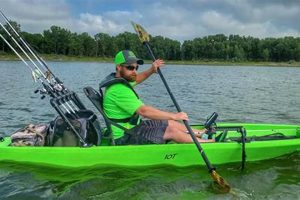
Tip 3: Choose Appropriate Safety Gear: A personal flotation device (PFD) is mandatory and crucial for safety. A whistle, signaling mirror, and VHF radio enhance safety measures, especially in emergencies.
Tip 4: Plan a Float Plan: Informing someone on shore about the intended fishing location and estimated return time is a critical safety precaution.
Tip 5: Respect Local Regulations: Awareness and adherence to local fishing regulations, including licensing requirements and size/bag limits for different species, are crucial for conservation efforts.
Tip 6: Pack Essential Gear: Essential items include appropriate fishing tackle, sunscreen, a hat, polarized sunglasses, and plenty of drinking water.
Tip 7: Consider Tide Charts: Understanding tidal movements can significantly improve fishing success. Fish often concentrate in certain areas during specific tidal stages.
Tip 8: Practice Kayak Control: Familiarity with basic paddling strokes and maneuvering techniques enhances safety and efficiency on the water.
Adhering to these guidelines contributes significantly to angler safety and enhances the overall fishing experience, promoting responsible enjoyment of the natural environment.
By following these tips and incorporating local knowledge, anglers can maximize their chances of a successful and enjoyable fishing trip. The next section provides resources for further information and local guidance.
1. Launch Sites

Launch site selection significantly influences the overall kayak fishing experience in Freeport, Texas. Choosing an appropriate location provides convenient access to productive fishing areas while ensuring safety and minimizing environmental impact. Careful consideration of factors such as water conditions, accessibility, and proximity to target species enhances fishing success.
- Public Boat Ramps:
Freeport offers several public boat ramps suitable for launching kayaks. These ramps, often located within parks or near marinas, provide convenient access to open water. Examples include the Freeport Municipal Park boat ramp and the ramp at Quintana Beach County Park. These locations often provide amenities like parking and restrooms, adding convenience to the fishing trip. However, anglers should be mindful of boat traffic, particularly during peak seasons.
- Kayak-Specific Launches:
Some areas, like certain sections of the Brazoria National Wildlife Refuge, offer designated kayak launch points. These locations often provide easier access to shallow-water fishing grounds preferred by kayak anglers. They may offer a quieter and less congested environment compared to public boat ramps, particularly beneficial for anglers seeking a more secluded experience. However, amenities may be limited compared to more developed launch sites.
- Private Marinas and Fishing Lodges:
Several private marinas and fishing lodges in Freeport provide kayak launch services for their guests or for a fee. These locations often offer amenities such as secure parking, bait shops, and fishing guides, adding convenience and expertise to the experience. Utilizing these services can be particularly beneficial for anglers unfamiliar with the area or those seeking guided fishing trips.
- Shoreline Access Points:
While less formal, certain areas along the Freeport coastline allow direct shoreline launching. These locations offer a simpler approach, particularly for anglers targeting near-shore waters. However, careful assessment of the terrain and potential hazards, such as oyster reefs or submerged debris, is crucial before launching from these areas. Additionally, parking and other amenities may be limited or unavailable.
Strategic launch site selection based on these considerations contributes to a more productive and enjoyable kayak fishing experience in Freeport. By considering factors like target species, water conditions, and desired level of convenience, anglers can optimize their time on the water and enhance their chances of success.
2. Target Species

The diverse ecosystem surrounding Freeport, Texas, supports a rich variety of fish species, making it a compelling destination for kayak anglers. Understanding the prevalent target species and their respective habitats is crucial for a successful fishing experience. This knowledge influences tackle choices, fishing techniques, and location selection. The primary target species in this region include redfish, speckled trout, flounder, and black drum. Redfish, known for their powerful runs, often inhabit shallow grassy flats and oyster reefs. Speckled trout, prized for their sporting qualities and table fare, favor areas with submerged structure and deeper channels. Flounder, masters of camouflage, lie in wait on sandy or muddy bottoms, ambushing unsuspecting prey. Black drum, often found near jetties and bridges, provide a challenging fight and excellent eating. Matching fishing techniques and tackle to the specific target species significantly increases the likelihood of a successful catch.
For example, targeting redfish in shallow grassy areas often involves using topwater lures or weedless soft plastics to entice strikes. Fishing for speckled trout near deeper channels may require using heavier jigs or suspending twitch baits to reach the desired depth. Flounder fishing often utilizes live bait or scented soft plastics presented along the bottom. Black drum, known for their powerful jaws, often require heavier tackle and baits like shrimp or crabs fished near structures. Understanding these nuances provides anglers with a significant advantage.
Effective targeting of specific species contributes not only to fishing success but also to conservation efforts. Adhering to local regulations, including size and bag limits for each species, ensures the sustainability of these valuable fisheries. Choosing appropriate tackle and techniques minimizes unintended bycatch and reduces environmental impact. Knowledge of target species’ habitat preferences allows anglers to select fishing locations that minimize disturbance to sensitive ecosystems. This informed approach to kayak fishing contributes to the long-term health and viability of the Freeport fishing community and the surrounding natural environment.
3. Kayak Selection

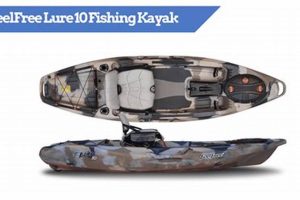
Kayak selection significantly influences the overall fishing experience in Freeport, Texas. Choosing the right kayak involves considering factors such as stability, maneuverability, storage capacity, and the specific fishing environment. Appropriate kayak selection enhances safety, improves fishing efficiency, and contributes to a more enjoyable experience on the water.
- Stability
Stability is a paramount consideration, particularly in the often-variable conditions of coastal waters. Wider kayaks generally offer greater initial stability, beneficial for anglers casting or landing fish. However, increased stability may compromise maneuverability. A stable platform minimizes the risk of capsizing, especially when dealing with currents, waves, or the movements involved in fishing. Anglers fishing in calmer waters, such as protected bays and estuaries, might prioritize stability over maneuverability. Conversely, those venturing into more open or choppy waters may opt for kayaks with enhanced stability features.
- Maneuverability
Maneuverability is essential for navigating shallow flats, winding creeks, and areas with submerged obstacles common in Freeport’s fishing grounds. Shorter kayaks with a defined keel generally offer enhanced maneuverability, allowing anglers to navigate tight spaces and quickly change direction. This attribute is particularly valuable when pursuing fish in shallow waters or around structures like oyster reefs or mangrove shorelines. Kayaks designed for fishing often incorporate features like rudder systems, further enhancing maneuverability and control in challenging conditions.
- Storage Capacity
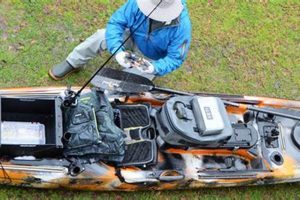
Sufficient storage space is crucial for accommodating fishing gear, tackle boxes, safety equipment, and personal items. Kayaks designed for fishing typically feature dedicated storage compartments, including hatches, tank wells, and rod holders. Adequate storage allows anglers to organize their equipment efficiently, ensuring easy access and preventing gear from cluttering the cockpit and interfering with fishing activities. Anglers planning longer trips or targeting multiple species may require kayaks with larger storage capacities to accommodate additional gear.
- Sit-on-Top vs. Sit-Inside Kayaks
Sit-on-top kayaks offer inherent buoyancy and self-bailing capabilities, making them suitable for warmer climates and conditions where accidental capsizing is a higher possibility. Sit-inside kayaks, while offering greater protection from the elements and potentially drier ride, require more experience to manage in the event of a capsize. The choice between these two types depends on individual preferences, experience level, and anticipated fishing conditions. Anglers fishing in shallow, warmer waters may prefer the stability and self-bailing features of sit-on-tops, while those fishing in colder conditions or open water might opt for the added protection of a sit-inside kayak.
Careful consideration of these factors contributes to selecting a kayak well-suited to the specific demands of kayak fishing in Freeport. The right kayak enhances safety, improves fishing efficiency, and ultimately contributes to a more productive and enjoyable experience on the water. Choosing a kayak aligned with individual needs and the local fishing environment is an essential step in preparing for a successful fishing trip.
4. Fishing Tackle
Fishing tackle selection significantly impacts success and enjoyment when kayak fishing near Freeport, Texas. The chosen equipment must align with target species, fishing environment, and kayak’s limitations. Freeport’s diverse inshore fishery, encompassing open bays, shallow flats, and winding creeks, necessitates versatile yet specialized tackle. Rods, reels, lines, lures, and terminal tackle must function harmoniously within the confined space of a kayak.
Rods typically range from 6 to 7.5 feet for maneuverability within the kayak, with medium-light to medium-heavy power depending on target species. Shorter rods offer casting advantages in tight quarters, while longer rods facilitate casting distance when necessary. Spinning reels generally prevail for their ease of use and versatility. Line selection varies based on target species and fishing conditions. Braided line, with its minimal stretch and high sensitivity, excels in detecting subtle bites and handling larger fish. Fluorocarbon leader material, virtually invisible underwater, increases catch rates, especially in clear water scenarios.
Lure selection depends heavily on the target species. For speckled trout and redfish, topwater lures, soft plastics rigged weedless, and suspending twitch baits prove effective. Flounder often succumb to live bait or scented soft plastics presented along the bottom. Black drum, frequenting deeper waters around structures, respond well to shrimp or crabs fished near the bottom. Terminal tackle, including hooks, weights, and swivels, must withstand the rigors of saltwater environments and the targeted species. Understanding the interplay between these tackle components and the Freeport fishing environment is critical for maximizing success on the water.
5. Safety Precautions
Safety precautions are paramount for kayak fishing in Freeport, Texas, directly impacting the outcome of any fishing trip. The coastal environment presents inherent risks, including changing weather conditions, strong currents, boat traffic, and potential encounters with marine life. Neglecting safety protocols can transform a recreational activity into a hazardous situation. Conversely, prioritizing safety transforms potential risks into manageable challenges, ensuring an enjoyable and productive experience.
Consider a scenario where an angler ventures out without checking the marine forecast. A sudden squall could create treacherous conditions, capsizing the kayak and leaving the angler stranded in open water. Wearing a personal flotation device (PFD) in such an event becomes the difference between a rescue and a potential tragedy. Similarly, carrying a VHF radio allows communication with emergency services, expediting rescue efforts. Another example involves navigating shallow-water areas near oyster reefs. A kayak striking a submerged oyster shell can easily puncture the hull, leading to rapid water intake. Carrying a bilge pump or floatation devices allows the angler to manage the situation and return safely to shore. These real-life examples illustrate the cause-and-effect relationship between safety precautions and a successful fishing trip.
Implementing safety measures is not merely a checklist item but an integral component of successful kayak fishing in Freeport. Understanding local regulations, including boating safety requirements and licensing, demonstrates responsible angling practices. Carrying essential safety gear, such as a first-aid kit, signaling devices, and a paddle leash, equips anglers to handle unforeseen circumstances. Planning a float plan and informing someone on shore of the intended fishing location and estimated return time enhances the likelihood of a timely response in case of an emergency. These proactive measures transform potential hazards into manageable challenges, ensuring the angler’s well-being and contributing to a positive overall experience. Ultimately, prioritizing safety precautions allows anglers to fully appreciate the recreational and sporting aspects of kayak fishing in Freeport, Texas, while mitigating the inherent risks associated with the coastal environment.
Frequently Asked Questions
This section addresses common inquiries regarding kayak fishing in Freeport, Texas. Clear and concise answers provide prospective anglers with the information necessary for a safe and productive experience.
Question 1: What are the licensing requirements for kayak fishing in Freeport?
A valid Texas fishing license with a saltwater endorsement is required for anglers over the age of 17. Licenses can be obtained online through the Texas Parks and Wildlife Department website or from authorized retailers.
Question 2: Where can suitable kayak rentals be found in Freeport?
Several local outfitters and marinas offer kayak rentals, often including fishing-specific models equipped with rod holders and other amenities. Advance reservations are recommended, particularly during peak season.
Question 3: What are the primary target species for kayak anglers in Freeport?
Redfish, speckled trout, flounder, and black drum are among the popular target species. Seasonal variations influence species availability and preferred fishing locations.
Question 4: Are there specific regulations regarding fishing from a kayak in Freeport?
Kayak anglers are subject to the same regulations as those fishing from other vessels, including size and bag limits for specific species. Adhering to these regulations ensures the sustainability of local fisheries.
Question 5: What safety equipment is recommended for kayak fishing in Freeport?
Essential safety gear includes a personal flotation device (PFD), a whistle, a visual distress signal, and a VHF radio. A first-aid kit, a bilge pump or floatation devices, and a paddle leash are also recommended.
Question 6: What are the typical weather conditions anglers can expect in Freeport?
Freeport experiences a subtropical climate with warm temperatures year-round. However, weather conditions can change rapidly, and anglers should always check the marine forecast before embarking on a fishing trip. Strong winds and thunderstorms are possible, particularly during the summer months.
Careful consideration of these frequently asked questions prepares anglers for the unique aspects of kayak fishing in Freeport. Prioritizing safety, understanding local regulations, and choosing appropriate equipment contributes to a successful and enjoyable experience.
Further details regarding specific fishing locations, recommended tackle, and guided fishing services can be found in subsequent sections.
Conclusion
This exploration has provided a comprehensive overview of angling from small, human-powered vessels in the waters surrounding Freeport, Texas. Key aspects, including launch site selection, target species identification, appropriate kayak and tackle choices, and essential safety precautions, contribute significantly to a successful and safe experience. Understanding these elements allows for informed decision-making, maximizing fishing success while promoting responsible angling practices.
The Freeport area offers a unique blend of diverse fishing opportunities and accessible coastal environments. Continued exploration of this activity promotes appreciation for the natural resources and supports the local economy through sustainable tourism. Careful planning and adherence to established guidelines ensure the preservation of this valuable recreational pursuit for future generations.