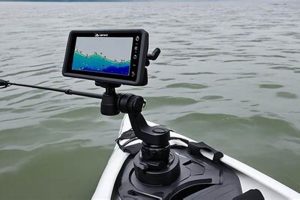
Securing a sonar device within a kayak involves several key considerations, including transducer placement, power supply management, and display unit positioning. Typically, the transducer is mounted either inside the hull, through a scupper hole, or externally on the transom. Power is commonly supplied by a dedicated 12-volt battery, and the display unit is secured within easy reach of the paddler using a mounting arm or bracket.
Effective sonar device integration enhances angling opportunities from a kayak by providing real-time underwater information. This data, including depth readings, bottom structure, and fish location, allows anglers to make informed decisions about where to fish and what techniques to employ. This technological advancement represents a significant improvement over traditional methods of fish finding, leading to increased fishing success and a more engaging experience on the water. Furthermore, the compact and portable nature of modern electronics makes them ideally suited for kayak fishing.
Several methods exist for integrating sonar devices into kayaks, each with its own advantages and disadvantages. Factors influencing the choice of mounting method include the type of kayak, the desired level of performance, and budget considerations. Subsequent sections will explore these methods in detail, offering a comprehensive guide to achieving optimal sonar performance in a kayak fishing environment.
Tips for Mounting a Fish Finder in a Kayak
Proper installation ensures optimal performance and longevity of electronic equipment. The following tips provide guidance for a successful installation process.
Tip 1: Transducer Placement: Careful consideration should be given to transducer placement to avoid interference and ensure accurate readings. Inside-hull mounting offers convenience, while external transom mounting provides optimal performance. Scupper hole mounting offers a compromise between the two.
Tip 2: Power Supply: A dedicated 12-volt battery is recommended for powering the fish finder. Ensure proper wiring and connections to prevent power loss and equipment damage. Consider battery capacity and expected usage time when selecting a battery.
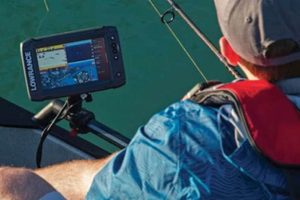
Tip 3: Display Unit Mounting: The display unit should be positioned within easy view and reach of the paddler. Utilize adjustable mounting arms and brackets to achieve optimal ergonomics and minimize glare.
Tip 4: Cable Management: Securely route and fasten all cables to prevent entanglement and damage. Use cable ties and clips to keep the installation tidy and organized. Avoid placing cables where they might interfere with paddling or other onboard equipment.
Tip 5: Waterproofing: Ensure all connections and exposed components are adequately waterproofed to protect against moisture and corrosion. Use marine-grade sealant and connectors designed for harsh environments.
Tip 6: Kayak Compatibility: Consider the type of kayak and its construction when selecting mounting methods and locations. Some kayaks offer dedicated mounting points or recesses for transducers and other accessories.
Adhering to these guidelines will result in a secure and functional installation, maximizing the effectiveness of the fish finder and enhancing the overall kayak fishing experience.
By following these best practices, anglers can ensure their electronics are properly integrated into their kayak setup, contributing to a more productive and enjoyable time on the water.
1. Transducer Placement
Accurate sonar readings depend significantly on proper transducer placement. Optimal positioning maximizes effectiveness and minimizes interference, contributing directly to successful fish finder integration within a kayak.
- Inside-Hull Mounting
This method involves adhering the transducer to the inside of the kayak hull. It offers a simple installation and protects the transducer from damage. However, sonar signal strength can be slightly reduced due to passing through the hull material. This method is suitable for calm waters and less demanding fishing scenarios. It is crucial to select a suitable location free of obstructions and air bubbles.
- Transom Mounting
Mounting the transducer on the kayak’s transom provides the clearest sonar signal, as it sits directly in the water. This method is ideal for higher speeds and rougher water conditions. However, the exposed transducer is more susceptible to damage. Correct vertical alignment is essential for accurate readings.
- Scupper Hole Mounting
This method involves passing the transducer cable through a kayak’s scupper hole and mounting the transducer externally. It provides a good balance between protection and performance. Care must be taken to ensure a watertight seal around the cable to prevent leaks. This method requires a compatible kayak and careful installation to avoid damage to the transducer or the scupper hole.
- Trolling Motor Mounting
For kayaks equipped with trolling motors, specialized transducer mounts attach directly to the motor. This keeps the transducer submerged and provides accurate readings while underway. Considerations include motor compatibility and potential interference from the motor’s electrical system.
Careful consideration of these mounting methods, along with an understanding of individual fishing needs and kayak characteristics, ensures optimal transducer performance and contributes significantly to the overall success of kayak fish finder integration. Selecting the appropriate method is crucial for obtaining accurate depth readings, identifying bottom structure, and locating fish.
2. Power Supply

Stable power delivery is essential for consistent fish finder operation. The mounting process must account for power supply requirements to ensure reliable performance on the water. Direct wiring to a kayak’s existing electrical system or utilizing a dedicated battery are common approaches. Direct wiring offers integration convenience, while a dedicated battery provides isolation and avoids potential conflicts with other electronics. Battery choice significantly impacts operational duration; capacity must align with anticipated usage. For instance, a smaller capacity battery suffices for shorter trips, while extended outings necessitate a larger power reserve. Incorrect voltage or inadequate amperage can lead to malfunctions or premature equipment failure. Therefore, careful consideration of power supply characteristics is crucial during the mounting process.
Battery placement influences weight distribution and accessibility. Positioning within easy reach facilitates monitoring and replacement. Secure mounting prevents battery movement during paddling, protecting the kayak’s structure and the battery itself. Employing marine-grade battery boxes and connectors safeguards against corrosion and water damage. Connecting the fish finder to the power source requires appropriate wiring gauge and fusing for safety and efficient power transfer. Overlooking these aspects can result in power fluctuations, equipment damage, or even safety hazards. Practical applications demonstrate the direct impact of power supply choices on fish finder reliability. A kayak angler relying on a fish finder for navigation in unfamiliar waters experiences the consequences of power failure firsthand.
In summary, successful fish finder integration hinges on a reliable power supply. Mounting considerations must prioritize consistent power delivery, employing appropriate batteries, secure mounting solutions, and correct wiring practices. Understanding the interplay between power supply characteristics and fish finder performance ensures a dependable and productive experience on the water. Addressing potential challenges, such as voltage fluctuations or inadequate capacity, through careful planning and appropriate component selection, mitigates disruptions and maximizes the benefits of incorporating a fish finder into a kayak fishing setup.
3. Display Mounting

Display mounting is a crucial aspect of fish finder integration in a kayak. Proper display placement directly influences usability and, consequently, the effectiveness of utilizing sonar data for angling. An ideal mounting solution prioritizes visibility, accessibility, and security, ensuring the display remains functional and in clear view despite the dynamic environment of kayak fishing. Several factors influence the choice of mounting location and method, impacting both user experience and practical functionality.
- Visibility and Glare Reduction
Minimizing glare and maximizing screen visibility are paramount. Direct sunlight can render a fish finder screen unreadable, hindering navigation and fish identification. Mounting locations offering some degree of shade or utilizing adjustable mounting arms with glare shields can significantly improve visibility. For example, mounting the display beneath the brim of a hat or utilizing a polarized screen cover can enhance readability in bright conditions. This directly impacts the angler’s ability to interpret sonar data effectively.
- Accessibility and Ergonomics
The display must be positioned within easy reach and view of the paddler. Constant adjustments or awkward positioning detract from the fishing experience and can compromise safety. Adjustable mounting arms allow customization based on individual kayak configurations and user preferences. An angler frequently adjusting lure presentation needs unhindered access to the display for real-time depth readings. Positioning the display too far forward or to the side can create unnecessary strain and impede paddling efficiency.
- Security and Stability
The display unit must be securely mounted to withstand the vibrations and impacts inherent in kayak fishing. Inadequate mounting can lead to damage or dislodgement of the unit, rendering it useless. Robust mounting hardware, such as marine-grade mounts and brackets, ensures stability and longevity. Navigating choppy water or encountering unexpected obstacles can subject the display to significant forces. A secure mount prevents dislodgement and potential damage, preserving the investment in electronic equipment.
- Integration with Kayak Layout
Display mounting must consider the overall layout of the kayak and its existing features. Placement should not interfere with paddling, other onboard accessories, or essential gear storage. Compatibility with specific kayak models or mounting systems simplifies installation and ensures a cohesive setup. Anglers utilizing rod holders, tackle storage, or other accessories near the cockpit must consider potential conflicts when positioning the fish finder display. Strategic placement ensures efficient use of limited space while maintaining access to all essential equipment.
Successful display mounting, considering visibility, accessibility, security, and integration with the overall kayak layout, directly contributes to a more effective and enjoyable kayak fishing experience. By carefully considering these factors, anglers can maximize the benefits of their fish finder investment, optimizing data interpretation, and enhancing their ability to locate and catch fish. The interplay between these elements underscores the critical role display mounting plays in the broader context of “how to mount a fish finder in a kayak,” emphasizing the importance of a comprehensive and well-planned approach to equipment integration.
4. Cable Management

Effective cable management is integral to a successful fish finder installation in a kayak. Proper routing and securing of cables not only contributes to a clean and organized setup but also prevents potential interference, damage, and safety hazards. Careful planning and execution of cable management during the mounting process ensures the longevity of the equipment and contributes to an efficient and enjoyable fishing experience.
- Protection from Damage
Exposed or poorly secured cables are susceptible to damage from abrasion, UV exposure, and entanglement. Routing cables through protective conduits or securing them with clips and ties mitigates these risks. For example, routing the transducer cable through a dedicated channel inside the kayak hull safeguards it from paddle strikes or fishing gear. This proactive approach preserves equipment integrity and prevents costly repairs or replacements.
- Interference Prevention
Loose cables can interfere with paddling, fishing lines, or other onboard equipment. Strategic routing minimizes these potential disruptions. Securing the power cable away from the fish finder’s transducer cable prevents electrical interference that could affect sonar readings. This ensures accurate data acquisition and prevents misinterpretations of underwater conditions.
- Safety and Organization
Tangled cables present a tripping hazard and can complicate emergency situations. A well-organized cable layout promotes a safe and efficient fishing environment. Clearly labeled and secured cables simplify troubleshooting and maintenance. In the event of capsizing, untangled cables facilitate a quicker and safer exit from the kayak. Organized cable management contributes to a streamlined and safer on-the-water experience.
- Aesthetics and Longevity
A tidy and well-managed cable setup enhances the overall aesthetics of the kayak and contributes to the longevity of the electronic components. Properly secured cables are less likely to become strained or damaged, extending their lifespan. Using marine-grade cable ties and connectors ensures durability and resistance to the harsh marine environment. A clean and organized setup reflects meticulous attention to detail and contributes to a more professional and enjoyable fishing experience.
In conclusion, diligent cable management is an essential component of mounting a fish finder in a kayak. Addressing potential issues proactively through careful planning and execution ensures the longevity of the equipment, minimizes interference, and enhances safety. A well-executed cable management strategy contributes significantly to a streamlined and efficient kayak fishing setup, ultimately maximizing the benefits of the integrated electronics and promoting a more enjoyable and productive on-the-water experience. It underscores the interconnectedness of various installation considerations in achieving optimal fish finder performance in a kayak.
5. Waterproofing

Waterproofing is paramount when mounting electronic devices, such as fish finders, in kayaks. Kayaks operate in inherently wet environments, exposing electronics to splashing, rain, and even submersion. A failure to adequately waterproof connections and components can lead to corrosion, short circuits, and ultimately, equipment failure. Consequently, proper waterproofing is inextricably linked to the successful and long-term operation of a fish finder in a kayak. For example, an improperly sealed transducer cable entry point can allow water to seep into the kayak hull, potentially damaging not only the fish finder but also impacting the kayak’s buoyancy and stability. Similarly, neglecting to protect exposed connections on the display unit can lead to corrosion and malfunction, rendering the device unusable. These scenarios illustrate the direct cause-and-effect relationship between waterproofing measures and the reliability of electronic equipment in a kayak.
Practical application of waterproofing principles involves selecting appropriate marine-grade sealants and connectors designed to withstand prolonged exposure to moisture and saltwater. All exposed wiring connections should be meticulously sealed, and any penetrations through the kayak hull, such as for transducer cables or power wires, must be carefully waterproofed. Furthermore, consideration should be given to the potential for condensation within the kayak, particularly in enclosed storage compartments. Employing desiccant packs or ensuring adequate ventilation can mitigate moisture buildup and protect sensitive electronics. Failing to address these potential points of water ingress can compromise the functionality of the fish finder and lead to premature equipment failure, ultimately undermining the investment in technology intended to enhance the fishing experience. The practical significance of this understanding is evident in the long-term reliability and performance of the fish finder, ensuring consistent operation and maximizing its value as a tool for locating fish and navigating waterways.
In summary, comprehensive waterproofing is not merely a recommended practice but a critical requirement for mounting a fish finder in a kayak. It directly impacts the longevity and reliability of the equipment, preventing malfunctions caused by water damage and ensuring consistent performance in challenging marine environments. Addressing potential points of water entry through the use of quality sealants, connectors, and preventative measures against condensation safeguards the investment in electronics and contributes to a more successful and enjoyable kayak fishing experience. Overlooking these crucial waterproofing steps can negate the benefits of integrating a fish finder into a kayak setup, highlighting the interconnectedness of proper installation and long-term functionality in demanding on-the-water scenarios.
6. Kayak Compatibility

Kayak compatibility plays a crucial role in determining the feasibility and effectiveness of fish finder mounting solutions. Kayak design variations, including hull material, shape, and available mounting points, significantly influence transducer placement, wiring options, and display unit integration. Ignoring compatibility factors can lead to suboptimal fish finder performance, installation difficulties, and potential damage to the kayak. Careful consideration of these factors ensures a secure, functional, and streamlined setup that maximizes the benefits of integrating a fish finder into a kayak fishing system.
- Hull Material and Transducer Selection
Hull material influences transducer selection and mounting method. For example, a sit-on-top kayak with a plastic hull readily accommodates through-hull or scupper hole transducer mounting. Conversely, an inflatable kayak requires specialized mounting solutions to avoid hull damage. Incorrect transducer selection based on hull material can result in poor sonar performance or compromise kayak integrity.
- Kayak Shape and Transducer Placement
Kayak hull shape affects optimal transducer placement. A kayak with a pronounced keel or complex curves requires careful consideration to minimize turbulence and ensure accurate sonar readings. Mounting a transducer in an area with significant water flow disruption can negatively impact performance. Understanding the relationship between hull shape and water flow is essential for effective transducer placement.
- Available Mounting Points and Accessories
Factory-installed mounting points or accessory tracks simplify fish finder installation. Kayaks equipped with dedicated transducer recesses or mounting brackets offer streamlined integration options. Conversely, kayaks lacking these features necessitate custom mounting solutions, potentially increasing installation complexity and cost. Evaluating available mounting points and accessories influences installation approach and equipment choices.
- Space Constraints and Equipment Layout
Limited space within a kayak necessitates careful planning of equipment layout. Fish finder displays, batteries, and wiring must be integrated without impeding paddling or access to other essential gear. A compact kayak requires strategic placement of components to avoid clutter and maintain a functional cockpit environment. Balancing functionality with available space is crucial for a successful installation.
In conclusion, kayak compatibility is an essential factor in planning a successful fish finder installation. Understanding the interplay between kayak design, available mounting options, and equipment requirements ensures a secure, functional, and streamlined setup that maximizes the benefits of integrating a fish finder into a kayak. Overlooking these compatibility considerations can compromise fish finder performance, complicate installation, and potentially damage the kayak, underscoring the importance of careful planning and informed decision-making in the process of mounting a fish finder in a kayak.
7. User Accessibility
User accessibility represents a critical factor in mounting a fish finder in a kayak. Ergonomic considerations directly influence operational efficiency and overall fishing experience. Placement of the display unit, transducer control head, and power switch must prioritize ease of reach and visibility. An improperly positioned display, requiring awkward twisting or reaching, can detract from situational awareness and compromise paddling efficiency. Similarly, inaccessible controls necessitate disruptive adjustments, interrupting fishing flow and potentially impacting safety. Consider a scenario where an angler, struggling to reach the fish finder controls, inadvertently capsizes the kayak due to loss of balance. This illustrates the practical consequences of neglecting user accessibility during the mounting process. The relationship between accessibility and successful fish finder integration hinges on minimizing distractions and maximizing operational efficiency, allowing anglers to focus on fishing rather than equipment management.
Practical applications of user accessibility principles include utilizing adjustable mounting arms for optimal display positioning, strategically placing control heads within easy reach, and employing clear labeling for intuitive operation. Cable management plays a supporting role, ensuring that loose wires do not obstruct access to essential components. Furthermore, integration with other kayak accessories, such as rod holders and tackle storage, must consider user accessibility. For instance, a transducer control head mounted behind a rod holder obstructs access, highlighting the importance of a holistic approach to equipment layout. These practical considerations underscore the direct link between user-centric design and effective fish finder utilization in a kayak. An angler navigating unfamiliar waters, relying on the fish finder for depth readings and obstacle avoidance, benefits significantly from easily accessible controls and a clearly visible display.
In summary, user accessibility is an integral component of mounting a fish finder in a kayak, impacting both functionality and safety. Prioritizing ergonomic principles through strategic placement of components, coupled with effective cable management and integration with existing kayak features, ensures a streamlined and user-friendly setup. Addressing accessibility challenges through careful planning and attention to detail contributes to a more efficient, enjoyable, and ultimately safer kayak fishing experience. The direct correlation between user accessibility and successful fish finder integration underscores the importance of considering human factors in the broader context of equipment mounting and utilization.
Frequently Asked Questions
This section addresses common inquiries regarding fish finder integration in kayaks, offering concise and informative responses to facilitate informed decision-making and successful installation.
Question 1: What type of transducer is most suitable for kayak use?
Transducer selection depends on kayak hull material and desired fishing conditions. Transom-mount transducers generally offer the best performance, while in-hull transducers provide convenience and protection. Scupper-hole mounting provides a balance between performance and ease of installation. Consult manufacturer recommendations for specific kayak compatibility.
Question 2: How is the fish finder powered in a kayak?
Typically, a dedicated 12-volt battery powers kayak fish finders. Battery capacity should align with anticipated usage duration. Proper wiring and fusing are essential for safety and optimal performance. Direct wiring to a kayak’s electrical system is possible but requires careful consideration of compatibility and potential interference.
Question 3: Where should the display unit be mounted for optimal viewing?
The display unit should be positioned within easy view and reach of the paddler, minimizing glare and maximizing visibility. Adjustable mounting arms and brackets offer flexibility in positioning. Consider kayak layout and potential interference with paddling or other equipment.
Question 4: How can cable clutter be minimized during installation?
Strategic cable routing and securing using cable ties and clips minimize clutter and prevent entanglement. Routing cables through existing channels or conduits within the kayak further enhances organization and protects wiring from damage.
Question 5: What waterproofing measures are necessary for kayak fish finder installations?
Thorough waterproofing is crucial. All connections and exposed components should be sealed using marine-grade sealant. Transducer cable entry points require particular attention. Consider using waterproof connectors and employing desiccant packs in storage compartments to prevent moisture buildup.
Question 6: Are there specific considerations for mounting fish finders in inflatable kayaks?
Inflatable kayaks often require specialized mounting solutions for transducers and display units. Adhesive mounts or specialized brackets compatible with inflatable materials are available. Careful consideration must be given to avoid puncturing or damaging the inflatable hull during installation.
Addressing these common inquiries provides a foundation for successful fish finder integration in a kayak, promoting safe and effective utilization of electronics to enhance the fishing experience.
The subsequent sections offer further practical guidance on specific installation techniques and best practices.
Conclusion
Successful fish finder mounting in a kayak requires careful consideration of several interconnected factors. Transducer placement directly impacts sonar performance; optimal location depends on hull type and fishing style. Power supply stability ensures consistent operation; dedicated batteries and proper wiring are essential. Display mounting prioritizes visibility and accessibility for efficient data interpretation. Effective cable management safeguards against damage and interference. Thorough waterproofing protects electronics from the harsh marine environment. Kayak compatibility ensures proper fit and functionality, considering hull material and available mounting points. Prioritizing user accessibility through ergonomic placement of components enhances operational efficiency and overall fishing experience. Each of these elements contributes to a fully integrated and functional system, maximizing the benefits of incorporating electronic fish-finding technology into kayak angling.
Strategic planning and meticulous execution of these mounting principles ensure optimal fish finder performance and contribute significantly to a more productive and enjoyable kayak fishing experience. Careful attention to detail, combined with an understanding of the interplay between various components and the kayak’s unique characteristics, empowers anglers to harness the full potential of modern fish-finding technology. This approach transforms the kayak into a sophisticated fishing platform, expanding angling opportunities and enhancing overall success on the water.