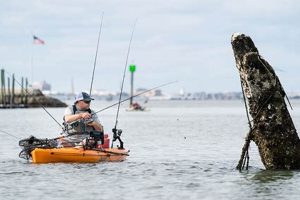
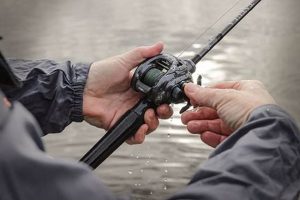
The pursuit of redfish (Sciaenops ocellatus) from a small, human-powered vessel offers a unique blend of angling challenge and intimate connection with the inshore marine environment. This approach typically involves navigating shallow coastal waters, estuaries, and bays, often in areas inaccessible to larger boats. Specialized tackle and techniques are employed to target these powerful fish, known for their spirited fight and bronze-red coloration.
This specialized angling method provides numerous advantages. The stealth and maneuverability of kayaks allow access to shallow flats and backwater areas where redfish often congregate, increasing the likelihood of encounters. Furthermore, the angler’s low profile and quiet approach minimize disturbance to the fish, contributing to a more natural and rewarding experience. Historically, small vessels have been utilized for fishing in these environments, highlighting the enduring appeal and effectiveness of this approach. The contemporary use of kayaks builds upon this tradition, incorporating modern materials and design for enhanced performance and stability.
The following sections will delve deeper into essential aspects of this pursuit, covering topics such as suitable equipment, effective fishing techniques, location selection, and responsible angling practices.
Tips for Successful Redfish Pursuit from a Kayak
Optimizing the angling experience from a kayak requires careful consideration of several key factors. These tips offer guidance for improved success and a more enjoyable outing.
Tip 1: Tackle Selection: Prioritize lightweight yet robust rods and reels spooled with appropriate line for redfish. Braided line is often favored for its sensitivity and strength. A selection of lures and rigs, including jigs, spoons, and topwater plugs, should be tailored to the specific fishing conditions.
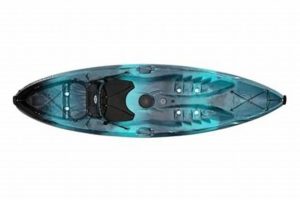
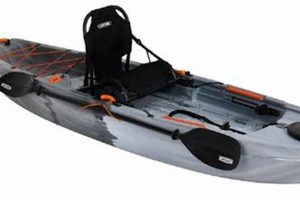
Tip 2: Kayak Configuration: A stable and well-equipped kayak is essential. Features such as rod holders, anchor systems, and storage compartments enhance efficiency and organization. Consider a sit-on-top kayak for its stability and ease of access.
Tip 3: Tidal Awareness: Understanding tidal movements is crucial. Incoming and outgoing tides create currents that influence redfish behavior and feeding patterns. Plan fishing trips around optimal tidal flows.
Tip 4: Location Scouting: Research and identify productive fishing areas. Focus on shallow flats, oyster beds, grass flats, and channels where redfish are likely to congregate. Utilize maps and local knowledge to pinpoint promising spots.
Tip 5: Stealth and Approach: Minimize noise and disturbance. Approach target areas slowly and quietly, using the kayak’s maneuverability to position effectively for casting. Avoid sudden movements that might spook fish.
Tip 6: Presentation and Retrieval: Vary lure presentation and retrieval speeds to entice strikes. Experiment with different techniques to determine what works best in the given conditions. Observe fish behavior and adjust accordingly.
Tip 7: Safety First: Prioritize safety by wearing a personal flotation device and carrying essential safety gear. Check weather conditions before embarking on a trip and be prepared for changing conditions. Inform someone of your fishing plans.
By implementing these tips, anglers can significantly enhance their chances of success and enjoyment while pursuing redfish from a kayak. Preparation, knowledge, and adaptability are key elements of a rewarding fishing experience.
The following section will discuss conservation practices and the importance of responsible angling to ensure the sustainability of redfish populations.
1. Quiet Approach

In the pursuit of red drum from a kayak, a quiet approach is paramount. Redfish are easily spooked by noise and disturbance, particularly in the shallow waters they frequent. A stealthy approach maximizes opportunities for close-range encounters and increases the likelihood of enticing a strike.
- Minimizing Kayak Noise
Kayak noise, from paddle splashes to hull slap against the water, can alert redfish to the angler’s presence. A smooth, controlled paddling stroke minimizes disturbance. Drifting silently with the current or wind is often the most effective way to approach wary fish. For example, using a feathered paddle or slowing paddle strokes reduces noise and vibration transmission through the water. This is especially critical when approaching shallow flats or areas with submerged vegetation.
- Tackle and Equipment Management
Dropping tackle boxes, banging rods against the kayak, or rattling gear creates noise that can deter redfish. Organizing tackle and securing equipment minimizes unwanted sounds. For instance, using tackle trays with secure compartments and velcro straps to hold rods in place prevents unnecessary clatter. Opting for soft-sided tackle bags instead of hard plastic boxes also helps to dampen noise.
- Observing Fish Behavior
Redfish often reveal their presence through subtle signs such as tailing or wakes. Observing fish behavior from a distance allows anglers to plan their approach and avoid sudden movements that might cause alarm. Binoculars can be a valuable tool for spotting fish without getting too close. If fish are visibly spooked, it’s best to retreat and allow them time to settle before attempting another approach.
- Environmental Awareness
Wind, current, and ambient noise levels influence the effectiveness of a quiet approach. Paddling into the wind or current masks kayak noise, while approaching downwind or downcurrent requires extra caution. Awareness of natural sounds, such as bird calls or wave action, helps anglers gauge the overall noise level and adjust their approach accordingly. Fishing during calmer periods can significantly enhance the effectiveness of a quiet approach.
By mastering a quiet approach, kayak anglers gain a significant advantage in the pursuit of red drum. This emphasis on stealth allows for closer proximity to fish, increases opportunities for observation, and ultimately contributes to a more rewarding and successful fishing experience. The quiet approach, coupled with knowledge of redfish behavior and habitat, enhances the connection between angler and quarry, highlighting the skill and finesse involved in this specialized form of fishing.
2. Shallow Water Access
Shallow water access represents a cornerstone of kayak fishing for red drum. These fish frequently inhabit shallow flats, estuaries, creeks, and backwater areas often inaccessible to larger, motorized boats. Kayaks, with their shallow drafts and maneuverability, excel in these environments, granting anglers access to prime red drum habitat. This access enhances the probability of encountering red drum and allows for targeted fishing in areas where these fish concentrate for feeding or refuge. For example, navigating shallow grass flats during high tide allows anglers to target red drum as they forage on crustaceans and baitfish amongst the submerged vegetation. Similarly, kayaks enable access to oyster bars and shallow channels within estuaries, where red drum often ambush prey.
The ability to navigate shallow water provides several tactical advantages. Anglers can position kayaks strategically for optimal casting angles and presentations. Stealthy approaches are facilitated by the kayak’s low profile and quiet operation, minimizing disturbance to fish in shallow, clear water. Furthermore, kayaks grant anglers the flexibility to explore various shallow-water features, such as drop-offs, points, and submerged structures, which often hold red drum. The shallow draft also enables anglers to quietly pole or paddle through shallow areas, further enhancing stealth and allowing for precise boat control. This level of control is often impossible in larger vessels. Consider the scenario of fishing a shallow tidal creek: a kayak allows the angler to navigate the narrow waterway effectively and silently, presenting lures to fish holding near the bank or structure.
Understanding the relationship between shallow water access and red drum behavior is crucial for successful kayak fishing. Factors such as tide level, water clarity, and the presence of forage influence red drum distribution in shallow areas. Anglers who adapt their approach based on these factors and leverage the kayak’s unique capabilities in shallow water environments stand a greater chance of success. While shallow water access provides a significant advantage, it also presents challenges, such as navigating changing tides, wind conditions, and avoiding grounding. However, overcoming these challenges through careful planning, observation, and skillful kayak handling enhances the overall experience and strengthens the connection between the angler and the environment.
3. Light Tackle

The use of light tackle is integral to the experience of kayak fishing for red drum. It offers a more balanced and engaging fight, amplifying the thrill of battling these powerful fish in a close-quarters environment. Light tackle enhances the angler’s sensitivity to subtle takes and allows for more nuanced presentations of lures and bait. This approach aligns with the overall ethos of kayak fishing, emphasizing a direct and intimate connection with the quarry and the environment. For example, using a 7-foot medium-light spinning rod paired with a 2500-size reel spooled with 10-15lb braided line provides sufficient strength to handle red drum while maximizing sensitivity and casting control. This setup allows anglers to feel the subtle taps of a redfish inhaling a soft plastic lure or the head shakes of a fish as it fights against the line. The lighter rod also allows for longer casts, which is often crucial when fishing in shallow water. Using heavier tackle would diminish the thrill of the fight and could also hinder casting accuracy and distance.
Furthermore, light tackle enhances the sporting aspect of red drum fishing from a kayak. It levels the playing field between angler and fish, requiring more finesse and skill to successfully land a red drum. This dynamic adds a layer of challenge and excitement to the experience. Consider a scenario where an angler hooks a large red drum on light tackle in shallow water. The fish’s power is magnified by the lighter gear, requiring the angler to carefully manage the drag, maneuver the kayak, and tire the fish before attempting to land it. This interplay of skill, strategy, and physical exertion defines the essence of light tackle fishing for red drum. The choice of light tackle also influences lure selection and presentation. Smaller, more finesse-oriented lures, such as soft plastic shrimp, jerkbaits, and topwater plugs, are typically employed with lighter tackle, allowing for a more natural presentation that often entices wary redfish. These lures are designed to mimic the movements of natural prey, triggering the predatory instincts of red drum.
In summary, light tackle is not merely a practical choice for kayak fishing red drum; it is a philosophical one. It prioritizes the experience of the fight, the connection with the fish, and the challenge of overcoming a formidable opponent with finesse and skill. The use of light tackle adds depth and richness to the kayak fishing experience, transforming it from simply catching fish to a dynamic and engaging interaction with the natural world. However, it also requires a greater understanding of fish behavior, tackle management, and kayak control to be successful. Mastering the nuances of light tackle fishing for red drum from a kayak offers a truly rewarding angling pursuit.
4. Artificial Lures/Bait

Artificial lures and bait play a crucial role in kayak fishing for red drum, offering anglers a versatile and effective means of targeting these prized sportfish. The selection and presentation of artificial offerings significantly influence success rates, particularly in the shallow-water environments often frequented by red drum. Understanding the nuances of various lure types and their applications is essential for kayak anglers seeking to maximize their chances of hooking these powerful fish. The following facets explore key considerations regarding artificial lures and bait in the context of kayak fishing for red drum.
- Lure Selection and Presentation
Choosing the right lure depends on factors such as water clarity, depth, current, and prevalent forage. In clear water, natural-colored lures often prove effective, while brighter, more vibrant colors may be necessary in murky conditions. Matching the lure’s size and profile to the local baitfish enhances its appeal. Presentation techniques also vary based on the lure type and the targeted fish’s behavior. For example, a slow, steady retrieve might be effective for a soft plastic shrimp imitation, while a more erratic, twitching action might entice a strike with a topwater plug. Understanding the nuances of lure selection and presentation is crucial for enticing red drum. For instance, in shallow grass flats, weedless spoons or soft plastic jerkbaits rigged with weedless hooks allow anglers to fish effectively without constantly snagging vegetation. Similarly, when fishing around oyster bars or other structure, heavier jigs or lures with durable finishes are necessary to withstand contact with the rough terrain.
- Matching the Hatch
The concept of “matching the hatch” involves selecting lures that imitate the red drum’s primary food source in a given area. Observing the local baitfish or crustaceans provides valuable insights for lure choice. For instance, if shrimp are prevalent, a soft plastic shrimp imitation or a small jig with a shrimp trailer can be highly effective. Similarly, if small baitfish are abundant, a paddle-tail swimbait or a minnow-imitating crankbait can trigger strikes. Matching the hatch increases the likelihood of enticing red drum to bite by appealing to their natural feeding instincts. This approach requires observation and adaptability, as the prevalent forage can change with seasons, tides, and location.
- Utilizing Scent and Sound
Enhancing lures with scent attractants can be particularly effective for red drum, especially in murky water or when fish are less active. Applying scents that mimic the natural prey, such as shrimp or crab oil, increases the lure’s appeal. Some lures incorporate rattles or other sound-producing elements that can attract red drum by mimicking the sounds of distressed baitfish or crustaceans. These auditory stimuli can trigger a predatory response, especially in low-visibility conditions. For example, adding a scented trailer to a jig or soaking soft plastic lures in attractant can significantly increase their effectiveness. Similarly, using topwater lures with built-in rattles can create commotion on the surface, attracting red drum from a distance.
- Kayak-Specific Considerations
Kayak fishing presents unique considerations for lure and bait storage and deployment. Limited space necessitates careful selection and organization of tackle. Kayak anglers often favor lures that are versatile and effective in multiple situations. Accessibility and ease of use are also important factors. For instance, lures that can be quickly changed or rigged without requiring extensive tackle adjustments are preferred. Moreover, the kayak’s stability and maneuverability allow anglers to position themselves for optimal casting angles and retrieve patterns, enhancing the effectiveness of their chosen lures. For example, using a kayak-mounted crate system or a well-organized tackle bag allows for efficient access to lures and terminal tackle without cluttering the limited deck space.
By understanding the factors influencing lure and bait selection, presentation, and application specific to kayak fishing, anglers can significantly increase their success in targeting red drum. The choice of artificial offerings should align with the prevailing conditions, the targeted fish’s behavior, and the unique advantages offered by the kayak platform. This holistic approach enhances the overall fishing experience and underscores the importance of informed decision-making in the pursuit of red drum from a kayak.
5. Tide and Current Awareness

Tide and current awareness is paramount for successful kayak fishing for red drum. These natural forces dictate red drum movement, feeding patterns, and location. Understanding tidal flows and currents enables anglers to predict fish behavior, select optimal fishing locations, and present lures effectively. Ignoring these influences can significantly diminish success and even pose safety risks for kayak anglers.
- Tidal Influence on Red Drum Behavior
Red drum behavior is intrinsically linked to tidal cycles. Incoming tides flood shallow flats and marshes, providing access to foraging areas rich in crustaceans, baitfish, and other prey. Red drum often follow the rising tide onto these flats, actively feeding as the water deepens. Conversely, during falling tides, red drum move off the flats and into deeper channels or holes, seeking refuge and conserving energy. Understanding these patterns allows anglers to anticipate red drum location and adjust fishing strategies accordingly. For example, fishing the edges of flooded grass flats during an incoming tide increases the likelihood of encountering actively feeding red drum. Conversely, focusing on deeper channels or creek mouths during a falling tide can yield better results.
- Current and Structure Interaction
Currents play a critical role in determining where red drum position themselves, particularly around structure. These fish often seek refuge behind oyster bars, rocks, or other obstructions, using the current as a conveyor belt for food delivery. Understanding how currents interact with structure allows anglers to pinpoint prime ambush points where red drum lie in wait for prey swept by the flow. For instance, casting lures upstream of an oyster bar and allowing the current to carry them naturally past the structure mimics the drift of baitfish and can trigger strikes from waiting red drum. Similarly, fishing the eddies and slack water created by current flowing around points or bends in channels can be highly productive.
- Kayak Positioning and Navigation
Tide and current significantly influence kayak positioning and navigation, particularly in shallow water. Strong currents can make paddling or maneuvering a kayak challenging, requiring careful planning and execution. Understanding tidal flows enables anglers to utilize the current to their advantage, drifting silently over productive areas or using it to position the kayak for optimal casting angles. For example, paddling upstream of a target area and allowing the current to carry the kayak slowly downstream provides a stealthy approach and allows for controlled drift fishing. Conversely, anchoring strategically near structure in a current allows anglers to present lures effectively without constantly repositioning the kayak.
- Safety Considerations
Tide and current awareness is crucial for kayak fishing safety. Strong currents, especially in combination with wind or changing tides, can create hazardous conditions. Understanding tidal flows and predicting potential changes helps anglers avoid being swept into dangerous areas or encountering unforeseen challenges. For example, checking tide charts and weather forecasts before embarking on a fishing trip ensures awareness of potential current strengths and wind conditions. Carrying a VHF radio, a personal locator beacon (PLB), and other safety gear provides added security in case of emergencies. Furthermore, knowing how to self-rescue or re-enter a kayak in the event of a capsize is essential for safe kayak fishing in tidal waters.
By integrating tide and current awareness into their fishing strategies, kayak anglers significantly increase their chances of success when targeting red drum. Understanding these natural forces allows for more informed decisions regarding location selection, presentation techniques, and kayak positioning. Furthermore, prioritizing safety by acknowledging the potential hazards associated with tides and currents ensures a more enjoyable and responsible kayak fishing experience. This knowledge not only improves fishing outcomes but also fosters a deeper appreciation for the dynamic interplay of natural elements within the estuarine environment.
6. Respectful Catch and Release
Respectful catch and release is an essential practice in kayak fishing for red drum, directly impacting the long-term health and sustainability of the fishery. Red drum are a valuable recreational species, and their survival after release is crucial for maintaining healthy populations. Kayak anglers, often accessing shallower, more sensitive habitats, bear a particular responsibility for practicing catch and release with minimal impact on the fish. Handling red drum with care minimizes stress and injury, maximizing post-release survival. For example, using wet hands or a rubberized landing net reduces damage to the fish’s protective slime coat. Minimizing air exposure, especially in warmer temperatures, reduces physiological stress and improves the likelihood of survival. Supporting the fish horizontally during handling further mitigates stress and prevents internal injuries. Avoiding contact with the gills and eyes is also crucial for preserving fish health. When fishing in areas with high catch rates, employing barbless hooks allows for quicker and easier hook removal, reducing handling time and stress on the fish.
Furthermore, utilizing appropriate tackle and fighting techniques contributes to successful catch and release. Using appropriately sized hooks and line minimizes the duration of the fight, reducing exhaustion and stress on the fish. Applying consistent pressure during the fight prevents the hook from dislodging and causing additional injury. Once landed, promptly removing the hook with appropriate tools, such as pliers or dehookers, further minimizes handling time and stress. In cases where the hook is deeply embedded or difficult to remove, cutting the line close to the hook is often the best course of action. This approach allows the fish to shed the hook naturally over time, minimizing the risk of further injury. For instance, using circle hooks, designed to hook fish in the corner of the mouth, reduces the likelihood of gut hooking and simplifies hook removal. Similarly, carrying specialized tools, such as long-nosed pliers or hook-out devices, facilitates efficient hook removal, especially in deeply hooked fish.
In conclusion, respectful catch and release is not merely a recommended practice in kayak fishing for red drum; it is a fundamental principle that ensures the future of this cherished fishery. Minimizing stress and injury through careful handling techniques, using appropriate tackle and fighting strategies, and prioritizing the well-being of the fish contribute to healthy red drum populations and sustain the enjoyment of this recreational pursuit for generations to come. Challenges may include educating new anglers on best practices and addressing the ethical implications of targeting large, trophy-sized fish. However, by emphasizing the importance of responsible angling and promoting a conservation-minded approach, the kayak fishing community can play a vital role in preserving the health and vitality of red drum fisheries.
Frequently Asked Questions
This section addresses common inquiries regarding the pursuit of red drum from a kayak, offering concise and informative responses.
Question 1: What type of kayak is best suited for pursuing red drum?
Sit-on-top kayaks are generally preferred for their stability, ease of entry and exit, and self-bailing capabilities. A kayak with sufficient storage for tackle and gear, along with features like rod holders and anchor systems, enhances the fishing experience.
Question 2: What is the recommended tackle for kayak red drum fishing?
Medium-light to medium-heavy spinning or baitcasting rods paired with appropriately sized reels spooled with braided line (10-20 lb test) are commonly used. Lure choices include soft plastics, jigs, topwater plugs, and spoons.
Question 3: Where are red drum typically found in kayak-accessible areas?
Red drum inhabit shallow flats, grass beds, oyster bars, creeks, and channels within estuaries and inshore coastal waters. Focusing on areas with structure, moving water, and baitfish activity increases the likelihood of encounters.
Question 4: What are the best times to fish for red drum from a kayak?
Tidal movements significantly influence red drum activity. Fishing during moving tides, particularly incoming and outgoing flows, often yields better results. Dawn and dusk periods can also be productive.
Question 5: What safety precautions should kayak anglers consider when targeting red drum?
Wearing a personal flotation device (PFD) is crucial. Checking weather conditions, informing someone of fishing plans, carrying a communication device, and understanding local regulations enhance safety.
Question 6: What are the best practices for catch and release of red drum?
Minimizing handling time, using wet hands or a rubberized landing net, supporting the fish horizontally, and avoiding contact with gills and eyes promote post-release survival. Using barbless hooks and appropriate tackle further reduces stress on the fish.
Understanding these key aspects of kayak fishing for red drum contributes to a more informed and successful angling experience. Prioritizing safety and responsible angling practices ensures the sustainability of this valuable fishery.
The following section will offer a concluding perspective on the unique rewards and challenges of pursuing red drum from a kayak.
Conclusion
Pursuing red drum from a kayak presents a distinctive angling challenge. Maneuverability within shallow-water habitats, combined with the stealthy nature of kayaks, offers significant advantages. Understanding tidal influences, employing appropriate tackle and techniques, and prioritizing respectful catch and release practices contribute to successful and sustainable red drum fishing. The integration of these elements enhances angler engagement and fosters a deeper appreciation for the dynamic interplay between predator and prey within the estuarine environment.
The continued growth and development of kayak fishing for red drum necessitate a commitment to conservation and responsible angling. Preserving the health of these fisheries ensures the longevity of this rewarding pursuit for future generations. The challenge lies in balancing the thrill of the chase with the responsibility of stewardship, ensuring that the pursuit of red drum from a kayak remains a sustainable and enriching experience for all who partake.