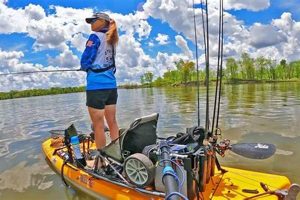
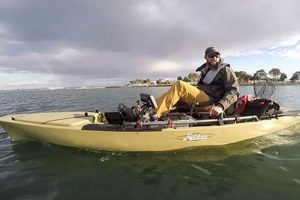
A compilation of necessary gear for angling from a kayak typically includes items for safety, navigation, kayak outfitting, and fishing-specific tools. For example, such a compilation might encompass a personal flotation device, a paddle, rod holders, a fish finder, and tackle storage solutions. The specific items included can vary based on factors such as the type of fish targeted, the fishing environment (e.g., river, lake, ocean), and personal preferences.
Organized preparation is essential for a safe and successful fishing trip from a kayak. A comprehensive inventory of required gear ensures anglers can focus on the experience rather than worrying about missing essentials. Historically, kayak fishing relied on simpler tools, but modern advancements in materials and technology have expanded the range of specialized equipment available, improving both safety and fishing effectiveness. This evolution has made careful planning and selection from available options even more critical.
The subsequent sections will delve into specific categories of essential gear, offering detailed explanations and recommendations for various fishing scenarios and skill levels. Topics covered will include safety equipment, kayak selection and modification, navigation and electronics, fishing rods and reels, appropriate tackle, and storage solutions.
Essential Kayak Fishing Equipment Tips
Careful consideration of equipment needs enhances safety and improves fishing success. The following tips offer guidance for selecting and utilizing essential gear.
Tip 1: Prioritize Safety Gear: A personal flotation device (PFD) designed for paddling is paramount. A whistle, signaling mirror, and first-aid kit are also crucial for emergency preparedness.
Tip 2: Choose the Right Paddle: Paddle length and blade shape impact paddling efficiency and comfort. Consider factors like kayak width and paddling style when making a selection.
Tip 3: Secure and Organize Tackle: Utilize tackle boxes and storage solutions designed for kayak fishing to keep gear organized, accessible, and protected from water.
Tip 4: Select Appropriate Rods and Reels: Rod length and action, as well as reel type and line capacity, should be matched to the target species and fishing techniques.
Tip 5: Employ a Fish Finder: A fish finder assists in locating fish and understanding underwater structure, significantly increasing fishing effectiveness.
Tip 6: Utilize Rod Holders: Rod holders free hands for paddling and other tasks, while keeping rods secure and readily available.
Tip 7: Consider an Anchor or Drift Chute: Maintaining position in current or wind is often crucial for successful kayak fishing. An anchor or drift chute offers effective solutions.
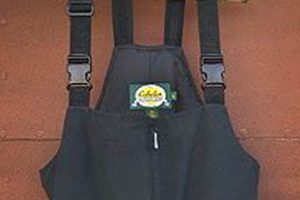
Tip 8: Dress Appropriately: Weather conditions can change rapidly on the water. Dressing in layers and utilizing appropriate rain gear ensures comfort and safety.
Implementing these tips contributes significantly to a safe and productive kayak fishing experience. Proper gear selection and utilization allow anglers to focus on enjoying the sport and maximizing their success.
By understanding the importance of each piece of equipment and its function, anglers can make informed decisions and create a personalized setup tailored to their specific needs and fishing style. This knowledge forms the foundation for a rewarding and enjoyable experience on the water.
1. Safety Gear

Safety equipment forms a critical component of any kayak fishing equipment list. Prioritizing safety ensures anglers can enjoy the sport while mitigating inherent risks associated with the aquatic environment. Overlooking these essential items can lead to dire consequences, transforming a recreational activity into a hazardous situation.
- Personal Flotation Device (PFD)
A properly fitted PFD is non-negotiable. It provides buoyancy in case of capsizing or unexpected immersion, significantly increasing survival chances. PFDs designed specifically for paddling offer greater comfort and range of motion. Inflatable PFDs are also available, providing a less bulky option when properly maintained and worn.
- Signaling Devices
Visual and auditory signaling devices are crucial for attracting attention in emergencies. A whistle, attached to the PFD, allows for audible distress signals. A signaling mirror can reflect sunlight over long distances, increasing visibility to potential rescuers. These devices are particularly vital in open water or areas with limited boat traffic.
- First-Aid Kit
A waterproof first-aid kit equipped with essential supplies addresses minor injuries and provides initial care for more serious incidents until professional medical assistance is available. Contents should include bandages, antiseptic wipes, pain relievers, and any personal medications.
- Communication Devices
A waterproof VHF radio or a charged mobile phone in a waterproof case allows communication with emergency services or other boaters. Checking weather forecasts before departure and informing someone of the planned fishing location and estimated return time are also essential safety precautions.
Integrating these safety elements into a kayak fishing equipment list demonstrates a responsible approach to the sport. While focusing on optimizing fishing success, acknowledging potential hazards and equipping oneself with the necessary safety gear remains paramount for a secure and enjoyable experience. A well-prepared angler can focus on the fishing, knowing safety measures are in place should unexpected circumstances arise.
2. Kayak Selection

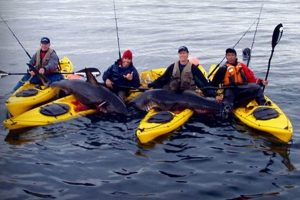
Kayak selection represents a crucial element within a comprehensive kayak fishing equipment list. The vessel serves as the angler’s primary platform, influencing stability, maneuverability, and overall fishing efficacy. An appropriate kayak complements other equipment choices, maximizing their utility and contributing to a safe and productive fishing experience. Choosing a kayak unsuitable for the intended fishing environment or angler’s skill level can negatively impact performance and safety. For example, attempting ocean fishing in a small recreational kayak designed for calm lakes presents significant safety risks and limits fishing effectiveness.
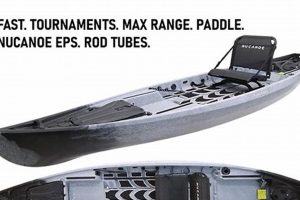
Several factors influence optimal kayak selection. Hull design dictates stability and tracking. Sit-on-top kayaks offer inherent buoyancy and self-bailing capabilities, advantageous in rougher waters. Sit-inside kayaks provide greater protection from the elements and often accommodate more gear storage. Kayak length and width affect speed and maneuverability. Longer kayaks track better in open water, while shorter kayaks offer greater agility in tight spaces. Weight capacity considerations encompass angler weight, gear, and potential catch. Exceeding the manufacturer’s recommended weight capacity compromises stability and safety. Finally, features like rod holders, anchor trolleys, and integrated storage compartments enhance fishing functionality and convenience.
Careful kayak selection, based on a thorough assessment of individual needs and intended fishing environments, is paramount. Matching kayak characteristics to specific fishing requirements enhances performance, safety, and overall enjoyment. This informed decision contributes significantly to a successful and rewarding kayak fishing experience. Understanding the interplay between kayak selection and other equipment choices allows anglers to create a cohesive and effective system optimized for their individual fishing style and targeted species. The kayak serves as the foundation of the fishing platform, influencing all other equipment decisions.
3. Fishing Tackle

Fishing tackle constitutes a critical component of any kayak fishing equipment list, directly impacting an angler’s success and overall experience. Tackle selection must be carefully tailored to the target species, fishing environment, and specific techniques employed. A well-chosen tackle assortment maximizes catch potential while minimizing equipment redundancy and maximizing limited storage space inherent to kayak fishing. Failure to consider tackle appropriateness relative to these factors can lead to reduced effectiveness and frustration. For example, using heavy offshore tackle for freshwater panfish proves cumbersome and ineffective, while employing light tackle for large pelagic species risks equipment failure and lost opportunities. The interplay between tackle and kayak fishing necessitates careful planning and selection.
Essential tackle components for kayak fishing include rods, reels, lines, lures, and terminal tackle. Rods should be chosen based on length, action, and power, balancing casting performance with fish-fighting capabilities within the confined space of a kayak. Reels should match rod specifications and target species, offering appropriate line capacity and drag systems. Line selection depends on target species and fishing environment, considering factors such as breaking strength, visibility, and abrasion resistance. Lures and terminal tackle must align with target species preferences and prevailing fishing conditions. Practical examples include using shorter rods for increased maneuverability within the kayak, employing braided lines for enhanced sensitivity and strength, and selecting lures appropriate for the target species’ feeding habits and habitat. Careful organization and readily accessible storage solutions are vital for efficient tackle management within the limited space of a kayak.
Effective tackle selection tailored to the specific demands of kayak fishing enhances angling success and overall enjoyment. Understanding the relationship between target species, fishing environment, and tackle choices empowers anglers to create a streamlined and effective system. This informed approach maximizes catch potential while minimizing clutter and optimizing limited storage space, contributing significantly to a more productive and rewarding kayak fishing experience. Challenges may arise from changing conditions or unexpected target species encounters, highlighting the need for adaptable tackle selections and efficient organization strategies. The balance between specialized tackle and versatile options is crucial for success in the dynamic environment of kayak fishing.

Navigation aids constitute a critical aspect of a comprehensive kayak fishing equipment list, impacting both safety and fishing efficacy. These tools provide crucial information about location, water depth, and underwater structure, enabling informed decisions and enhancing situational awareness. Effective navigation allows anglers to explore new areas, return safely to launch points, and locate productive fishing spots. Neglecting navigational tools can lead to disorientation, wasted fishing time, and potentially hazardous situations, particularly in unfamiliar waters or challenging conditions. Integrating appropriate navigation aids contributes significantly to a safe and successful kayak fishing experience.
- GPS Units and Chartplotters
GPS devices and chartplotters provide precise location data and display nautical charts, enabling accurate navigation and route planning. These tools are essential for navigating unfamiliar waters, marking waypoints for productive fishing spots, and ensuring safe return to launch points. Modern units often integrate with fish finders and other electronic devices, providing a comprehensive navigational and fishing information hub. For example, marking a GPS waypoint at the location of a submerged reef or other structure allows anglers to return to that precise location on subsequent trips.
- Fish Finders
While primarily used for locating fish, fish finders also provide valuable navigational information by displaying water depth and bottom contours. This information helps anglers avoid shallow areas, navigate channels, and identify potentially productive fishing structures. Understanding underwater topography contributes to safer and more effective kayak maneuvering. For example, a fish finder can reveal a sudden drop-off or submerged obstacle, allowing the angler to adjust their course and avoid grounding or collision.
- Compass
A compass provides a basic directional reference, particularly useful in situations where electronic navigation devices fail or experience interference. While less precise than GPS, a compass offers a reliable backup navigation tool, especially in open water or areas with limited landmarks. Maintaining awareness of cardinal directions helps prevent disorientation and ensures safe navigation back to shore in case of electronic device malfunction.
- Maps and Charts
Waterproof nautical charts or topographic maps provide a visual representation of the fishing area, including water depths, channels, hazards, and landmarks. While electronic navigation aids are prevalent, physical maps serve as valuable backup tools and offer a broader perspective of the surrounding environment. Familiarizing oneself with the area’s topography and potential hazards enhances situational awareness and promotes safe navigation. For example, a map can highlight areas with strong currents or shallow reefs, informing route planning and preventing potentially dangerous situations.
Integrating these navigation aids into a kayak fishing equipment list transforms the experience, enhancing safety and fishing success. Understanding their individual functions and synergistic capabilities empowers anglers to navigate confidently, explore new waters effectively, and locate productive fishing areas. The strategic use of navigation aids minimizes risks associated with disorientation and environmental hazards, contributing to a more rewarding and enjoyable kayak fishing experience. The combination of electronic and traditional navigation tools ensures redundancy and preparedness for varied conditions, ultimately enhancing safety and optimizing angling success.
5. Comfort & Utility

Comfort and utility items, while often overlooked, constitute a significant aspect of a comprehensive kayak fishing equipment list. These elements directly impact an angler’s physical well-being, endurance, and overall enjoyment on the water. Prioritizing comfort and utility allows for longer, more productive fishing trips by mitigating fatigue, protecting against environmental elements, and streamlining essential tasks. Neglecting these aspects can lead to discomfort, decreased fishing effectiveness, and potentially shortened trips due to adverse weather conditions or physical strain.
- Appropriate Clothing
Appropriate clothing significantly impacts comfort and safety during kayak fishing excursions. Dressing in layers allows for adaptation to changing weather conditions. Moisture-wicking base layers regulate body temperature and enhance comfort. Waterproof and windproof outer layers provide protection from rain, spray, and wind. Non-cotton materials are preferred due to their quick-drying properties. For example, wearing a breathable base layer, a fleece mid-layer, and a waterproof outer shell allows anglers to adjust to fluctuating temperatures and precipitation. Proper footwear, such as water-resistant shoes or boots, further enhances comfort and provides protection from the elements.
- Dry Storage and Gear Organization
Dry bags and waterproof containers protect essential gear, such as electronics, clothing, and food, from water damage. Organized storage solutions, including tackle boxes and specialized kayak crates, maximize limited space and ensure efficient access to equipment. Proper gear organization minimizes clutter and streamlines tackle changes, contributing to a more efficient and enjoyable fishing experience. For example, storing electronic devices in waterproof cases and organizing tackle within designated compartments facilitates quick retrieval and prevents damage from water exposure.
- Sun Protection
Protecting against prolonged sun exposure is crucial for kayak anglers. Sunscreen with a high SPF rating, a wide-brimmed hat, and polarized sunglasses shield against harmful UV rays. Long-sleeved shirts and pants offer additional protection. Neglecting sun protection can lead to sunburn, long-term skin damage, and heat exhaustion, significantly impacting comfort and safety. For example, wearing a wide-brimmed hat and polarized sunglasses not only protects from the sun but also reduces glare on the water, improving visibility and enhancing the fishing experience.
- Hydration and Nutrition
Maintaining proper hydration and nutrition is essential for sustained energy and focus during long hours on the water. Bringing ample water or other hydrating beverages and packing nutritious snacks or meals helps prevent dehydration and fatigue, allowing anglers to maintain peak performance throughout the day. Insulated containers can keep food and beverages at optimal temperatures. For example, packing a cooler with water, sports drinks, and high-protein snacks ensures adequate hydration and energy levels, maximizing fishing effectiveness and overall enjoyment.
Incorporating comfort and utility items into a kayak fishing equipment list enhances both the safety and enjoyment of the experience. These considerations, while sometimes overlooked in favor of specialized fishing gear, play a crucial role in angler well-being and overall trip success. Prioritizing these elements enables anglers to focus on fishing, minimizing distractions caused by discomfort or inadequate preparation. A well-rounded equipment list that addresses comfort and utility, alongside essential fishing gear, contributes significantly to a more productive, enjoyable, and ultimately safer kayak fishing experience. The interplay between comfort, utility, and fishing effectiveness highlights the importance of a holistic approach to equipment selection and preparation.
Frequently Asked Questions about Kayak Fishing Equipment
This section addresses common inquiries regarding essential equipment for kayak fishing, aiming to provide clear and concise information for anglers of all skill levels. Understanding the nuances of equipment selection and utilization contributes significantly to a safer and more rewarding experience on the water.
Question 1: What type of personal flotation device (PFD) is recommended for kayak fishing?
A PFD specifically designed for paddling is recommended. These PFDs offer greater comfort and range of motion compared to standard life vests, allowing for unimpeded casting and paddling. Inflatable PFDs are also an option, provided they are properly maintained and worn consistently.
Question 2: How does one choose the appropriate kayak fishing rod and reel combination?
Rod and reel selection depends on the target species, fishing techniques, and personal preferences. Shorter rods offer greater maneuverability within the confines of a kayak, while longer rods facilitate longer casts. Reel selection should complement the chosen rod and provide appropriate line capacity and drag system for the target species.
Question 3: What are the essential safety items to include in a kayak fishing equipment list?
Essential safety items include a properly fitted PFD, a whistle, a signaling mirror, a first-aid kit, and a communication device such as a VHF radio or a mobile phone in a waterproof case. Informing someone of the planned fishing location and estimated return time is also a crucial safety precaution.
Question 4: How can tackle be organized effectively within the limited space of a kayak?
Effective tackle organization utilizes specialized tackle boxes, trays, and storage bags designed for kayak fishing. These systems maximize limited space and allow for quick access to lures, hooks, and other essential fishing gear. Maintaining a well-organized tackle system contributes to efficient fishing and minimizes clutter.
Question 5: Is a fish finder necessary for successful kayak fishing?
While not strictly necessary, a fish finder significantly enhances fishing effectiveness by providing information about water depth, bottom structure, and fish location. This data allows anglers to target specific areas and depths, increasing the likelihood of success. Fish finders also contribute to safer navigation by identifying underwater hazards.
Question 6: What are the advantages of using a kayak-specific anchor or drift chute?
A kayak anchor or drift chute allows anglers to maintain position in current or wind, crucial for techniques like drift fishing or targeting specific structures. These tools provide stability and control, enhancing fishing effectiveness and preventing unwanted drift. Choosing the appropriate anchoring system depends on the fishing environment and personal preferences.
Careful equipment selection and utilization are paramount for a safe and successful kayak fishing experience. Understanding the function and purpose of each item in a comprehensive equipment list empowers anglers to make informed decisions and optimize their time on the water.
The following section will offer detailed insights into specific equipment categories, providing practical recommendations and expert advice for optimizing kayak fishing performance.
Kayak Fishing Equipment List
Careful consideration of a kayak fishing equipment list is paramount for a safe and productive angling experience. This exploration has highlighted the essential categories of gear, encompassing safety equipment, kayak selection, fishing tackle, navigation aids, and comfort and utility items. Each category plays a vital role in maximizing angling success while ensuring angler safety and well-being. The interplay between these elements underscores the importance of a holistic approach to equipment selection, emphasizing the need for informed decision-making based on individual fishing styles, target species, and environmental conditions.
A comprehensive understanding of kayak fishing equipment empowers anglers to create personalized setups optimized for specific needs and goals. This knowledge translates to enhanced safety, increased fishing effectiveness, and a more rewarding experience on the water. Continual evaluation and refinement of equipment choices, based on experience and evolving fishing practices, further contribute to long-term angling success and enjoyment within the dynamic environment of kayak fishing.