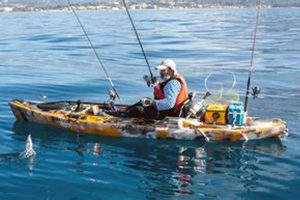
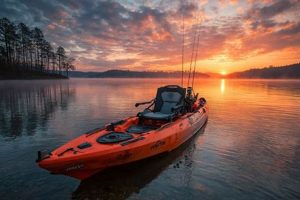
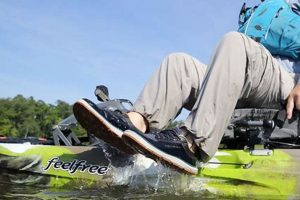
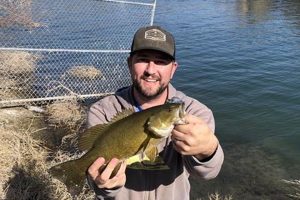
This activity involves angling from a kayak in the diverse waters of Chile. It offers a unique blend of outdoor recreation, engagement with nature, and the pursuit of various fish species. Imagine casting a line amidst stunning fjords, tranquil lakes, or the challenging currents of the Pacific Ocean, all from the perspective of a small, maneuverable vessel.
The combination of accessible waterways and abundant marine life makes this pursuit a compelling activity. It provides a low-impact way to experience the natural beauty of Chile while enjoying the challenge and reward of fishing. Historically, kayaks have been used for fishing and transportation in many cultures, and the modern adaptation for recreational angling offers a new perspective on this traditional practice. The activity’s growth underscores its appeal to both experienced anglers seeking a new challenge and newcomers looking for a unique outdoor experience.
The following sections will delve into the specific locations, equipment, techniques, and regulations relevant to angling from a kayak in Chilean waters. Further exploration will cover the environmental considerations and the potential economic impacts associated with this growing recreational activity.
Tips for Kayak Angling in Chile
Preparation and awareness are crucial for a successful and safe experience. The following tips offer guidance for maximizing enjoyment while minimizing risks.
Tip 1: Understand Local Regulations. Research and adhere to all fishing permits, size limits, and catch restrictions. Regulations vary by region and species. Consulting official resources ensures a legal and ethical angling experience.
Tip 2: Choose Appropriate Gear. Select a kayak designed for stability and fishing functionality. Essential equipment includes a paddle leash, personal flotation device, and appropriate fishing rods and tackle. Consider specialized gear for targeted species.
Tip 3: Plan for Weather Conditions. Chilean weather can be unpredictable. Check forecasts before embarking and be prepared for changing conditions. Dress in layers and carry waterproof gear. Postponing trips due to adverse weather prioritizes safety.
Tip 4: Prioritize Safety Equipment. Carry a signaling device, such as a whistle or flare, and a communication device. Inform someone of the planned route and estimated return time. A VHF radio allows direct communication with authorities in case of emergencies.
Tip 5: Practice Kayak Handling Skills. Familiarize oneself with basic kayak maneuvering techniques before venturing into open waters. Practice self-rescue techniques and understand how to handle different water conditions. Confidence in handling the kayak enhances safety and enjoyment.
Tip 6: Respect Wildlife and the Environment. Practice catch-and-release whenever possible. Dispose of fishing line and other waste responsibly. Minimize disturbance to wildlife and their habitats. Sustainable practices ensure the longevity of this natural resource.
Tip 7: Engage Local Guides. Consider hiring a local guide for unfamiliar areas. Local expertise provides valuable insights into fishing spots, local regulations, and potential hazards. Guided trips enhance safety and improve the chances of a successful fishing experience.
Adherence to these guidelines ensures a safe, rewarding, and environmentally responsible experience. Planning and preparedness are key to maximizing the enjoyment of angling from a kayak in Chile’s unique waters.
By considering these tips, anglers can contribute to the preservation of Chile’s natural beauty while enjoying the rewarding pursuit of kayak fishing.
1. Location

The diverse geography of Chile presents a range of locations suitable for kayak angling, each offering unique opportunities and challenges. Selecting an appropriate location is paramount for a successful and enjoyable experience. Factors such as water conditions, accessibility, target species, and available facilities influence location choice.
- Fjords and Channels:
The intricate network of fjords and channels in southern Chile offers sheltered waters, stunning scenery, and opportunities to encounter unique species. These protected waterways provide relatively calm conditions, suitable for less experienced kayakers. However, navigating the complex maze requires careful planning and awareness of tidal currents. Species like salmon and trout thrive in these cool, nutrient-rich waters.
- Lakes and Rivers:
Chile’s numerous lakes and rivers provide diverse freshwater fishing opportunities. From the high-altitude lakes in the Andes to the lowland rivers flowing towards the coast, each environment supports different species and requires specific techniques. Accessibility varies, with some locations requiring longer journeys or specialized equipment for launching. Species like rainbow trout and brown trout populate many of these freshwater systems.
- Coastal Areas:
The extensive Chilean coastline offers access to open ocean species and nearshore habitats. Kayak anglers can explore kelp forests, rocky reefs, and sandy bays, targeting a variety of fish. However, coastal fishing requires careful consideration of weather conditions, tides, and potential hazards such as strong currents and boat traffic. Species like rockfish and sea bass inhabit these dynamic coastal environments.
- Protected Areas and National Parks:
Several national parks and protected areas in Chile permit kayak fishing, offering pristine environments and opportunities to observe diverse wildlife. Anglers must adhere to specific regulations and guidelines to minimize environmental impact. These areas often provide unique fishing experiences while contributing to conservation efforts.
The chosen location directly influences the overall kayak fishing experience. Careful consideration of the specific characteristics of each location, including accessibility, species presence, and potential challenges, allows anglers to make informed decisions and maximize their chances of a successful and enjoyable outing. Matching location choice with skill level, target species, and desired experience enhances the rewarding nature of kayak fishing in Chile.
2. Equipment
Appropriate equipment is essential for a safe and successful kayak fishing experience in Chile. The selection of gear directly impacts comfort, efficiency, and the ability to effectively target desired species. Understanding the function and importance of various equipment components is crucial for informed decision-making.
- Kayak Selection
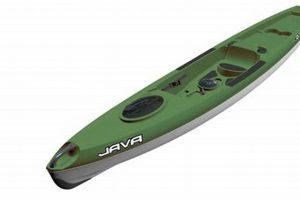
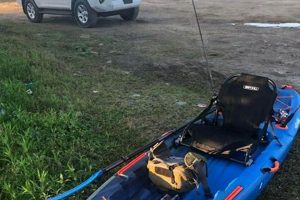
Kayak choice hinges on the intended fishing environment and angler experience. Stable, sit-on-top kayaks are generally preferred for their ease of use and self-rescuing capabilities. Longer kayaks offer better tracking in open water, while shorter, more maneuverable kayaks are suited to navigating tight rivers and estuaries. Specialized fishing kayaks often feature built-in rod holders, storage compartments, and anchor trolleys. Inflatable kayaks provide a portable option for accessing remote locations. Careful consideration of stability, maneuverability, and storage capacity ensures a suitable platform for angling.
- Paddle and Personal Flotation Device (PFD)
A properly fitted PFD is a non-negotiable safety requirement. It should be comfortable and allow for unrestricted movement while paddling and casting. A lightweight, efficient paddle is essential for covering distances and maneuvering the kayak effectively. A paddle leash prevents loss in the event of a capsize. Choosing a paddle length appropriate for the kayaker’s height and kayak width ensures efficient paddling.
- Fishing Gear
Rods, reels, lines, and lures should be selected based on the target species and fishing environment. Medium to light tackle is often suitable for the majority of species encountered in Chilean waters. Rod holders and tackle storage systems integrated into the kayak enhance organization and accessibility. Carrying a variety of lures and terminal tackle allows anglers to adapt to changing conditions and target different species effectively. Understanding the feeding habits of target species informs tackle choices.
- Safety and Navigation Equipment
Essential safety equipment includes a whistle, signaling mirror, and a waterproof communication device. A VHF radio enables direct contact with authorities in case of emergency. A GPS device or chart plotter aids navigation, especially in complex waterways like fjords or coastal areas. Carrying a first-aid kit and basic repair tools addresses minor injuries and equipment malfunctions. Thorough trip planning and communication of intended routes with others enhance safety measures.
Effective kayak fishing in Chile relies on a combination of appropriate equipment choices and skilled application. Matching gear to the specific fishing environment, target species, and individual needs ensures a safe, comfortable, and productive experience. Investing in quality equipment and understanding its proper use contributes significantly to the overall enjoyment and success of kayak angling in Chile’s diverse waters.
3. Species
The diverse fish species inhabiting Chilean waters are central to the kayak fishing experience. The specific species targeted influences location choices, equipment selection, and angling techniques. Understanding the distribution, behavior, and feeding habits of these species is crucial for a successful and rewarding outing. The pursuit of different species adds depth and complexity to kayak angling, offering varied challenges and opportunities.
For example, anglers seeking the hard-fighting Chinook salmon often venture into the fjords and channels of southern Chile. These powerful fish require heavier tackle and specialized techniques. In contrast, targeting smaller species like perch or trout in lakes and rivers may involve lighter gear and finesse fishing approaches. Coastal areas offer opportunities to pursue rockfish, sea bass, and other nearshore species, each demanding unique approaches based on their habitat and behavior. Understanding the preferred habitat and feeding patterns of target species allows anglers to select appropriate locations and employ effective fishing techniques.
Matching angling techniques to target species maximizes success and minimizes environmental impact. Practicing catch-and-release for certain species contributes to conservation efforts. Awareness of size and catch limits ensures compliance with regulations and promotes sustainable fishing practices. The diversity of species found in Chilean waters provides ample opportunities for anglers of all skill levels, from novices targeting panfish in calm lakes to experienced anglers pursuing trophy-sized salmon in challenging ocean conditions. The pursuit of specific species enriches the kayak fishing experience and strengthens the connection between anglers and the aquatic environment.
4. Safety

Safety is paramount in kayak fishing within Chile’s diverse waters. The combination of remote locations, variable weather conditions, and the inherent risks of on-water activities necessitates careful planning and a proactive approach to risk management. Neglecting safety precautions can lead to serious incidents, ranging from equipment malfunctions and capsizing to encounters with hazardous wildlife or unpredictable weather patterns. A comprehensive understanding of potential hazards and the implementation of appropriate safety measures are crucial for mitigating these risks. For example, venturing into the fjords without checking the marine weather forecast can expose kayakers to sudden wind gusts and rough seas, potentially leading to capsize or difficulty returning to shore. Similarly, ignoring local regulations regarding required safety equipment, such as personal flotation devices (PFDs) and signaling devices, can have severe consequences in emergency situations.
Practical application of safety principles begins with pre-trip planning. Checking weather forecasts, informing someone of the planned route and estimated return time, and carrying appropriate communication devices are essential steps. Wearing a properly fitted PFD at all times is non-negotiable. Understanding self-rescue techniques and practicing them in calm conditions prepares kayakers for potential capsize situations. Carrying essential safety gear, including a whistle, signaling mirror, and a first-aid kit, equips anglers to handle unexpected events. Furthermore, respecting local regulations, such as designated fishing areas and catch limits, contributes to overall safety by minimizing conflicts with other water users and preserving the natural environment. For instance, adhering to speed limits in designated areas reduces the risk of collisions with other vessels and minimizes disturbance to wildlife.
Prioritizing safety enhances the overall kayak fishing experience. A well-prepared angler can focus on enjoying the natural beauty of Chile and the pursuit of target species without unnecessary distractions or anxieties. A proactive approach to safety fosters a culture of responsibility and respect for the environment. Continuously evaluating and adapting safety practices based on experience and evolving conditions further strengthens the commitment to safe and sustainable kayak fishing in Chile. Ultimately, a comprehensive understanding and application of safety principles are integral to a rewarding and incident-free experience in Chile’s unique aquatic environments.
5. Regulations

Regulations governing kayak fishing in Chile are essential for preserving fish populations, protecting ecosystems, and ensuring the sustainability of this recreational activity. These regulations encompass various aspects, including licensing requirements, catch limits, size restrictions, permitted fishing areas, and seasonal closures. Compliance with these regulations is not merely a legal obligation but a critical component of responsible angling practices. Ignoring regulations can have detrimental effects on fish stocks, disrupt ecological balance, and potentially lead to penalties or restrictions on fishing access. For example, exceeding catch limits for a particular species can deplete local populations, impacting the food web and the overall health of the ecosystem. Similarly, fishing in protected areas or during closed seasons disrupts breeding cycles and can have long-term consequences for fish populations.
The practical significance of understanding and adhering to fishing regulations is multifaceted. Obtaining the necessary permits and licenses ensures legal compliance and supports conservation efforts. Adhering to catch limits and size restrictions contributes to the long-term health of fish populations. Respecting designated fishing areas and seasonal closures protects vulnerable ecosystems and allows fish to reproduce undisturbed. Furthermore, understanding regulations related to permitted fishing gear and methods minimizes environmental impact and promotes fair fishing practices. For instance, using prohibited fishing gear, such as gill nets, can indiscriminately capture non-target species and damage habitats. By following regulations, anglers contribute to the preservation of Chile’s aquatic resources for future generations. Accessing and interpreting official information from relevant authorities, such as the Servicio Nacional de Pesca y Acuicultura (SERNAPESCA), ensures anglers have the most up-to-date regulations and contribute to a sustainable and legally compliant kayak fishing experience.
In conclusion, regulations play a vital role in the sustainable management of kayak fishing in Chile. Compliance with these regulations is not merely a legal requirement but a demonstration of responsible angling practices. Understanding and adhering to regulations ensures the long-term health of fish populations, protects fragile ecosystems, and contributes to the continued enjoyment of kayak fishing in Chile’s rich and diverse waters. Disregarding regulations undermines conservation efforts and jeopardizes the future of this recreational activity. A commitment to responsible angling, guided by a thorough understanding of and respect for regulations, is essential for preserving Chile’s aquatic resources and ensuring the sustainability of kayak fishing for generations to come.
6. Environment

The environmental context of kayak fishing in Chile is a critical aspect of the activity. The pristine nature of many Chilean waterways is a major draw for anglers, but this same environment requires careful consideration and responsible practices to ensure its preservation. Understanding the interplay between human activity and the natural world is essential for sustainable kayak fishing. This involves awareness of potential impacts, both positive and negative, and a commitment to minimizing disturbance to the delicate balance of aquatic ecosystems.
- Habitat Preservation
Kayak fishing, by its nature, offers a low-impact means of accessing waterways. Unlike motorized boats, kayaks minimize noise and water disturbance, reducing stress on aquatic life and preserving sensitive habitats. However, improper anchoring techniques or careless navigation through shallow areas can damage vegetation and disrupt benthic communities. Responsible kayak anglers prioritize minimizing their physical footprint by utilizing designated launch areas, avoiding sensitive habitats like spawning grounds, and employing appropriate anchoring techniques.
- Water Quality
The quality of Chile’s waters directly impacts the health of fish populations and the overall ecosystem. Kayak anglers can play a role in protecting water quality by avoiding the use of harmful chemicals, properly disposing of waste, and refraining from discarding fishing line or other debris in the water. Chemical spills from improperly stored fuel or cleaning agents can contaminate waterways and harm aquatic life. Responsible anglers prioritize minimizing pollution and preserving water quality through careful handling of all materials and responsible waste disposal practices.
- Wildlife Interactions
Chilean waters are home to diverse wildlife, including marine mammals, seabirds, and other aquatic species. Kayak fishing provides opportunities to observe these animals in their natural habitat, but it’s crucial to minimize disturbance. Maintaining a safe distance, avoiding sudden movements, and refraining from feeding or harassing wildlife ensures their well-being and preserves the natural balance of the ecosystem. Close encounters with marine mammals, while exciting, can cause stress and disrupt their natural behaviors. Responsible kayak anglers prioritize respectful observation and minimize their impact on wildlife.
- Climate Change Impacts
Climate change presents ongoing challenges to aquatic ecosystems worldwide, including those in Chile. Rising water temperatures, changing precipitation patterns, and ocean acidification can impact fish populations and alter habitat conditions. Kayak anglers can contribute to climate change mitigation by reducing their carbon footprint through transportation choices, supporting sustainable fishing practices, and advocating for policies that address climate change. Participating in local conservation efforts, such as habitat restoration projects, further strengthens the commitment to protecting the environment and mitigating the impacts of climate change.
The environmental considerations surrounding kayak fishing in Chile highlight the interconnectedness between human activity and the natural world. Responsible angling practices, guided by an awareness of potential impacts and a commitment to minimizing disturbance, are essential for preserving the pristine beauty and ecological integrity of Chilean waterways. By prioritizing environmental stewardship, kayak anglers can ensure the long-term sustainability of this recreational activity and contribute to the conservation of these valuable aquatic ecosystems.
7. Techniques
Effective techniques are fundamental to successful kayak fishing in Chile. The specific methods employed depend on factors such as target species, location, and prevailing conditions. Proficiency in various techniques allows anglers to adapt to changing circumstances and maximize their chances of a successful catch while minimizing environmental impact. A nuanced understanding of these techniques enhances both the efficiency and enjoyment of kayak fishing.
- Casting and Retrieval
Accurate casting is crucial for presenting lures or bait effectively to target species. Kayak anglers must adapt their casting techniques to the confined space and potential instability of the kayak. Controlled casting motions and precise lure placement are essential for reaching specific areas, such as under overhanging branches or along rocky shorelines. Retrieval speed and action vary depending on the target species and lure type. Slow, steady retrieves may be effective for bottom-dwelling fish, while faster, erratic retrieves can entice predatory species. Mastering casting and retrieval techniques from a kayak platform enhances angling efficiency and increases the likelihood of successful hookups.
- Drift Fishing
Drift fishing involves allowing the kayak to drift naturally with the current or wind while presenting bait or lures. This technique is particularly effective in rivers, estuaries, and open water environments. Controlling the drift speed and direction using a drift sock or anchor allows anglers to cover a wider area and present their offerings to a larger number of fish. Maintaining awareness of the kayak’s position and potential hazards, such as other boats or shallow areas, is crucial for safe and effective drift fishing. This technique allows anglers to cover a wider area and effectively target species that hold in specific current seams or along defined underwater structures.
- Trolling
Trolling involves dragging lures or bait behind a moving kayak. This technique is effective for covering large distances and targeting pelagic species that roam open water. The speed and depth of the trolled lures can be adjusted to target specific species and depths. Using specialized equipment, such as downriggers or planer boards, allows anglers to precisely control lure depth and presentation. Monitoring rod tips and maintaining appropriate line tension ensures timely detection of strikes and increases hookup rates. Trolling offers an efficient way to explore vast stretches of water and locate active fish, particularly in larger lakes or open ocean environments.
- Anchoring and Positioning
Proper anchoring techniques are essential for maintaining a stable fishing position in specific locations. Selecting appropriate anchor types and deployment methods depends on the water depth, bottom composition, and prevailing conditions. Deploying an anchor trolley system allows anglers to adjust the kayak’s position relative to the anchor point, maximizing fishing coverage in a specific area. Retrieving the anchor efficiently and safely requires proper technique and awareness of potential hazards, such as entanglement with fishing lines or submerged obstacles. Effective anchoring ensures a stable platform for fishing specific areas, allowing for focused presentations and maximizing chances of success in a chosen location. It provides anglers with a significant advantage, particularly for bottom fishing or targeting structure-oriented species.
Mastery of these techniques enhances angling success and fosters a deeper appreciation for the nuances of kayak fishing in Chile. Adapting techniques to specific environments, target species, and prevailing conditions maximizes efficiency and allows anglers to fully engage with the challenges and rewards of this dynamic fishing style. The continuous refinement of these techniques, combined with a commitment to responsible angling practices, contributes to a more fulfilling and sustainable kayak fishing experience in Chile’s diverse waters.
Frequently Asked Questions
This section addresses common inquiries regarding kayak angling in Chile, providing concise and informative responses to facilitate informed decision-making and enhance the overall experience.
Question 1: What are the typical costs associated with kayak fishing in Chile?
Costs vary depending on factors such as equipment ownership, guided tour participation, travel expenses, and accommodation choices. Renting kayaks and fishing gear, engaging local guides, and accessing remote locations typically incur higher expenses. Independent anglers utilizing personal equipment and readily accessible fishing spots can significantly reduce costs.
Question 2: Are there specific licensing requirements for kayak fishing in Chile?
A valid Chilean sport fishing license is generally required for angling in Chilean waters. Specific license types and associated fees may vary depending on the region and target species. Consulting the Servicio Nacional de Pesca y Acuicultura (SERNAPESCA) website provides detailed information on licensing requirements and application procedures.
Question 3: What are the best times of year for kayak fishing in Chile?
Optimal fishing seasons vary depending on the target species and location. Generally, warmer months (October to April) offer favorable conditions for many species. However, specific species may have distinct peak seasons or spawning periods that influence fishing opportunities. Researching target species and local conditions informs optimal trip timing.
Question 4: What safety precautions should one take when kayak fishing in Chile?
Prioritizing safety is paramount. Essential precautions include wearing a personal flotation device (PFD), checking weather forecasts before embarking, informing someone of the planned route and estimated return time, carrying a communication device, and understanding basic kayak handling and self-rescue techniques. Adapting safety measures to specific locations and conditions further enhances risk mitigation.
Question 5: What are the recommended resources for finding information on fishing regulations and local conditions?
The official SERNAPESCA website offers comprehensive information on fishing regulations, licensing requirements, and catch limits. Local fishing clubs, tackle shops, and tourism operators can provide valuable insights into local conditions, access points, and recommended fishing techniques.
Question 6: What are the primary environmental considerations for kayak anglers in Chile?
Minimizing environmental impact is crucial. Responsible practices include adhering to catch and release guidelines whenever possible, properly disposing of fishing line and other waste, respecting designated fishing areas, avoiding disturbance to wildlife and their habitats, and practicing sustainable fishing techniques. Promoting environmental stewardship ensures the long-term health of Chilean waterways.
Careful consideration of these frequently asked questions enhances preparedness, promotes responsible angling practices, and contributes to a safer and more rewarding kayak fishing experience in Chile.
The following section explores specific locations renowned for exceptional kayak fishing opportunities in Chile, offering detailed insights into their unique characteristics and potential for memorable angling experiences.
Kayak Fishing Chile
This exploration of kayak fishing in Chile has highlighted the diverse opportunities and inherent responsibilities associated with this activity. From the sheltered fjords of Patagonia to the vibrant coastal waters of the Pacific, the unique aquatic landscapes offer exceptional angling experiences. Key considerations, including equipment selection, species targeting, safety protocols, regulatory compliance, and environmental stewardship, underscore the multifaceted nature of kayak fishing. The interplay of these elements shapes the overall experience and influences the long-term sustainability of this recreational pursuit.
The future of kayak fishing in Chile rests on a foundation of responsible practices and informed decision-making. Continued emphasis on conservation, adherence to regulations, and respect for the delicate balance of aquatic ecosystems will ensure the preservation of these valuable resources for generations to come. Anglers, acting as stewards of the environment, play a crucial role in safeguarding the future of kayak fishing in Chile, ensuring its continued enjoyment and contribution to the nation’s rich natural heritage.